Is Car Shipping Safe? Honest Answer From 47,000+ Deliveries
People ask us this question every day, and we get it. You're trusting a stranger with a vehicle worth $15,000 to $150,000. Our team in Phoenix has handled 47,000+ shipments since 2018, so we've got the real damage numbers, insurance details, and red flags to share. No sugarcoating.
Ship Your Car Today
Get a quote or talk to our team right now

Car Shipping Damage Rates: What the Data Actually Shows
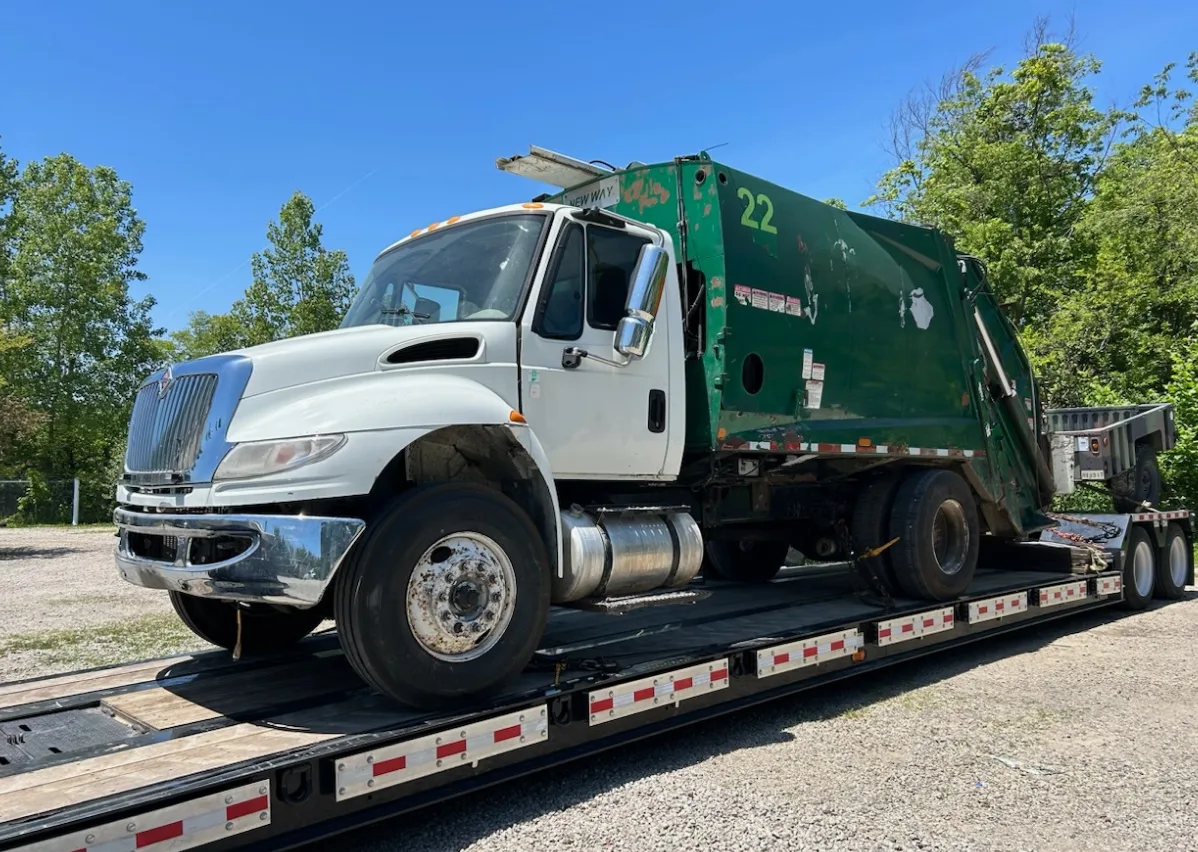
Across the auto transport industry, roughly 99 out of 100 vehicles arrive without any damage at all. Our own numbers at National Auto Transport are even better. Out of 47,000+ vehicles shipped since 2018, our damage claim rate has held below 1%. The vast majority of people get their car exactly as they sent it.
When damage does happen, it's almost always cosmetic. A small rock chip in the paint, a minor scratch from road debris, or a scuff from loading. These minor issues make up about 90% of all claims filed. Serious structural damage to a vehicle during professional transport? That happens on fewer than 2 out of every 1,000 shipments. You're genuinely more likely to pick up a shopping cart ding in a Costco parking lot.
Now compare that to the alternative: driving the car yourself. The National Safety Council puts the accident rate for a 2,500-mile road trip at roughly 1 in 400. You're also adding 2,500 miles of wear to the engine, tires, and brakes, plus 30 to 40 hours of your time. When you look at it that way, professional transport is both safer and cheaper than doing it yourself.
What Makes Professional Auto Transport Safe
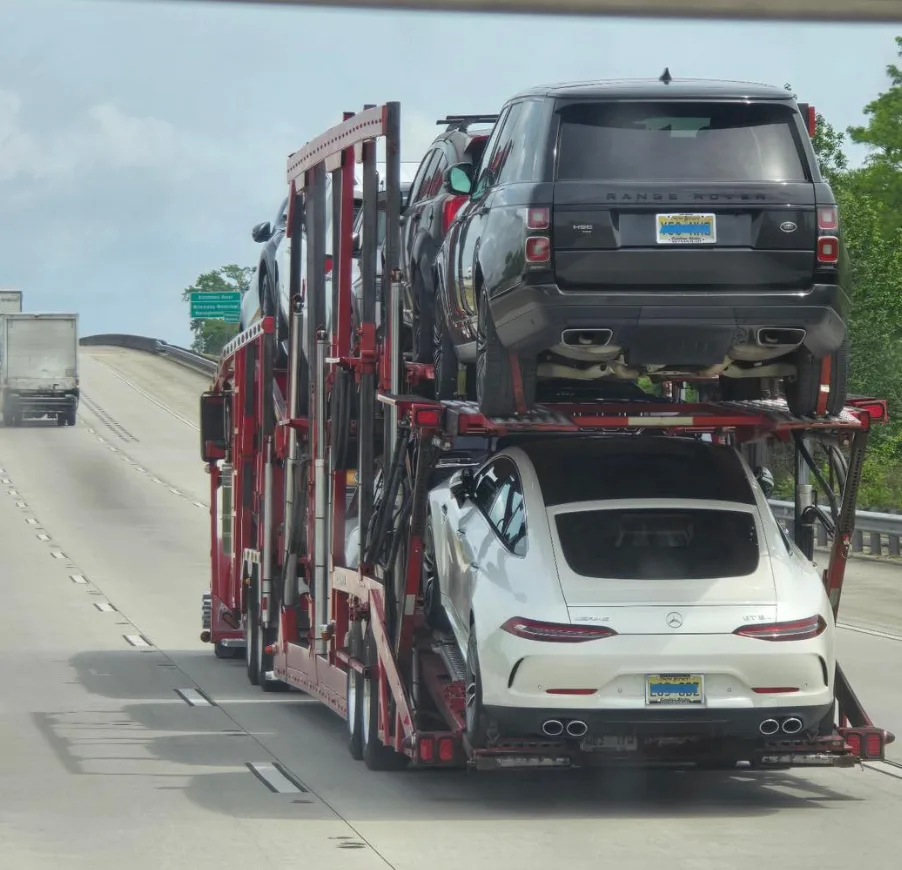
There's a reason the safety numbers are so good. Every driver behind the wheel of a car hauler holds a Commercial Driver's License, passes federally mandated drug and alcohol testing, and logs their hours under strict DOT regulations. The trucks themselves go through mechanical inspections every 90 days. This isn't some guy with a flatbed and a handshake. It's a regulated industry with real oversight.
Where things go sideways is when customers skip the vetting process. They find a quote online that's $300 cheaper than everyone else, they don't check the company's USDOT number, and they wire money to a PO box in another state. We hear stories like this every week. That $300 you saved disappears real fast when your car shows up damaged and the "company" won't return your calls.
Insurance is another area with huge variation. A USDOT-licensed carrier is required to carry cargo insurance, but the amounts differ wildly. Some run the bare minimum. We carry up to $250,000 in coverage per vehicle because we think that's what our customers deserve. Always ask for a certificate of insurance before you book with anyone, and verify the coverage amounts match what they told you over the phone.
Is Open or Enclosed Transport Safer for Your Car?
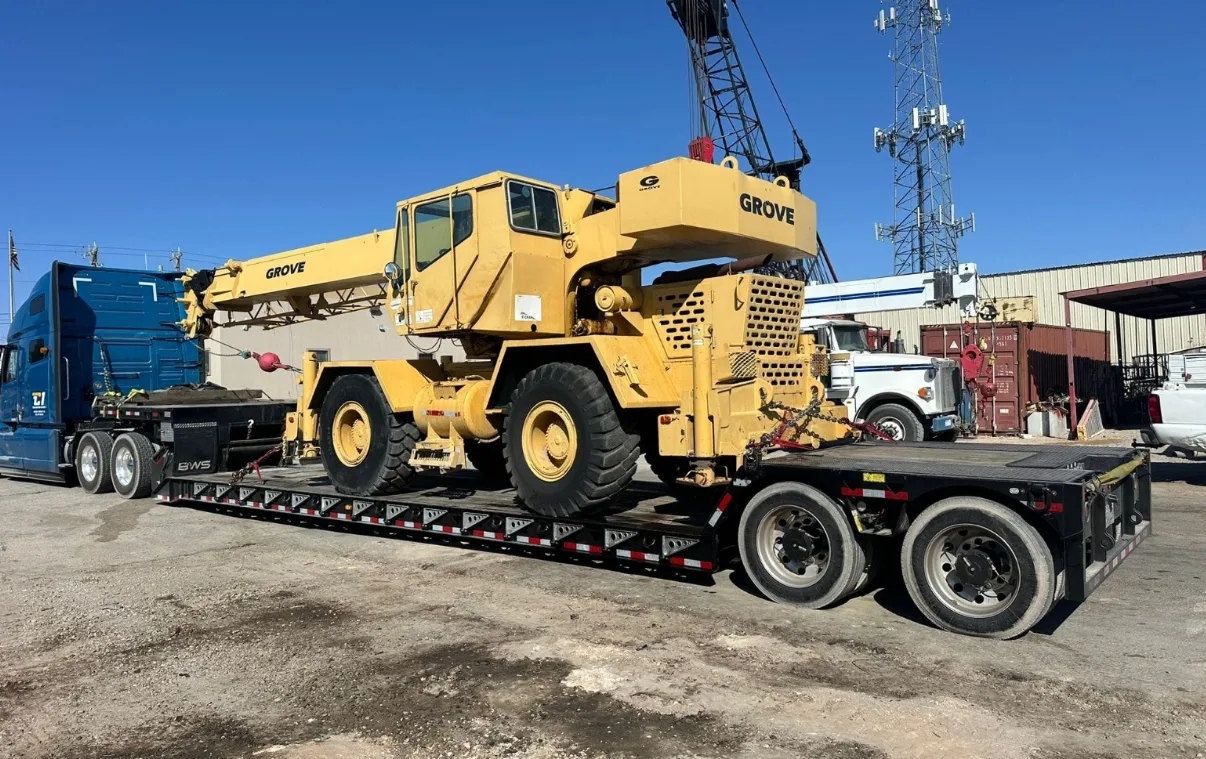
Enclosed transport gives your car a physical barrier against rain, hail, gravel, and road salt. But open carriers aren't the risky option people assume they are. We move about 85% of all vehicles on open trailers, and the damage rate for open transport is below 1.5%. That's excellent by any measure.
The decision really comes down to what you're shipping. A 2024 Porsche Taycan worth $95,000? Enclosed is the smart play, and the extra $400 to $700 is nothing against the car's value. A 2017 Nissan Altima going to your kid's college campus? Open carrier is perfectly fine and saves you real money.
Here's something that might surprise you: enclosed trailers have a marginally higher incident rate on the road because they're taller, heavier, and harder to see around in traffic. The weather and debris protection they provide almost always outweighs that for high-value cars, but "enclosed" doesn't automatically mean "safer" in every situation. It's a trade-off, and we're happy to walk you through it at (602) 860-6894.
Three Things That Actually Make Car Shipping Risky
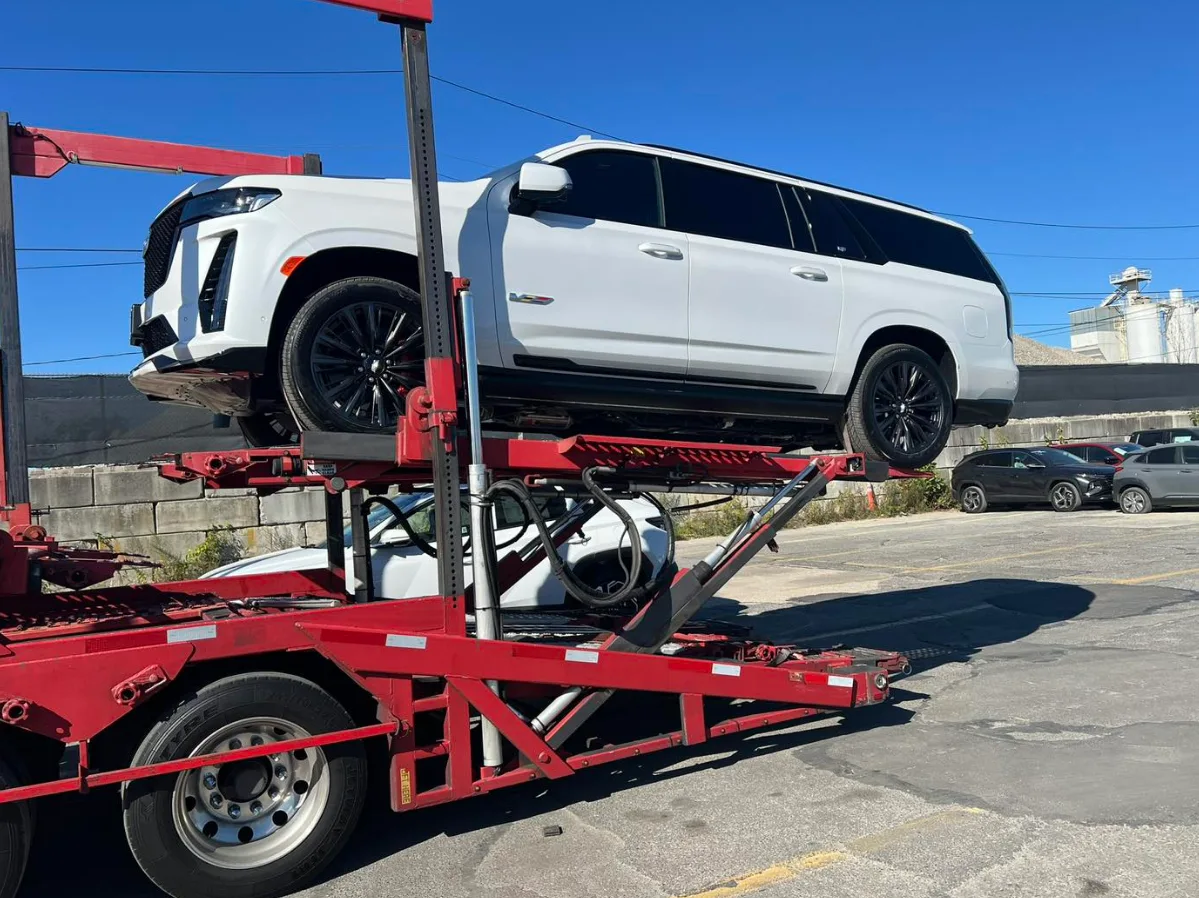
The first and biggest risk is booking with an unlicensed or poorly vetted company. We talk to at least two or three people every week who got burned by a company that disappeared after taking their deposit. Before you send anyone a dime, look up their USDOT number on the FMCSA website (safer.fmcsa.dot.gov). It takes 30 seconds and tells you if they're actually licensed and insured.
The second risk is weak insurance. Some carriers technically have insurance but carry the bare minimum, sometimes as low as $5,000 to $10,000 per vehicle. If your car is worth $30,000 and the carrier's policy only covers $10,000, you're on the hook for the difference. Always ask for a certificate of insurance with specific per-vehicle limits before you commit.
The third risk is actually on you: poor vehicle prep. About 35 to 40% of damage claims we've seen over the years come from customers who left loose items in the cabin, didn't document existing damage, or forgot to disable their alarm system. A little prep work goes a long way toward protecting yourself.
What Car Shipping Insurance Covers (and What It Doesn't)
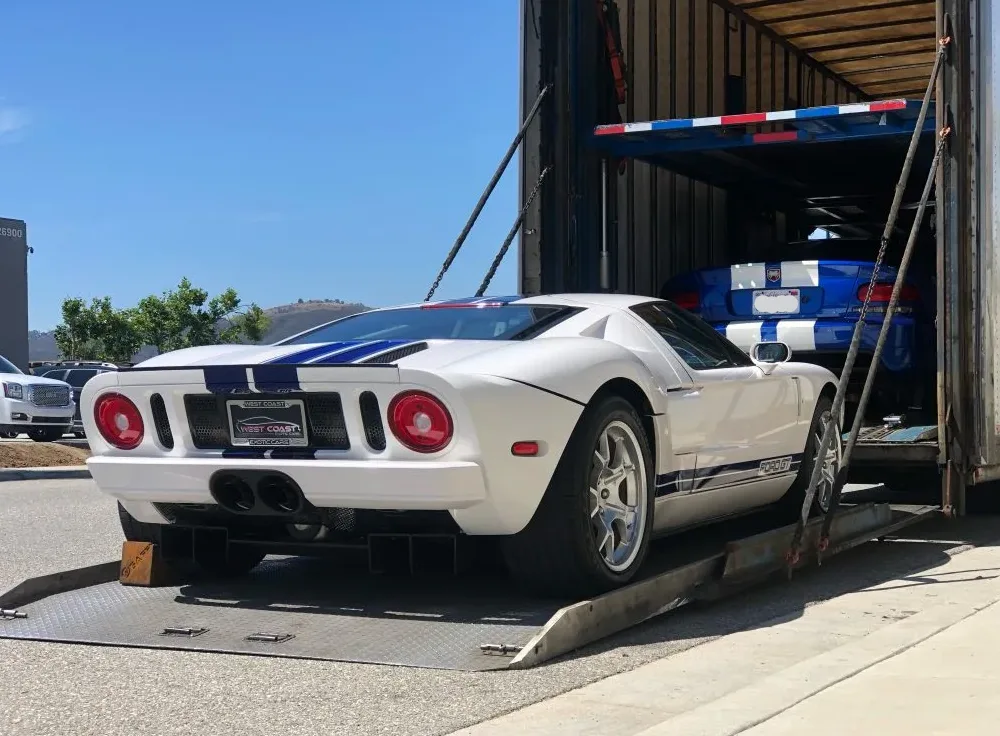
Every carrier licensed by the FMCSA carries cargo insurance. That's a requirement, not a perk. Standard coverage handles collision damage during transport, theft, fire, and vandalism. What it won't cover: damage that existed before pickup, mechanical breakdowns, or wear and tear items like tire tread or brake pads.
There's a catch people don't expect. The insurance payout is based on your car's current market value, not what you paid for it or what you still owe on the loan. If you financed a 2021 BMW X3 for $48,000 and it's worth $31,000 today, that $31,000 is your ceiling. Understanding how transport insurance works can save you from a bad surprise if something goes wrong.
Deductibles vary by carrier. Some have $0 deductibles, others run $500 to $1,000. Ask about this upfront. Also know that claim processing typically takes 30 to 90 days. If you need faster resolution, some premium carriers offer expedited claims handling for an additional fee.
How National Auto Transport Protects Every Vehicle
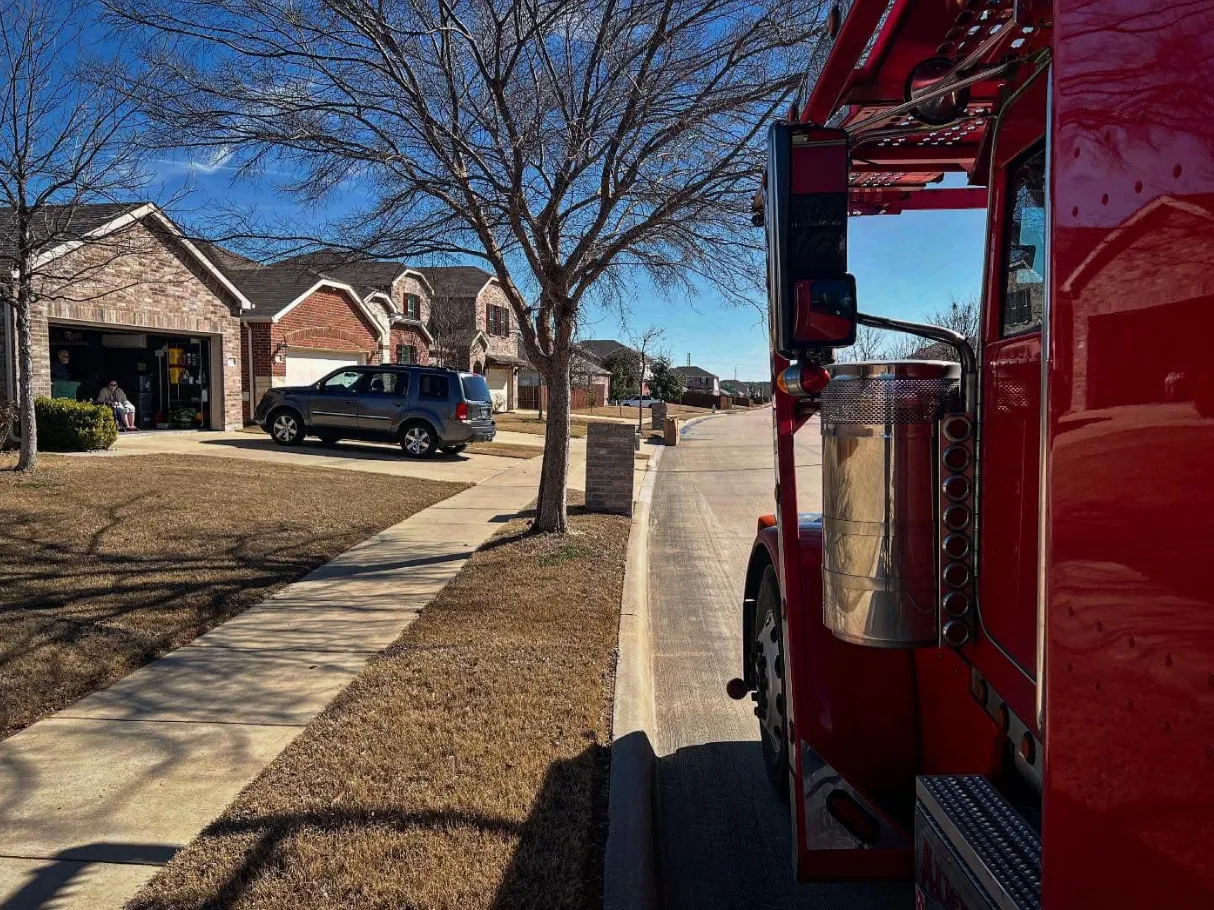
Safety starts at the curb. When the driver arrives for pickup, they do a full walk-around inspection, photographing your car from multiple angles and noting every existing scratch, dent, and chip on the Bill of Lading. You get a copy of everything by email that same day. That documentation is your baseline for proving what happened during transit versus what was already there.
Our carriers use rubberized wheel straps and soft tie-downs designed specifically for auto transport. These secure the vehicle by the tires and suspension without touching the paint, bumpers, or undercarriage. Cheap operators sometimes use metal chains or worn nylon straps that can slip, scratch, or snap. We don't cut corners on equipment because one damaged car costs far more than quality tie-downs.
Once your car is on the road, you'll get periodic location updates from our team. If there's a delay from weather or a mechanical issue, we call you directly. We've been operating out of our Phoenix office at 1951 W Camelback Rd since 2018, and you can reach a real person at (602) 860-6894 any day of the week from 7 AM to 9 PM.
Warning Signs That a Car Shipping Company Isn't Legit
The biggest red flag is a quote that's way below everyone else's. If four companies quote you $1,100 to $1,300 and one comes in at $750, that last one is either planning to raise the price later or they're not carrying proper insurance. Those savings evaporate the second something goes wrong.
Be cautious of any company demanding a large deposit upfront. Standard practice in the industry is a booking fee of $150 to $300, with the balance paid directly to the driver at delivery. If someone asks for 50% down or wants a wire transfer before the truck even shows up, walk away. That's a textbook deposit scam.
Other warning signs: no verifiable physical address, phone calls going straight to voicemail, no USDOT number listed on their website, and refusal to provide insurance certificates. A real company has a real office. Ours is at 1951 W Camelback Rd UNIT 205, Phoenix, AZ 85015, and we've been there since 2018. You're welcome to stop by if you're in town.
Steps to Take If Your Car Arrives With Damage
First, don't panic, and don't sign the delivery paperwork without inspecting the vehicle. Walk around the car carefully and compare what you see to the pre-pickup photos you took. If you spot new damage, point it out to the driver and make sure it's written on the Bill of Lading before you sign anything. Take clear photos from multiple angles with your phone's timestamp turned on.
Next, contact the carrier's insurance company within 24 hours. This is critical. Most cargo insurance policies have strict notification windows, and waiting too long can give them grounds to deny your claim. Keep everything organized in one folder: the signed BOL, your pre-pickup photos, the delivery photos, and any repair estimates you get from a body shop.
If the carrier is unresponsive or disputes the claim, you have recourse. File a complaint with the FMCSA and your state's attorney general's office. For specialty or high-value vehicles, it may be worth hiring a public adjuster who knows auto transport law. They typically work on contingency and can recover money you'd never get on your own.
Shipping Your Car vs Driving It Yourself: Safety Breakdown
| Safety Factor | Professional Auto Transport | Driving It Yourself |
|---|---|---|
| Damage/Accident Risk | Under 0.2% major incidents | 1 in 400 chance per 2,500 miles |
| Who's Driving | CDL holder, drug tested, hours logged | You, after 10+ hours on the road |
| Rig Inspections | Federal inspection every 90 days | Whenever your state requires |
| Insurance Protection | $100K to $250K+ cargo coverage | Whatever your personal policy covers |
| Bad Weather | Driver pulls over, reroutes safely | You push through to stay on schedule |
| Driver Fatigue | 11-hour max, mandatory 10-hour rest | As long as you can stay awake |
| Miles on Your Car | Zero added | 2,000 to 3,000+ miles of wear |
Since opening our doors in 2018, we've had fewer than 5 total-loss claims across 47,000+ shipments. The overwhelming majority of vehicles arrive exactly as they left. Your car is statistically much safer on a carrier than it is on a 2,500-mile road trip with you behind the wheel.
Key Takeaways
Car Shipping Safety FAQs
Honest answers about risks, insurance, and protection from our team with 47,000+ deliveries.