Auto Transport Insurance: Coverage, Gaps, and Claims
A lot of people assume their personal car insurance follows their vehicle onto the hauler. It doesn't. The good news is that every federally licensed carrier holds cargo coverage of $100,000 to $250,000 per vehicle. The not-so-good news is that there are blind spots in that coverage you should understand before you hand over the keys.
Ship Your Car Today
Get a quote or talk to our team right now

The Kind of Insurance Every Licensed Hauler Carries
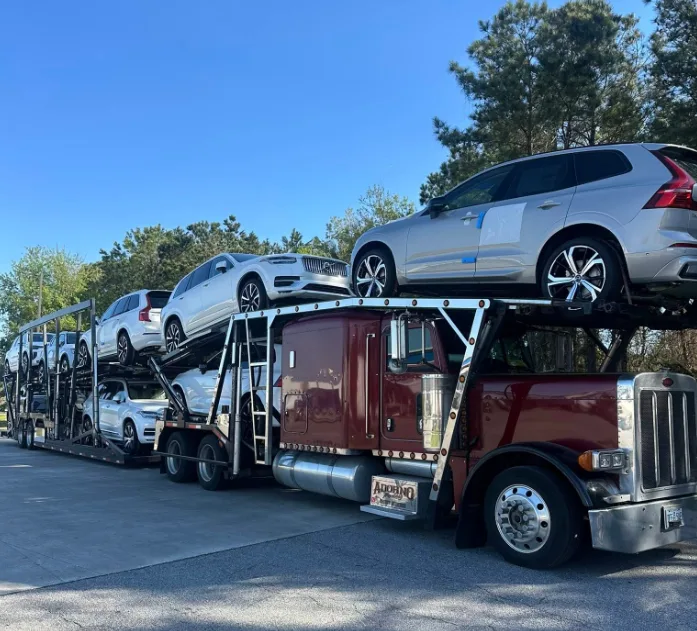
Federal law under the FMCSA requires every registered auto transport carrier to maintain active cargo insurance. Policy limits range from $100,000 on the low end up to $1,000,000 for larger fleets. We carry $250,000 per vehicle because that's where real claims data tells us the coverage needs to sit for adequate protection.
One detail that catches people off guard: cargo insurance only activates when the carrier is at fault for the damage. If a third-party driver rear-ends the hauler, that driver's liability policy is on the hook. If a hailstorm hammers the truck in West Texas, that falls under "act of God" territory and different rules kick in.
What cargo coverage does protect is direct physical damage while your car sits on that trailer. Collision, fire, theft from the truck, vandalism at a rest stop. It won't pay for mechanical problems, pre-existing dings you didn't document, or wear-and-tear items like tires and brake pads.
Why Your Personal Auto Policy Probably Won't Help
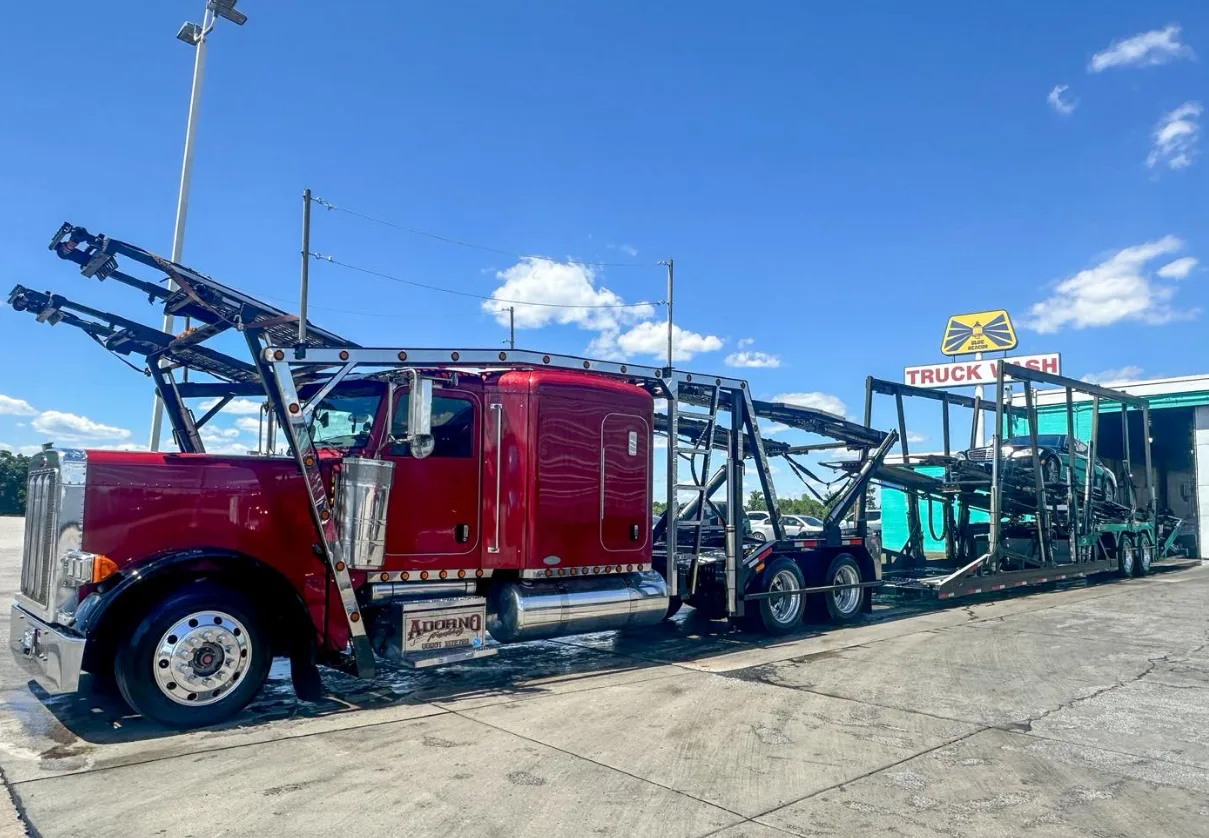
In almost every case, your personal car insurance stops covering your vehicle the moment it rolls onto a commercial hauler. We've fielded calls from customers who found this out after filing a claim and getting denied. Comprehensive coverage might technically apply in a narrow set of circumstances, but relying on it is a gamble.
The standard exclusion language reads something like "damage occurring while the vehicle is in the care, custody, and control of a commercial transporter." That's the insurance industry's way of saying the carrier's policy takes over. A few niche policies include transport as an add-on, but they're the exception.
If you want certainty, call your agent before shipping day and ask this exact question: "Am I covered for physical damage while my car is loaded on a commercial auto transport truck?" Get the answer in an email so you have it in writing. Most agents have to look it up because it doesn't come up often.
Exactly What Cargo Insurance Pays For
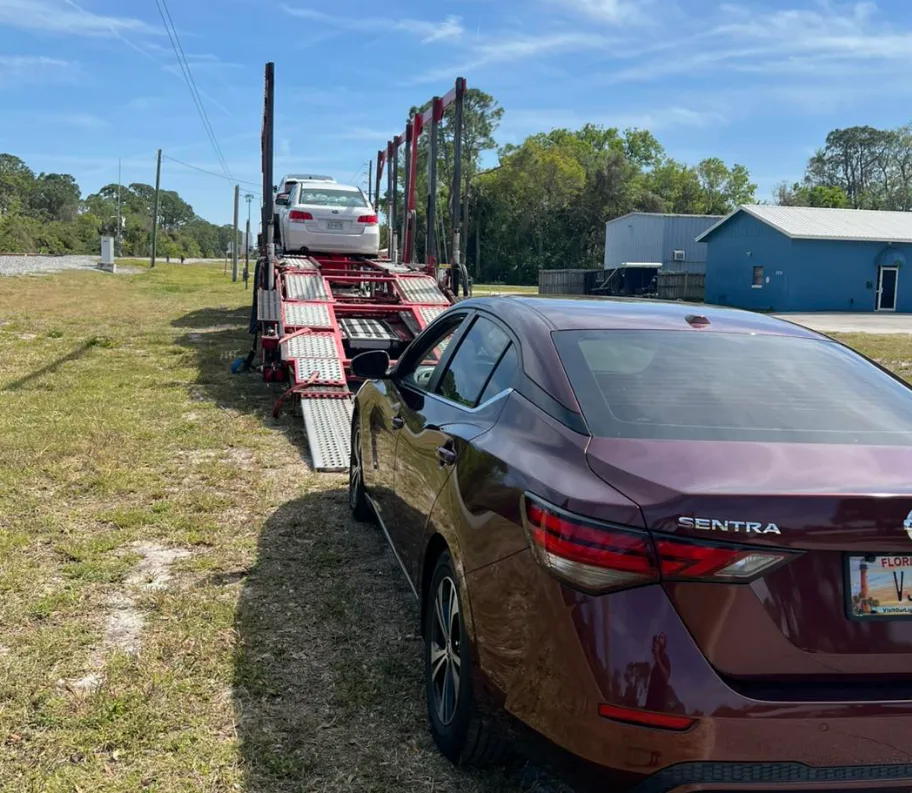
Cargo coverage pays for direct physical damage that happens because of the carrier's actions or negligence. A driver last quarter clipped a customer's Audi Q7 against a loading ramp rail during unloading. Repair came to $3,800, and the carrier's insurer cut a check within 22 days. That's a textbook covered claim.
The policy extends to collision damage, fire while on the truck, theft from the carrier's possession, and vandalism at stops. If someone smashes a side mirror while the car sits on the trailer overnight, that's covered. If the rig rolls (rare, but it happens), every vehicle on board falls under the policy.
What falls outside coverage: engine or transmission failures, pre-existing scratches you didn't disclose at pickup, routine wear items, and damage caused by aftermarket modifications you didn't flag. If your car is slammed on coilovers and scrapes during ramp loading because you forgot to mention the ride height, that claim gets complicated fast.
Figuring Out How Much Coverage Your Car Needs
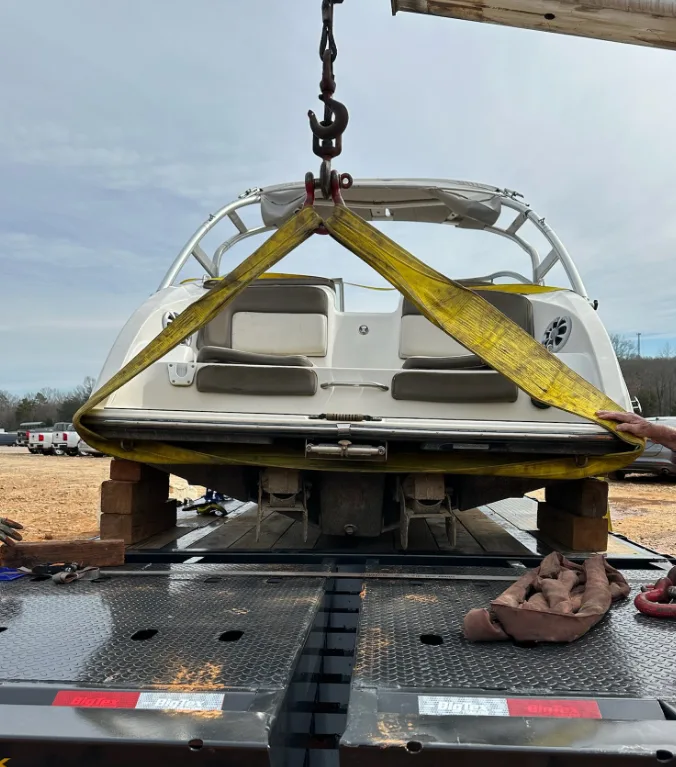
If your vehicle is worth under $40,000, the standard $100,000 to $250,000 per-vehicle coverage that licensed carriers carry is more than sufficient. The average damage claim we've processed comes in around $2,100. For a typical sedan, SUV, or pickup, the baseline policy handles the situation without issue.
High-value and collector vehicles are a different story. Shipping a $160,000 Porsche 911 Turbo S or a $200,000 restored classic means you need a carrier with at least $250,000 per-vehicle limits. Some specialty enclosed haulers carry policies up to $1 million for ultra-high-end loads. Long distance auto transport of expensive cars deserves a close look at the coverage certificate before you sign anything.
A point that most shippers don't realize: coverage applies per vehicle, not per truck. If a rig carrying 9 cars is involved in an incident, each car gets the full per-vehicle limit. The coverage doesn't get divided up among all the vehicles on the load.
Gap Insurance and Supplemental Coverage Options
A few transport companies sell add-on coverage for an extra fee. This "gap" insurance might reimburse you for a rental car if your delivery is delayed because of damage, or it might lower the deductible on a claim. We don't push it because carrier cargo coverage takes care of the vast majority of real-world scenarios.
The gap that worries people most is total-loss valuation. If your car is destroyed during transport, cargo insurance pays actual cash value, not what it costs to replace the car with an identical model. On a 4-year-old truck with a $28,000 loan balance and a $22,000 ACV, that's a $6,000 shortfall you'd cover out of pocket unless you have separate GAP coverage through your lender.
Third-party transport insurance policies exist but tend to be overpriced relative to the risk. A smarter move is to select a carrier with strong coverage limits and a transparent claims process in the first place. Worth noting: open carrier transport carries the same per-vehicle insurance amounts as enclosed. Choosing open doesn't lower your coverage.
How Filing a Damage Claim Works Step by Step
Everything starts with your pre-shipment photos. Snap every panel, bumper, mirror, and wheel from multiple angles before the driver shows up. The driver logs existing damage on the Bill of Lading at pickup, but your timestamped photos are the baseline evidence that settles disputed claims.
When your car arrives, walk around it with the driver before you sign the delivery receipt. If you spot a new scratch, dent, or chip, write it on the receipt in detail and photograph it on the spot. Never sign the delivery paperwork "clean" when there's visible damage. Once you sign without noting issues, proving the carrier caused them becomes an uphill fight.
After you've documented everything, file the claim directly with the carrier's insurance provider. Straightforward cases with clear photos and a marked delivery receipt typically resolve in 15 to 40 business days. Claims where fault is disputed can stretch out for months, so keep every piece of paperwork and follow up by phone or email every week.
Red Flags That Signal Weak or Fake Coverage
The single biggest insurance risk isn't an accident on I-10. It's handing your car to an unlicensed outfit that claims to have coverage but doesn't. If their USDOT or FMCSA registration comes back inactive or nonexistent on the federal database, any insurance certificate they show you could be worthless paper.
Suspiciously low quotes are the second red flag. When someone offers $450 for a route where every legitimate company is quoting $850 and up, they're skimping on something. Insurance premiums are one of the biggest operating costs for carriers, and rock-bottom pricing often means the policy has lapsed or the deductible is sky-high.
Older, poorly maintained rigs are a subtler risk. The carrier might technically have valid insurance, but if worn-out equipment causes the damage, expect a longer and harder fight during the claims process. Expedited car shipping can involve smaller independent carriers with lower individual policy limits, so always ask for the certificate before you book.
The Insurance Questions to Ask Before You Book
Request a copy of the carrier's insurance certificate before you pay anything. Legitimate companies hand it over immediately. The certificate should list the cargo coverage amount, the policy effective and expiration dates, and the name of the underwriting insurer. If they stall, dodge the request, or say "we'll get it to you later," move on.
Ask about the deductible. Some cargo policies carry $500 to $1,000 deductibles that come out of your pocket on smaller claims. You want to know that number before you need it. Also ask how their claims process works, who you contact, and what the average turnaround time looks like.
Write down the insurance company's name and policy number. If a problem comes up, you'll file the claim with the insurer directly, not with the broker. For vehicles worth more than $50,000, don't take anyone's word for it. Look up the carrier's USDOT number and cross-check the insurance status on the FMCSA's SAFER database yourself.
Auto Transport Insurance Types at a Glance
| Policy Type | What It Protects | Per-Vehicle Limits | Cost to You |
|---|---|---|---|
| Carrier Cargo Policy | Collision, fire, theft, vandalism | $100K-$250K | Included in quote |
| Your Personal Auto Policy | Typically excluded during transport | Varies by insurer | $0 (likely no coverage) |
| Supplemental Gap Coverage | Rental car, lower deductible | Varies | $50-$175 |
| Third-Party Transport Policy | Broader coverage, reduced deductibles | $50K-$500K | $100-$450 |
Before you pay any deposit, plug the carrier's USDOT number into the FMCSA SAFER lookup tool. If their insurance status shows anything other than "active," walk away. This one step prevents the most common and costly insurance nightmare in auto transport.
Key Takeaways
Frequently Asked Questions
Insurance questions our Phoenix team answers every week about auto transport coverage.