Terminal-to-Terminal Car Shipping - The Budget-Friendly Drop-Off Option
If you're willing to drive your car to a nearby lot and pick it up at the other end, terminal-to-terminal shipping can shave 20 to 30 percent off your transport bill. National Auto Transport partners with over 200 terminal facilities across the country, all backed by $250,000 in cargo insurance and our USDOT #3441624 license.
Ship Your Car Today
Get a quote or talk to our team right now

How Does the Terminal Drop-Off Process Work?
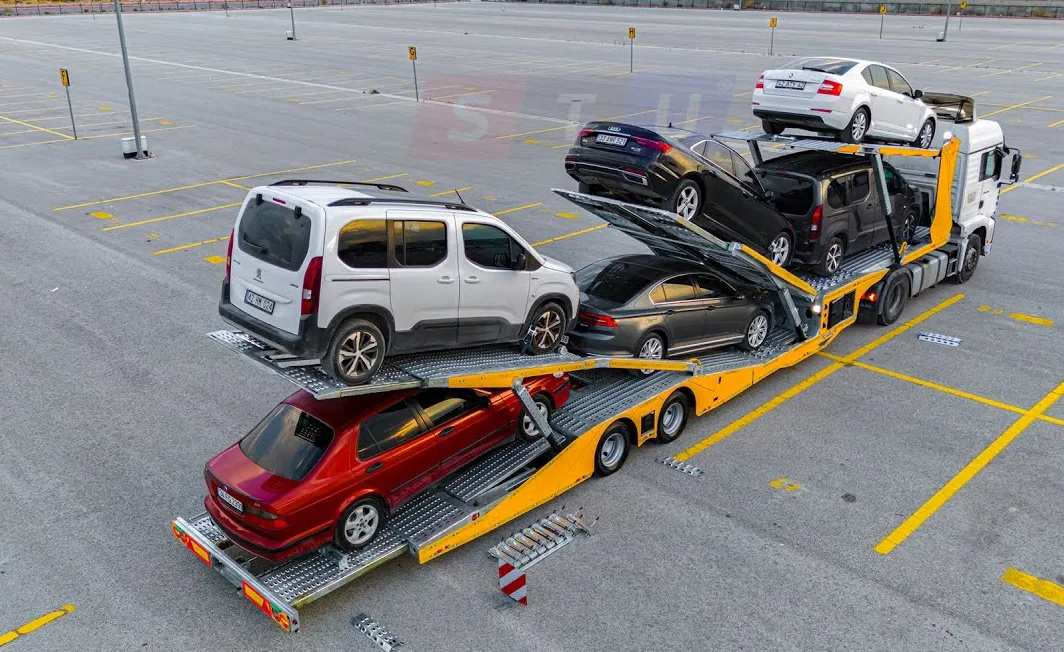
You drive your car to a designated facility, usually a carrier yard, auto auction lot, or secure truck depot near a highway interchange. Terminal staff inspect and photograph your vehicle, hand you a condition report, and hold the car until a hauler heading your direction loads it. At the other end, the car gets unloaded at a terminal near your destination, and you drive down to collect it.
The trade-off for that lower price is a bit of extra time. Terminal loads typically take 1 to 3 days longer than door-to-door because the carrier waits until the trailer is full before pulling out. We partner with over 200 terminal locations spread from Phoenix to Jacksonville to Minneapolis, so there's likely one within a short drive of both your origin and destination.
Here's something worth knowing: terminal shipping works best on busy corridors like California to Texas or Florida to the Northeast. Carriers fill up faster at terminals on those routes, and that higher volume is exactly what creates the discount you're after.
What Makes Terminal Shipping Worth the Drive?
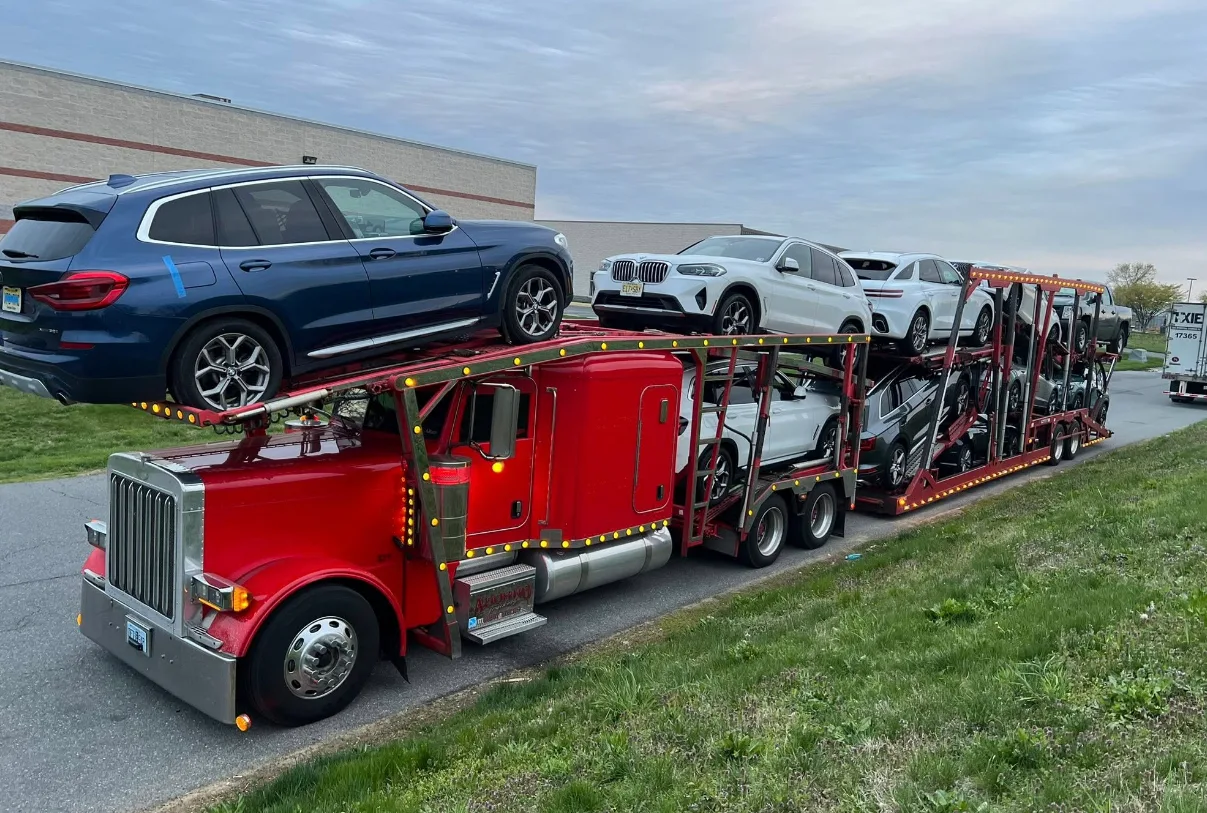
Money is the headline. Terminal rates run $125 to $375 less than door-to-door on the same route because carriers skip the residential detours and load multiple cars in one stop. You also get more flexibility with timing since you can drop off anytime during terminal hours rather than waiting at home for a truck to show up.
Security at our partner terminals is solid. Every facility we work with has a fenced perimeter, surveillance cameras, and staff on-site during operating hours. Your vehicle carries the same $250,000 cargo insurance whether it ships from a terminal or from your driveway.
Terminal shipping is also a smart move for rural customers. If you live on a winding county road where a 75-foot hauler can't safely turn around, driving 30 minutes to a terminal on the interstate solves the problem. A recent customer near Emporia, Kansas saved $260 on a 2022 Ford F-150 shipment to Austin by meeting the truck at our Kansas City facility instead of trying to force a door-to-door pickup on a gravel road.
What Does Terminal-to-Terminal Shipping Actually Cost?
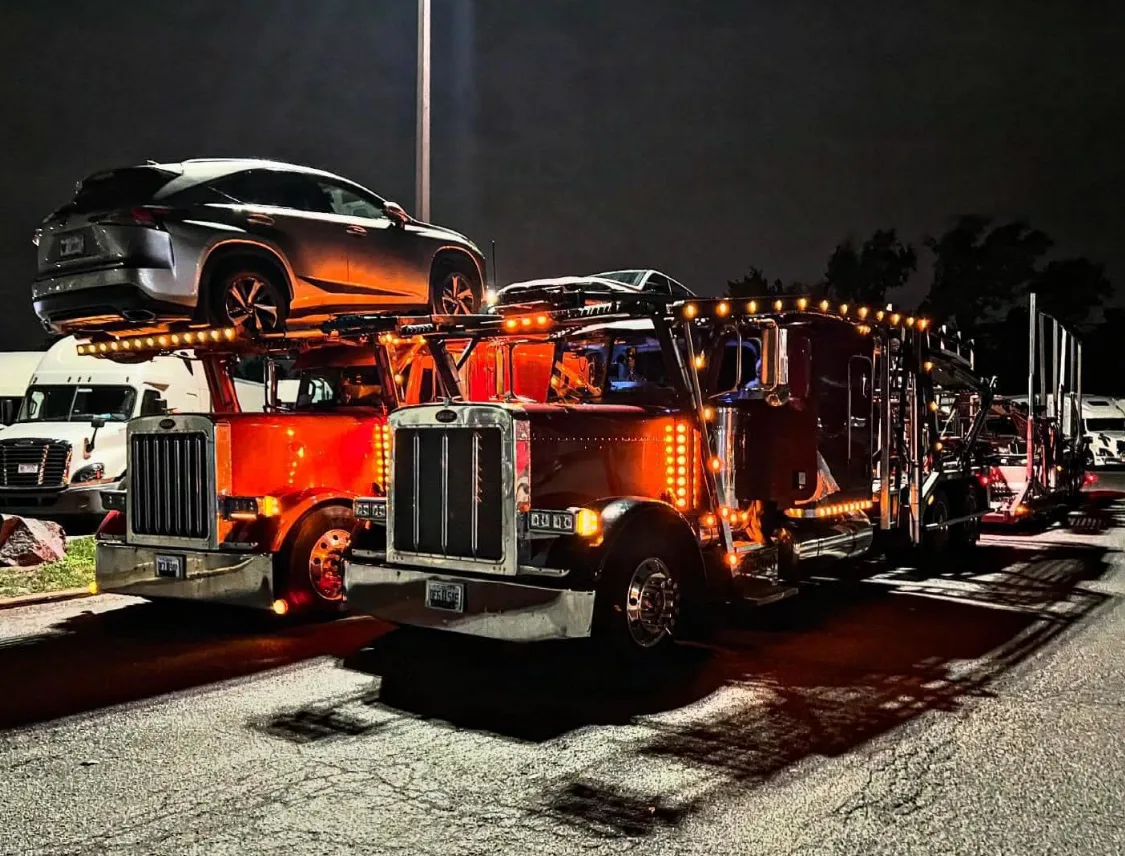
Expect to spend $375 to $1,050 on most terminal-to-terminal routes. Regional hauls like Texas to Colorado typically land at $425 to $625, while coast-to-coast runs from Los Angeles to New York sit in the $825 to $1,050 range. Per-mile rates for terminal shipping average about $0.45 to $0.95.
Open carrier terminal rates save you 20 to 30% compared to door-to-door pricing on the same lane. SUV and truck shipping via terminals saves even more because the size premium on oversized vehicles is lower when the carrier isn't detouring to a residential address. Enclosed terminal shipments are rarer but still trim 15 to 20% off enclosed door-to-door quotes.
Like every shipping option, terminal rates swing with the calendar. Summer months (May through September) bump prices 15 to 25% as students and families pile into the market. Snowbird traffic heading from Minnesota or Michigan down to Florida pushes January and February rates up another 20 to 30% on those specific lanes.
How Long Does Terminal Shipping Take Start to Finish?
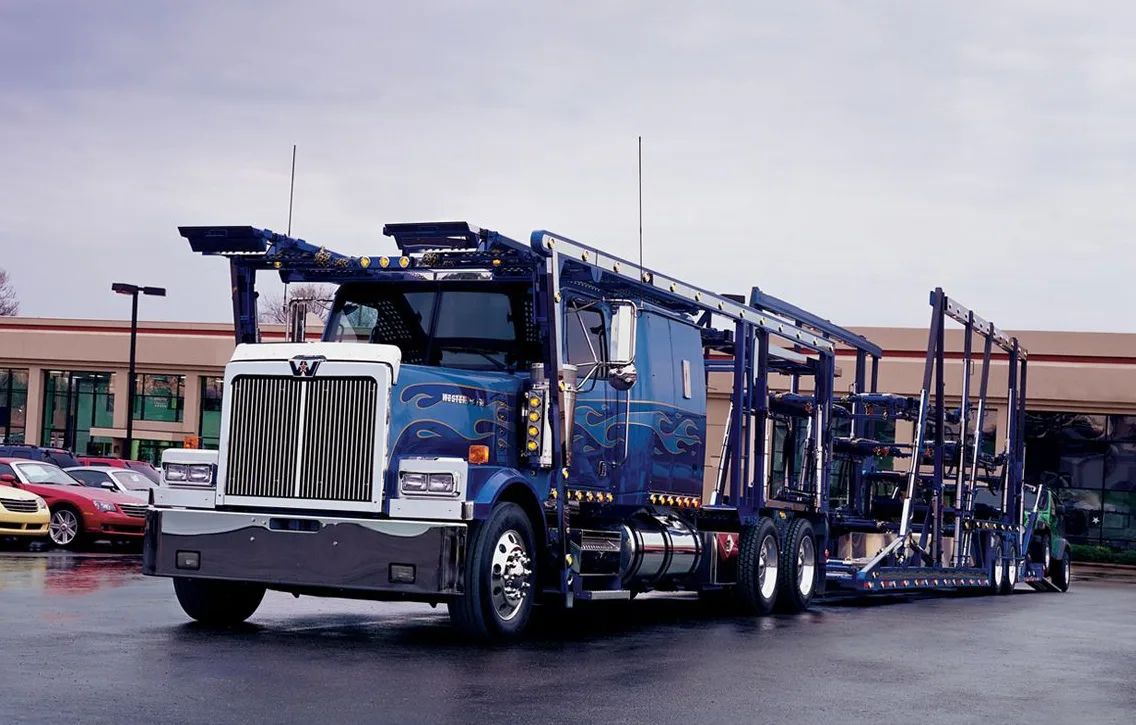
Cross-country terminal moves typically wrap up in 8 to 16 days, which runs about 1 to 3 days longer than door-to-door on the same route. The added time comes from the origin terminal holding your vehicle until the carrier builds a full load. Your car might sit on the lot for 24 to 72 hours before the truck is ready to roll.
Regional moves under 1,000 miles usually finish in 4 to 8 days total. Short hops like Phoenix to Las Vegas can be done in 2 to 4 days if a carrier is running that lane that week. We'll give you the terminal's direct phone number and our tracking info so you can check on your car's status at any point.
Once your vehicle arrives at the destination terminal, you'll have 5 to 7 days to pick it up at no extra charge. After that, storage fees of $20 to $30 per day kick in. We send a notification the moment the car is unloaded so you can plan your trip to the lot without guessing.
Is Terminal Shipping the Right Choice for You?
If keeping costs low is your top priority and you have a way to get to and from the terminal lots, this option was built for you. It's popular with college students moving cars between home and campus, military families on PCS orders stretching a tight relocation budget, and first-time shippers who just want the most affordable way to move a daily driver.
It also works well if you live near a metro area or interstate corridor. When a terminal is 20 minutes from your house, the savings of $125 to $375 easily justify the drive. Rural customers with hard-to-access properties often find terminal shipping more reliable than door-to-door because there's no risk of a hauler refusing the address on arrival.
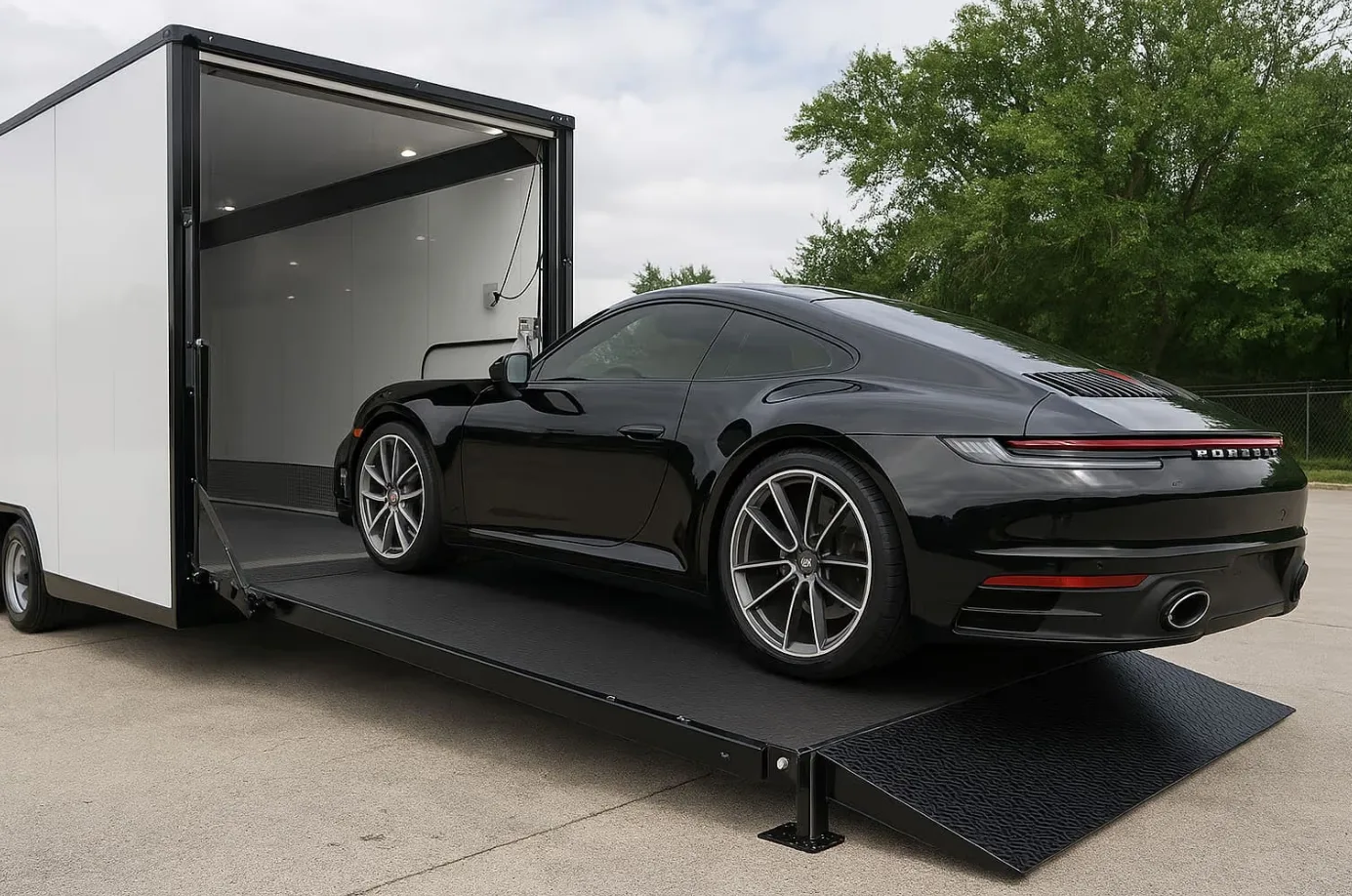
Terminal shipping isn't the best fit if you're on a tight deadline, have mobility challenges that make driving to lots difficult, or if you're moving a high-value vehicle that benefits from the controlled handoff of long distance auto transport with direct pickup. Exotic and classic car owners usually prefer the garage-to-garage simplicity of door-to-door enclosed service.
How Insurance and Security Work at Terminals
Your vehicle carries the same $250,000 cargo insurance on a terminal shipment as it would on a door-to-door load. There's no reduction in coverage because of the drop-off method. Terminal facilities add another layer of protection with fenced perimeters, surveillance camera systems, and on-site personnel during operating hours.
Every carrier in our network holds an active USDOT number and FMCSA registration. We verify their insurance certificates and SAFER database scores before assigning a single vehicle. Coverage starts the moment terminal staff records your car on the lot and doesn't end until you sign the pickup receipt at the destination.
Terminal staff photograph and document your vehicle's condition at both the origin and destination lots, and we email you copies. If new damage shows up at the destination inspection, our claims team files directly with the carrier's insurer so you don't have to chase phone calls or paperwork on your own.
How Terminal Shipping Works
Get Your Quote
Call (602) 860-6894 or submit our online form with your origin city, destination, vehicle info, and dates. We'll send back a price and a list of available terminals near both addresses.
Pick Your Terminals
Choose the drop-off and pickup facilities that work best for your schedule. We'll send you the address, hours of operation, and direct phone number for each location.
Drop Off Your Car
Drive to the origin terminal with your keys, registration, and photo ID. Staff inspect and photograph your vehicle, hand you a condition report, and hold it until the carrier loads up.
Collect at Destination
We notify you the moment your car arrives at the destination terminal. Bring your ID and any remaining payment, walk the vehicle with staff, and drive away.
Terminal vs. Door-to-Door: Quick Comparison
| Factor | Terminal-to-Terminal | Door-to-Door |
|---|---|---|
| Typical Price Range | $375 - $1,050 | $550 - $1,400 |
| Transit Window | 8 - 16 days | 7 - 14 days |
| Your Effort | Drive to and from terminal lots | Just be home when the truck arrives |
| Route Coverage | Best on high-volume corridors | Available virtually anywhere |
| Discount vs. Base | 20 - 30% cheaper | Standard rate |
| Ideal Customer | Price-focused, flexible schedule | Convenience-focused, tight timeline |
Stick with a terminal that's within 30 to 45 minutes of your home. Driving farther starts to eat into the cost savings you're getting from terminal shipping. Also, terminals right off major interstates tend to have more carrier traffic, which means your car gets loaded faster and can shave 1 to 2 days off the total transit window.
Frequently Asked Questions
Answers to common questions about National Auto Transport services.