Open Carrier Auto Transport - The Smart Way to Ship Your Car
Nine out of ten vehicles shipped in the U.S. ride on open carriers, and there's a good reason for that. Since 2018, National Auto Transport has loaded 47,000+ cars onto multi-level haulers and delivered them across all 50 states with a damage rate below 0.4%. It's the same method dealers and auction houses rely on every single day.
Ship Your Car Today
Get a quote or talk to our team right now

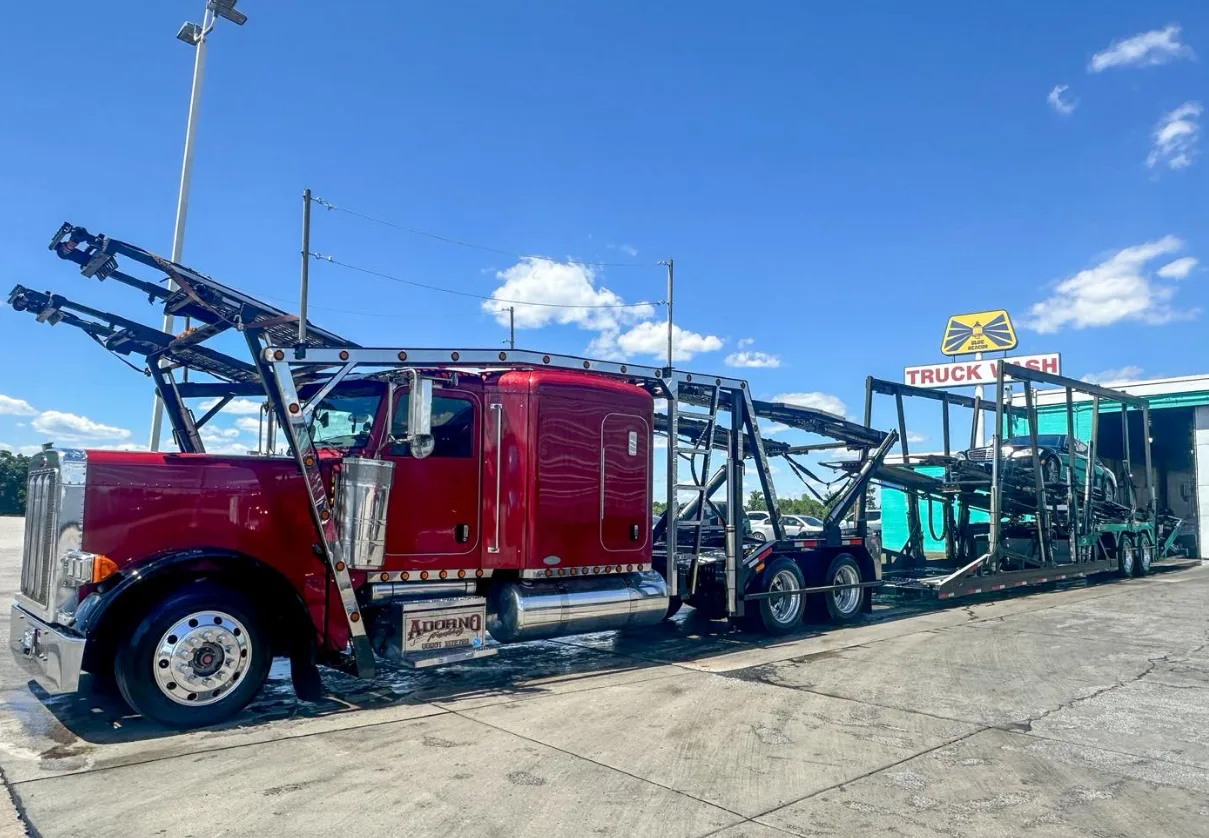
What Actually Happens During Open Carrier Transport?
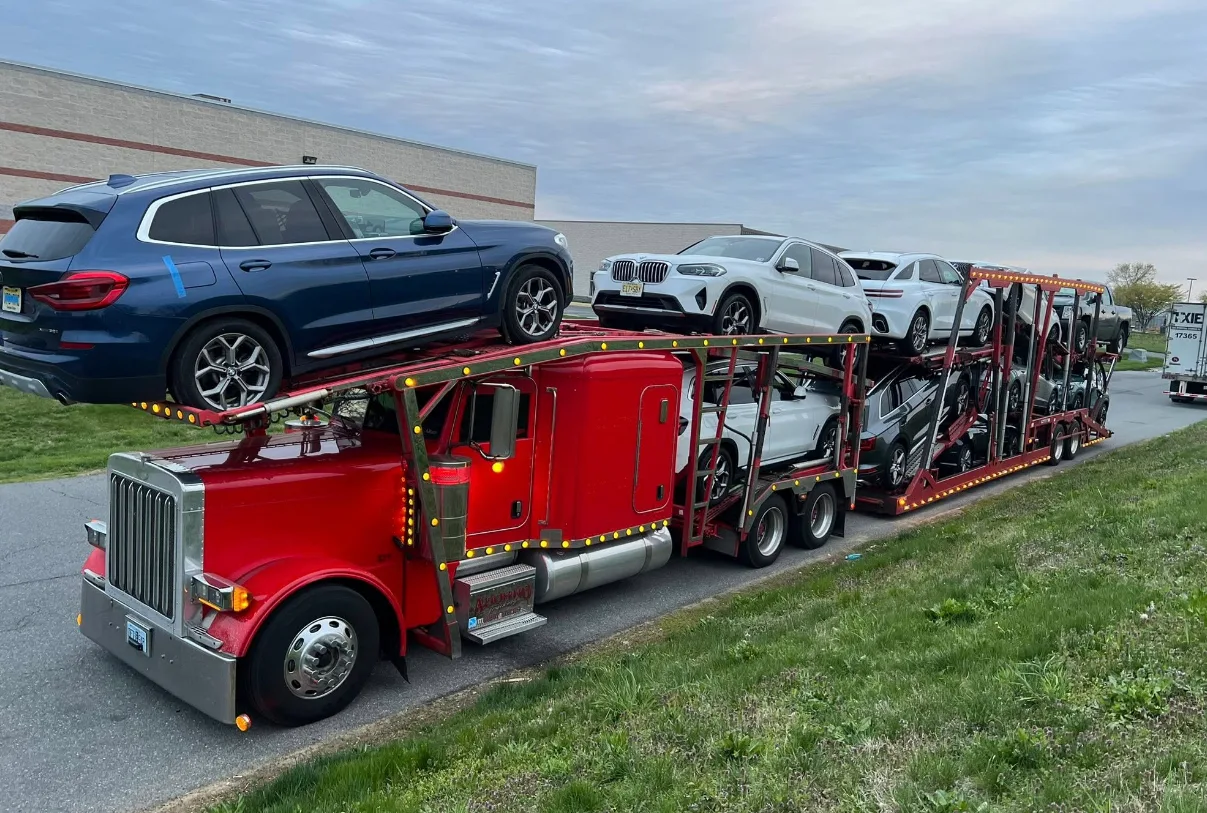
A standard open car hauler is a two-level steel trailer that holds 7 to 10 vehicles at a time. Once your car arrives at the loading ramp, the driver straps it down with industrial-grade ratchet ties and wheel nets, then rolls out on the interstate. It's the exact same exposure your car gets sitting in a parking lot or driving to work, just covering more ground.
Something you won't hear from most brokers: carriers build routes around clusters of pickups and drop-offs, not first-come-first-served. That means a driver grabbing three cars in Dallas might swing through San Antonio before heading east. We coordinate with over 900 vetted haulers so your vehicle lands on a trailer that's already heading your direction, which cuts wait times in half on popular lanes.
Quick example: we recently moved a 2021 Hyundai Tucson from Scottsdale to Charlotte for $780. The owner originally priced enclosed shipping at $1,350, so the savings were real. The car showed up 8 days later without a single new scratch. Unless your vehicle is worth six figures or sits two inches off the ground, open carrier is the move.
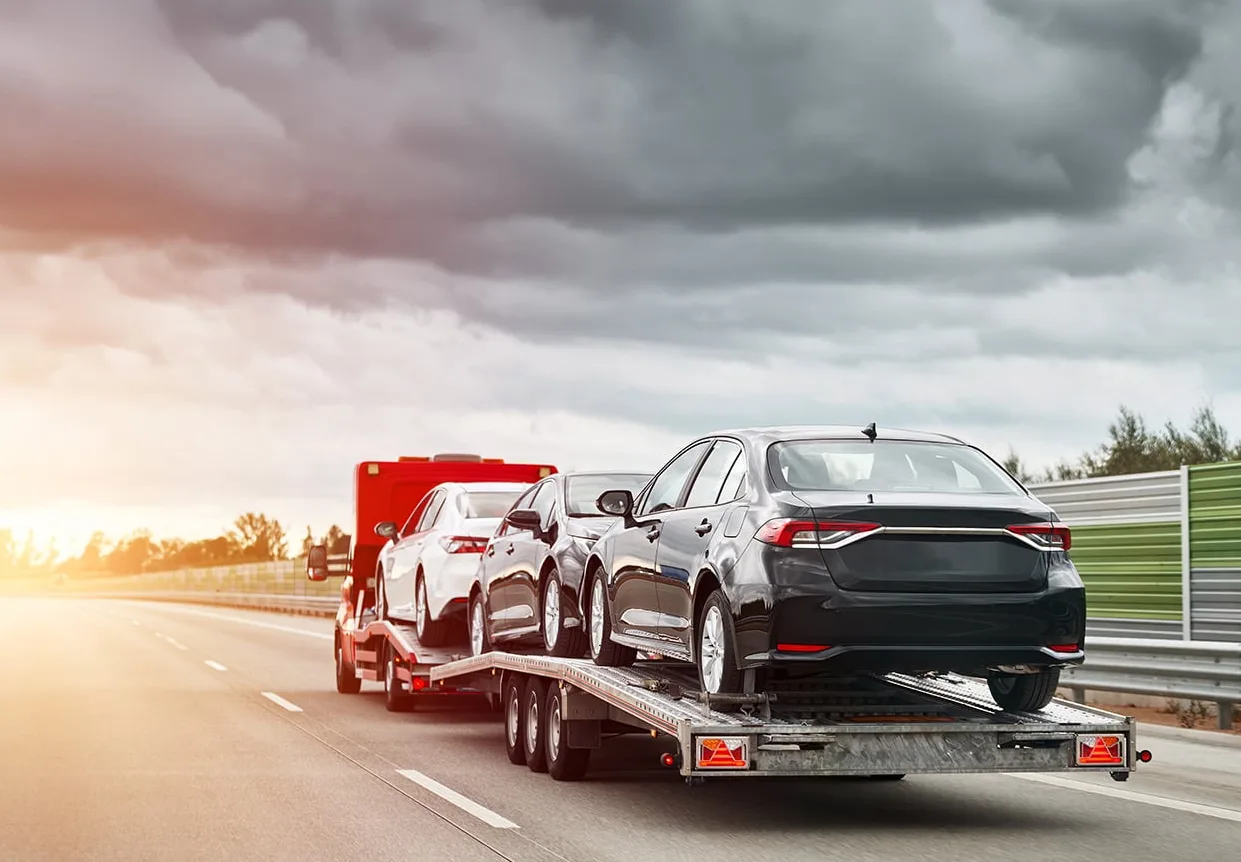
Why Open Carrier Beats Every Other Shipping Method for Most Cars
Price is the obvious win. Open carrier rates run 30 to 40 percent lower than enclosed because haulers split fuel, tolls, and driver wages across 7-10 vehicles instead of 2-4. For a typical 1,200-mile trip you'll spend $600 to $900 rather than the $1,100 to $1,700 an enclosed trailer would charge. And since open haulers make up about 90% of the carrier fleet, pickup windows are tighter too.
We've loaded Audi A4s, Lexus RX350s, and Ford Mustang GTs onto open trailers hundreds of times with zero paint or body claims in the last 14 months. People worry about rain and dust, but think about it: your car already handles those conditions every day. Carriers also pull over or reroute when the National Weather Service posts severe storm warnings, so hail exposure is nearly zero.
Here's a bonus most people overlook. Open haulers sit lower than enclosed trailers, so they can roll down residential streets that enclosed rigs can't fit under due to bridge and tree clearance. We complete true door-to-door car shipping on 93% of open carrier orders versus roughly 65% with enclosed. That means fewer trips to a terminal lot for you.
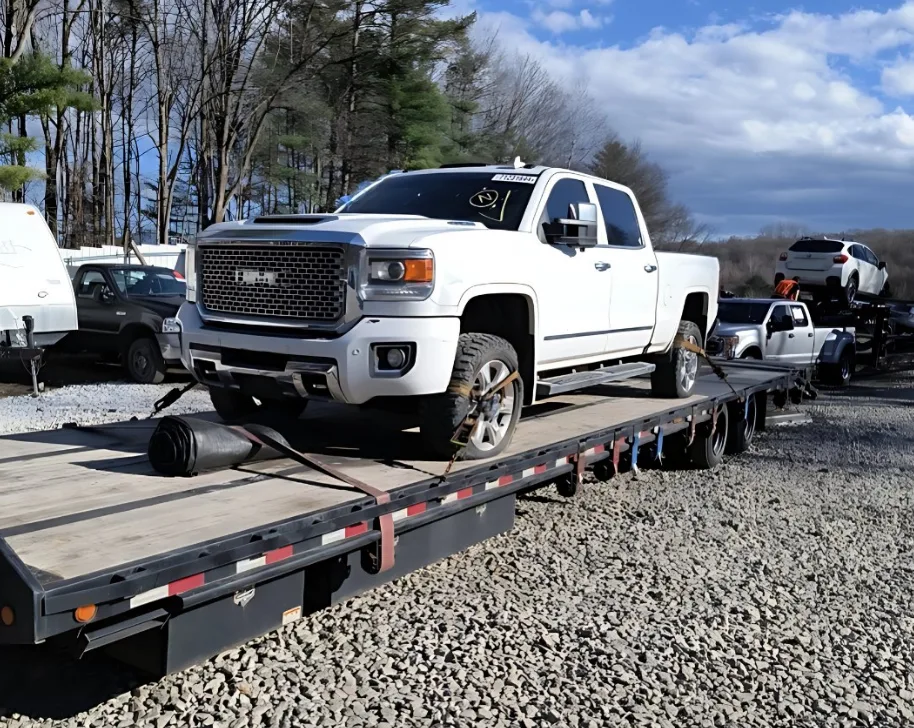
Open Carrier Transport Rates: What You'll Actually Pay
Expect to spend between $0.50 and $1.20 per mile on open carrier shipping. A 1,000-mile run like Phoenix to Dallas usually lands around $620 to $830, while coast-to-coast hauls from Los Angeles to New York sit in the $1,050 to $1,350 range. Larger vehicles like SUVs and full-size pickups tack on $75 to $175 because they eat up more deck space.
Breaking it down further: short hops under 500 miles cost $400 to $620, mid-range routes of 500 to 1,500 miles run $620 to $920, and cross-country loads over 1,500 miles fall between $920 and $1,350. Summer demand (June through August) and Snowbird Car Shipping peaks in January push rates up 15 to 25 percent, so booking in shoulder months saves real money.
One thing that sets us apart: we don't collect a fat deposit upfront the way most brokers do. You pay a small reservation fee to lock your spot, then settle the balance directly with the driver at delivery. No fuel surcharges tacked on after the fact, no "administrative fees" buried in the fine print. The number we quote is the number you pay.
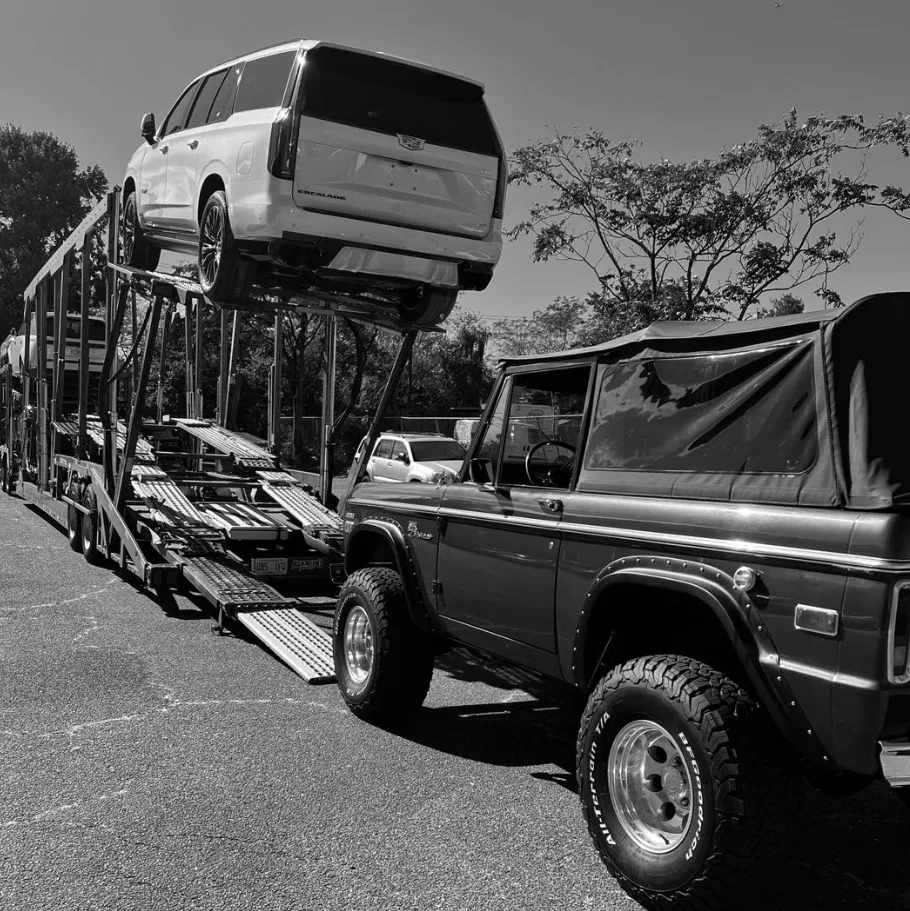
Realistic Delivery Windows for Open Carrier Shipping
Plan for 7 to 14 days from pickup confirmation to delivery on most open carrier routes. Carriers generally load your vehicle within 2 to 5 business days after you book. High-traffic lanes like Phoenix to Los Angeles wrap up in 4 to 6 days total, while long stretches from Tampa to Portland can take 11 to 14 days. Winter road closures in states like Wyoming or Montana can add 1 to 3 days.
Open haulers follow multi-stop routes, and that's actually a good thing for speed. A driver picking up in Houston might drop off in New Orleans, then grab another car in Mobile before rolling into Jacksonville. Because the trailer stays full, drivers keep moving instead of sitting in a lot waiting for a single load. Your car rides along an efficient chain instead of waiting for a dedicated trip.
Need it faster? Our expedited open carrier option locks in pickup within 24 to 48 hours for an additional $175 to $350. It's popular with College Student Car Shipping customers scrambling before move-in day and corporate transferees who just got the call from HR last Friday.
Is Open Carrier the Right Call for Your Vehicle?
If your car is worth under $80,000 and you drive it in everyday weather, open carrier is almost certainly the best choice. We ship Chevy Equinoxes, Toyota RAV4s, Ram 1500s, and Honda Accords week after week with zero issues. Think of it this way: the vehicle sits on a trailer that's exposed to the same sun, wind, and rain it already deals with in your driveway.
First-time shippers moving for a new job love open carrier because it keeps costs low during an already expensive transition. Students heading back to campus save hundreds compared to enclosed options. And auto dealers? They ship roughly 85% of their inventory on open haulers because the math just works better when you're moving volume.
Open carrier isn't ideal for every situation, though. Concours-level classics valued above $60,000, low-slung exotics like Lamborghinis, and custom show builds are better off on Classic Car Shipping enclosed trailers. Same goes for vehicles with less than 4 inches of ground clearance, because loading ramp angles can cause scraping.
How Your Car Stays Protected on an Open Hauler
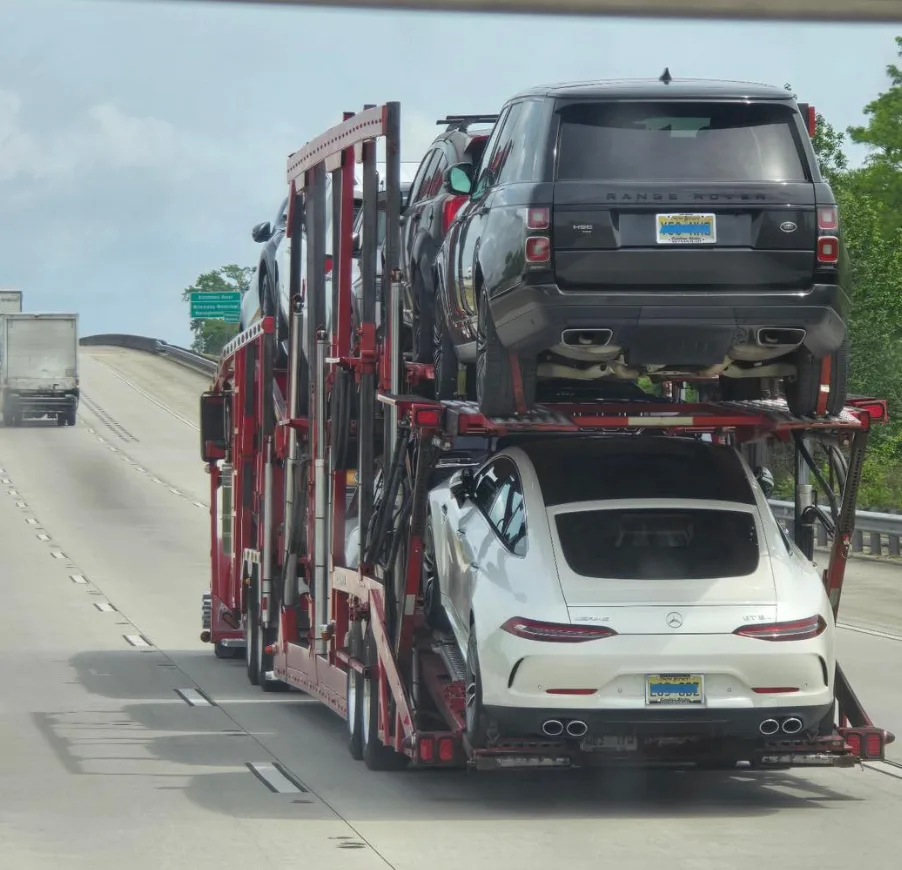
Every carrier in the National Auto Transport network holds a minimum of $250,000 in cargo insurance per load. Before we assign a single vehicle, we pull the hauler's FMCSA safety score, confirm active insurance certificates, and check their inspection history. Our damage claim rate sits at 0.35%, which means roughly 3.5 incidents for every 1,000 vehicles we move.
What most people don't realize is that carrier cargo policies cover weather events like hail, falling debris, and even road hazards picked up by other traffic. Your car is statistically safer strapped to a professional hauler than it would be if you drove the same route yourself. Every driver in our network holds a valid CDL and goes through DOT-regulated hours-of-service limits, so fatigue-related accidents are extremely rare.
We also stand behind our delivery windows. If weather or a mechanical breakdown pushes your drop-off past the date range we committed to, we refund our coordination fee. No forms to fill out, no arguing with a claims department. That's the kind of accountability we've built into our operations over seven years and 47,000+ successful shipments.
How It Works
Request a Quote
Call (602) 860-6894 or submit the online form. We'll scan 900+ carrier schedules and text you an accurate price within 30 minutes, custom-fit to your route and pickup date.
Lock In Your Spot
A small reservation fee holds your place on the trailer. We match your vehicle with the best available hauler and send you the driver's name and phone number 24 hours before pickup.
Pickup Day
The driver walks around your car, notes any existing dings or scratches on a condition report, then straps it onto the carrier. The whole thing takes about 20 minutes, and you get a copy of the report on the spot.
Drop-Off and Final Payment
Your driver calls 2 to 4 hours ahead so you can meet the truck. Walk around the car, compare it to the pickup report, sign off on delivery, and pay the carrier directly. We check in the next day to make sure everything went smoothly.
Open Carrier vs. Enclosed: Quick Comparison
| Feature | Open Carrier | Enclosed Transport |
|---|---|---|
| Typical Price Range | $400 - $1,350 | $900 - $2,200 |
| Transit Window | 7 - 14 days | 10 - 21 days |
| Fleet Availability | Very high (roughly 90% of all haulers) | Limited (about 10% of haulers) |
| Element Exposure | Same as driving or parking outdoors | Fully covered trailer |
| Residential Delivery Rate | 93% of shipments | 65% of shipments |
| Ideal Vehicle Value | Under $80K (daily drivers) | $60K+ (exotics, classics, show cars) |
| Cargo Insurance | $250,000 per load | $250,000 per load |
Booking 10 to 14 days out gives you the widest carrier selection and the best prices. If you can avoid June through August, you'll dodge the peak-season markup that hits when college students and military families all move at once. Another trick: carriers heading south from snowbelt states in winter are hungry for loads, so northbound-to-southbound routes get discounted rates from November through February.
Frequently Asked Questions
Answers to common questions about National Auto Transport services.