Enclosed Car Transport - Full-Cover Shipping for High-Value Vehicles
When your car is worth protecting from every raindrop, rock chip, and prying eye on the highway, enclosed transport is the only option that makes sense. National Auto Transport has completed over 8,500 enclosed shipments since 2018, moving everything from barn-find Corvettes to brand-new Porsches inside hard-sided and soft-sided covered trailers.
Ship Your Car Today
Get a quote or talk to our team right now

What Happens Inside an Enclosed Auto Trailer?
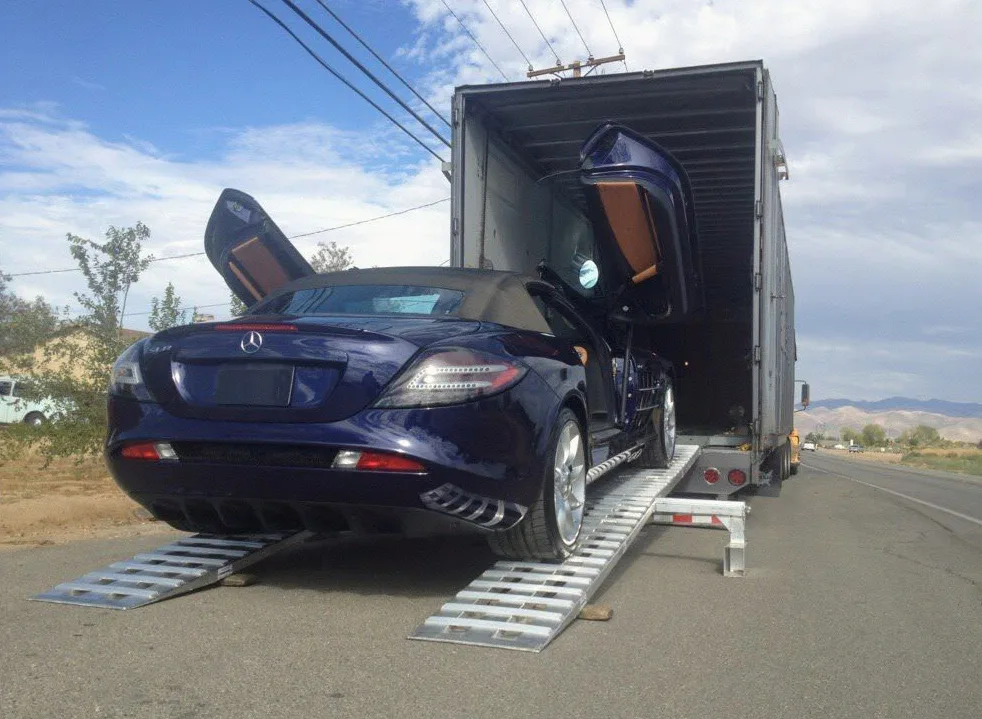
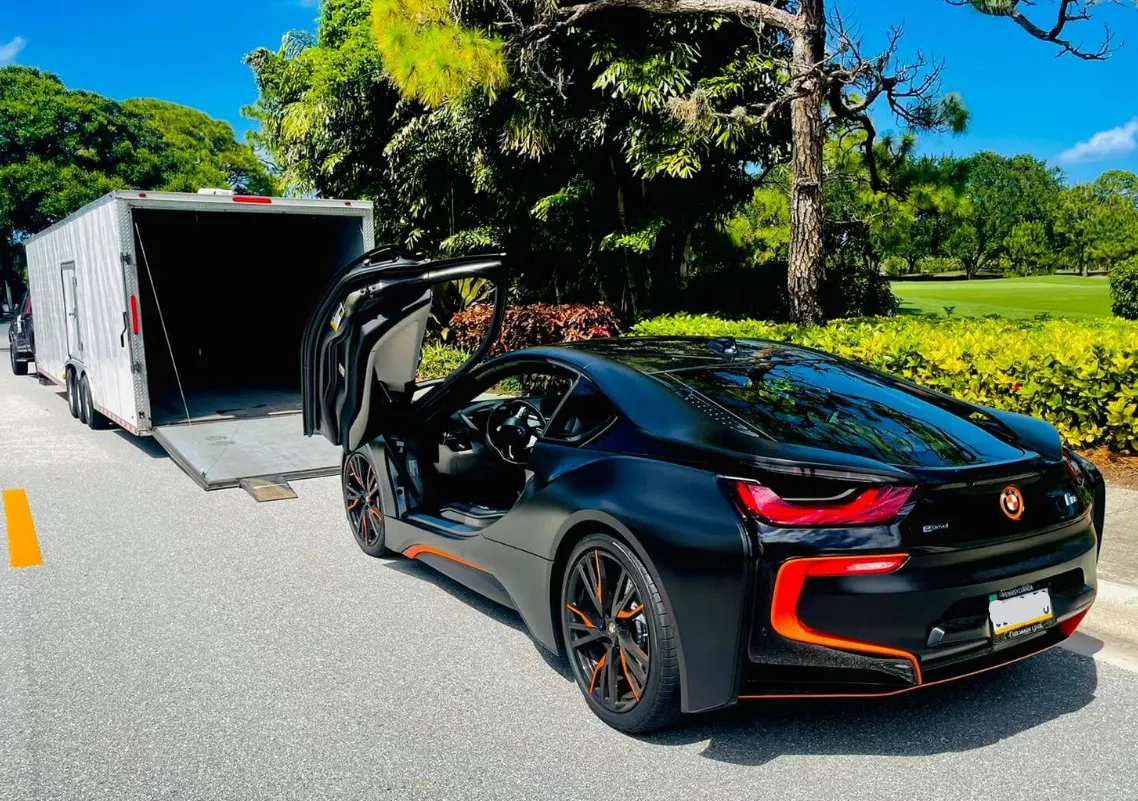
Your vehicle rides inside a fully walled trailer that blocks rain, hail, road salt, gravel spray, and UV exposure for the entire trip. Nothing touches the paint except the padded contact points where soft wheel straps hold the car in place. It's the closest thing to shipping your car in a climate-controlled garage on wheels.
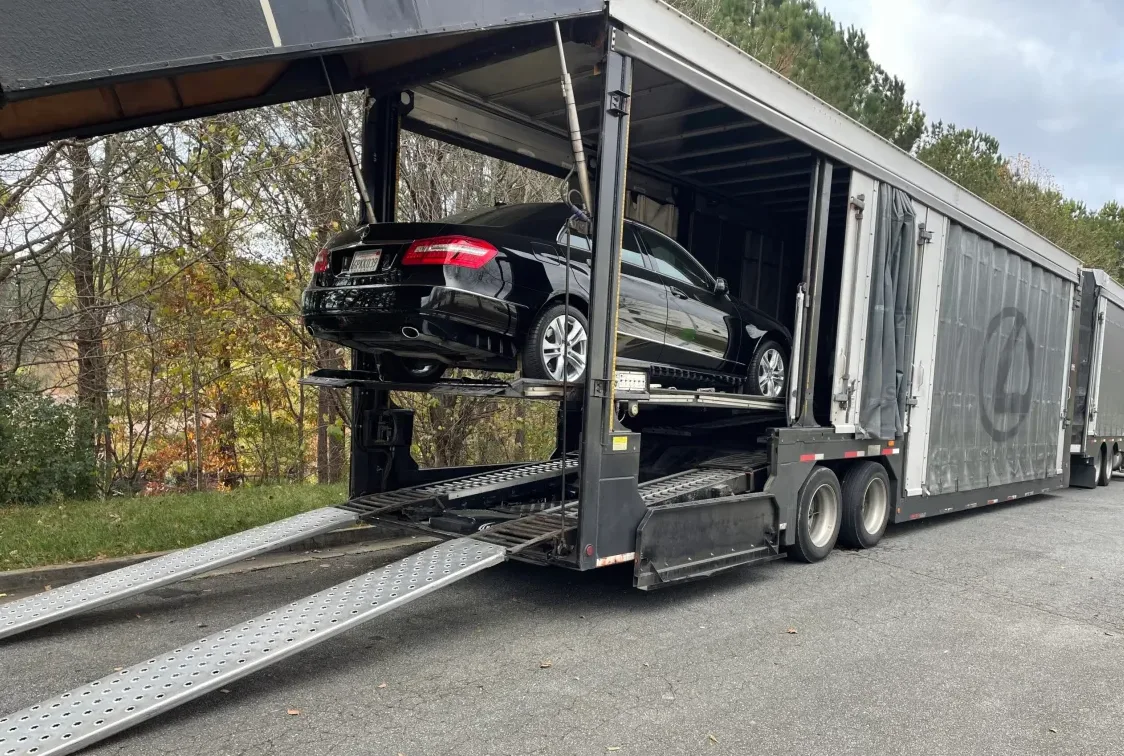
We work with two trailer types. Hard-sided rigs are built from riveted aluminum panels with temperature regulation, making them the top pick for vehicles worth $80,000 or more. Soft-sided trailers use heavy-duty reinforced vinyl covers. They cost roughly 15% less than hard-sided while still keeping out every drop of water and particle of dust.
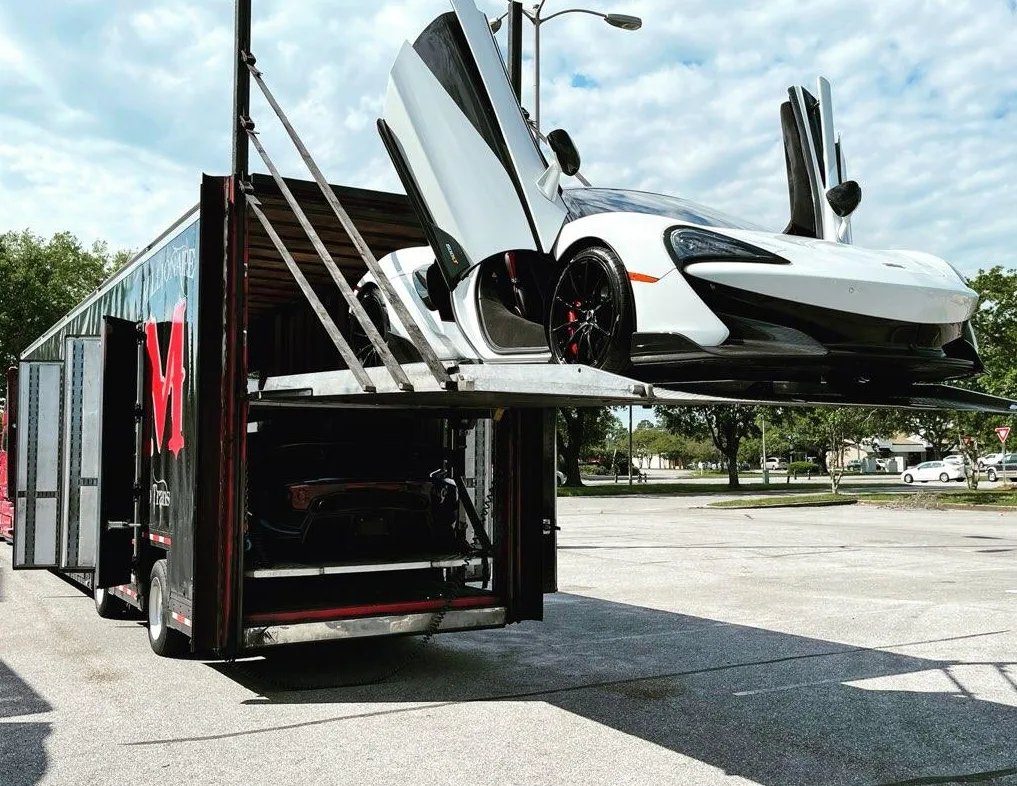
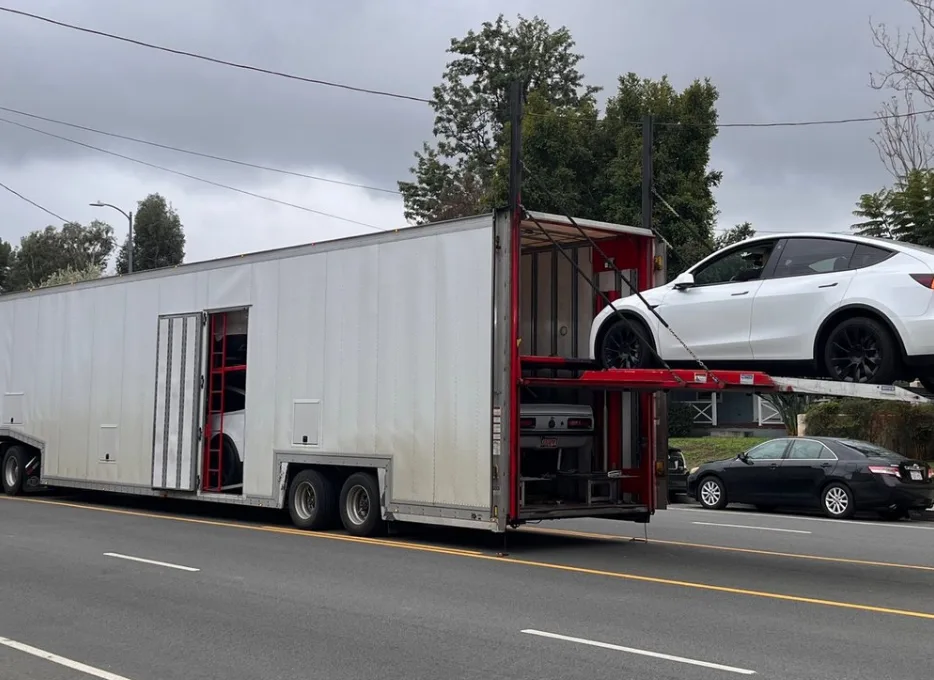
Because enclosed trailers only hold 2 to 6 vehicles instead of the 7 to 10 you'd see on an open hauler, loading is more deliberate. Drivers position each car individually, apply padded wheel nets and cloth tie-down straps, and double-check that nothing metal can swing into a fender or bumper during transit.
When Does Enclosed Shipping Actually Make Sense?
If you're moving a daily-driver Camry, open carrier is the right call. But the moment a vehicle crosses the $60,000 mark, carries sentimental value you can't replace, or needs to arrive show-ready, the math shifts. Enclosed transport is the difference between "it'll probably be fine" and "I know it'll be fine."
Weather damage alone can dwarf the price difference. One of our customers shipping a 1967 Shelby GT500 from Scottsdale to Charlotte would have been caught in a spring hailstorm near Amarillo. Because the car was inside a hard-sided trailer, it arrived without a mark. Road tar, bug acid, bird droppings, and UV fading are all non-issues with our enclosed or Terminal-to-Terminal Shipping options.
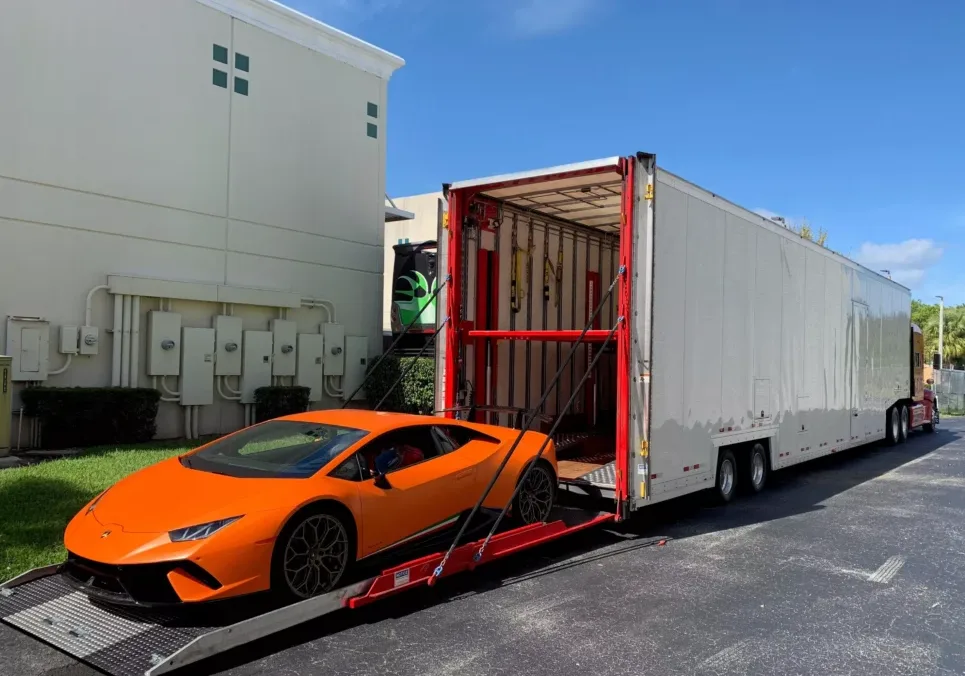
There's a security angle too. A Lamborghini Huracan sitting on an open trailer is a billboard for trouble. Enclosed transport hides your vehicle from the moment it rolls onto the ramp. We've moved auction purchases, private-sale exotics, and high-profile collections without a single theft or vandalism incident since we started offering enclosed service.
Enclosed Transport Pricing: What to Budget
Expect to pay $1,100 to $2,900 for enclosed auto transport on most routes, which works out to roughly 40 to 60 percent more than open carrier rates. The final number depends on distance, trailer type (hard-sided vs. soft-sided), vehicle size, and how far ahead you book.
Short hauls under 500 miles typically run $1,100 to $1,750. Cross-country moves like Phoenix to Miami or auto transport in Miami land between $2,100 and $2,900. If you need expedited enclosed pickup within 48 hours, add $275 to $550 on top of the base quote.
Here's how to think about it: enclosed carriers burn the same fuel and pay the same tolls as open rigs, but they split that cost across 2 to 6 cars instead of 7 to 10. The price gap covers that smaller load. When you're protecting a car that cost six figures, paying an extra $700 to $1,100 for a covered trailer is cheaper than a single panel respray.
How Long Does Enclosed Car Shipping Take?
Plan for 8 to 16 days from booking to drop-off, which is roughly 2 to 4 days longer than open carrier timelines. The extra time isn't about distance; it's about trailer supply. Enclosed rigs make up only about 10% of the carrier fleet, so scheduling takes a bit more lead time.
For the best experience, book 2 to 3 weeks before your preferred pickup date. During peak demand periods like summer relocation season and fall auction months, stretch that to 3 to 4 weeks. Waiting until the last minute usually means paying a rush premium or pushing your pickup back a week.
Once you lock in a date, here's the typical flow: we assign a carrier within 24 to 48 hours, the driver calls you 1 to 3 days before arrival to confirm a 2-day pickup window, and you'll get daily location updates after loading. We don't give you a vague "sometime this week" window like a lot of brokers do. You'll know the actual day range upfront.
Who Actually Needs Enclosed Shipping?
Our rule of thumb is simple: if the vehicle's market or sentimental value makes you nervous about it sitting in a rain storm, put it in a covered trailer. Financially, that usually means anything worth $60,000 or more, but a $30,000 classic with memories attached deserves the same care.
Common enclosed customers include owners of European luxury sedans (Mercedes S-Class, BMW 7-Series, Audi A8), American muscle and sports cars (C8 Corvettes, Shelby GT500s, Dodge Vipers), pre-war antiques, low-slung exotics, and freshly painted custom builds. Snowbird Car Shipping clients moving a prized convertible between Phoenix and Michigan for the season also lean toward enclosed trailers.
Auction buyers and sellers make up a big share of our enclosed bookings. If you just won a lot at Barrett-Jackson or Mecum, the last thing you want is road grime dulling that finish before you park it in your garage. We handle a steady stream of Auction Vehicle Shipping where the car needs to arrive exactly the way it looked under the lights.
Insurance and Safety: What Covers Your Car
Every enclosed carrier in our network holds at least $250,000 in cargo insurance per load, well above the $100,000 federal minimum. This is the carrier's own commercial policy, not a supplemental add-on from us. It covers collision, theft, fire, and weather events from the second your vehicle rolls onto the ramp until it rolls off at delivery.
Before loading, the driver photographs every panel, wheel, and trim piece and logs pre-existing conditions on a written bill of lading. At delivery, you compare those photos side by side. Our carriers only use padded wheel nets and cloth tie-downs, and the driver keeps your keys on their person at all times. No dock workers, no temps, no handoffs.
We also back up the carrier's coverage with our own guarantee: if damage happens and the claim isn't settled within 30 days, we cover your out-of-pocket deductible up to $1,000. We've used that guarantee twice in seven years, which tells you how rare issues are on enclosed loads when the driver follows proper securing procedures.
How Enclosed Shipping Works
Get a Tailored Quote
Call (602) 860-6894 or fill out our form with your vehicle details, route, and preferred dates. We'll match you with available enclosed carriers and send pricing within an hour.
Confirm and Schedule
Approve the quote and we assign a covered trailer within 24 to 48 hours. You'll get the carrier's name, phone number, and insurance certificate before pickup day.
Documented Pickup
The driver inspects and photographs every inch of your vehicle, records it all on the bill of lading, then secures the car inside the trailer with padded straps. You get a copy of the condition report on the spot.
Inspected Delivery
The driver calls ahead to set a time, opens the trailer at your location, and walks you through a side-by-side comparison with the pickup photos. Sign off and pay the carrier. We follow up the next business day.
Open Carrier vs. Enclosed Trailer at a Glance
| Feature | Open Carrier | Enclosed Carrier |
|---|---|---|
| Element Exposure | Same as driving outdoors | Fully sealed from all elements |
| Price Range | $400 - $1,350 | $1,100 - $2,900 |
| Cars Per Trailer | 7 - 10 | 2 - 6 |
| Fleet Supply | About 90% of all haulers | About 10% of all haulers |
| Transit Window | 7 - 14 days | 8 - 16 days |
| Visual Privacy | Vehicle visible on trailer | Vehicle hidden from view |
| Ideal Vehicle Value | Under $80K (daily drivers) | $60K+ (exotics, classics, show cars) |
Most enclosed trailers need the car to drive on under its own power because their ramps aren't built for winching. If your classic doesn't start, ask us to match you with a carrier that has a hydraulic lift gate. It raises the vehicle onto the deck without the engine running and costs about $150 to $250 extra. We coordinate these specialty loads regularly.
Frequently Asked Questions
Answers to common questions about National Auto Transport services.