Inoperable Vehicle Transport - Winch Loading for Non-Running Cars
Dead engine, seized transmission, blown head gasket, accident damage. It doesn't matter why your car won't run. National Auto Transport ships non-running vehicles using carriers with electric winches rated for up to 10,000 pounds. We've moved 8,900+ inoperable vehicles since 2018 with $250K insurance on every load and zero total loss claims.
Ship Your Car Today
Get a quote or talk to our team right now

How Non-Running Vehicle Shipping Actually Works
The driver backs the trailer into position, attaches an electric winch cable to your car's tow hooks or frame points, and pulls the vehicle onto the carrier. No engine needed, no steering needed, no brakes needed. The winch does all the work. Loading takes about 30-45 minutes instead of the usual 15-20 for a running car, and the surcharge is only $150-$400 depending on the route.
Here's the thing most people don't realize: fewer than half of auto transport carriers have proper winch equipment. We match you specifically with carriers who own electric winches rated for 10,000+ pounds and who've done this hundreds of times. Other brokers will book the job, then scramble to find a truck. We know which rigs have the gear before we quote you.
We need accurate info from you upfront: Does the car start? Can it roll in neutral? Do the brakes release? Can you turn the steering wheel? Your answers determine which carrier we dispatch and what loading method they'll use. College Student Car Shipping deals with dead-battery cars all the time, and the process is the same.
Why National Auto Transport Handles Non-Running Cars Better
We've shipped 8,900+ inoperable vehicles since 2018 and we know which carriers in every region own the right winch equipment for your car. Other brokers book first and figure out logistics later. We match you with a certified carrier before we confirm your quote. That's why our pickup rate on inoperable jobs is over 95% on the first attempt.
Insurance matters more on non-running loads because the winch attachment process carries slightly more risk than standard drive-on loading. Our carriers maintain $250,000 in cargo coverage, and the winch surcharge is built into your quote from the start. No surprise fees when the driver shows up and suddenly needs "extra for the winch."
We're also honest about what we can and can't move. If the frame is compromised and the car isn't safe to winch, we'll tell you. If the vehicle needs a flatbed instead of a multi-car hauler, we'll arrange it. Electric Vehicle Shipping for dead Teslas and EVs follows the same approach: match the right equipment to the specific problem.
Inoperable Vehicle Shipping Costs Explained
You'll pay $150-$400 more than standard transport. Total cost for most inoperable shipments falls between $600-$1,700 depending on distance and vehicle size. Short hauls under 500 miles add $150-$200 for the winch work. Cross-country runs add $300-$400. The surcharge covers the extra equipment time, not some hidden markup.
Per-mile pricing for open carrier inoperable transport runs $0.60-$1.15, compared to $0.45-$0.85 for running vehicles. Enclosed inoperable transport costs $1.35-$2.00 per mile. A non-running sedan from Phoenix to Chicago (about 1,450 miles) typically costs $1,050-$1,500 on an open carrier.
Here's something interesting: some carriers actually prefer non-running loads because the car physically can't roll once it's chocked and strapped. A seized transmission means zero chance of the car popping out of park at highway speed. But most drivers still charge extra because the loading process takes twice as long and requires specialized gear they have to maintain.
How Long Does Inoperable Vehicle Shipping Take?
Expect 2-7 business days from booking to pickup, which is 1-3 days longer than standard car shipping. The delay isn't the transit; it's finding a carrier with the right winch setup heading your direction. Once your car is loaded, transit time is the same as any other shipment. The car doesn't know it's broken while it's strapped to a trailer doing 65 on the interstate.
Loading day takes about 45 minutes. The driver positions the truck, runs the winch cable to your car's tow points, pulls the vehicle onto the trailer, and secures it with chains and straps. Expect photos before, during, and after loading so the condition is documented at every step.
Delivery is straightforward. The driver winches the car off, you inspect for new damage, compare to the pickup photos, and sign the paperwork. A lot of customers have a local tow truck meet the carrier so the non-running car can go straight to the shop. That's especially common for auto transport in Austin and other cities where residential streets are tight for big rigs.
Common Situations Where Inoperable Transport Makes Sense
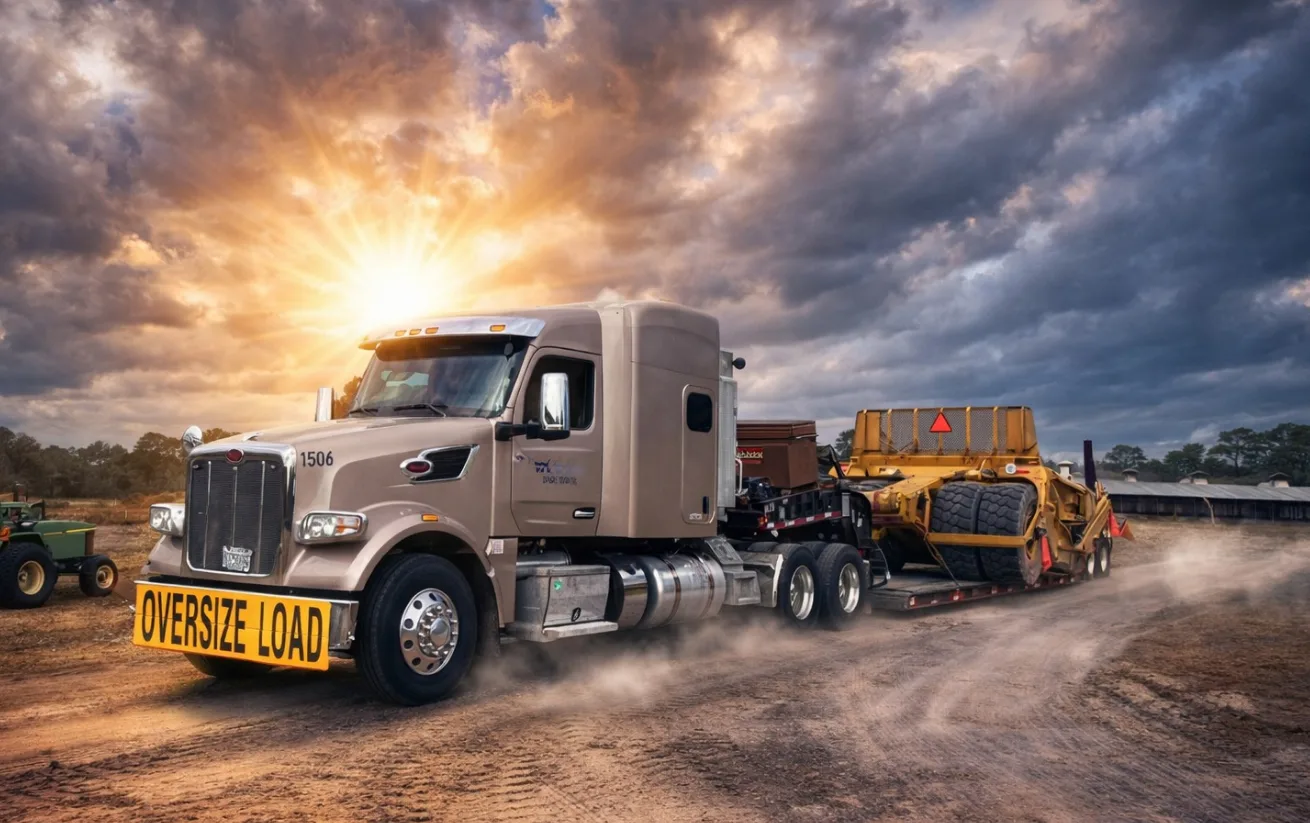
Blown engine, dead transmission, accident damage, or a car that's been sitting in a field for 5 years. If it won't start, won't shift into neutral, or won't steer, it qualifies as inoperable and needs winch loading. We ship all of it: project cars, insurance totals, flood-damaged vehicles, and cars with mechanical failures too expensive to fix locally.
Barn finds and restoration projects make up about 30% of our inoperable volume. Someone buys a '70 Chevelle on Bring a Trailer, and now it needs to get from a barn in Tennessee to a shop in Phoenix. Insurance companies send us totaled cars heading from accident scenes to salvage yards. Estate vehicles that haven't been started in years need to get moved after a family member passes.
College students are another common customer. The car sat in a campus lot all winter, the battery died, and now it won't turn over. Paying $800 for roadside diagnostics in a college town doesn't make sense when you can ship it home and have your own mechanic look at it for half the price.
Insurance and Safety Protocols for Non-Running Loads
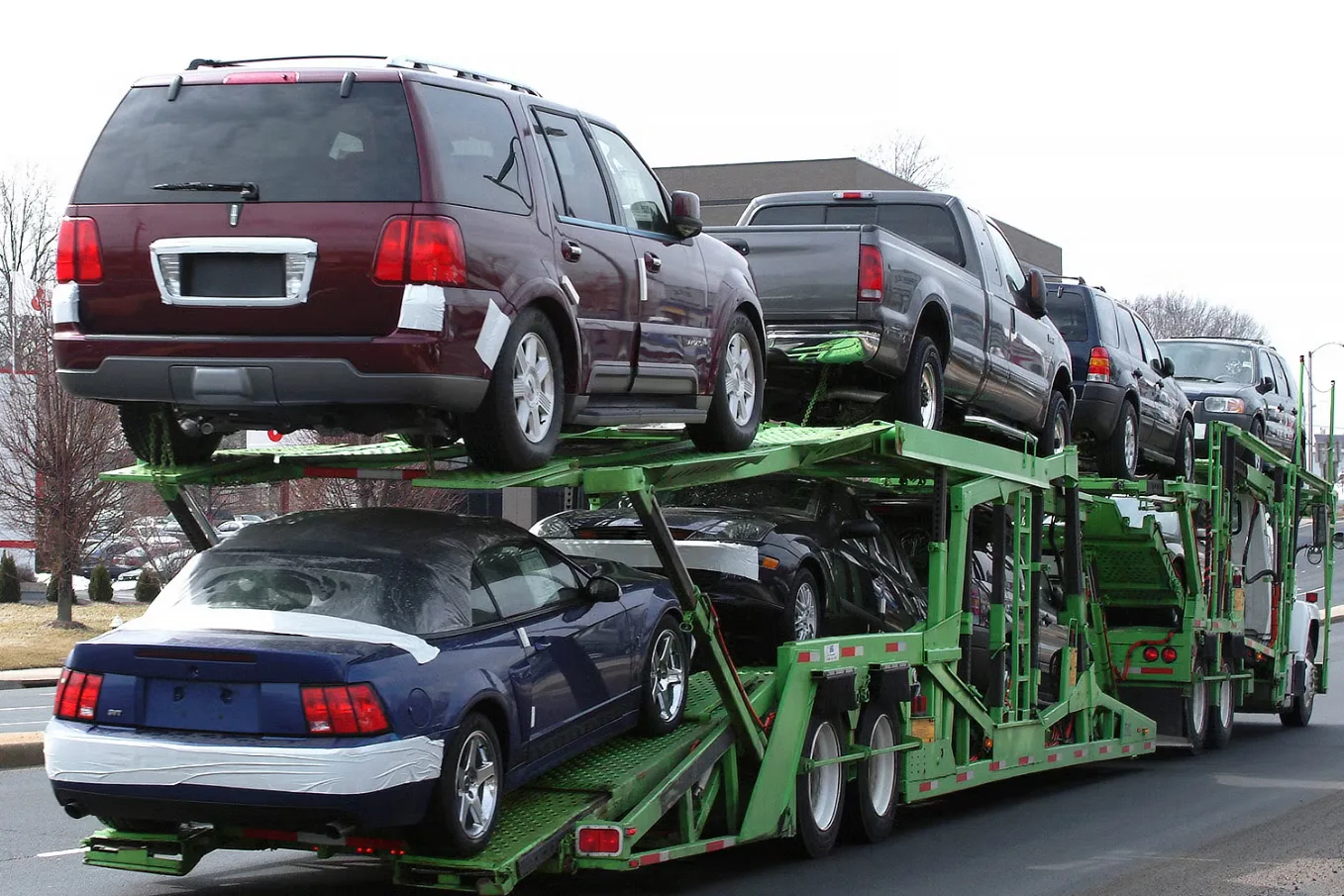
Every inoperable shipment carries $250,000 in cargo insurance covering damage during winch attachment, loading, transit, and unloading. This matters more for non-running vehicles because the winch cable has to attach to frame points or tow hooks, and there's more contact with the undercarriage during the pull. Our coverage handles it all.
Our carriers use protective padding wherever cables or straps contact the vehicle and maintain constant tension control during the winch pull. Professional drivers attach to factory tow points, not random suspension pieces or bumper brackets. They know the difference between a proper frame attachment and one that'll rip off under load.
Here's the upside most people don't consider: once a non-running car is winched into place and chained down, it's actually more secure than a running vehicle during transit. It physically can't roll. No transmission slipping out of park, no parking brake releasing, no surprises at highway speed. We've never had an inoperable vehicle shift on a trailer.
How Inoperable Vehicle Shipping Works
Tell Us the Situation
Call (602) 860-6894 or fill out the form. We'll ask what's wrong with the car: does it start, shift, steer, or brake? Your answers tell us exactly which carrier and equipment to send.
We Find the Right Carrier
We match your job to a carrier with electric winch gear and experience loading non-running vehicles. You get a confirmed carrier name, pickup window, and firm price before anything moves.
Winch Loading at Pickup
The driver positions the truck, attaches the winch cable to proper tow points, pulls the car onto the trailer, and secures it with chains and straps. Whole process takes about 45 minutes.
Delivery and Sign-Off
At the destination, the driver winches your car off the trailer. You inspect for any new damage, compare to the pickup photos, and pay once you're satisfied. Cash, certified check, or money order.
Running vs. Non-Running Vehicle Shipping
| Category | Running Vehicle | Inoperable Vehicle |
|---|---|---|
| Loading Time | 15-20 minutes | 30-45 minutes |
| Equipment | Drive-on ramps | Electric winch + cables |
| Available Carriers | Most carriers qualify | Winch-equipped only |
| Extra Cost | None | $150-$400 surcharge |
| Pickup Wait | 1-5 business days | 2-7 business days |
| Loading Risk | Standard | Slightly higher (winch contact) |
| Stability on Trailer | Can shift if park fails | Locked in place, can't move |
Have the keys ready even if the car doesn't start. The driver may need them to turn the steering wheel or release the shifter. If you can get the car into neutral manually, do it. If the steering wheel is locked, try turning the key to accessory to unlock it. Clear a path around the vehicle so the truck can position the trailer straight behind the car. These small steps save 15-20 minutes at pickup.
Inoperable Vehicle Transport FAQs
Common questions about shipping cars that won't start, steer, or roll.