What Does Car Shipping Actually Cost in 2026?
We've been hauling cars across the country since 2018, and our team in Phoenix has handled 47,000+ transports. Rates shifted again this year, so we pulled together the real numbers from our recent shipments. No fluff, just what people are paying right now.
Ship Your Car Today
Get a quote or talk to our team right now

What's the Going Rate for Car Shipping in 2026?
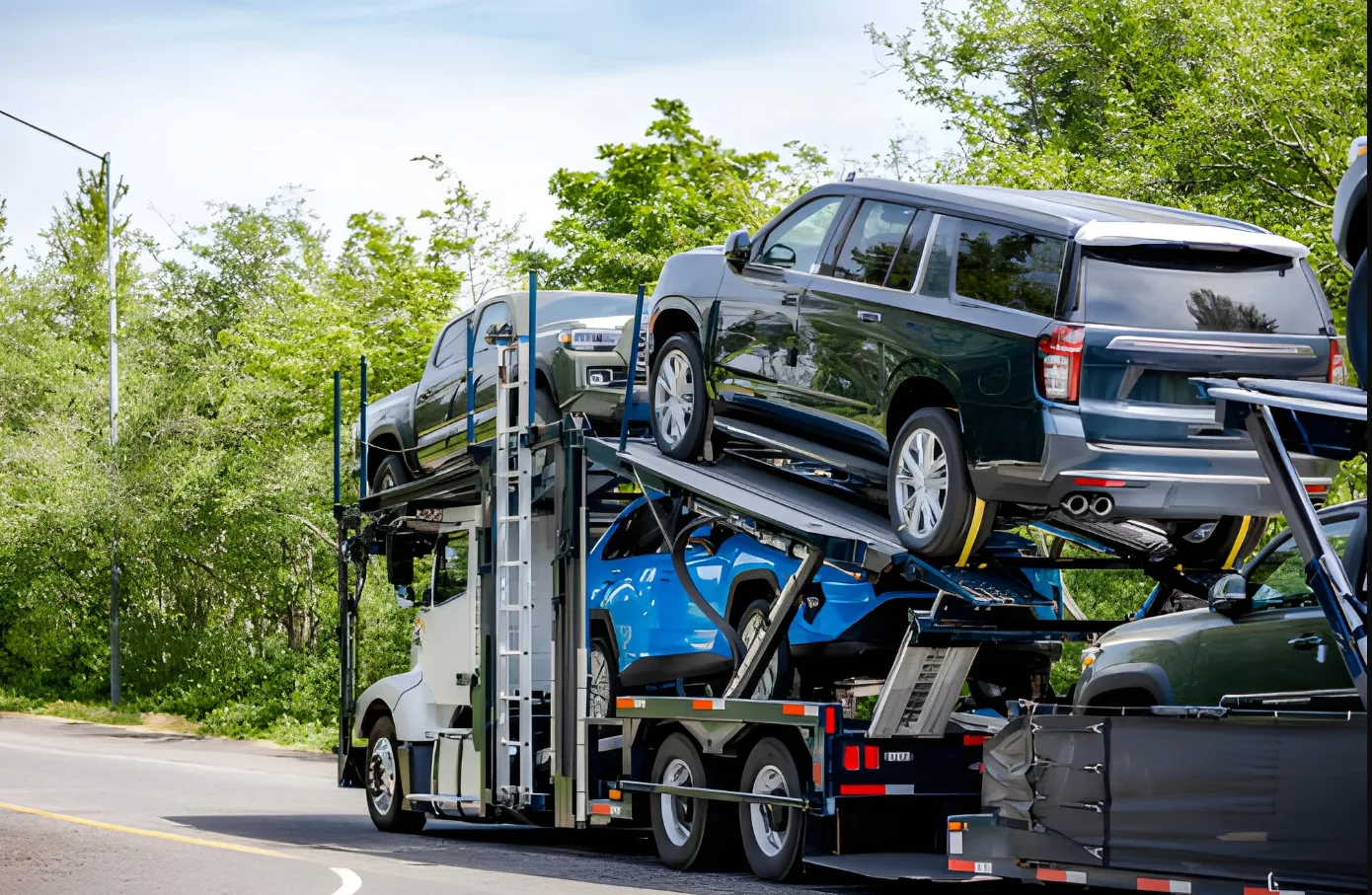
Right now, you're looking at $450 to $2,600 depending on where you're going and what you're shipping. The average customer we work with pays around $1,100 for a standard sedan on an open carrier going about 1,000 miles. Compact cars on shorter runs can come in under $500, while oversized trucks heading coast to coast push past $2,200 pretty easily.
One thing that surprises people is how much pricing swings week to week. We quoted a customer $1,050 for Phoenix to Nashville in September, and the same trip hit $1,440 by mid-June. Carrier demand is the biggest factor nobody thinks about when they start shopping.
If you've been plugging your info into those free online quote tools, take those numbers with a big grain of salt. They're usually based on old averages and don't account for what carriers are actually charging today. That's why we give phone quotes at (602) 860-6894 based on live market data.
Why Distance Changes Your Per-Mile Car Shipping Cost
Here's something most people don't realize: the further you ship, the cheaper it gets per mile. That sounds backwards, but it makes sense when you think about it. Carriers still have to fuel up, load the truck, and pay the driver whether they're going 300 miles or 3,000. Those fixed costs get spread thinner on longer routes.
We break it down like this. Under 500 miles, expect $1.40 to $2.10 per mile. Between 500 and 1,500 miles, that drops to $0.75 to $1.30 per mile. Once you're over 1,500 miles, you're usually paying $0.55 to $0.95 per mile. Big difference.
A real example from last month: we moved a Camry from Phoenix to Albuquerque (420 miles) for $580. That's $1.38 per mile. The same week, we shipped a similar sedan from Phoenix to Atlanta (1,800 miles) for $1,280, which works out to just $0.71 per mile. Longer trips are a way better deal on a per-mile basis.
Open Carrier vs Enclosed Shipping: Price Gap Explained
About 85% of our customers go with open carrier transport, and the reason is simple: it's significantly cheaper. On a typical 1,500-mile route, open runs about $1,100 while enclosed hits $1,900 to $2,250. That's a 45-65% markup for the enclosed option.
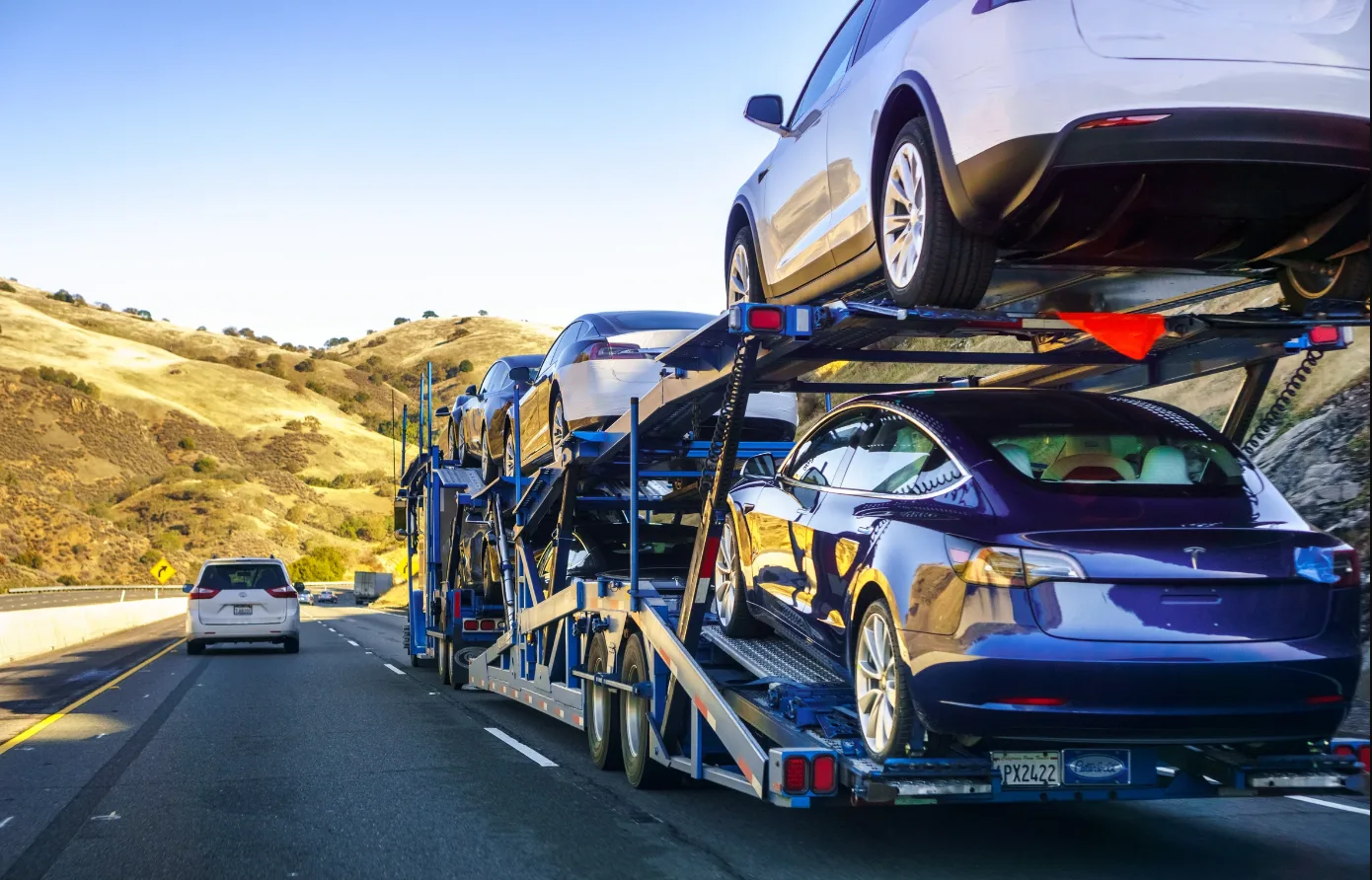
Open carriers stack 7 to 10 cars on a single trailer, so the driver splits fuel and labor across all those vehicles. Your car rides in the open air, but honestly, damage from road conditions is rare. We've moved thousands of everyday sedans and SUVs this way without issues. Inoperable Vehicle Transport runs on both trailer types, though non-running cars need winch loading either way.
Enclosed is the right call for anything you'd be sick about if it got a rock chip. We recently shipped a 1969 Mustang Boss 302 from Scottsdale to Chicago enclosed for $2,540. Open on that route would've been about $1,350. But when a car is worth $120,000 and climbing, that extra $1,200 is cheap insurance.
How Time of Year Changes What You'll Pay for Auto Transport
If you can pick when to ship, that alone can save you hundreds. Peak season runs May through August, and during those months rates jump 20-30% above the rest of the year. Military families doing PCS moves, college students heading to school, and snowbirds returning north all compete for the same carrier spots.
The cheapest window? January and February, hands down. Demand drops off a cliff after the holidays, and carriers will take lower-paying loads just to keep their trucks moving. We moved a Toyota RAV4 from Salt Lake City to Orlando in early February for $940. That exact same run in late June cost another customer $1,370. Same car type, same route, $430 difference.
If you want good rates without winter weather headaches, book in late September or October. Demand is cooling off, most of the country still has decent driving conditions, and carriers are more willing to negotiate. We tell our customers all the time: a two-week schedule shift can knock $150 to $300 off your total.
Extra Fees That Can Sneak Into Your Car Shipping Bill
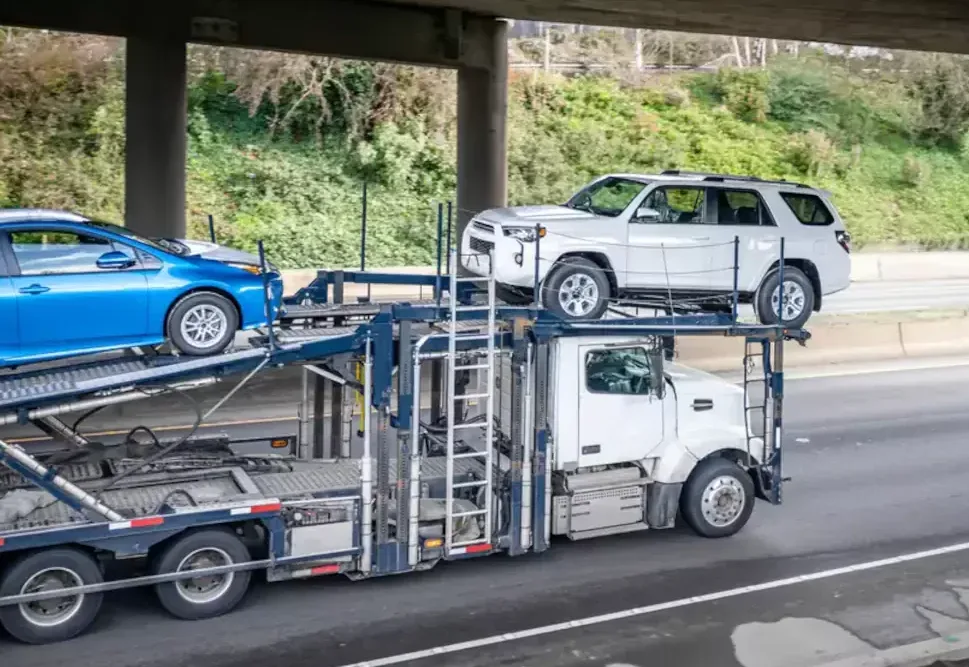
Your base quote usually covers standard open transport with door-to-door pickup, but there are add-ons that catch people off guard. Need your car picked up in the next 48 hours? Expedited service tacks on $250 to $550 depending on how far it's going. That's the premium for jumping the line.
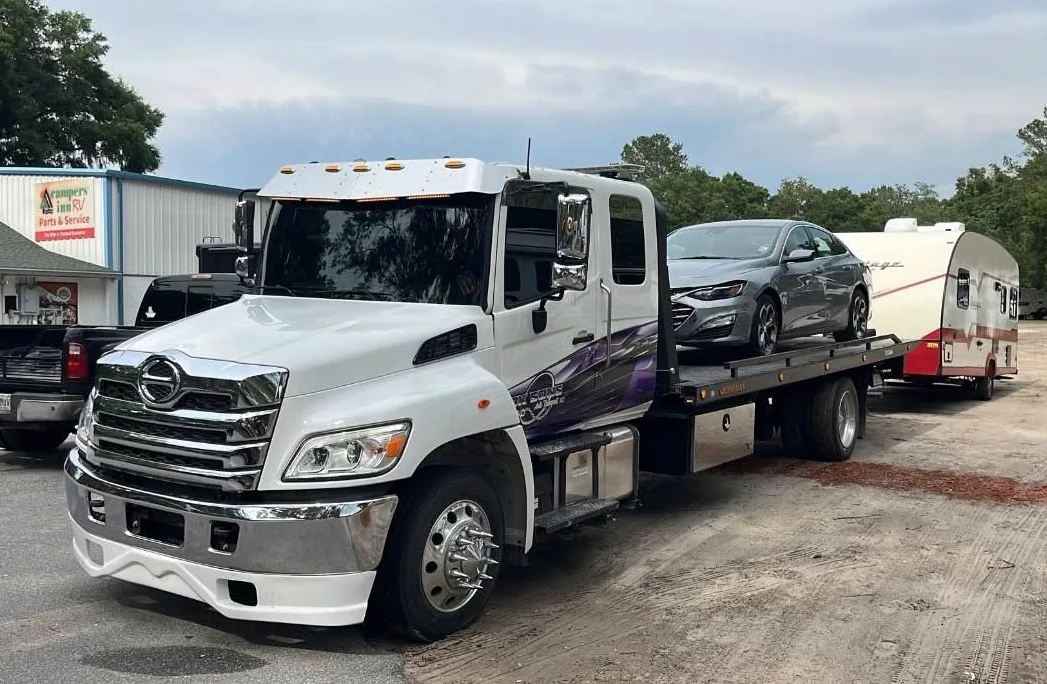
Cars that won't start, steer, or roll freely cost more because the driver needs a winch or forklift to load them. That surcharge runs $175 to $350 on most routes. Electric Vehicle Shipping can trigger this same fee when the battery is fully drained and the car can't be put into neutral.
One upgrade we actually recommend for nicer vehicles is top-load positioning on enclosed trailers. It costs an extra $125 to $225, but your car sits on the upper deck away from any fluid drips or road spray kicked up by tires below. Bumping your insurance from the standard $100,000 coverage to $250,000 or more adds another $75 to $175 depending on your vehicle's value.
How Your Vehicle's Size and Weight Change the Price
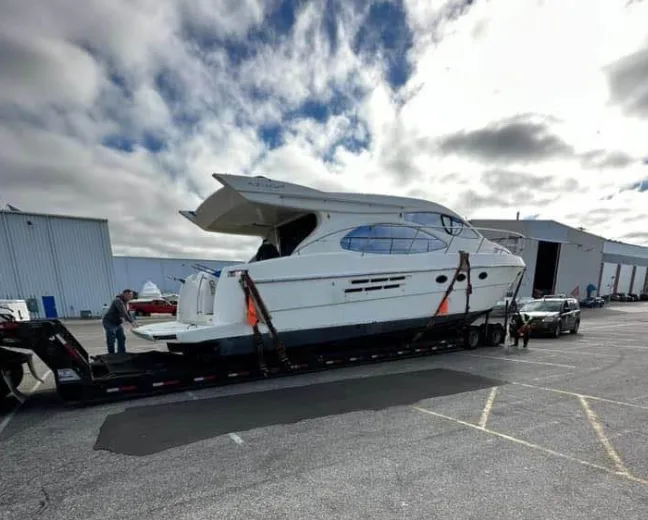
A Honda Civic doesn't cost the same to ship as a Chevy Suburban. Smaller, lighter cars fit more per trailer, so carriers charge less for them. Once you get into full-size pickups, large SUVs, and anything with aftermarket lift kits, expect to pay $150 to $450 more than a standard sedan on the same route.
Here's why: carriers can only haul 80,000 pounds total (that's a federal weight limit). A lifted Ram 3500 dually weighs close to 8,000 pounds and takes up nearly double the space of a compact car. The carrier loses a spot on the trailer, and you pay for that lost revenue. Vehicles over 6'8" tall or 20 feet long sometimes need special arrangements.
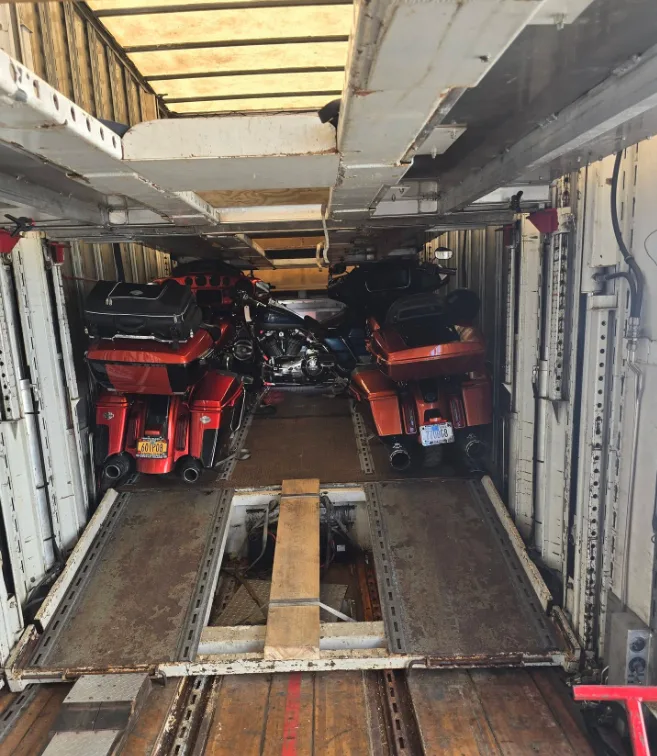
On the other end, motorcycles are a bargain to ship. Motorcycle Shipping typically costs $350 to $750 since you can fit 4 to 6 bikes in a single car slot. We also ship a lot of classic and collector vehicles, and those almost always go enclosed even if their market value doesn't technically require it. Once something is irreplaceable, the extra cost is worth the peace of mind.
Why Your Pickup and Drop-Off Locations Matter for Pricing
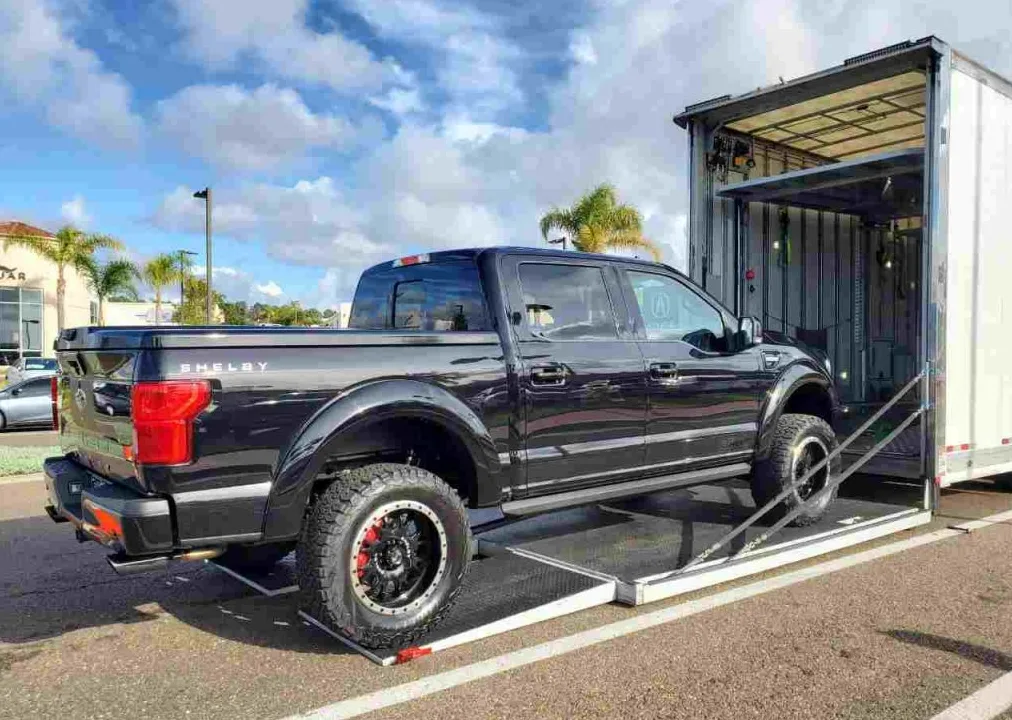
Shipping between two big cities on an interstate corridor is always the cheapest option. Carriers already run those routes daily, so there's no wasted miles or empty backhauls to worry about. But once you're asking a 75-foot car hauler to navigate down a gravel road in rural Wyoming, the price goes up. Rural and hard-to-reach pickups add $125 to $350 to most quotes.
A customer of ours last fall needed a Wrangler picked up from a small ranch town about 60 miles off I-90 in eastern Montana. The rural surcharge was $275 because the carrier had to deadhead (drive empty) to get there and back. If that same customer had met the driver at the truck stop in Billings, the trip would've been $225 less.
That brings up another option: terminal-to-terminal shipping. You drive your car to a designated lot or yard, and pick it up at another yard near your destination. It saves $75 to $175 versus door-to-door, but most of our customers prefer the convenience of having the truck show up at their house. Car shipping from Tulsa is a great example of a city where I-44 and I-35 access keeps door-to-door rates competitive.
How to Get a Car Shipping Quote You Can Actually Trust
The best way to get an accurate number is to call a real person. Automated quote tools don't know what carriers are charging today, and they definitely can't factor in a holiday weekend surge or a fuel price spike from last Tuesday. Call us at (602) 860-6894 and we'll give you a number based on what the market looks like right now.
When you do call, have your exact addresses ready. "Miami" is a big place, and a quote for Brickell is different from one for Homestead. Tell the truth about your vehicle's condition too. If it doesn't start, say so upfront. Finding that out on pickup day causes delays and price adjustments nobody wants to deal with.
We'd recommend getting quotes from 3 to 5 different companies, but don't automatically go with the lowest number. If someone is quoting you $400 below everyone else, they're either lowballing to win the job or they're not licensed. Always verify the company's USDOT number, check their Google reviews, and confirm their insurance limits. We've been USDOT licensed since 2018 and carry $250,000 per-vehicle cargo coverage because we believe that's the bare minimum a customer deserves.
2026 Auto Transport Rates: Open vs Enclosed by Mileage
| Mileage Range | Open Carrier | Enclosed Carrier | Example Route |
|---|---|---|---|
| Under 500 miles | $450-$850 | $700-$1,250 | Phoenix to Tucson or Las Vegas |
| 500-1,000 miles | $750-$1,150 | $1,050-$1,750 | Dallas to Nashville |
| 1,000-1,500 miles | $950-$1,450 | $1,350-$2,150 | Phoenix to Atlanta |
| 1,500-2,000 miles | $1,150-$1,750 | $1,700-$2,550 | Portland to Chicago |
| Over 2,000 miles | $1,350-$2,350 | $2,000-$3,400 | San Diego to Boston |
Schedule your shipment 10 to 21 days out and you'll typically pay 10-20% less than a rush order. Carriers love advance bookings because it helps them fill trailers and plan fuel stops. That planning discount adds up fast on longer routes.
Key Takeaways
Car Shipping Cost FAQs
Real answers from our team based on 47,000+ vehicle shipments since 2018.