Electric Vehicle Shipping - Safe EV Transport Across the U.S.
National Auto Transport has shipped over 3,400 electric vehicles from our Phoenix, AZ base since 2019. Teslas, Rivians, Lucids, Polestars, you name it. Our carriers know how to handle the extra weight, the battery safety protocols, and the low ground clearance that comes with most EVs.
Ship Your Car Today
Get a quote or talk to our team right now

How Electric Vehicle Shipping Works
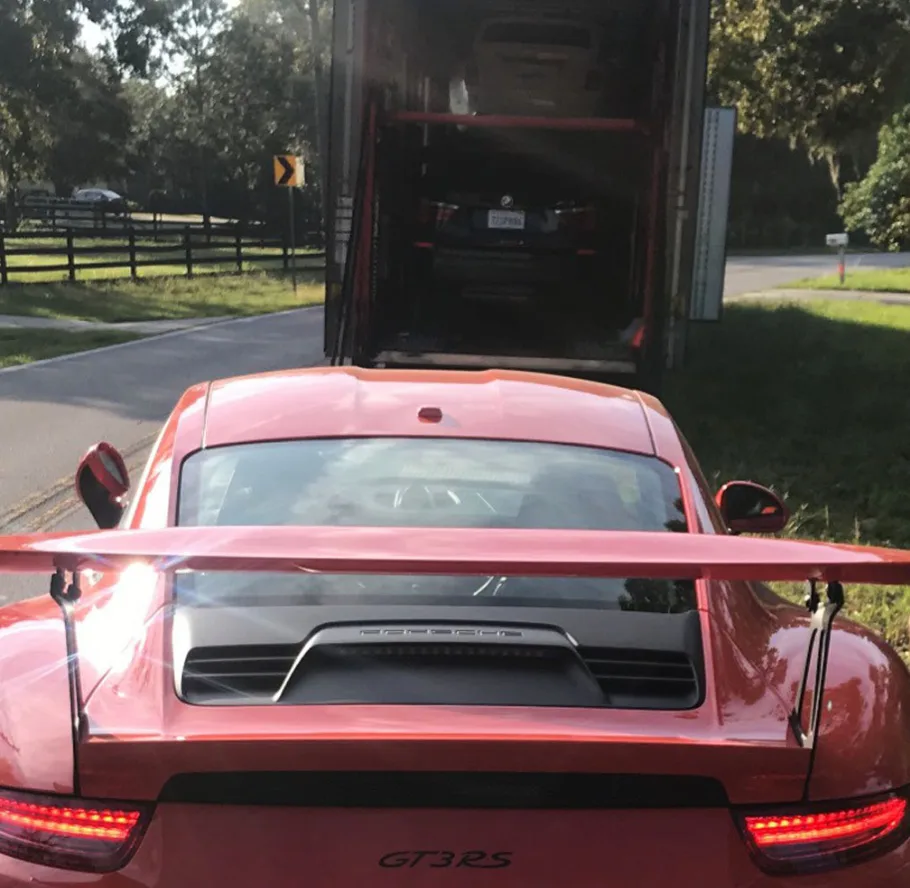
The process is similar to regular car shipping, but EVs have a few quirks. We use soft-tie straps that won't scrape charging ports or battery panels. The tie-downs are non-conductive. And we need your battery between 20-50% charge at pickup, which keeps the lithium-ion cells in their safest temperature range during transit.
Our long distance auto transport team handles everything from carrier assignment to delivery. You'll get GPS tracking updates so you always know where your Model Y or Rivian R1S is sitting. Cross-country routes typically take 7-14 days. We've shipped Teslas from Phoenix to Boston, Lightnings from Detroit to San Diego, and Lucid Airs to buyers all over the East Coast.
At pickup, the driver checks your charge level, photographs the charging port and adapter, and notes the condition of every panel. At delivery, you walk around, compare everything to the pickup report, and sign off. Simple. The driver also carries a portable Level 1 charger in case the vehicle needs a short move at a terminal, though that almost never comes up.
Why EV Owners Choose National Auto Transport
Most brokers treat your Tesla like a Camry. We don't. Our carriers are trained on EV-specific loading procedures. They know where the frunk release is on a Model 3 versus a Mach-E, they understand regen braking, and they can spot battery tray damage during a pre-transport inspection. We started shipping EVs in 2019 when the rest of the industry was still scratching their heads about it.
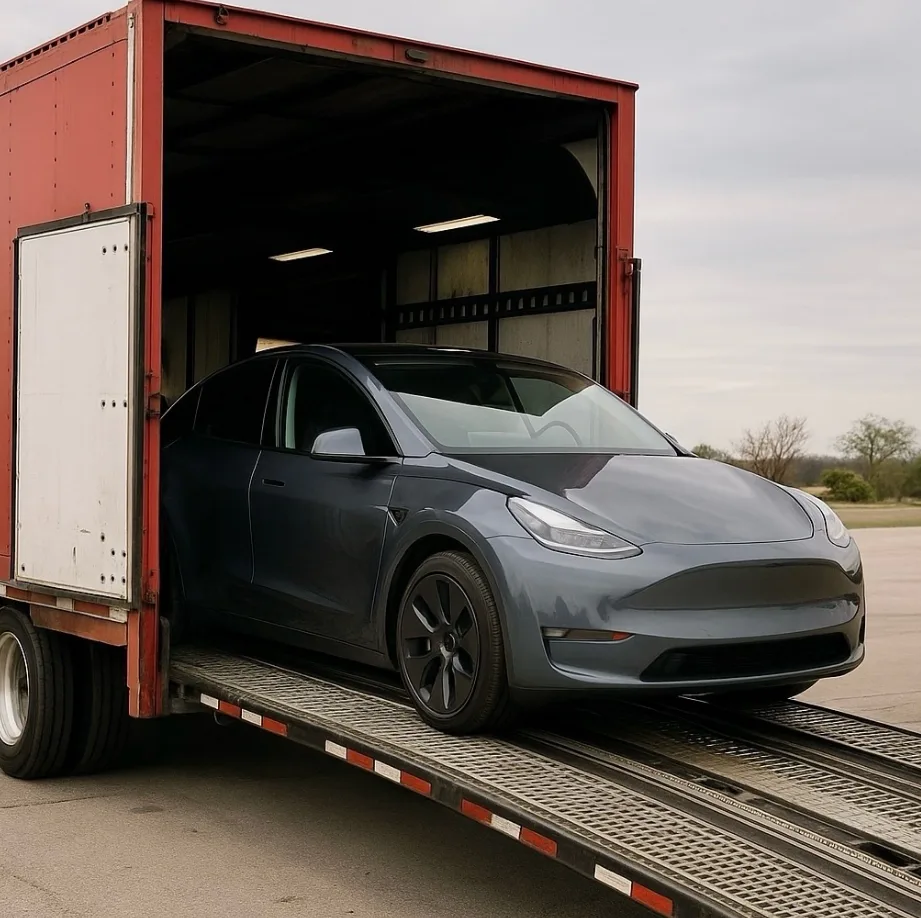
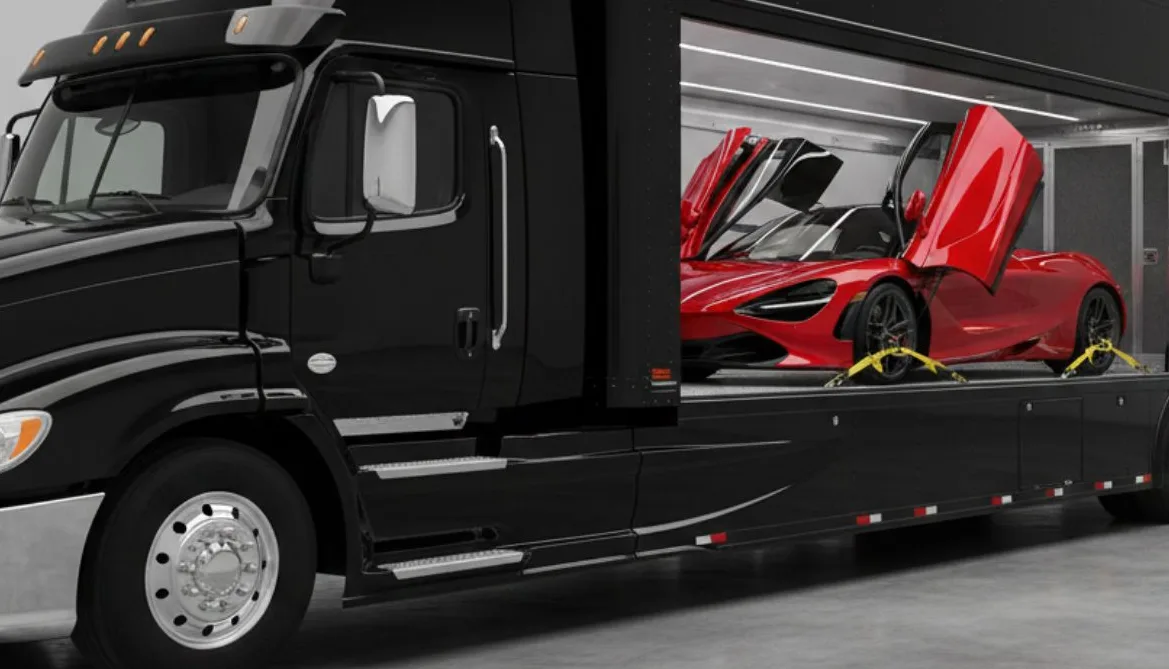
Our enclosed carriers have low-angle ramps built for vehicles like the Model S Plaid that sit 4.6 inches off the ground. No scraping, no undercarriage contact. We've moved over 890 Teslas, 170+ Rivians, about 95 Ford Lightnings, and a handful of rare ones like the Lucid Sapphire and Mercedes EQS. Insurance goes up to $250,000 per vehicle, which matters when you're shipping something worth $130,000.
We only work with carriers who actually understand EVs. Weight distribution is different on a battery-powered vehicle. A Rivian R1T weighs 7,148 lbs, almost 2,000 lbs more than a gas-powered truck the same size. That affects loading position, tie-down placement, and trailer balance. Our carriers plan for it.
Electric Vehicle Shipping Cost Guide
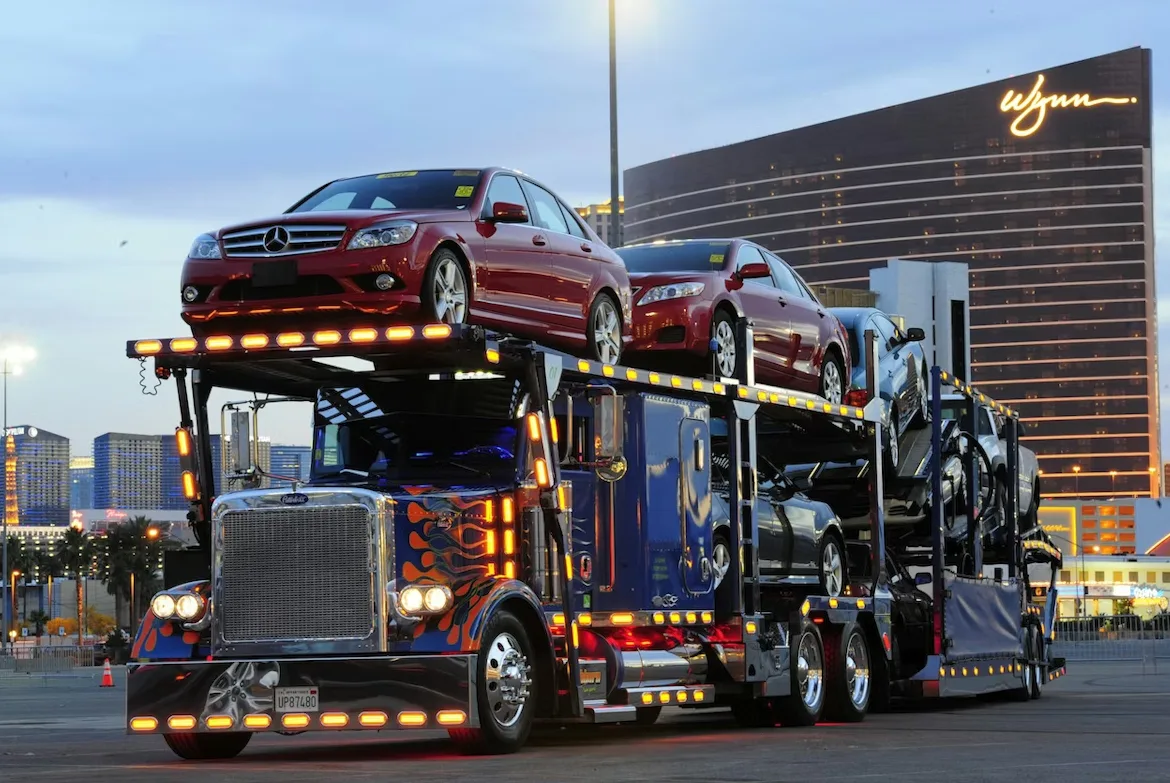
EV shipping costs $700-$1,500 for most routes on open transport, and $1,000-$1,800 enclosed. A Tesla Model 3 from Phoenix to Denver runs about $700-$900 open. That same route enclosed is $1,000-$1,250. Higher-end EVs like the Mercedes EQS or Lucid Air Grand Touring usually need enclosed, which adds $250-$450 to the base price.
EVs cost a bit more to ship than gas cars because they're heavier. A Model Y weighs about 4,400 lbs versus 3,500 lbs for a comparable gas SUV. That extra weight eats into trailer capacity. Route popularity matters too. LA to Austin has tons of carrier traffic, so it's cheaper than, say, Phoenix to New Haven where fewer trucks run. Summer relocation season bumps prices 15-20%.
Ballpark per-mile cost: $0.55-$0.65 open, $0.80-$0.95 enclosed. We shipped a customer's Model Y from Atlanta to Portland last month for $1,200 enclosed, delivered in 10 days. Flying out and driving it back would've cost nearly the same after charging stops, a hotel, and 3,000 miles on the odometer. Shipping just makes more sense.
How Long Does EV Shipping Take?
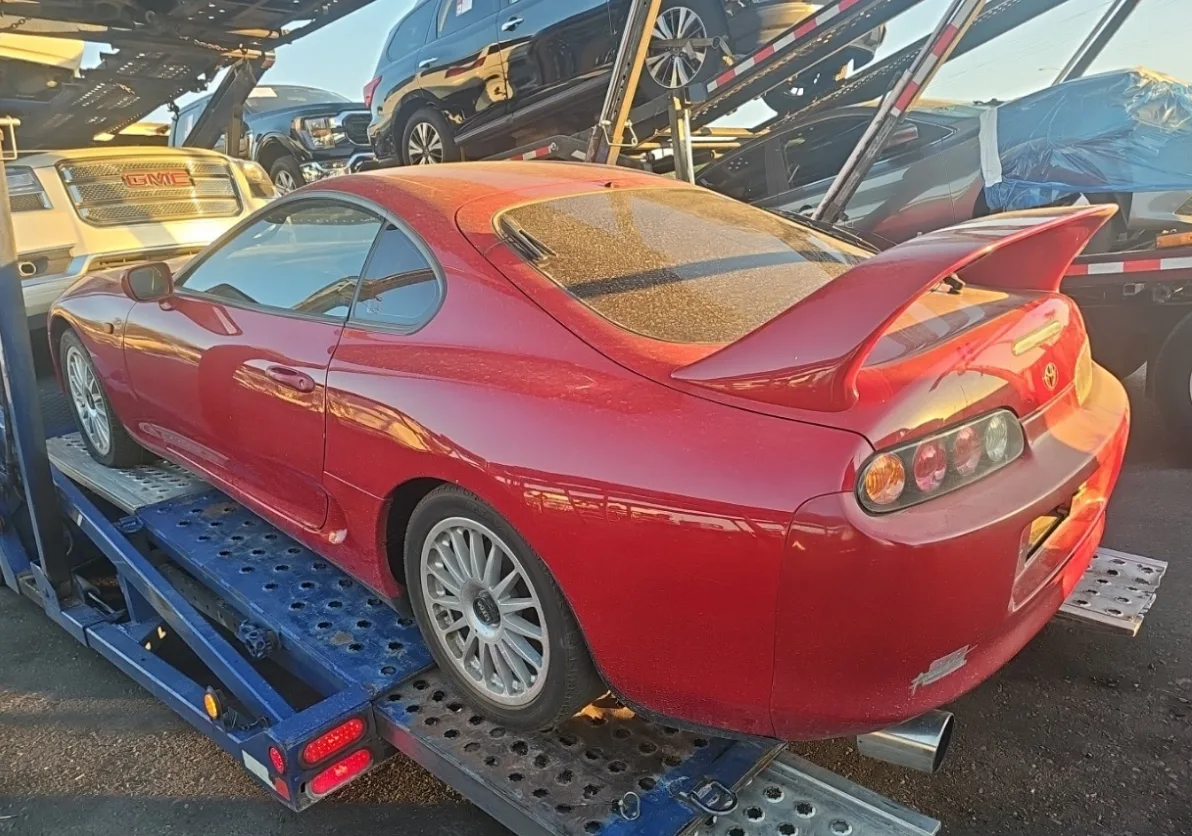
Most EV shipments under 1,500 miles take 5-10 days. Cross-country routes run 8-14 days. A Tesla going from Phoenix to Denver lands in about 5-7 days, while Phoenix to Miami is 9-12 days. We've hit our quoted delivery window on 94% of EV shipments over the past year and a half.
Honestly, EV shipping can run 1-2 days slower than regular cars. Fewer carriers are properly set up for electric vehicles, and the ones who are often carry smaller loads to account for the extra weight. That Rivian R1T at 7,148 lbs takes the spot of nearly two sedans on the trailer. Carriers plan around that, which sometimes means fewer stops and slightly longer routing.
Winter weather through mountain passes like I-70 or I-80 can add a couple days, especially for enclosed loads carrying high-value EVs. Our drivers won't push through a snowstorm to save a day. Same approach we use for classic car shipping: your $90,000 vehicle is worth more than a tight deadline.
Who Should Ship Their Electric Vehicle?
If you're relocating, bought an EV out of state, or need seasonal transport between two homes, shipping beats driving. We move EVs for Tesla owners leaving California for Texas, Rivian buyers who found their R1S three states away, and snowbirds who don't want to road-trip their Polestar 2 from Michigan to Arizona twice a year.
The biggest group we serve is EV owners who don't want 2,000+ miles on a brand-new vehicle. One customer had a Lucid Air delivered from the factory in Casa Grande, AZ straight to their driveway in Stamford, CT. No charging stops through rural Pennsylvania, no range anxiety, no wear on a car with 12 miles on the odometer. That's a smart call.
Military families ship EVs with us too, especially when PCS orders send them to bases where the Supercharger network is thin. We've moved Model Ys to Fort Riley, KS and Malmstrom AFB in Montana. College kids with Teslas are another growing segment. Parents buy them the car but don't want them driving it 1,200 miles to campus and back every semester.
EV Insurance and Safety During Transport
Every electric vehicle gets $250,000 in carrier insurance. For EVs worth over $100,000, we carry additional coverage. Our drivers go through EV safety training that covers battery protection, grounding procedures, and lithium-ion emergency protocols. We haven't had a battery incident yet, but every driver knows exactly what to do if one happened.
Here's something to watch for with other companies: standard auto transport insurance sometimes excludes battery damage and electrical system issues. Ours doesn't. Battery, charging system, drivetrain electronics, it's all covered. In 5+ years of shipping EVs, we've filed 4 damage claims total. All cosmetic. Nothing battery-related, nothing electrical. Zero.
Our carriers carry Class D fire extinguishers rated for lithium batteries, non-conductive recovery gear, and direct contacts with Tesla service centers, Rivian service, and other EV dealers in every major metro. A Tesla fire on I-10 near Tucson last year showed what happens when a regular tow driver tries to handle an EV emergency without training. Our guys wouldn't have that problem.
How EV Shipping Works
Request Your EV Quote
Call (602) 860-6894 or fill out the form with your EV's make, model, and route. We'll send pricing for open and enclosed within a couple hours. No hidden fees.
Prep and Pickup
Set your battery to 20-50% charge. The driver inspects the vehicle, photographs the charging port, documents every panel, and loads with non-conductive tie-downs.
Track in Transit
Get GPS updates and text/email notifications during transport. We provide a tight delivery window so you're not sitting around wondering when your EV shows up.
Inspect and Sign Off
The driver checks battery level at delivery, you do a walk-around, compare to the pickup photos, and sign the inspection form. Done. Keys in hand.
Open vs Enclosed for EV Shipping
| Feature | Open Transport | Enclosed Transport |
|---|---|---|
| Typical Price | $700-$1,500 | $1,000-$1,800 |
| Road Debris/Weather | Exposed | Fully shielded |
| Security | Good | Best available |
| Ideal EV Models | Model 3, Bolt, ID.4 | Model S, Lucid, EQS, Rivian |
| Average Transit | 5-10 days | 7-14 days |
| Vehicles Per Trailer | 7-10 | 3-6 |
Set your charge to 30-50% the night before pickup. Don't top it off to 100% - a fully charged lithium-ion pack is more sensitive to temperature swings during transit. And don't let it drop below 20%, or the battery management system could shut down and the driver won't be able to move the car on or off the trailer.
Electric Vehicle Shipping FAQs
Real answers from our team on EV transport pricing, battery safety, and what to expect.