How to Ship a Car You Bought Online
Over 4.2 million used cars sold online in the U.S. last year, and roughly 1 in 3 of those buyers needed a transport company to get the vehicle home. You've signed the deal and wired the money. Here's how to actually get your car to your driveway without overpaying or getting scammed.
Ship Your Car Today
Get a quote or talk to our team right now

Why Flying Out to Drive It Back Rarely Makes Sense
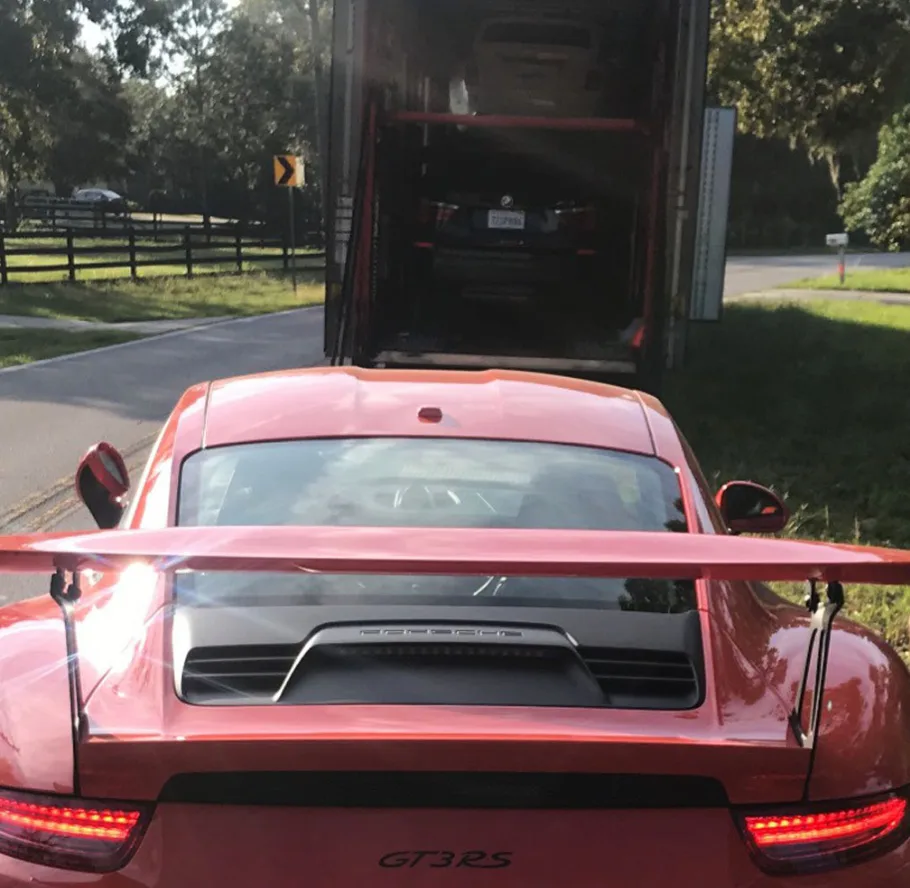
Let's do some quick math on the "I'll just fly there and drive it home" plan. A one-way flight runs $150-$400. Gas for a 2,000-mile drive is around $280 at current fuel prices. Two nights in hotels add another $250-$350. Food on the road, tolls, and the 1,800+ miles of wear you're putting on a car you literally just bought? You're looking at $900-$1,500 minimum, and that doesn't account for the 3-4 days you'll burn behind the wheel.
National Auto Transport has handled thousands of online car purchases since we opened our doors. The pattern is always the same: buyers who try the DIY route once hire a shipping company every time after that. Professional transport keeps the odometer where it was when you bought the vehicle, and it keeps you off I-40 for 30 straight hours.
Most online dealers and private sellers on sites like Carvana, Cars.com, and Autotrader fully expect you to book your own carrier. Dealer Auto Transport pickups make up nearly 40% of our monthly volume. The process is more routine than people realize.
Realistic Timelines and What Actually Happens Step by Step
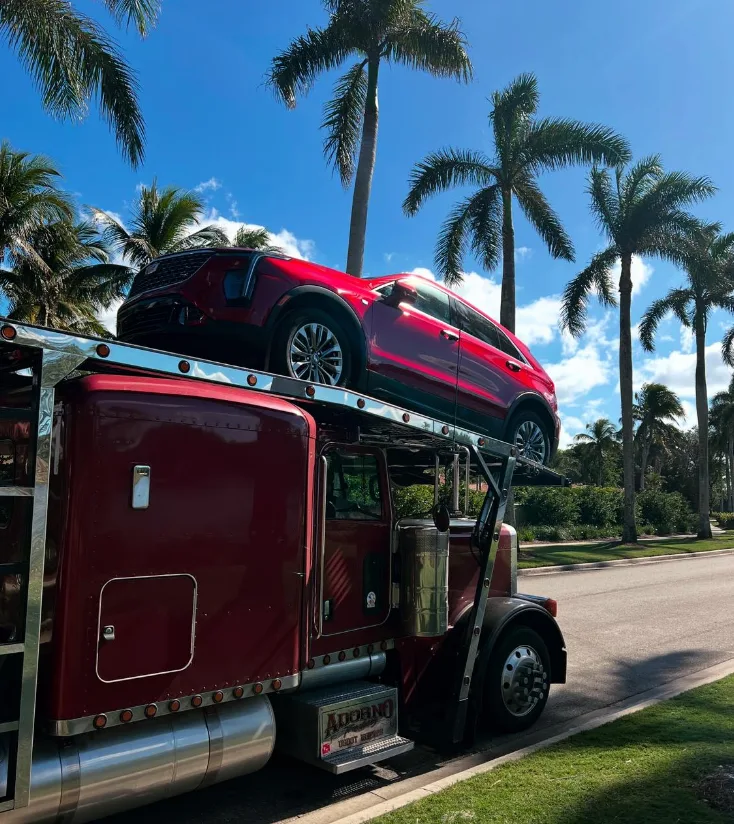
You'll book the shipment, get a confirmed pickup window (usually within 3-7 days of your order), and then your car rides on a carrier until it reaches your location. Total door-to-door transit for a 1,000-mile route averages 5-9 days. A full coast-to-coast haul from, say, Jacksonville to Los Angeles typically takes 12-17 days because the driver is picking up and dropping off other vehicles along the way.
Pricing falls in the $550-$1,700 range for open transport on most routes. A 2021 Toyota Camry going from Atlanta to Denver? That's roughly $950-$1,100. The same car heading from Boston to San Diego will run $1,300-$1,550. Season plays a big role too. January and February are the cheapest months, while June through August costs 15-20% more because carrier demand spikes.
You'll get at least two direct communications from the driver: one when they're heading to the seller for pickup, and another when they're a few hours from your delivery address. Both pickup and delivery include a full walk-around inspection. We back every shipment with up to $250,000 in cargo coverage, so if anything goes sideways, you're protected.
Breaking Down What You'll Actually Pay for Transport
Per-mile rates on open carriers sit between $0.55 and $1.05 for anything over 500 miles. Short-distance hauls under 300 miles are pricier per mile ($1.60-$2.80) because the carrier still has to dispatch a driver and a rig for a relatively small fare. We recently moved a customer's Subaru Outback from Raleigh to Nashville for $620. A similar 475-mile run from Philadelphia to Cleveland came in at $580.
Timing shifts these numbers noticeably. Book a shipment in February and you'll save 12-18% compared to the same route in July. Peak season runs from late May through early September, driven mainly by relocations, college move-ins, and increased inventory on online auction sites. If you can be flexible on dates, ask your broker about off-peak windows.
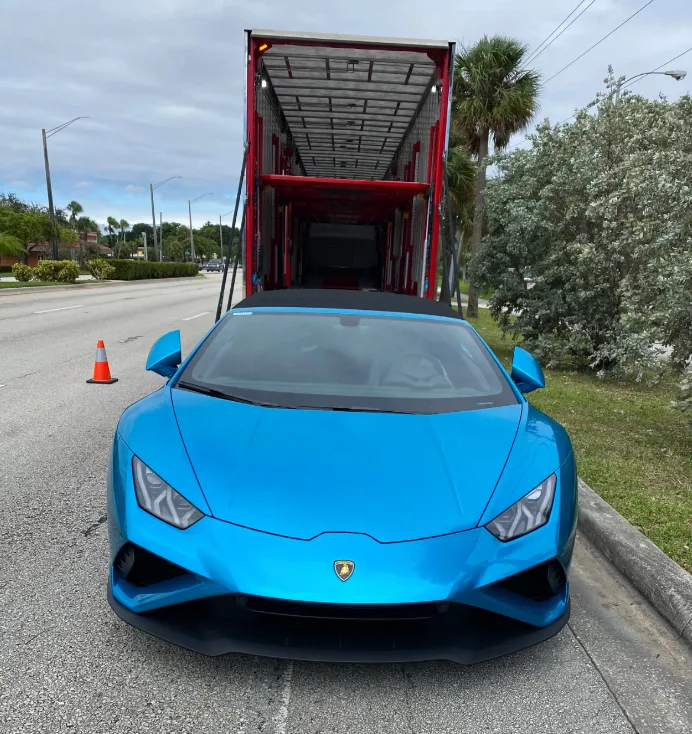
Enclosed carriers cost roughly 45-65% more than open, but they're the right call for anything valued above $60,000 or any collector vehicle with original paint. A 1,500-mile enclosed shipment typically lands between $1,400 and $2,200. Long Distance Auto Transport rates fluctuate week to week based on fuel surcharges and carrier load boards.
Every Document You Need Before the Carrier Shows Up
Gather these before you even request a quote: the vehicle title (or a copy of the lien agreement if financing is still active), a current registration card, proof of insurance, and your signed bill of sale or purchase contract. The driver at pickup won't load a car without confirming legal ownership or authorized possession. It's a federal requirement, not a suggestion.
Financed vehicles add one extra step. You'll need a transport authorization letter from your lender. Chase, Capital One, and most large banks have a standard form they can email within 24-48 hours. Smaller credit unions and local banks sometimes take 3-7 business days, so call them the same day you close on the car.
If somebody else is handing the keys to the driver on your behalf, you'll need a signed pickup authorization naming that person by full legal name. They must be 18 or older and present a government-issued photo ID. Skipping this form is the single most common reason pickups get delayed or canceled outright.
Open Carrier or Enclosed Trailer: Which One Fits Your Purchase?
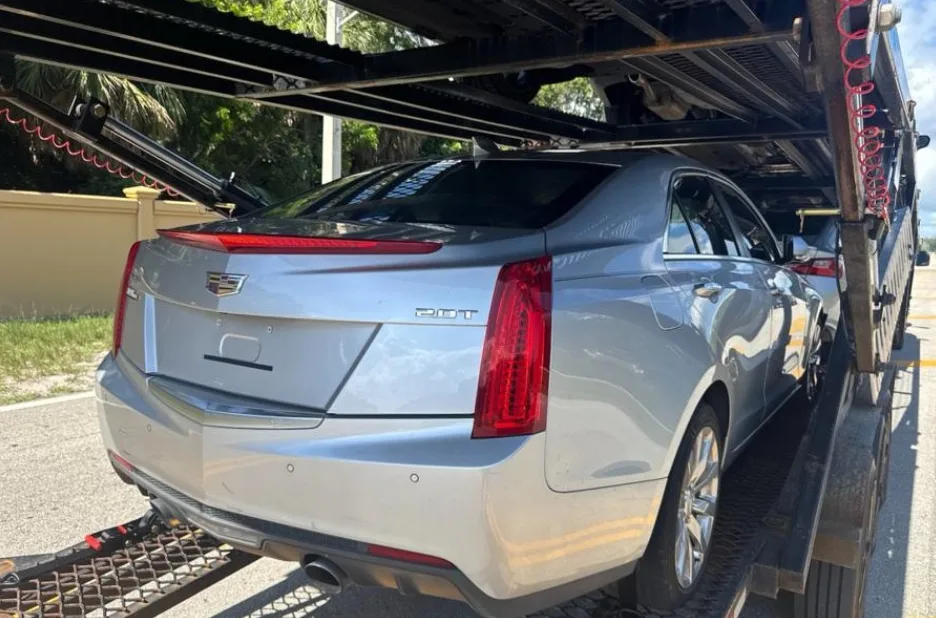
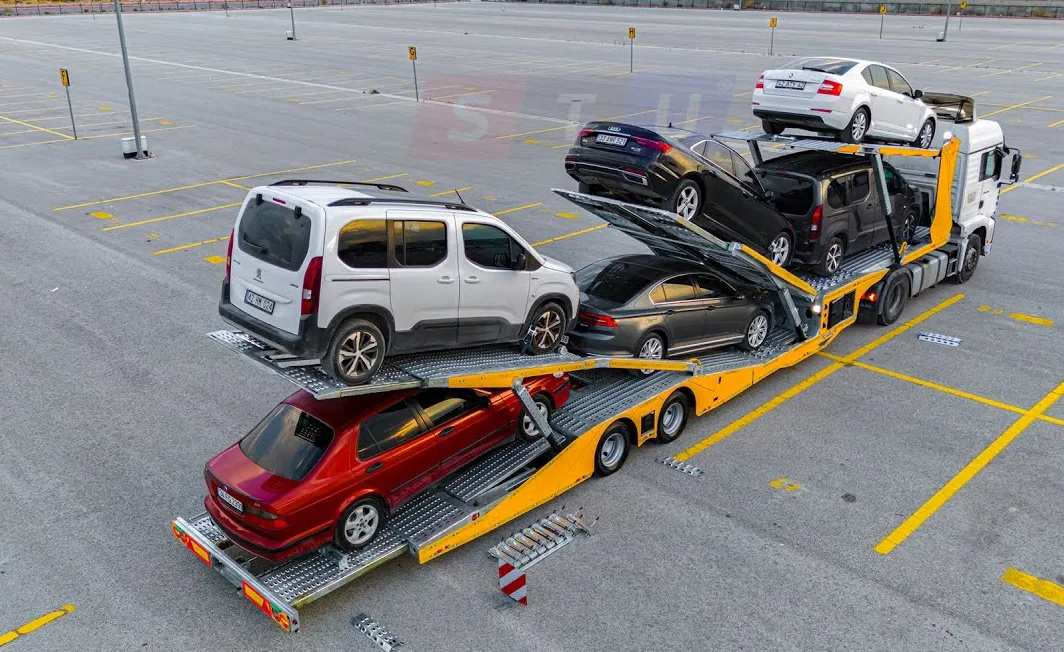
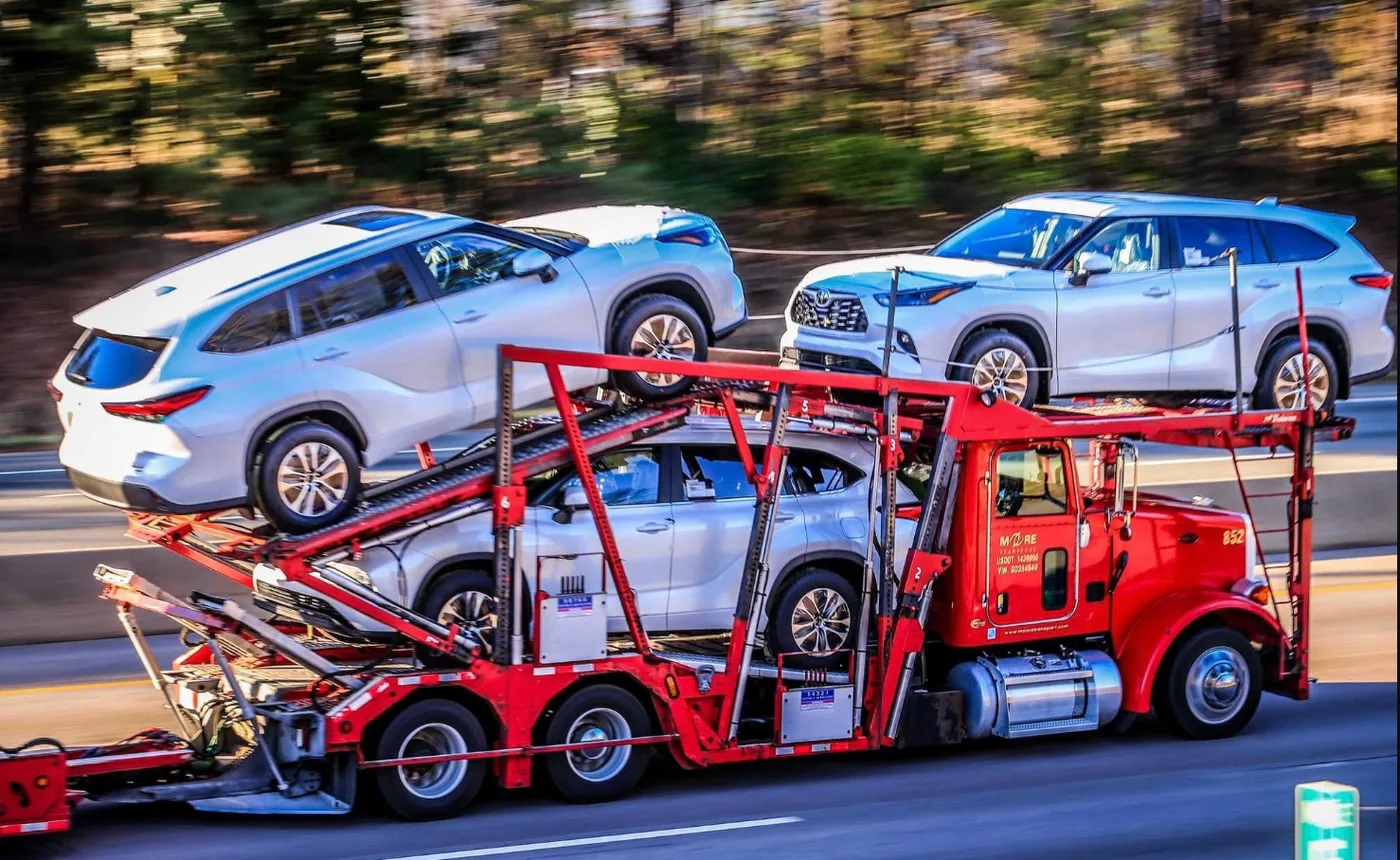
About 88% of the vehicles we move ride on open multi-car haulers. These are the same 8-10 car rigs that every major automaker uses to deliver brand-new inventory to dealerships. For a Kia Sorento, a Ford F-150, or any daily driver valued under $45,000, open transport is the standard and it works just fine.
Enclosed trailers have solid walls, a roof, and hydraulic lift gates. They carry only 2-6 vehicles per load. If you just bought a Porsche 911, a numbers-matching Chevelle, or anything with a purchase price north of $60,000, enclosed is worth every extra dollar. Road debris, weather, and UV exposure are completely eliminated.
One thing to know: enclosed carriers have tighter schedules and fewer available slots. Rural pickups are harder to coordinate, and some enclosed operators only service terminal-to-terminal routes. Plan accordingly if you're shipping near Baltimore or any dense metro area where terminal access is the norm.
Getting the Seller Ready for Pickup Day
This is where online car purchases go wrong more than anywhere else. You need the seller's full street address (not a PO Box), confirmation that an adult will physically be there during the 1-2 hour pickup window, and verification that they have the title or release paperwork in hand. Text them a reminder 48 hours before and again the morning of.
If you bought from a private party, assume they've never dealt with a car carrier before. Tell them the truck is 70-80 feet long and won't fit in a cul-de-sac or down a gravel lane. Let them know the driver will spend 15-25 minutes walking around the car with a clipboard, photographing every panel and noting existing scratches. The gas tank should sit between a quarter and half full.
Dealership pickups are more predictable because lot managers deal with carriers regularly. Still, confirm their gate hours and whether they need a 24- or 48-hour advance heads-up for carrier access. Auction houses like Copart and IAA have their own pickup procedures and storage fees that start ticking after a set number of free days. Is Car Shipping Safe? What You Need to Know goes deeper into the inspection and handoff process.
Warning Signs That a Shipping Quote Is Too Good to Be True
If three companies quote $950-$1,200 for your route and one comes back at $475, that fourth company isn't offering a deal. They're either planning to hit you with "fuel surcharges" and "oversize fees" after they've got your deposit, or they'll simply never dispatch a driver. The FMCSA receives over 6,000 complaints per year about fraudulent auto transport operations.
Deposit requests above $300 are a red flag. Reputable brokers collect $150-$250 upfront, with the remaining balance paid directly to the driver at delivery. National Auto Transport has never charged more than $200 as an initial booking fee. If a company wants the full amount wired before they've even assigned a carrier, walk away.
Every legal auto transport broker in the country carries a USDOT number and active FMCSA broker authority (MC number). Every carrier has its own USDOT plus proof of cargo insurance. You can verify both at safer.fmcsa.dot.gov in under two minutes. No number, no business. It's that simple.
What Happens the Moment Your Car Rolls Off the Truck
Your driver will call or text 2-4 hours out to lock in the exact delivery window. Have your government-issued ID ready, along with your payment (most drivers accept cash, cashier's checks, or money orders). If delivery falls after sunset, bring a flashlight or use your phone's light. You'll need to see every panel clearly during the walk-around.
The driver hands you a Bill of Lading (BOL) that was filled out at the seller's location during pickup. It lists every pre-existing scratch, ding, and blemish photographed before the car was loaded. Walk around the vehicle with that form and compare it inch by inch. Anything new gets written on the delivery copy before you sign. Once you sign a clean BOL, filing a damage claim becomes significantly harder.
Normal post-transport conditions include a layer of road dust, a slightly lower fuel level than at pickup, and maybe a floor mat that shifted during transit. Abnormal conditions include fresh paint chips, cracked trim, dented body panels, or mechanical problems that weren't noted on the pickup BOL. Military Auto Shipping families stationed overseas rely on this exact inspection protocol to protect vehicles they can't personally oversee.
Open and Enclosed Shipping Compared for Online Buys
| Factor | Open Transport | Enclosed Transport |
|---|---|---|
| Average Price | $550-$1,550 | $1,000-$2,200 |
| Typical Transit | 5-14 days | 8-18 days |
| Exposure to Elements | Open air (dust, rain possible) | Fully sealed trailer |
| Carrier Supply | Abundant year-round | Fewer rigs, book early |
| Ideal Vehicle Value | Under $45,000 | $60,000+ or collector grade |
| Cargo Insurance | Up to $250k per unit | Up to $250k per unit |
| Delivery Options | Door-to-door or terminal | Terminal preferred, door possible |
Flying out, renting a one-way car, plus gas and hotels to drive your purchase home runs $900-$1,500 before you even factor in the miles you're putting on a car you haven't inspected in person. Professional transport on an open carrier averages $550-$1,550 and keeps the odometer right where you bought it.
What to Remember Before You Book
Common Questions About Shipping an Online Car Purchase
Straight answers from the National Auto Transport team in Phoenix, AZ.