How to Ship a Car Across the Country: Full Walkthrough
Our Phoenix dispatch team coordinated 1,389 cross-country moves last quarter alone. We've handled everything from a nurse's Toyota Camry going Seattle to Miami, to a collector's 1970 Chevelle headed from Connecticut to Scottsdale. Below you'll find the honest numbers, real timelines, and the prep details that save folks from costly surprises.
Ship Your Car Today
Get a quote or talk to our team right now

What You'll Really Pay to Ship a Car Coast to Coast
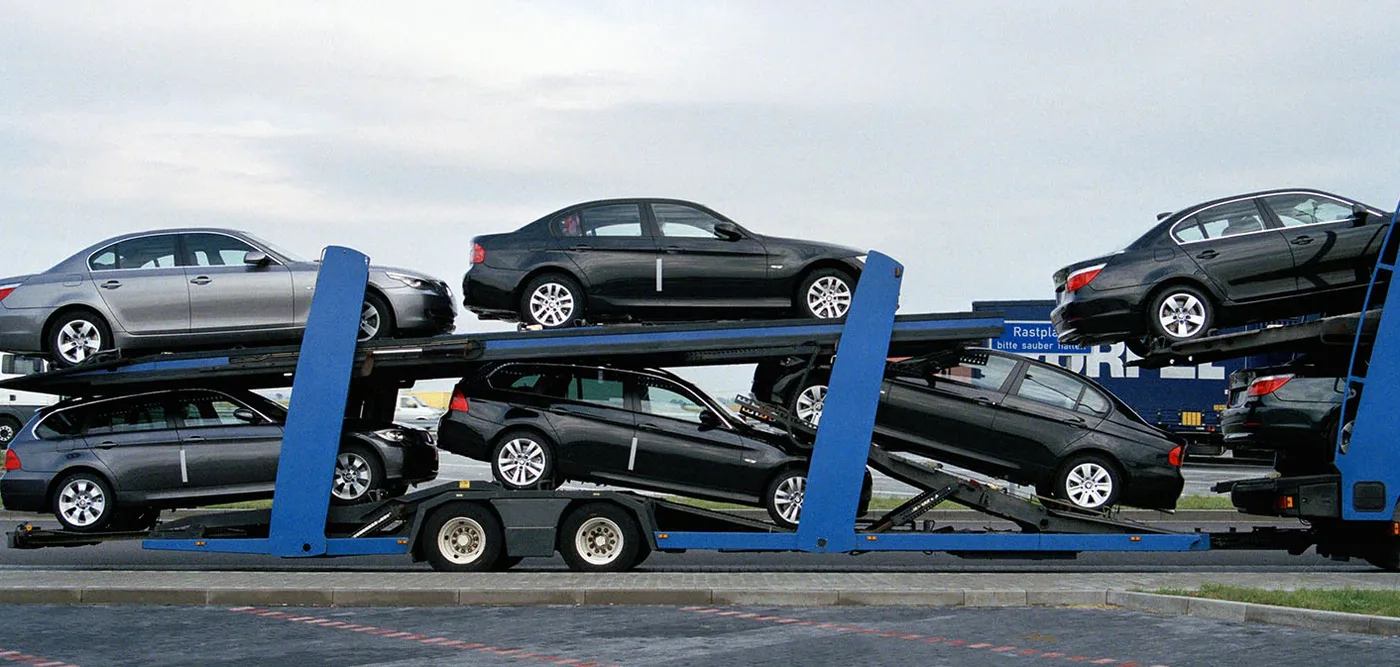
Open carrier transport across the country runs between $1,100 and $1,750 for most sedans and SUVs. Enclosed carriers push that range up to $1,900 to $2,600. But the sticker price depends on more than just mileage, and that trips people up constantly.
A route like Phoenix to Atlanta sits on a high-volume corridor with dozens of trucks running it weekly, so rates stay competitive. Compare that to something like Reno, Nevada to Burlington, Vermont, and you're looking at an extra $250 to $450 because fewer carriers cover that lane.
We've quoted a 2,300-mile move for less than a 1,100-mile haul more times than you'd think. It comes down to supply and demand on each corridor. Carriers want full trucks, and they'll discount rates on busy lanes where filling that last spot is easy.
How Many Days Does Cross Country Car Shipping Actually Take?
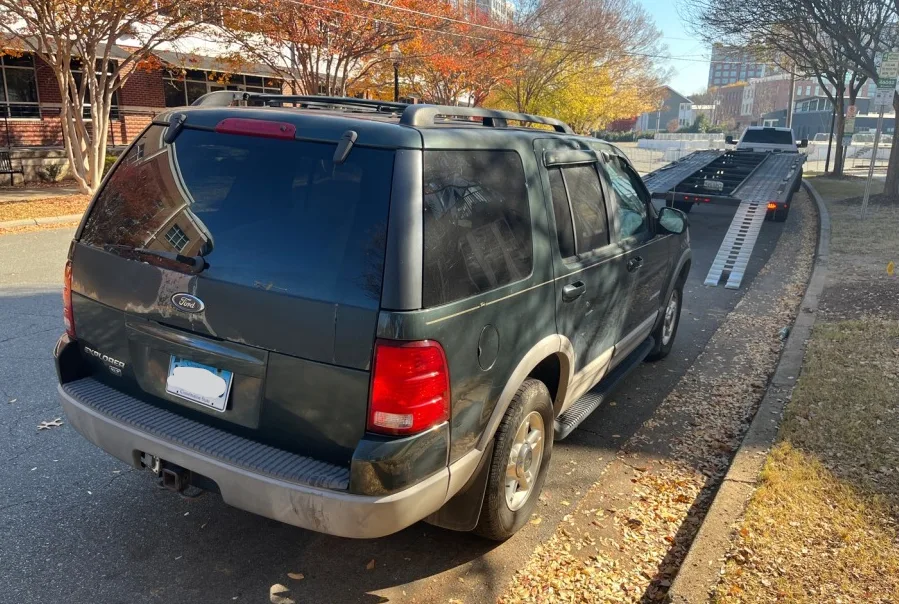
Coast-to-coast shipments land in the 7 to 14 day window for most routes. If you're shipping between two big metros like Los Angeles and New York, you'll likely see your car in 8 to 10 days. Throw in a rural pickup or delivery stop and you should tack on an extra 2 to 5 days for routing.
Something a lot of brokers gloss over is the winter slowdown. From November through March, transit times stretch to 11 to 17 days because drivers deal with ice closures, chain laws in mountain passes, and reduced daylight hours. One customer's shipment from Minneapolis to Tucson hit 19 days last January thanks to a blizzard that shut down I-40 for three days.
Snowbird Car Shipping demand spikes every October, and folks who wait until the last minute end up frustrated. Get your booking in early if you're headed south for the winter.
Step 1: Pick Between Open and Enclosed Carriers
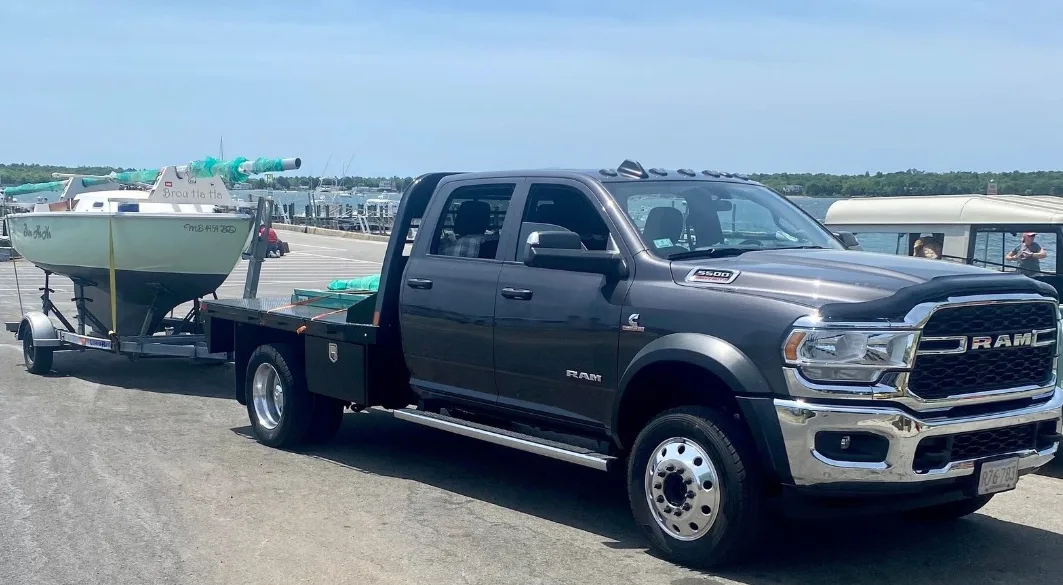
About 85% of the vehicles we move ride on open carriers, and it's not because people are cutting corners. Open haulers are the workhorses of the industry. Your car sits on a standard multi-car trailer, exposed to weather and highway grit, but actual transport damage on open rigs happens on fewer than 1 in 500 loads with reputable carriers.
Enclosed transport adds 35% to 55% to your bill, but it makes sense for vehicles valued above $45,000 or anything irreplaceable. We've shipped Porsche 911 GT3s, first-generation Ford Broncos, and concours-quality Ferraris inside enclosed trailers where climate control and zero-exposure matter.
For a straightforward answer: if your car is a daily driver worth under $40,000, open transport is the right call financially. We move thousands of Hondas, Toyotas, and Fords on open trailers every month, and the savings go straight back into your pocket.
Step 2: Lock in Your Booking 2 to 4 Weeks Early
Booking 14 to 28 days before your ideal pickup date hits the pricing sweet spot. If you book more than six weeks out, broker fees tend to be higher because the market hasn't settled on rates yet. Wait until the week before, and you're paying a rush premium while competing for the few remaining spots on loaded carriers.
June through September is the busy season. College students, military families, corporate relocations, and snowbird pre-positioning all stack up at once. During peak months, shoot for a 3- to 4-week lead time. We watched one customer pay $2,350 for a Phoenix-to-Charlotte move that would've run $1,500 if they'd called three weeks sooner.
Military Auto Shipping customers with PCS orders get some leeway on timing, but everyone else benefits from planning ahead to secure the best rates and first-choice carriers.
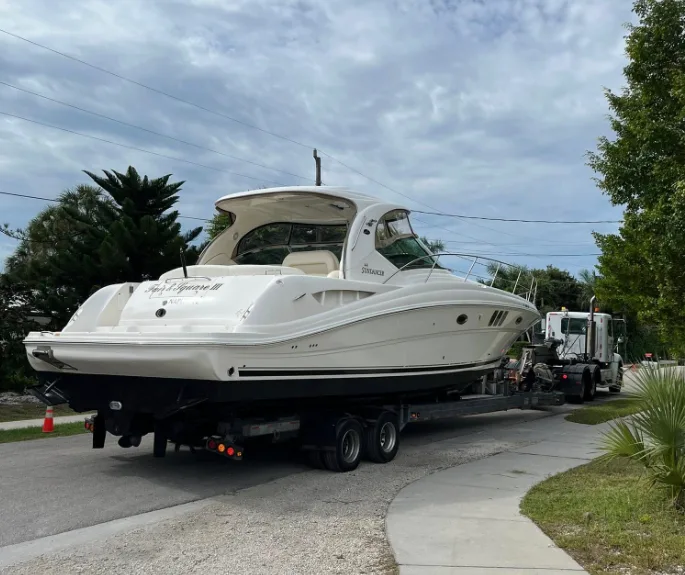
Step 3: Get Your Vehicle Ready for the Carrier
Clear out every personal item from the cabin and trunk. Carriers don't insure personal property, and a lot of drivers flat-out refuse to load a car with bags or boxes sitting inside. Their truck is a commercial rig worth well over $150,000, and they won't risk liability headaches over somebody's gym bag.
Photograph your vehicle from all four corners, both sides, the hood, trunk, and roof before the truck arrives. Zoom in on existing scratches, door dings, and paint chips. The majority of damage claims stem from loading and unloading, not highway travel, so having dated photos gives you rock-solid proof if something new shows up at delivery.
Fill the tank to about one-eighth or one-quarter full. That's plenty for driving on and off the hauler without adding unnecessary weight. Turn off the alarm system, fold in the mirrors, retract the antenna, and hand the driver a spare key so they can reposition the car if needed.
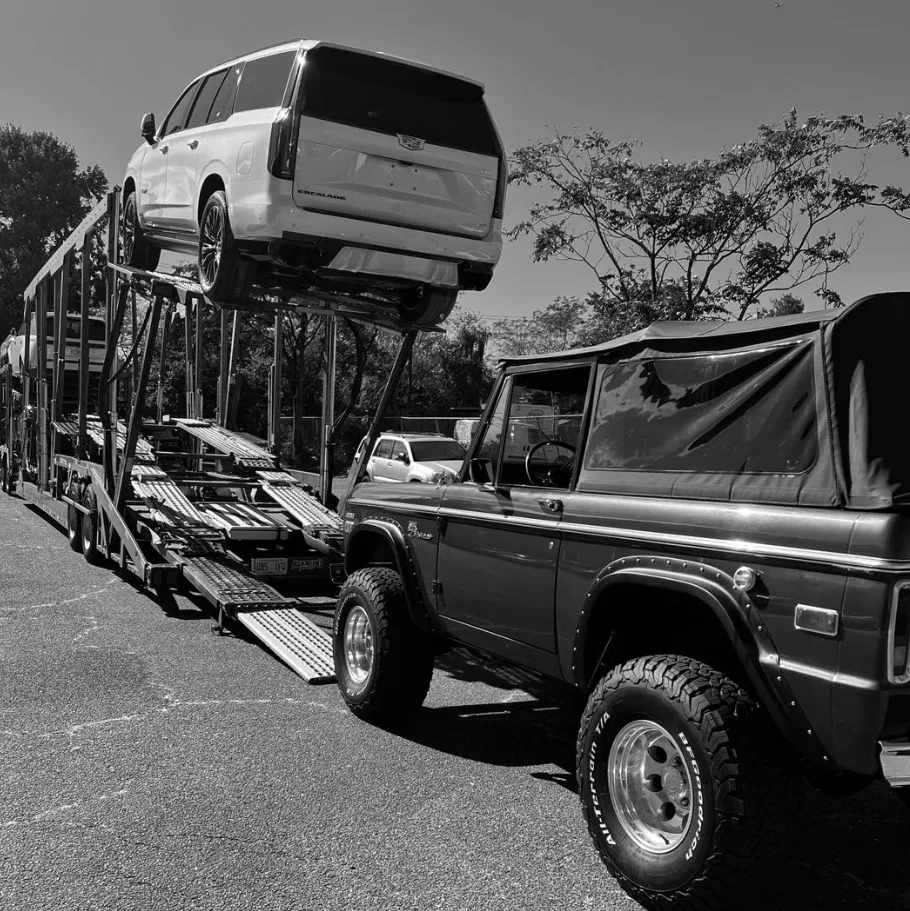
Step 4: Know What Happens at Pickup and Drop-Off
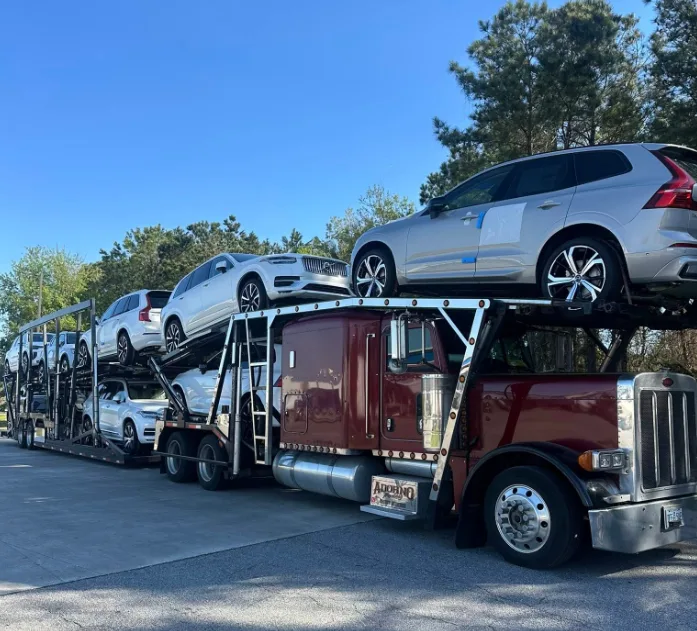
Door-to-door service doesn't literally mean your front door. It means the nearest safe access point for a 75- to 80-foot rig, which is typically within a mile or two of your address. Cul-de-sacs, gated subdivisions, and tree-lined streets with low branches often force a meeting spot at a nearby parking lot or wide intersection.
Terminal-to-Terminal Shipping trims $75 to $200 off the bill if you're willing to drop the car at a yard and pick it up at another one. It works well in cities like Phoenix, Dallas, or Chicago where terminals are easy to reach, but it can be inconvenient in rural areas.
Your driver will reach out 24 to 48 hours ahead of pickup with a specific time window. Keep your phone on and stay flexible. These drivers are juggling 8 to 10 vehicles on the same load, working around traffic, weather, and the previous customer who ran 45 minutes late. A 2-hour arrival window is completely standard.
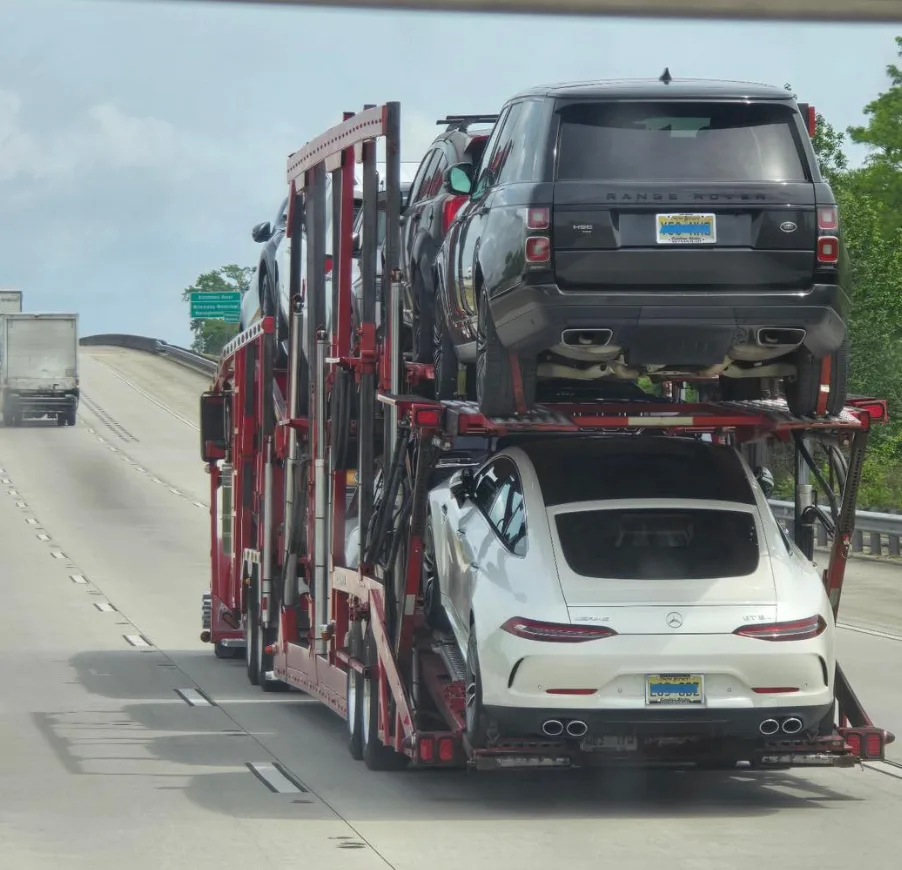
What Kind of Insurance Protects Your Car on the Truck?
Federal law requires every licensed carrier to hold cargo insurance. Most policies run between $750,000 and $1,000,000 per truck, but that total is spread across every vehicle on the trailer. On a per-car basis, you're looking at $100,000 to $250,000 of coverage depending on which carrier gets assigned to your load.
Don't assume your personal auto policy fills the gaps. Most standard car insurance excludes damage that occurs while a vehicle is in commercial transit. Call your insurance agent before pickup day so you know exactly where you stand. Some people buy supplemental gap coverage for high-value cars, and it usually runs $50 to $150 for the trip.
What Insurance Covers Your Car During Transport? digs into the fine print, but the short version is this: photograph everything before the driver loads your car, and know that carrier insurance covers physical damage to the vehicle, not schedule delays or personal inconvenience.
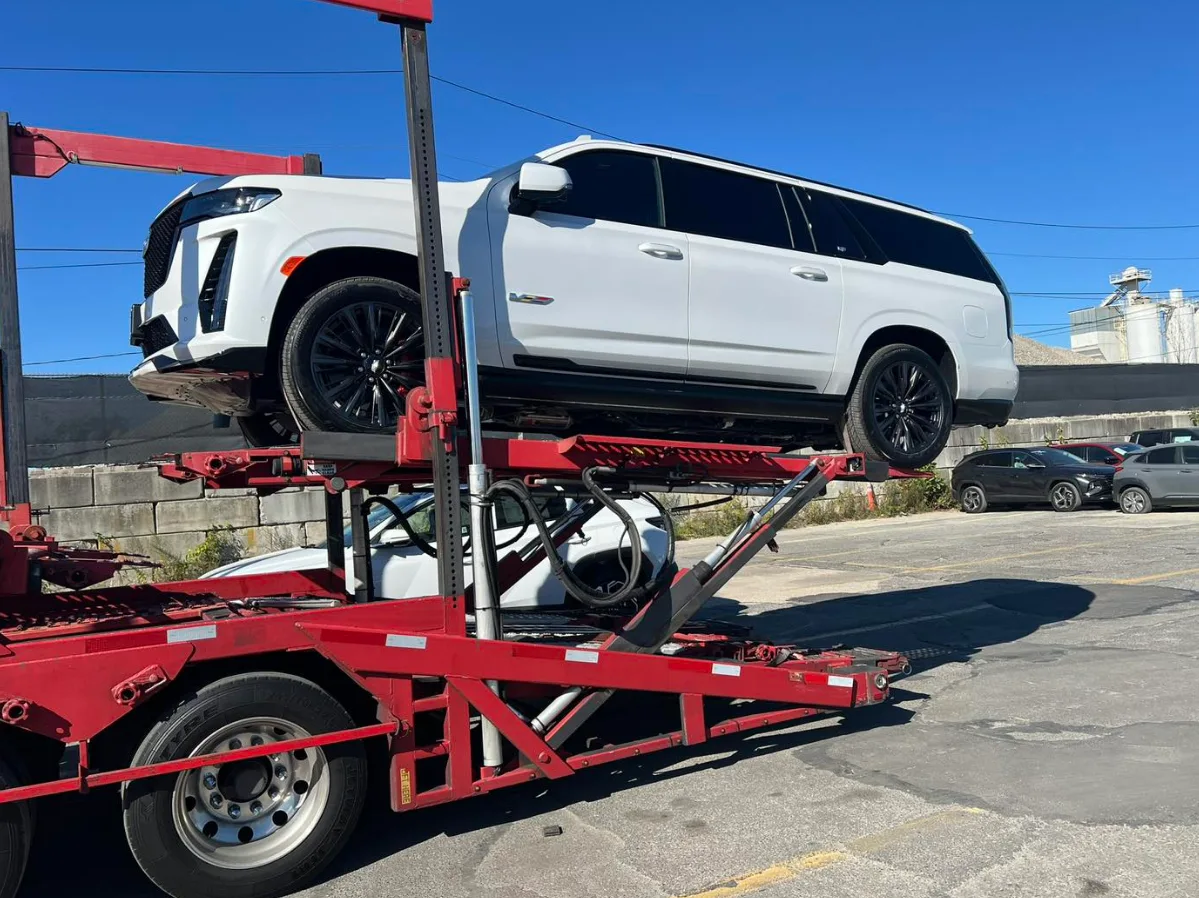
Costly Shipping Blunders and How to Dodge Them
The number one mistake people make is handing money to an unlicensed operation. Before you pay a dime, look up the company's USDOT number and FMCSA registration on the federal carrier search tool. We've talked to customers who lost $600 or more in deposits to outfits that vanished the day after the wire cleared.
Rock-bottom quotes are the second biggest trap. If someone offers $700 for a Los Angeles to New York move when every reputable company is quoting $1,350 or above, they're either going to jack up the price after dispatch or never show up at all. Real carriers have fuel costs, insurance premiums, and driver wages that set a floor on pricing.
The third mistake is going dark on your phone. When the driver calls to confirm a pickup window, pick up. When they give you a delivery time, be there or send someone you trust. Missed handoffs can push your delivery back 3 to 5 days and rack up $35 to $75 per day in storage charges.
Open Carrier vs Enclosed Trailer for Cross Country Moves
| Category | Open Carrier | Enclosed Trailer |
|---|---|---|
| Cross Country Price | $1,100-$1,750 | $1,900-$2,600 |
| Delivery Window | 7-14 days | 9-17 days |
| Weather Shielding | None (open air) | Complete enclosure |
| Cars per Load | 7-10 vehicles | 2-5 vehicles |
| Ideal Vehicles | Commuter cars, trucks, SUVs | Luxury, classic, exotic models |
| Per-Vehicle Insurance | Up to $250,000 | Up to $500,000 |
| Carrier Availability | Abundant nationwide | Limited, book early |
Tell your broker you're flexible on pickup by 3 to 5 days. Carriers offer discounted fill-in rates when they need one more vehicle to complete a full load, and that flexibility alone can shave $150 to $350 off your total.
Key Takeaways
Frequently Asked Questions
Straight answers to the questions our Phoenix team hears most about cross country car shipping.