How Long Does Auto Transport Actually Take in 2026?
Every auto transport company gives you a vague window like "7 to 14 days." That's barely useful. Our Phoenix-based team has coordinated 47,000+ vehicle deliveries since 2018, and we've got the data to tell you exactly what's realistic for your specific route, season, and transport type.
Ship Your Car Today
Get a quote or talk to our team right now

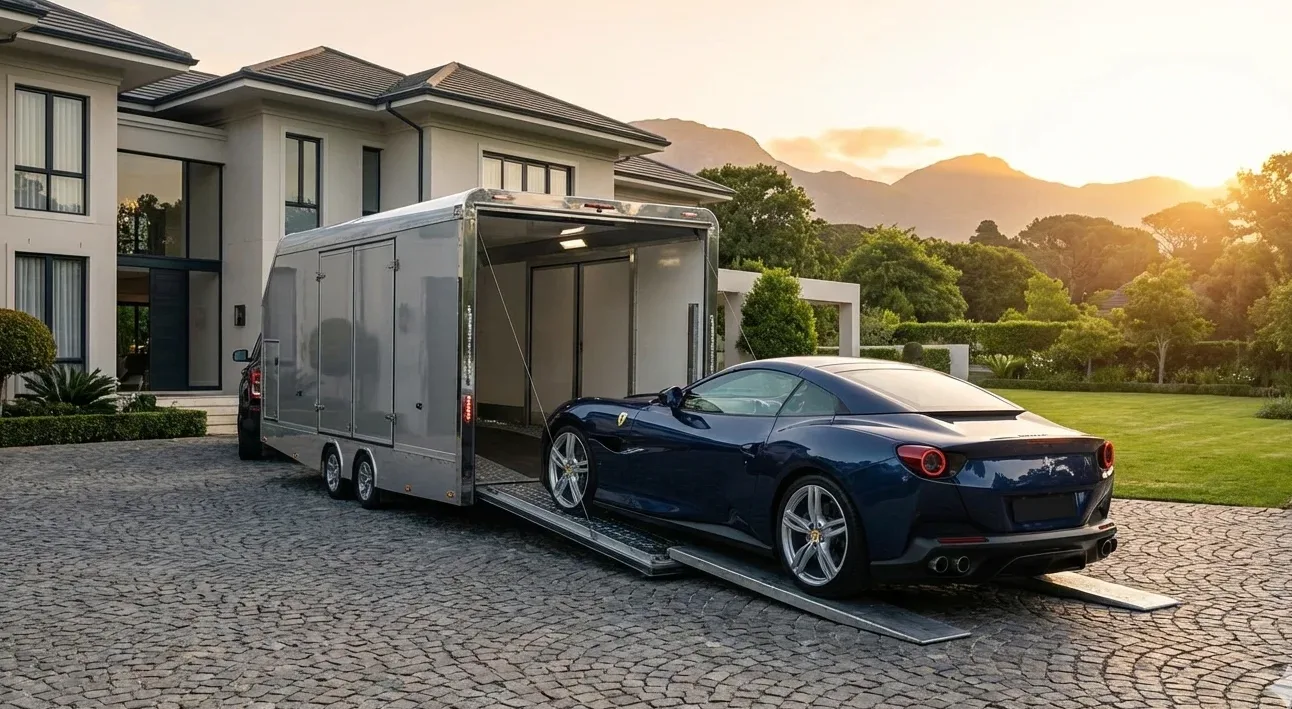
Realistic Auto Transport Timelines From Booking to Delivery
Let's start with the numbers you actually need. Cross-country shipments (over 2,000 miles) usually land between 8 and 14 days from the date you book. Regional moves under 500 miles run 2 to 5 days. Mid-range routes of 500 to 1,500 miles tend to fall in the 5 to 9 day range. These are total timelines, not just drive time.
Something we track closely is on-time performance. Looking at our last 12 months of data, 72% of shipments arrived inside the original window we quoted. Another 19% showed up early. The remaining 9% ran late, almost always because of weather or a carrier mechanical issue on the road.
The number one thing that determines speed isn't how far apart two cities are. It's how many carriers travel that corridor. Phoenix to Dallas gets daily truck traffic on I-10, so pickups happen fast. A shipment between two small towns off the interstate in the Dakotas? That might sit for a week waiting for a truck heading in the right direction.
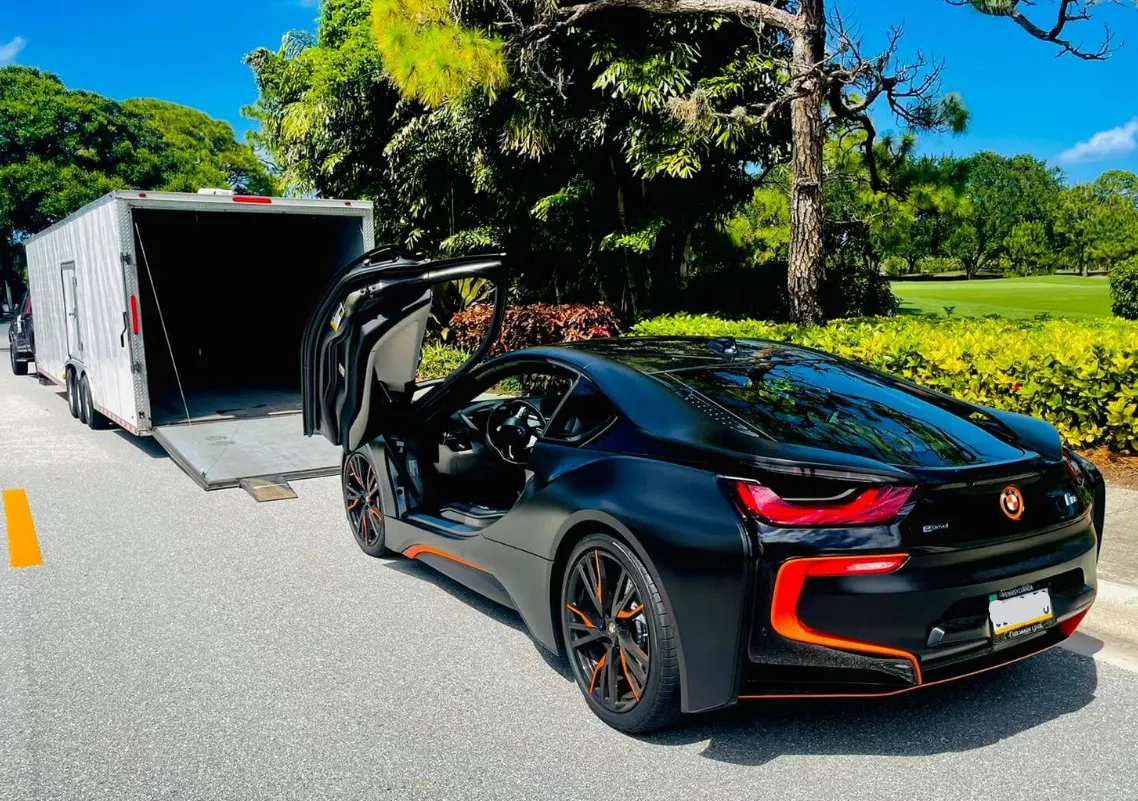
Why More Miles Doesn't Always Mean More Days
People assume distance equals time in a straight line. But auto transport doesn't work like a road trip. Carriers run set corridors and make multiple stops along the way to pick up and drop off other vehicles. Your car is riding with 7 to 9 others, and each of those has its own origin and destination baked into the route.
A truck moving cars from San Diego to New York isn't just blasting across I-40. It's looping through Phoenix, maybe Albuquerque, Dallas, then up through Memphis and across to the East Coast. Each stop adds time but keeps the cost down for everyone on board. That's why longer routes on busy corridors are actually more predictable than short hops on less-traveled roads.
True story from February: a customer shipping from New Orleans to Shreveport (330 miles) waited 8 days for a carrier because almost nobody runs that route directly. That same week, we moved a car from New Orleans to Houston (350 miles) in 3 days because I-10 is one of the busiest transport corridors in the country. Distance was nearly identical, but route traffic made all the difference.
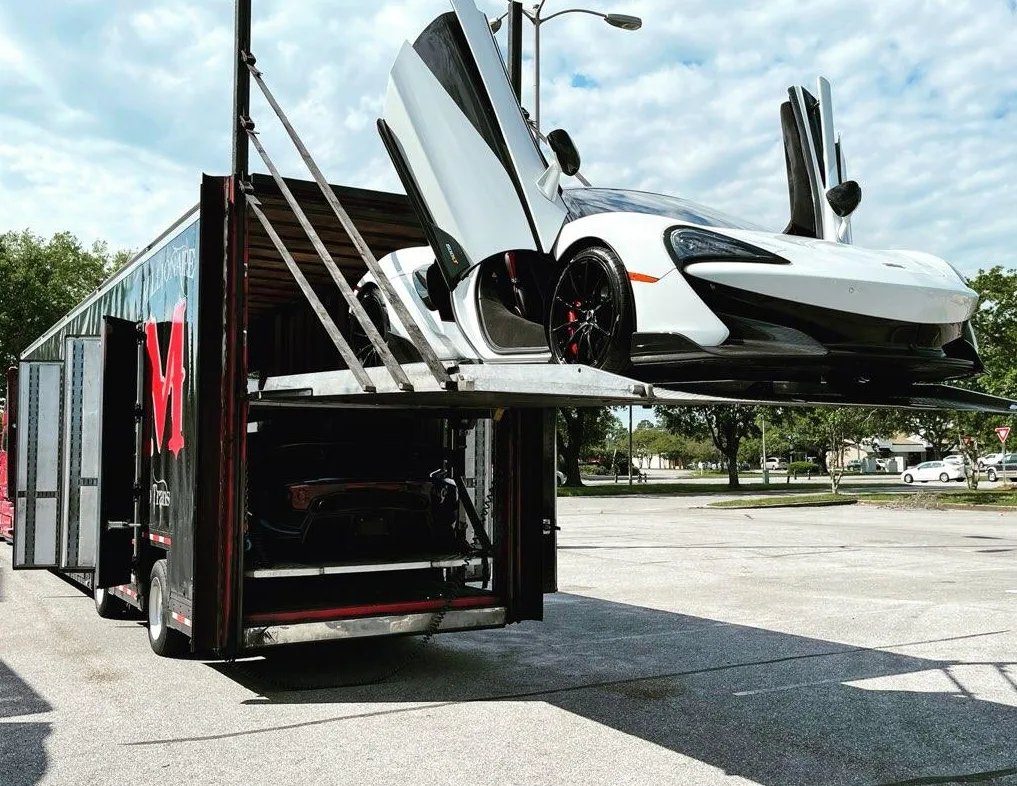
Does Choosing Open or Enclosed Transport Change Your Wait Time?
It absolutely does, but maybe not the way you'd expect. Open carriers make up roughly 85% of the trucks on the road, which means there are simply more options available on any given day. Our Open vs Enclosed Auto Transport comparison shows open pickup happens 2 to 4 days sooner on average.
Enclosed carriers are a smaller fleet, and they tend to run specific corridors between high-value markets. If you're shipping a collector car from Scottsdale to a buyer in Connecticut, you might wait 7 to 12 days for an enclosed truck versus 2 to 4 days for an open one. Once the vehicle is actually loaded, though, the drive time is about the same for either type.
There's a flip side, though. Luxury & Exotic Car Transport on enclosed trailers often moves faster once loaded because those trucks carry just 2 to 6 vehicles instead of 8 to 10. Fewer stops, fewer detours, quicker door-to-door. So the initial wait is longer, but the in-transit portion is often shorter. It's a trade-off worth understanding.
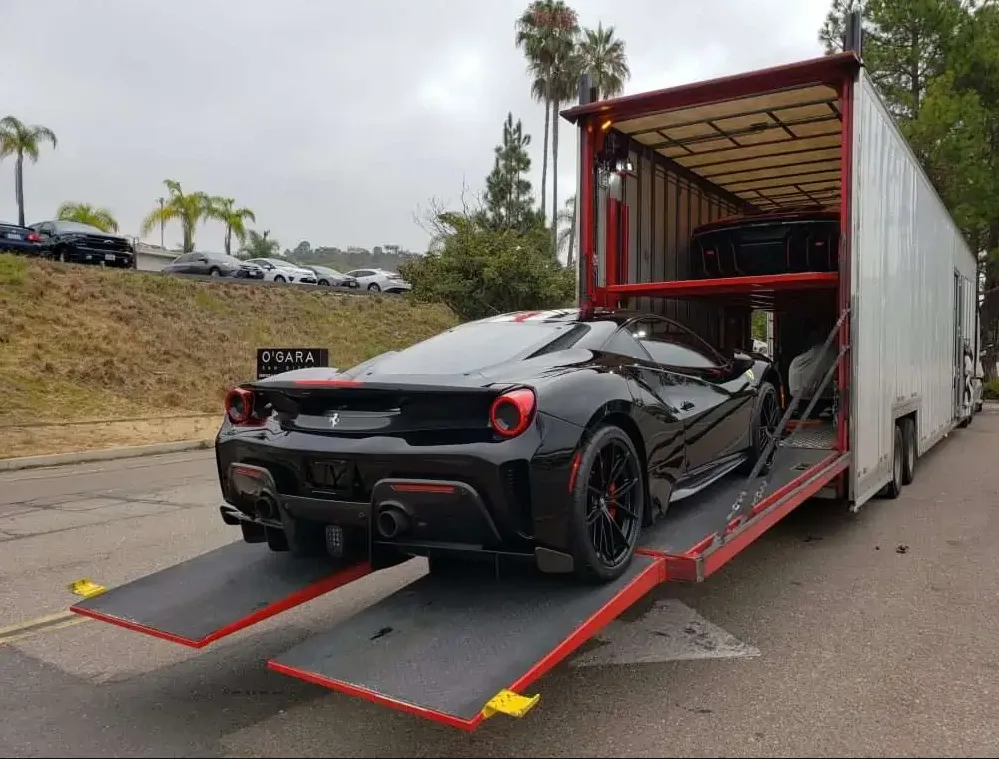
When Seasonal Demand Stretches Your Timeline
Summer shipping is a whole different ball game. From late May through mid-August, every carrier in the country is booked solid. College kids shipping cars to campus, military families on PCS orders, snowbirds heading back north - everyone's competing for the same trucks. During these months, add 3 to 6 extra days to whatever timeline you'd normally expect.
Winter months bring a different set of problems. Snowstorms shut down I-80 and I-90 for days at a time. Carriers avoid mountain passes through Colorado and Wyoming when conditions get bad. We've seen a Denver to Portland shipment get rerouted through Albuquerque and Los Angeles, adding 4 days but keeping the vehicle safe. Nobody wins when a car hauler jackknifes on black ice.
For the most predictable timelines, book in April, early May, September, or October. Carrier availability is solid, weather is generally cooperative across most of the country, and you won't be fighting the summer rush. We've noticed these shoulder months deliver on-time rates above 80%, compared to about 60% in peak July.
How Your Pickup and Drop-Off Spots Affect the Schedule
When we say "door-to-door," we mean as close to your door as a 75-foot car hauler can safely get. If you live on a quiet cul-de-sac with low-hanging trees and tight turns, the driver might ask you to meet at a shopping center parking lot a mile away. Gated communities with height limits are another common sticking point. None of this changes the timeline much, but it's good to know upfront.
What really affects timing is whether you're in a metro area or out in the sticks. Cities like Phoenix, Dallas, Atlanta, and Chicago get carrier traffic every single day. We can often arrange pickup within 48 hours for those locations. Rural areas are a different story. A customer outside Cody, Wyoming waited 11 days last fall because the only two carriers working that region were committed to other loads first.
Here's something worth thinking about: the final stretch causes more delays than the cross-country portion. A car can travel from Los Angeles to the Atlanta metro in 5 to 7 days without a hitch. But getting it from the Atlanta hub to a farmhouse 90 minutes south of town? That last-mile delivery is where 2 to 3 extra days sneak in.
The Top Reasons Auto Transport Runs Behind Schedule
Truck breakdowns are the number one culprit we deal with. A blown tire on a loaded 10-car hauler in the middle of west Texas doesn't get fixed in an hour. Parts have to come from somewhere, a mobile mechanic has to get there, and sometimes the truck needs a tow to a shop. We've had situations where a breakdown in a remote area added 5 full days to every vehicle on that trailer.
Weather isn't limited to winter either. Summer wildfire smoke closed I-5 in Oregon for three days last August, and we had to reroute six loads through Nevada. Hurricane season along the Gulf Coast creates chaos from June through November. Even a line of severe thunderstorms can push a pickup back a day when the driver can't safely operate a hydraulic ramp in 60 mph wind gusts.
There's also a legal limit on how long a driver can be behind the wheel. Federal Hours of Service rules cap it at 11 hours of driving per 14-hour shift, with a mandatory 10-hour rest period between shifts. So even if your car is sitting on a truck 40 miles from your house, the driver might be parked at a rest stop sleeping because that's what the law requires. Nobody can bend those rules.
Five Ways to Shorten Your Auto Transport Timeline
The single most effective thing you can do is be flexible with your pickup date. If you give us a 3 to 5-day window instead of insisting on one specific day, we can match you to the first available carrier on your route. That flexibility alone trims 2 to 5 days off the total process because we're not waiting around for one particular truck.
Choosing terminal-to-terminal instead of door-to-door is another shortcut. You drive your car to a nearby shipping yard (usually a major truck stop or transport hub), and it gets loaded straight onto the next available carrier. No detours into residential neighborhoods. This saves 1 to 3 days and usually knocks $75 to $150 off the price too.
When time is critical, expedited shipping is worth every penny. We bump your vehicle to the top of the dispatch board and sometimes arrange dedicated or hotshot transport. It costs an extra $250 to $550 depending on the route, but it can cut your total timeline nearly in half. We use this option a lot for Military Auto Shipping when service members are working against hard deployment deadlines.
Step by Step: What Happens After You Book Transport
Here's the honest breakdown. Phase one is carrier matching, which takes 1 to 7 days depending on your route, flexibility, and the time of year. This is where most of the "wait" lives. Phase two is the actual pickup, where the driver arrives and loads your vehicle. Phase three is transit, which is the part most people think about but is actually the most predictable portion of the whole thing.
Communication-wise, here's how it works with us. Once we assign a carrier, you'll hear from us 24 to 48 hours before the pickup window opens. The driver will call you directly about 2 to 4 hours before they arrive. While your car is on the road, you'll get check-in updates roughly every 24 to 36 hours. We don't promise real-time GPS tracking because most carriers don't offer it, and companies that claim they do are usually fibbing.
Delivery mirrors pickup. The driver calls 2 to 4 hours out so you can be ready. You'll do a walk-around inspection with the driver and sign off on the condition report before handing over the balance payment. If you can't be there in person, you can name someone else to accept delivery, but they'll need a copy of your authorization, a valid photo ID, and access to your payment method. That's a DOT requirement, not just our policy.
Expected Delivery Windows by Distance and Location Type
| Mileage | Interstate Corridor (Days) | Mid-Size City (Days) | Rural Area (Days) |
|---|---|---|---|
| Under 300 miles | 1-3 | 2-5 | 4-8 |
| 300-800 miles | 3-5 | 4-7 | 6-11 |
| 800-1,500 miles | 5-8 | 6-10 | 9-15 |
| 1,500-2,500 miles | 8-11 | 10-13 | 13-19 |
| Over 2,500 miles | 11-14 | 13-17 | 16-22 |
When you call for a quote, don't ask "how long is transit?" Ask "what's the total time from the day I book to the day I get my car?" That includes carrier matching, pickup wait, and actual driving. The difference between those two answers can be 5 to 10 days.
Key Takeaways
Auto Transport Timeline FAQs
Straight answers from our dispatch team, based on years of real shipment data.