Open vs Enclosed Car Shipping: Which One Should You Pick?
This is the question we answer most often at our Phoenix office. After booking 47,000+ shipments since 2018, we've seen exactly when open makes sense, when enclosed is worth the extra money, and when people waste cash going enclosed when they didn't need to. Here's the full picture.
Ship Your Car Today
Get a quote or talk to our team right now

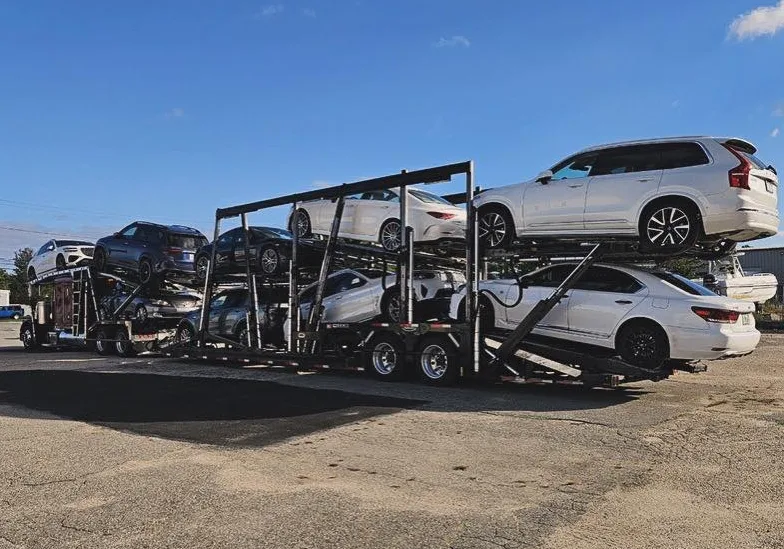
Open and Enclosed Trailers: What's Actually Different?
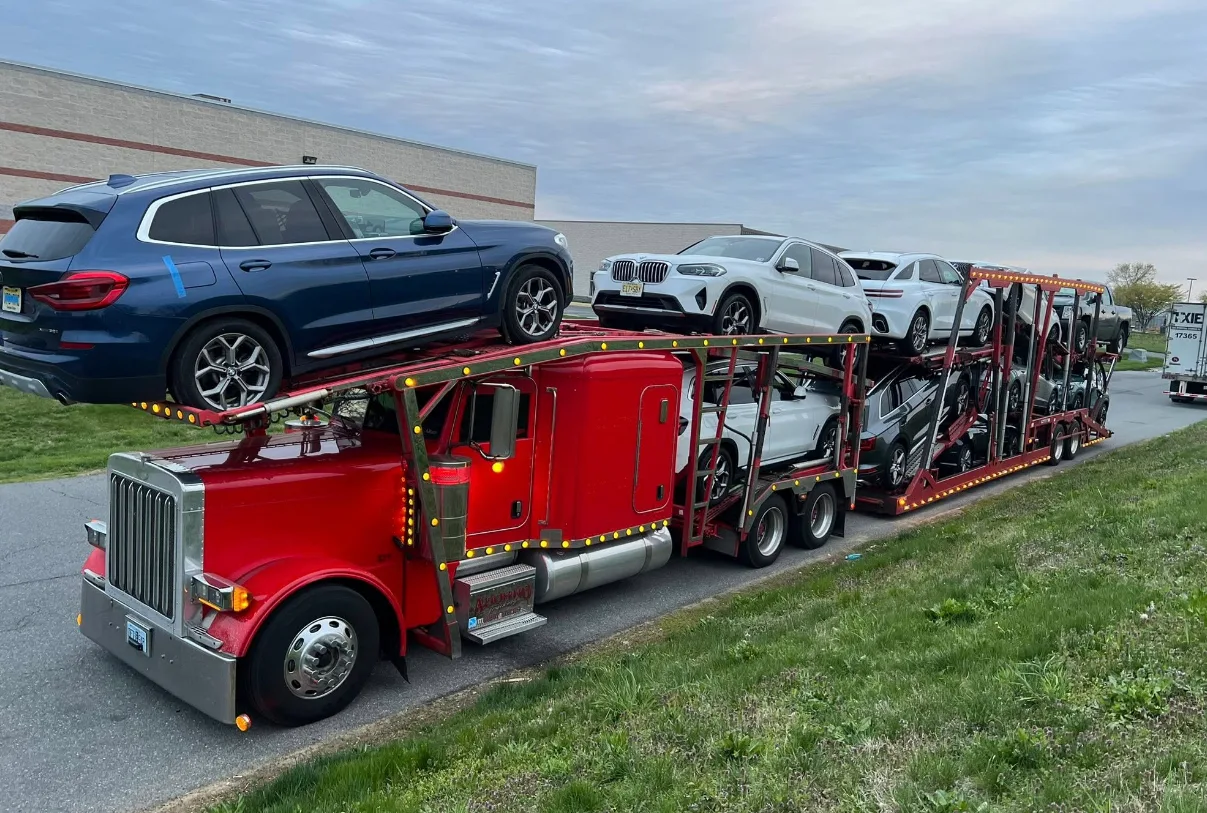
Open carriers are the multi-level car haulers you see on every highway in America. Your vehicle rides on an exposed two-tier rack alongside 7 to 10 other cars. It's out in the elements, which means sun, rain, wind, and road grit can all reach the paint. That said, it's the same way brand-new cars get delivered from factories to dealerships every day.
Enclosed carriers are fully walled trailers. Hardside or softside panels surround your vehicle on all sides, shielding it from weather, road debris, UV exposure, and curious onlookers. Think of it like putting your car inside a moving van. Everything stays sealed and climate-controlled for the entire trip.
The price gap between the two is significant. Open transport runs $450 to $1,300 for most routes, while enclosed costs $800 to $2,200 on those same routes. That's a 40 to 65% premium for the enclosed option. But cost is only one factor. Availability, wait times, and what your car is actually worth all play into the right choice.
What Open Carrier Transport Costs in 2026
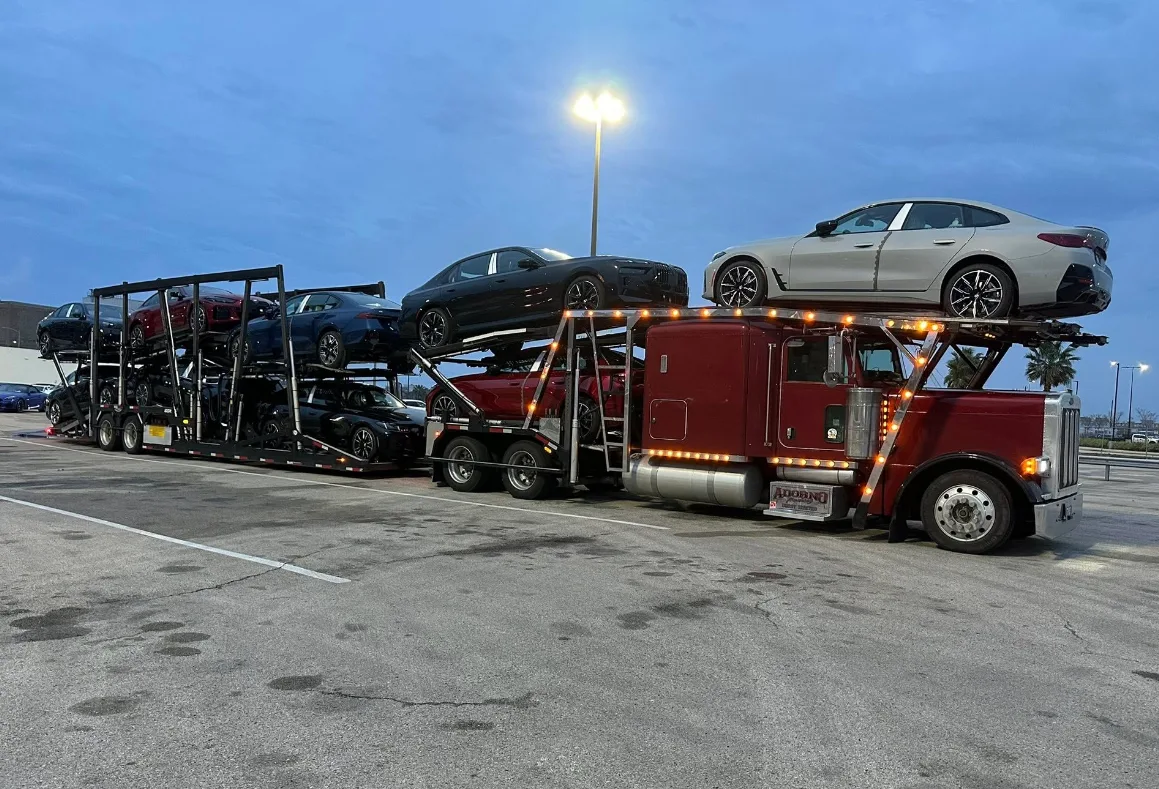
Open transport pricing for most routes falls between $450 and $1,300 in 2026. Short runs under 500 miles can come in as low as $400. Coast-to-coast moves from California to the East Coast typically land between $1,100 and $1,300 for a standard sedan. Trucks and SUVs add $100 to $350 depending on size.
Time of year makes a huge difference. June through August pricing runs 20 to 30% above the yearly average because demand skyrockets. The snowbird rush in October and November, with cars heading from the Midwest and Northeast to Florida, also pushes prices up on those specific corridors.
Long Distance Auto Transport rates depend heavily on which interstate your car is traveling. A busy corridor like I-10 (Phoenix to Jacksonville) or I-95 (Miami to New York) costs less per mile because carriers already have loads heading that direction. Shipping between two cities that aren't on a major route, like Flagstaff to Boise, costs more because the carrier has to make special arrangements.
When Enclosed Transport Is Worth Every Dollar
If your car is worth $60,000 or more, or if it's something that simply can't be replaced, enclosed is the right call. We shipped a 1970 Plymouth 'Cuda from a Barrett-Jackson auction last year, and the owner told us flat-out that no amount of savings was worth risking a rock chip on a $230,000 car. That's the right attitude.
Beyond high-dollar vehicles, we recommend enclosed for convertibles with fabric tops, freshly painted cars, anything with exposed carbon fiber, and vehicles with lowered suspensions that could scrape on a standard open carrier ramp. If the cost to repair cosmetic damage would exceed the enclosed premium, the math speaks for itself.
Military Auto Shipping customers heading to overseas posts sometimes choose enclosed for the domestic portion of their move because the car may sit in a staging area or port for days before being loaded onto a ship. Extended outdoor exposure adds up, and enclosed keeps everything clean and protected until the car reaches its next transport phase.
What Can Actually Happen to Your Car on an Open Carrier?
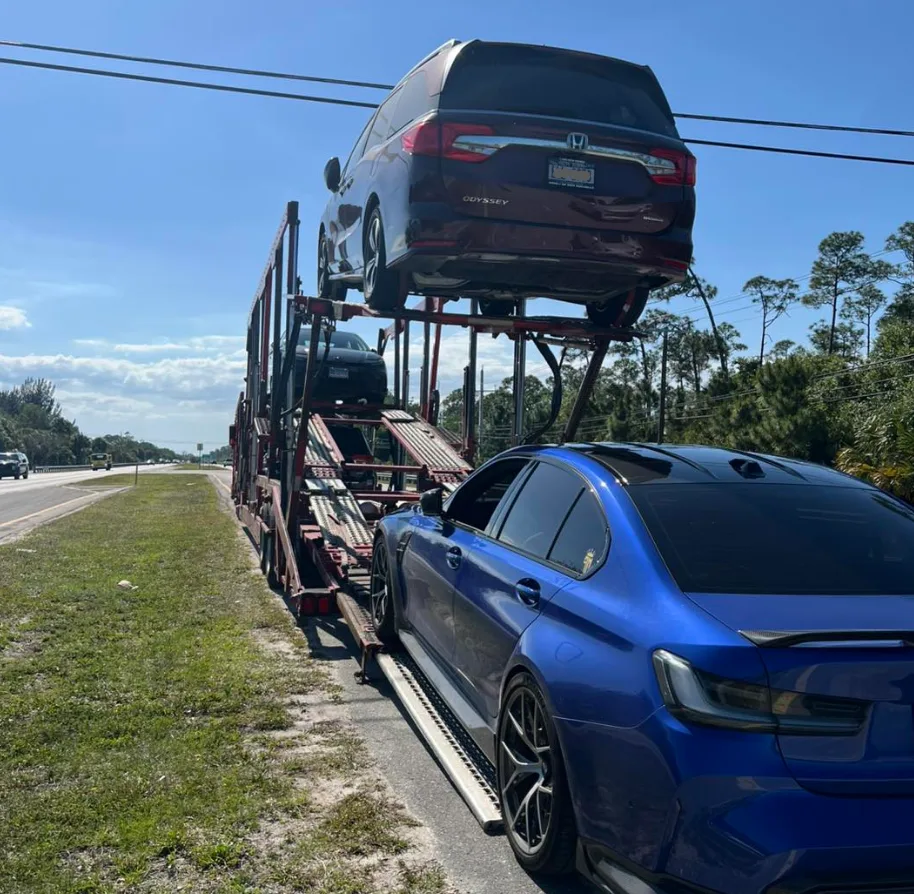
Let's be straight about it: your car is riding outdoors at highway speeds for days. Road debris happens. We've seen small gravel chips on hoods, bug splatter that needed clay bar treatment, and dust buildup from desert stretches. Those are the common minor issues. Serious damage like cracked windshields or dented body panels? We're talking well under 1% of all open transport shipments.
Seasonal factors play a role. Tree sap during summer drives through Georgia and the Carolinas is annoying but washes off. Winter road salt on Midwest and Northeast routes can leave a film on the paint. Arizona dust storms between Tucson and Phoenix coat everything in fine grit. For most people shipping a daily driver, these are acceptable trade-offs when the alternative costs $500 to $800 more.
Our cargo insurance covers meaningful damage up to $250,000 per vehicle. But the reality is that most minor cosmetic issues (a small paint nick, some pollen residue) fall below the deductible threshold, so you'd handle those out of pocket. If your car's paint job is factory standard on a 5-year-old sedan, open transport is absolutely fine.
How Weather Should Influence Your Open vs Enclosed Decision
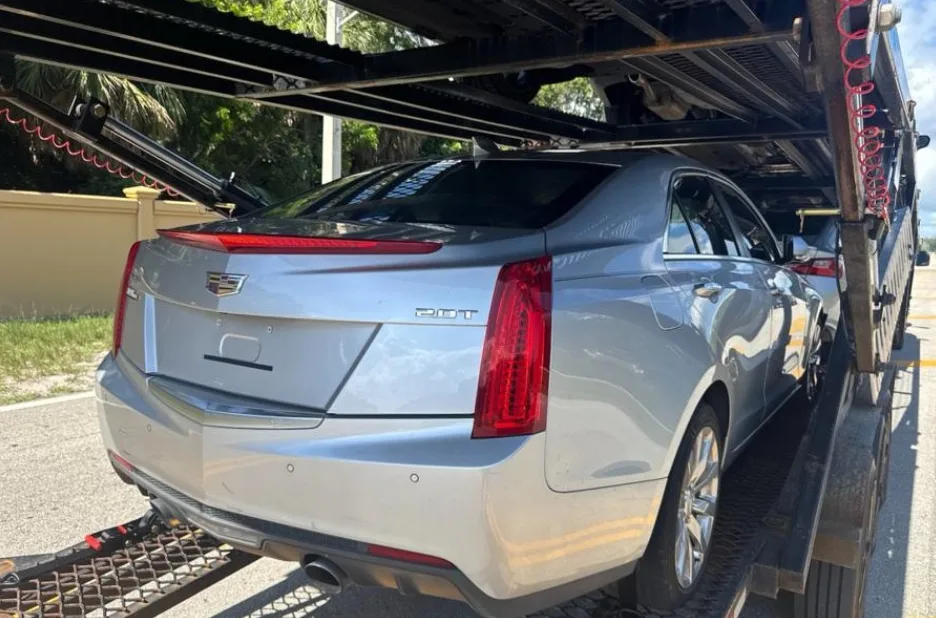
Shipping through the Midwest or Northeast in January means your car is exposed to road salt spray on open carriers. Spring routes through the Southeast coat everything in yellow pollen. Summer anywhere in the Sun Belt means your car bakes under direct UV for up to a week straight. These are all real factors, but they're also temporary and washable in most cases.
Enclosed transport removes weather from the equation entirely. Rain, hail, salt, dust, UV, bird droppings, none of it reaches your car. We've had enclosed trailers pass through severe hailstorms in central Texas where the driver pulled over and every car inside was untouched. Open transport customers on that same route needed paint touch-ups.
That said, weather-related damage on open carriers is still uncommon. Our drivers monitor forecasts and route around severe weather when they can. Most open transport vehicles arrive with nothing worse than road dust or a few bugs. If your car is a standard daily driver and you're not worried about a little dirt at delivery, open works great year-round.
How Vehicle Size Affects Your Open vs Enclosed Options
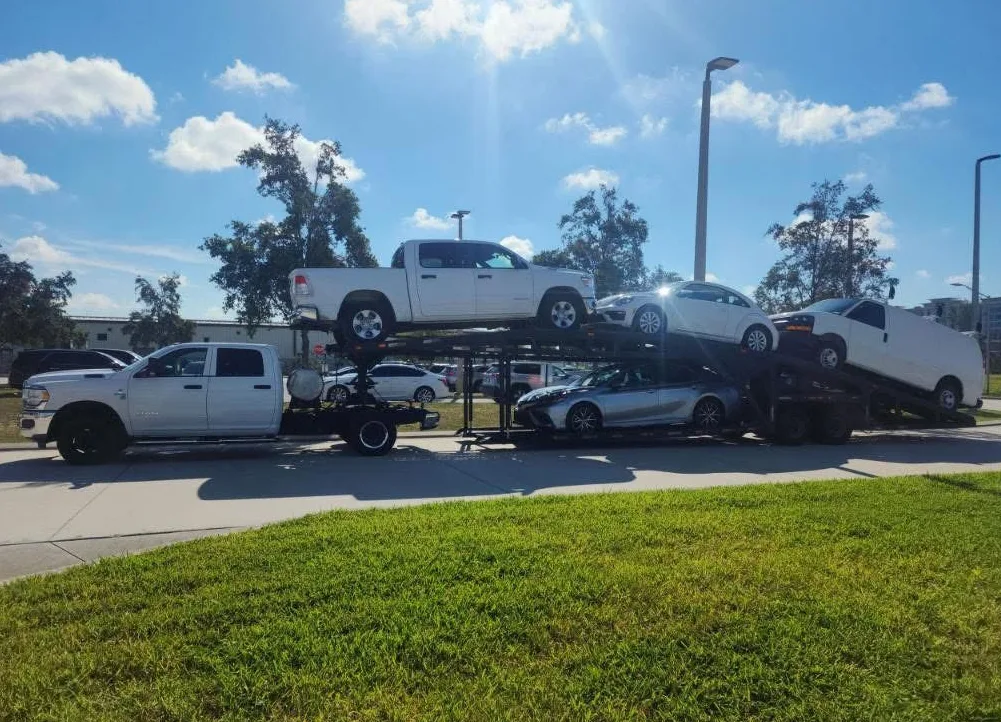
Bigger vehicles cost more on both carrier types, but the impact is sharper on enclosed. An enclosed trailer typically holds 2 to 6 cars, compared to 8 to 10 on an open carrier. So a full-size truck that takes up two spots on an enclosed trailer is eating a much larger percentage of the carrier's capacity and revenue. Expect the enclosed premium for large vehicles to be higher than for compact cars.
Height is another constraint. Standard enclosed trailers have interior clearance limits, usually around 6'8" to 7'. If you've got a lifted truck with 35-inch tires, it might not physically fit in an enclosed trailer. We've had to reroute customers with modified F-250s and Wranglers to specialty flatbed enclosed carriers, which cost more and have even less availability.
College Student Car Shipping is a perfect example of where open transport makes total sense. Most college cars are Civics, Corollas, and Elantras in the $8,000 to $20,000 range. Paying $600 more for enclosed protection on a car worth that little doesn't pencil out. Save the enclosed budget for vehicles where the math actually justifies it.
Pickup Speed and Scheduling: Open vs Enclosed
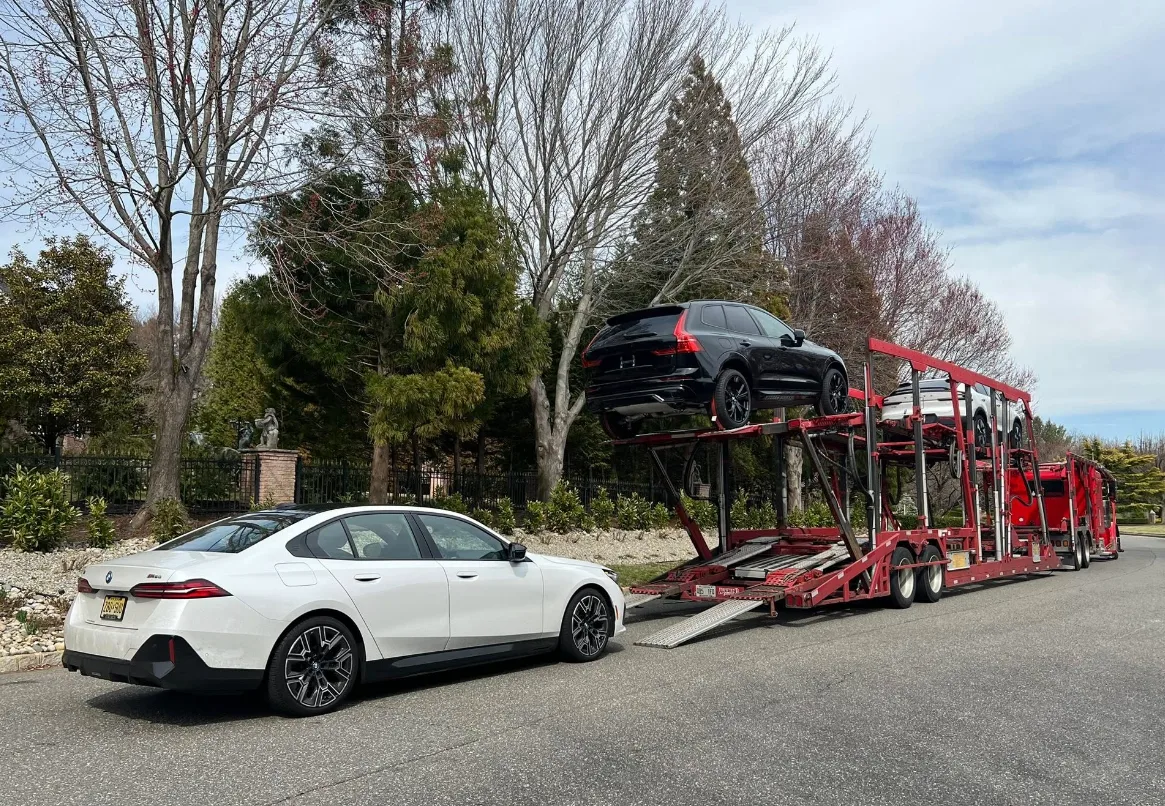
This is where the two options differ the most. Open carriers make up about 85% of the trucks on the road, so we can usually match you to one within 2 to 4 days on popular routes. Big cities like Phoenix, Dallas, Atlanta, and Chicago often see same-week or even next-day availability for open transport.
Enclosed carriers are a much smaller pool. Expect 5 to 10 days to arrange pickup, and sometimes longer on rural or less-traveled routes. During peak summer months, enclosed wait times can stretch to 2 weeks because the handful of enclosed trucks out there are fully committed. If timing is important, plan ahead.
Both options support door-to-door and terminal-to-terminal service. Terminal-to-terminal saves money on either type, but the percentage savings tend to be larger on enclosed since the base cost is higher. If you're willing to drive 30 minutes to a shipping yard, you can shave $100 to $200 off an enclosed quote and sometimes get matched to a carrier faster.
Questions to Ask Before Booking Open or Enclosed
Don't just ask "how much?" Ask about insurance specifics: what's the per-vehicle coverage limit, what's the deductible, and how does the claims process work? We're USDOT licensed and carry up to $250,000 per vehicle, but not every company you find online has those credentials. Some operate with minimum coverage that won't even cover a fender repair on a newer car.
Nail down realistic timelines. How long from booking to pickup? What's the expected delivery window? And what happens when weather throws a wrench in the plan? If you're shipping in March or April and the route crosses tornado alley, a good broker will tell you about potential delays upfront instead of pretending they don't exist.
Ask how the company vets its carriers. Our team has built relationships with tested carriers over 7+ years. We know which drivers handle enclosed loads carefully and which open carriers consistently deliver on time. When a broker sends your car with the first random trucker who bids lowest, you're rolling the dice. The difference between a $1,100 quote and a $900 quote is often the quality of the carrier behind it.
Open vs Enclosed Auto Transport at a Glance
| Category | Open Carrier | Enclosed Carrier |
|---|---|---|
| Price Range | $450-$1,300 | $800-$2,200 |
| Weather Shield | Exposed to elements | Fully sealed and protected |
| Carrier Wait | 2-4 days typical | 5-10+ days typical |
| Cars Per Load | 7-10 vehicles | 2-6 vehicles |
| Ideal For | Sedans, SUVs, daily drivers | Exotics, classics, luxury, convertibles |
| Insurance | Up to $250k standard | Up to $250k + enhanced options |
| In-Transit Speed | More stops, slightly longer | Fewer stops, often quicker once loaded |
| Updates | Every 24-36 hours | Similar, sometimes more frequent |
About 85% of our 47,000+ shipments have gone on open carriers, and customer satisfaction on those runs is consistently above 95%. Enclosed is the right tool for specific jobs, but open transport handles the vast majority of vehicles safely and affordably. Don't overspend on enclosed when your car doesn't need it.
Key Takeaways
Open vs Enclosed Transport FAQs
Common questions answered by our Phoenix team, based on 47,000+ shipments across both carrier types.