What Auto Transport Brokers Do Behind the Scenes (And Why You Should Care)
There's a stat that surprises almost everyone who ships a car for the first time: roughly 85% of vehicles transported in the U.S. are booked through brokers, not directly with the driver. At National Auto Transport in Phoenix, we've coordinated thousands of shipments since we opened our doors, and we can tell you firsthand that most folks don't understand the mechanics of this business until they're in the middle of it.
Ship Your Car Today
Get a quote or talk to our team right now

So What's an Auto Transport Broker, Anyway?
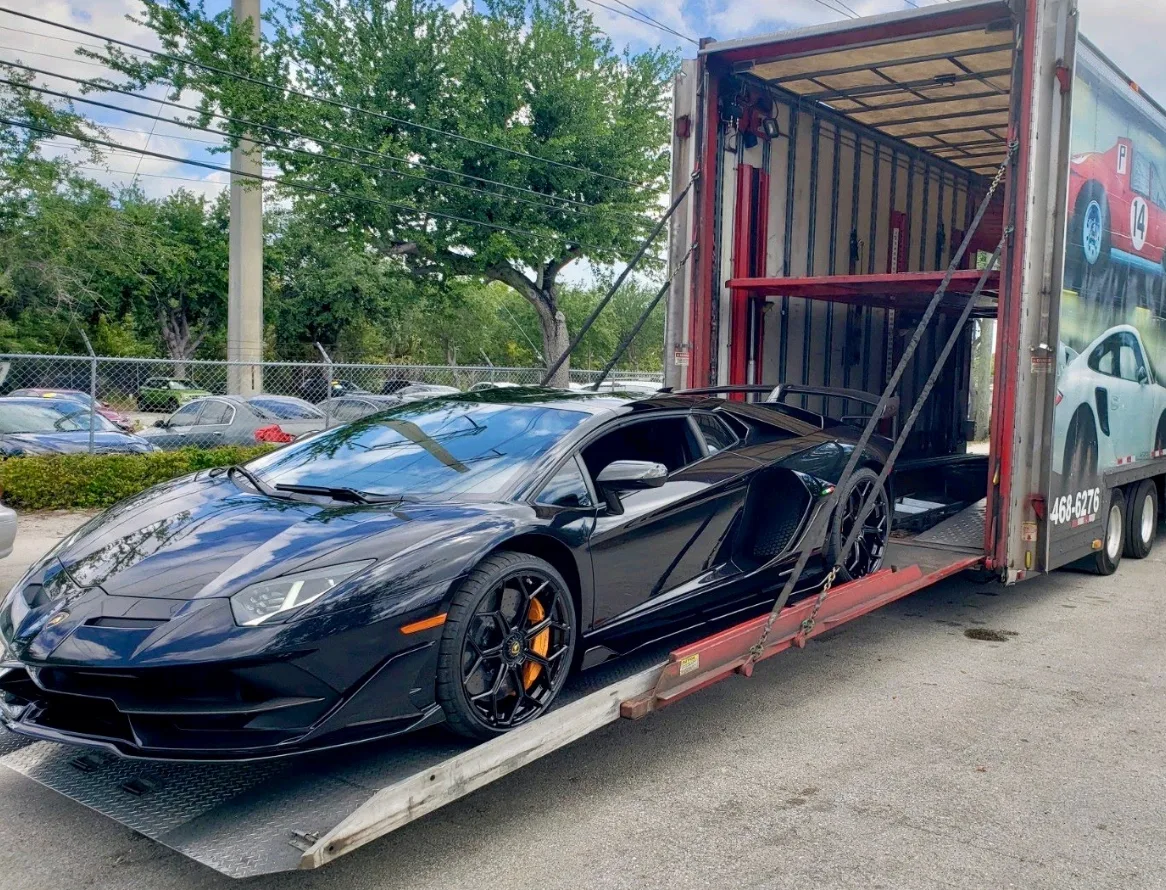
In plain terms, a broker is the coordinator between you and the trucking company that physically hauls your vehicle. We don't drive the 80-foot car carriers you see rolling down I-10. What we do is pair your shipment with the right carrier heading in the right direction at the right time.
National Auto Transport works with a network of several hundred pre-screened carriers spread across all 50 states. If you need your Toyota Camry moved from Jacksonville to Seattle, we'll locate a licensed hauler running that corridor, lock in your rate, and manage the paperwork from pickup to drop-off.
Most people actually prefer going through a broker. You get a single phone number to call, a dedicated team tracking your shipment, and a company that's accountable if something goes wrong along the way. We hold FMCSA broker authority and maintain contingent cargo insurance covering up to $250,000 per vehicle.
Without a broker in the mix, you'd be scrolling through load boards and calling random owner-operators hoping one of them is insured, available, and heading your direction. That's a lot of guesswork for something as valuable as your car.
Where Does the Broker's Cut Come From?
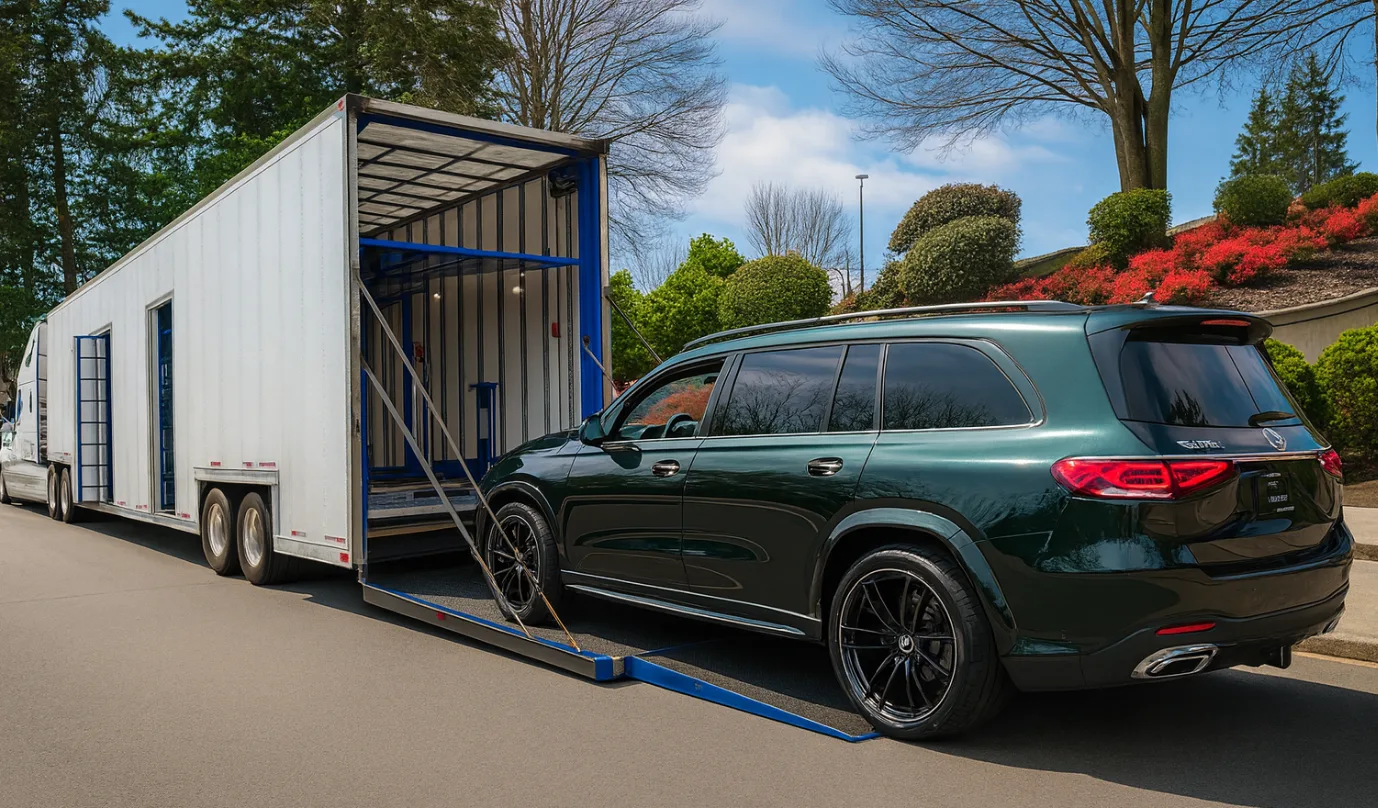
The revenue model is straightforward. There's a margin between what you pay us and what we pay the carrier, and that margin funds the operation.
Here's a real-world example: You get a quote for $1,350 to move your SUV from Dallas to Baltimore. We'll dispatch that load to a carrier for somewhere around $1,050 to $1,150, and the remaining $200 to $300 covers our FMCSA licensing, cargo insurance premiums, office staff, and our margin.
A lot of people assume they'd save big by cutting out the middleman. But here's the part that catches people off guard: carriers frequently charge walk-in retail customers higher rates than what brokers negotiate. We send them steady volume, handle the scheduling headaches, and pay invoices within days instead of weeks.
We had a customer last quarter who got our quote, then went directly to the carrier to try and save a few bucks. The carrier's retail price was $175 more than what we'd quoted. He booked through us that afternoon.
Why Most Carriers Don't Want to Deal with Retail Customers
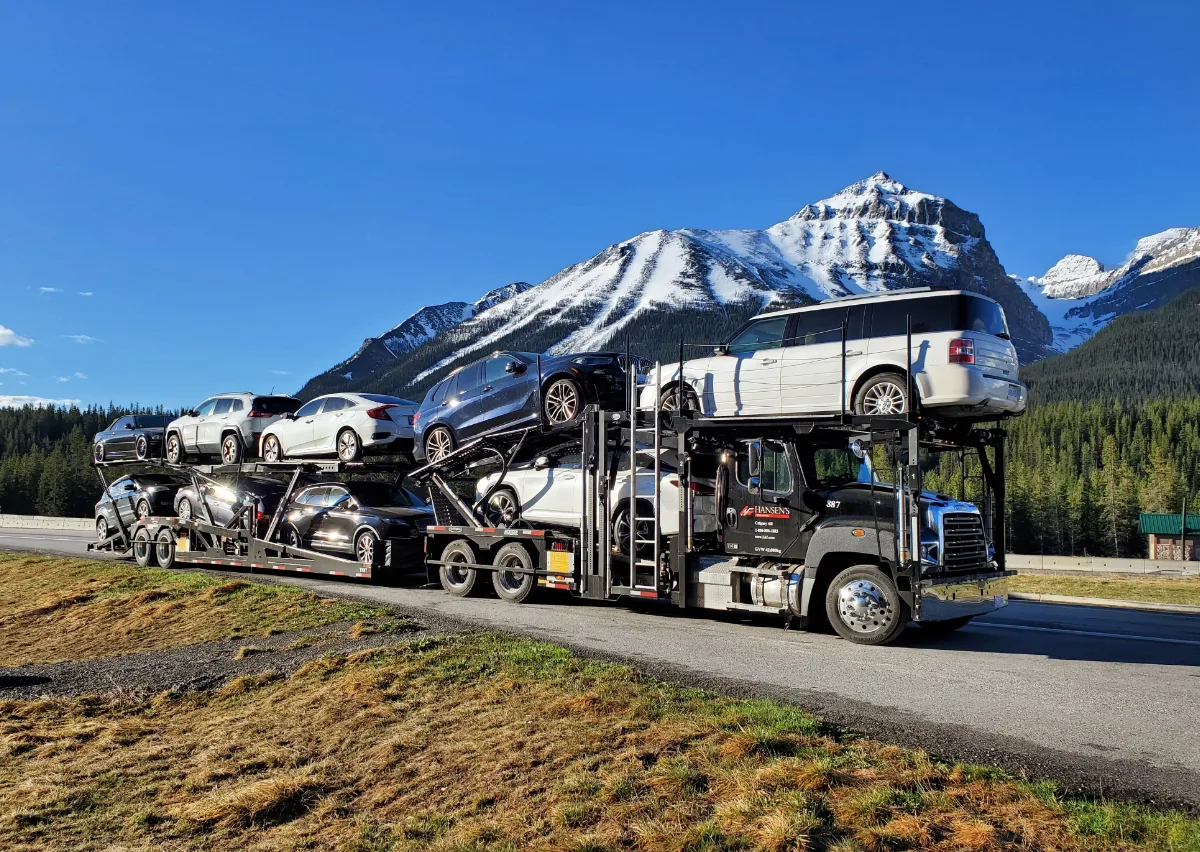
The typical auto transport carrier is a one-truck or two-truck operation. The owner is also the driver, the mechanic, and the dispatcher. Their day starts at 5 AM and ends whenever the last delivery is done.
Think about it this way: A standard open carrier fits 7 to 10 vehicles per load. That's potentially 10 different customers calling with questions about ETAs, weather delays, and pickup windows. Meanwhile, the driver is merging onto I-95 in rush hour traffic trying not to clip an overpass.
That's where we come in. We field every call, respond to every email, and handle every scheduling change so the driver can stay focused on the road and deliver vehicles safely.
There's another wrinkle most people don't consider. Carriers tend to specialize in particular corridors. A hauler who runs the I-95 loop from Miami to Boston probably can't help you with a shipment from Boise to Memphis. We maintain relationships with carriers covering every major lane in the lower 48.
How We Select and Screen Every Carrier Before Dispatch
Once you book, we post your shipment on central dispatch boards where carriers bid for the load. Think of it like a freight marketplace. But picking the cheapest bidder isn't how we operate.
Every carrier goes through a compliance check before we'll assign a single vehicle. We verify their USDOT number, confirm active insurance certificates, and review their FMCSA safety score. If there's a recent out-of-service violation or a lapsed policy, they're off our list immediately.
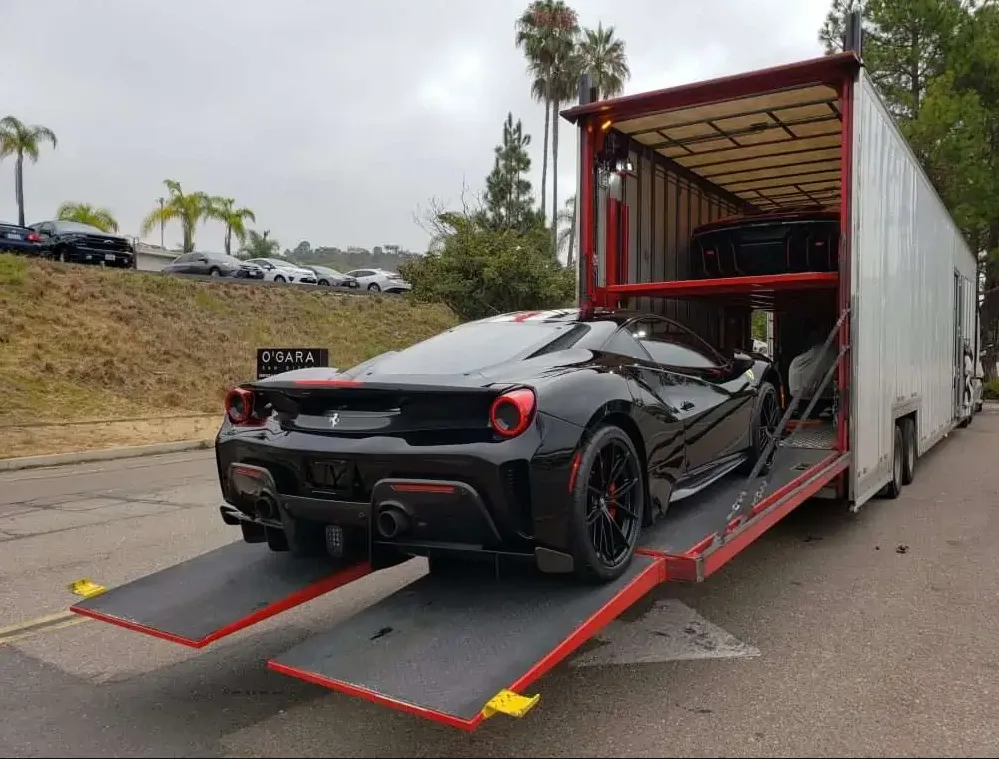
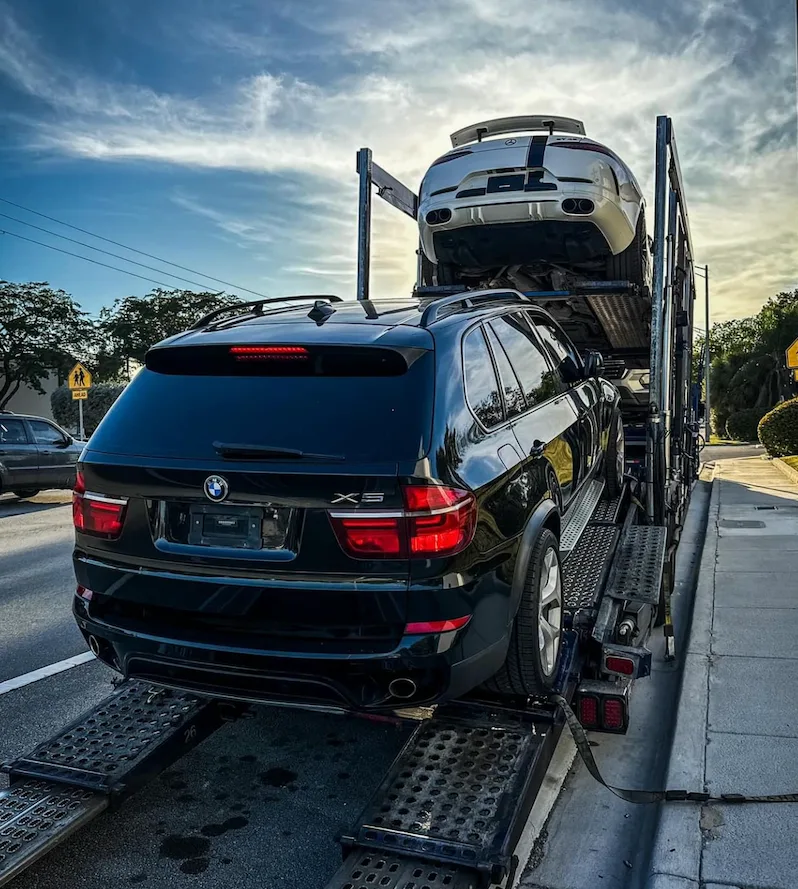
Equipment matters too. Luxury & Exotic Car Transport demands enclosed hard-side trailers and drivers with documented high-value experience. Standard sedan and SUV shipments go to carriers with solid safety records and well-maintained open rigs.
Here's something you won't hear from most companies in this space: We routinely pay a carrier $40 to $75 more than the cheapest bid because we've worked with them before and trust their operation. That small premium means your vehicle shows up on schedule and without a scratch.
The Actual Schedule: What Happens After You Book
People always want to know "how long does this whole thing take?" Here's the honest breakdown from the moment you confirm your order.
Days 1 through 3: Your load goes live on the dispatch board and carriers start placing bids. High-traffic lanes like Cross Country Car Shipping from Phoenix to the East Coast tend to get matched within 24 to 48 hours. Rural pickups or less common routes can stretch to 3 or 4 days.
Days 3 through 5: We lock in your carrier and forward their name, phone number, and insurance details to you. The driver reaches out directly to nail down a 2 to 4 hour pickup window.
Days 5 through 14: Actual transit varies by mileage. Coast-to-coast runs from California to Florida or New York average 8 to 12 days. Regional hauls like Phoenix to Denver or Atlanta to Nashville might wrap up in 3 to 5 days.
Summer months (June through August) and January's snowbird season are the busiest windows. We pad our time estimates to account for weather slowdowns, fuel stops, and mandatory rest periods because the road always has a few surprises.
Dealing with Damage, Delays, and Disasters
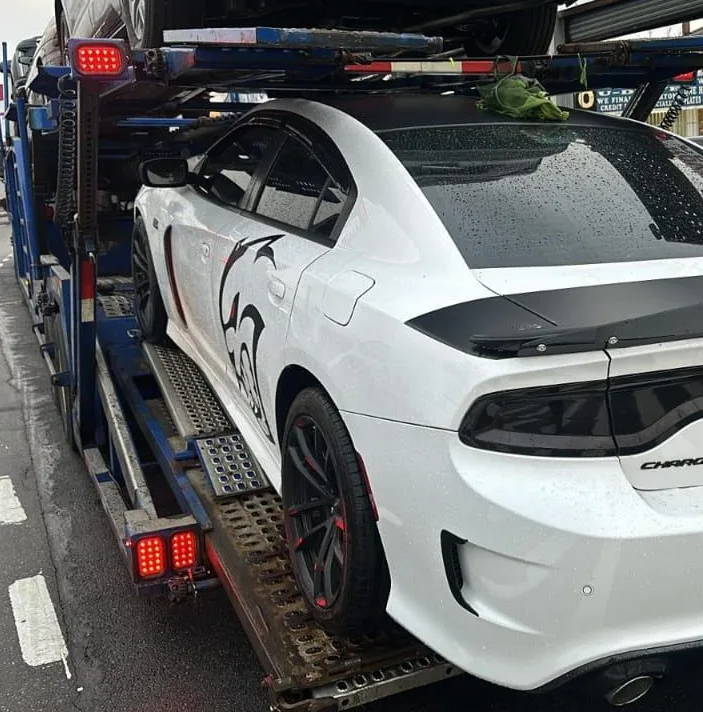
No matter how carefully we screen carriers, the open road isn't predictable. Mechanical breakdowns happen. Storms reroute trucks. And once in a while, a vehicle picks up a ding during loading or unloading. That's reality.
The reason you want a licensed broker in your corner is claims management. If your car arrives with damage, we document it, file the insurance claim on your behalf, chase the adjuster for updates, and push for a fair payout. Doing that solo against a carrier's insurance company is a miserable process.
We dealt with a situation in 2025 where a carrier's hydraulic lift failed during unloading outside Tucson. Two vehicles sustained body damage. Our team had both claims filed within 72 hours, arranged alternate transportation for the owners, and both customers received full repair settlements inside 30 days. Customers who book direct with carriers rarely get that kind of follow-through.
We also carry contingent cargo insurance that kicks in above the carrier's primary policy. So if a carrier's coverage falls short, you've still got a safety net protecting your vehicle's value.
Should You Book Through a Broker or Go Direct to a Carrier?
We'll be upfront: we're a brokerage, so we've got skin in the game. But the numbers tell the story. Industry data shows that the vast majority of consumer auto shipments in the United States go through broker channels rather than direct carrier bookings.
Going direct can trim your cost if you happen to connect with a reliable, insured carrier running your exact route at the right time. That's a lot of "ifs." You're also responsible for vetting their credentials, chasing down updates, and handling any claims yourself.
A broker gives you a bench of backup options. If your carrier's truck breaks down in Albuquerque, we reassign the load to another hauler the same day. We manage the logistics end to end so you don't need to become a freight expert or study up on What Insurance Covers Your Car During Transport.
The price gap between broker and direct is typically $150 to $300 on a cross-country shipment. For most customers, that spread buys professional coordination, accountability, and backup coverage that's hard to replicate on your own.
Telling a Trustworthy Broker from a Shady One
This industry has its share of bad actors, and they give the rest of us a bad name. Here's how to tell the difference before you hand over a deposit.
Start with credentials. Look up their FMCSA broker authority number on the federal Safer database. Reputable brokers like National Auto Transport display their USDOT number on their website, paperwork, and contracts. If a company dodges that question or gives you a number that doesn't pull up in the federal system, walk away.
Watch out for quotes that drastically undercut the competition. If four brokers quote between $1,100 and $1,300 and one comes in at $700, that's bait. They'll tack on fuel surcharges, oversize fees, or dispatch charges after you've already committed, or they'll assign your vehicle to an uninsured carrier to cover the gap.
Honest brokers set expectations early. We tell every customer about seasonal pricing swings, possible weather holdups, and exactly what the pickup experience looks like. Companies that promise guaranteed dates and rock-bottom prices are writing checks the industry can't cash.
Pay attention to how they treat the phone call. A professional broker asks about your vehicle details, your timeline flexibility, and any special requirements. If someone pressures you to book immediately and won't give you time to compare, that's a company to avoid.
Broker Booking vs. Direct Carrier Booking: Head-to-Head
| Factor | Using a Broker | Direct with Carrier |
|---|---|---|
| Typical Cost | $1,050 to $1,450 cross-country | $900 to $1,300 cross-country |
| Carrier Pool | Hundreds of vetted haulers nationwide | One company's fleet and schedule |
| Support Access | Office team available 7AM to 9PM daily | Driver's personal cell between stops |
| Backup if Canceled | Reassigned to alternate carrier same day | You restart the search from scratch |
| Damage Claims | Broker files and follows up for you | You negotiate with insurance directly |
| Carrier Screening | FMCSA, insurance, and safety verified | You run the background checks yourself |
| Booking Lead Time | Often dispatched within 1 to 3 days | May need to book 2 to 4 weeks ahead |
| Updates and Tracking | Proactive status calls and emails | Depends on whether the driver picks up |
We've talked to dozens of owner-operators over the years, and the feedback is consistent: the highest-earning carriers fill their trailers almost entirely through broker dispatches. They'd rather haul loads than answer phones and chase payments. Several of our top-performing carriers told us they stopped accepting direct retail bookings years ago because the admin work wasn't worth the savings.
What to Remember
Auto Transport Broker FAQs
Straight answers to the questions our Phoenix office gets asked the most.