Your First Car Shipment: The No-BS Walkthrough
We've handled over 38,000 vehicle shipments out of our Phoenix headquarters, and roughly 60% of those customers were first-timers. The pattern we see? People who spend 15 minutes learning the process save an average of $300 compared to those who just Google "cheapest car shipping" and click the first ad. This guide is that 15 minutes.
Ship Your Car Today
Get a quote or talk to our team right now

What Car Shipping Actually Costs in 2026
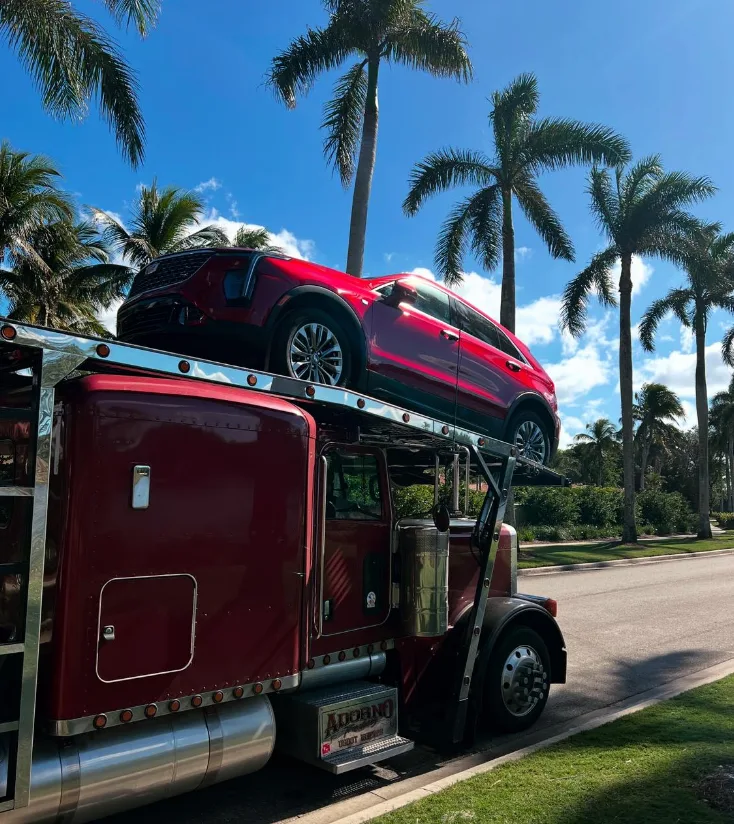
You'll pay somewhere between $550 and $1,350 for most domestic car shipments. The biggest factor is distance. A 300-mile run from Phoenix to Tucson or Flagstaff sits around $450, a mid-range haul like Phoenix to Denver lands near $750, and coast-to-coast jobs from Phoenix to Boston or Miami typically fall between $1,100 and $1,350. Those are real numbers we quoted last month, not some vague industry average.
Timing changes everything. June through August is the busiest stretch because military PCS moves, college relocations, and family moves all pile up at once. That demand spike pushes rates up 20-35% on popular corridors. If you can ship in February or March instead, you'll often save $200-$400 on the same route. Winter's bargain pricing comes with a trade-off, though: ice and snow on northern highways can tack on 1-3 extra transit days.
Your vehicle's dimensions play a role, too. A standard sedan like a Camry or Accord ships at baseline cost. An oversized truck like a Ram 3500 or a Suburban takes up more deck space and adds $100-$250 to the quote. Open Carrier Transport keeps costs lowest, while enclosed shipping runs roughly double for that extra layer of protection against weather, gravel, and road grime.
How Long Does It Really Take to Ship a Car?
From the day you book until your car rolls off the trailer, expect 5-14 days for most routes. That window breaks into two parts: carrier dispatch (1-5 days to match your order with an available truck heading your direction) and actual road time once the vehicle's loaded. Dispatch is the piece most first-timers don't account for, and it's the main reason quotes say "7-10 business days" instead of giving you an exact date.
Regional moves under 500 miles usually wrap up in 2-4 days of transit. A 1,000-mile trip like Phoenix to Dallas or Phoenix to Seattle takes about 4-6 days on the road. Full cross-country hauls (2,000+ miles) need 7-10 driving days because federal hours-of-service rules limit how long truckers can stay behind the wheel each shift.
Snowbird Car Shipping routes get slammed in October through November and again in March through April. During those windows, dispatch alone can stretch to 5-7 days because every carrier on I-75 and I-95 is booked solid. If you're flexible on dates, shifting your ship date by even a week can shave 2-3 days off the total timeline. Expedited service cuts the wait but adds 40-60% to the bill, so it's really only worth it for tight deadlines.
Open or Enclosed Shipping: Which One Makes Sense for You?
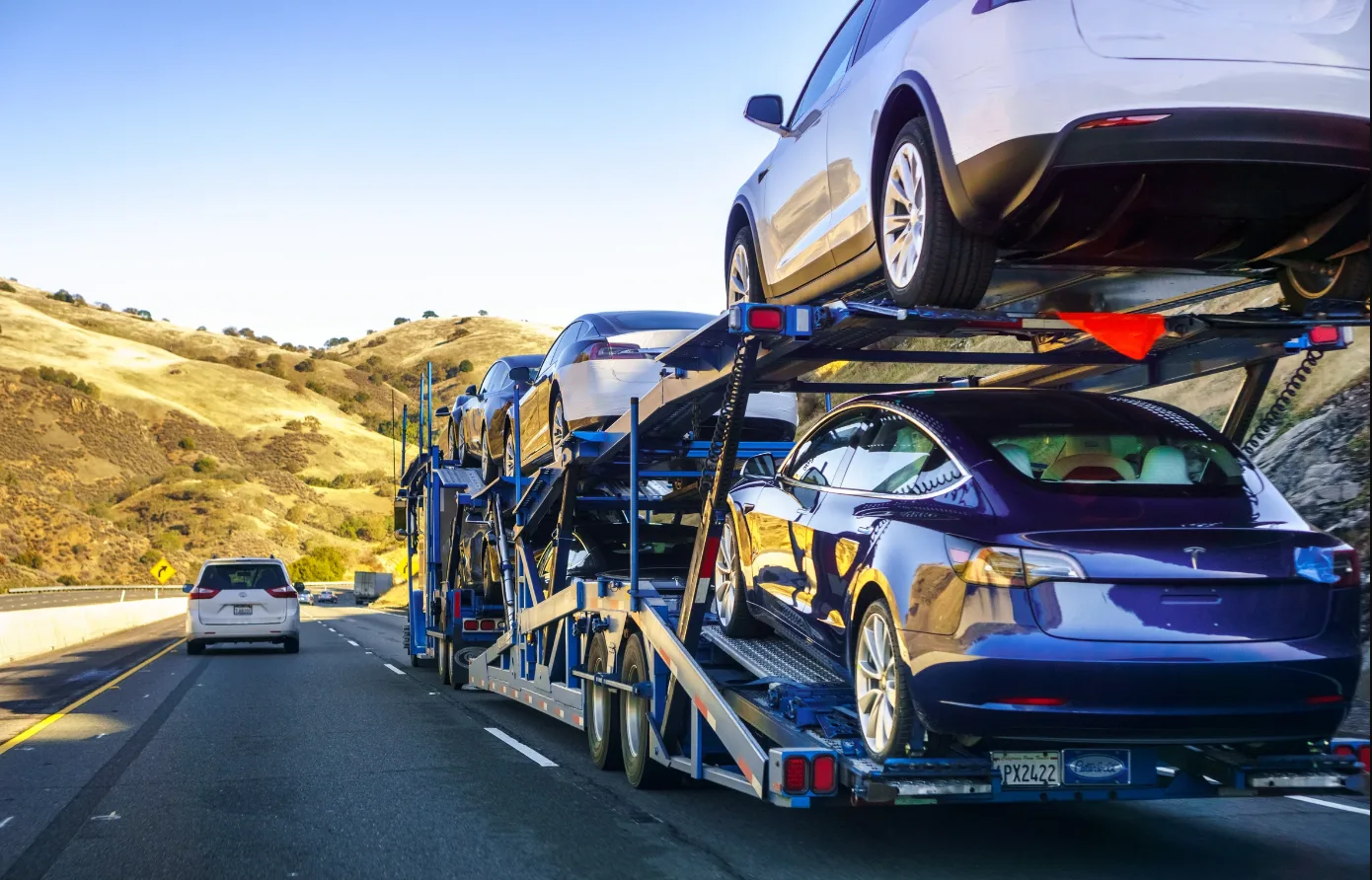
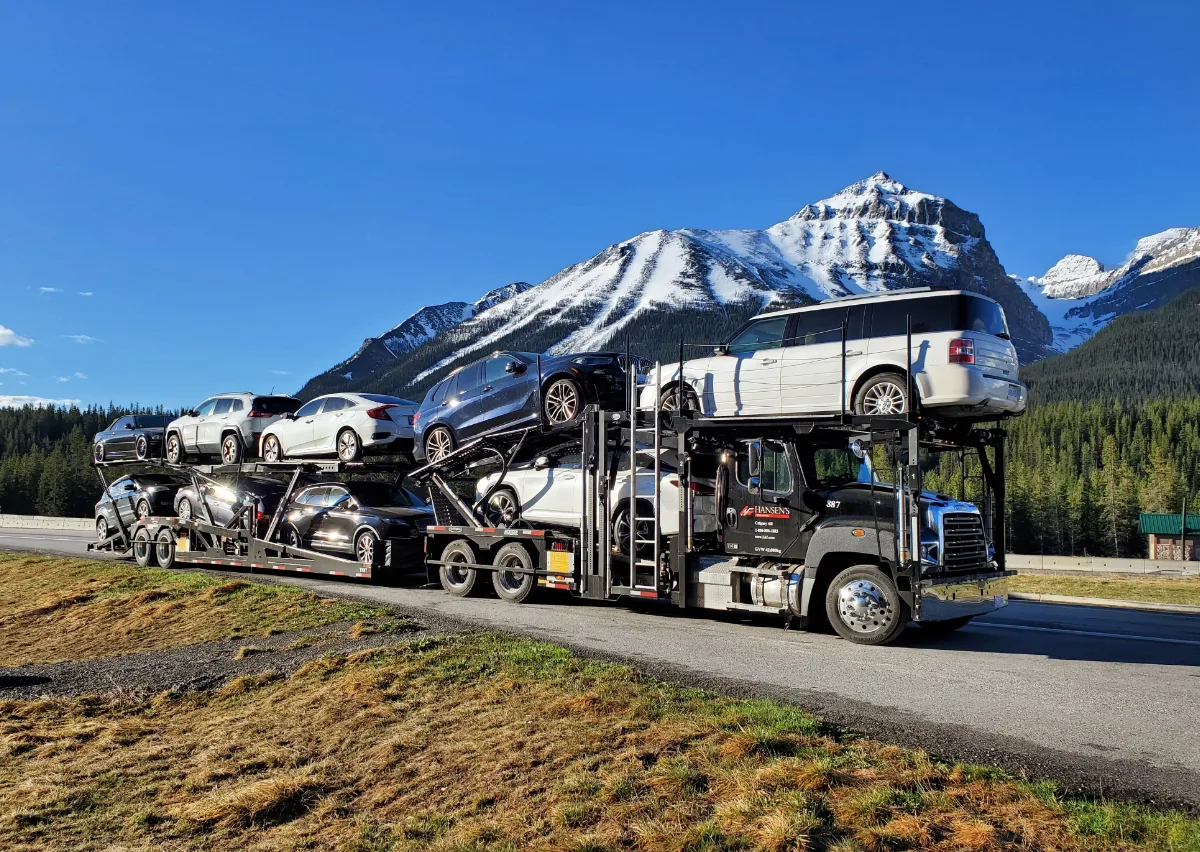
About 85% of the vehicles we move go on open carriers, and there's a good reason for that. Open transport costs roughly $550-$900 for a 1,000-mile trip, while enclosed runs $1,100-$1,700 for the same distance. Open carriers are the same rigs that haul brand-new cars from factories to dealership lots, so the equipment is proven and reliable. Your vehicle sits on the trailer exposed to rain and road dust, but it's strapped down and insured for up to $250,000.
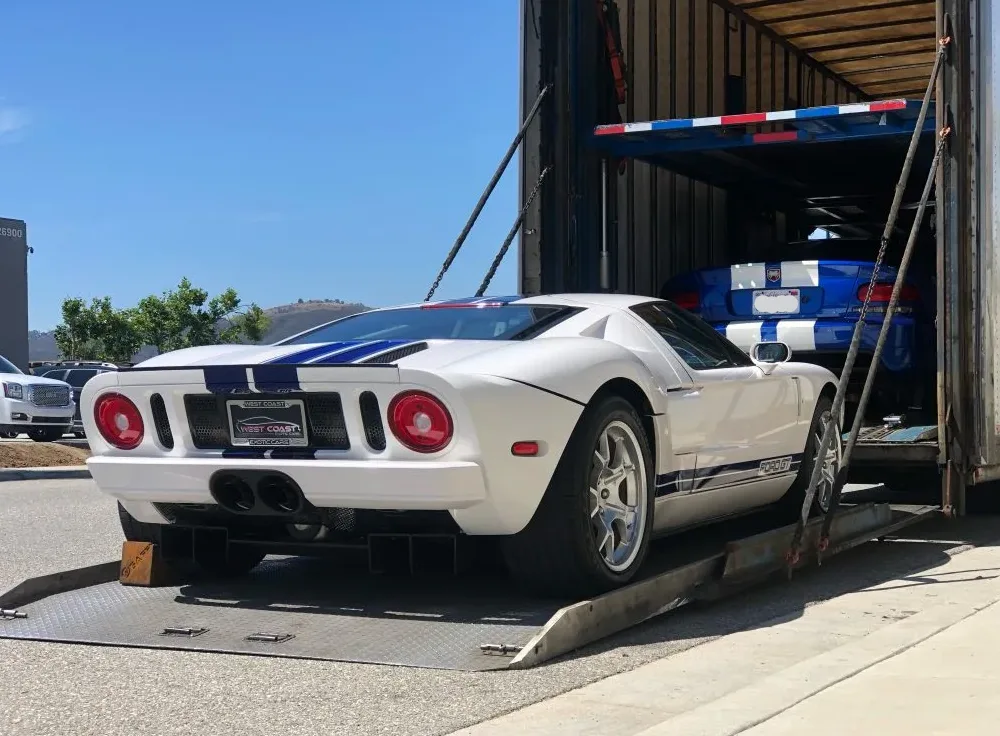
Enclosed transport is worth the money when your car's value exceeds $80,000 or when it's an irreplaceable collector piece. We've shipped everything from 1967 Shelby GT500s to brand-new Lamborghini Huracans inside enclosed trailers, and those owners sleep better knowing their paint is protected from gravel chips and highway debris. For a 2021 Accord or a used Explorer? Open does the job perfectly fine.
One thing most people don't realize: enclosed trailers only hold 2-6 vehicles compared to 7-10 on an open rig. That smaller footprint means enclosed carriers can squeeze down residential streets and into tighter driveways that a 75-foot open hauler simply can't reach. So if your neighborhood has narrow roads or low-hanging trees, enclosed might actually solve a logistics problem on top of the protection benefit.
Getting Your Car Ready for the Carrier
First, run it through a car wash or give it a solid hand-wash at home. You need a clean surface so you can spot and photograph every existing scratch, ding, and paint chip before the truck arrives. Shoot photos from all four corners, both sides, the roof, and close-ups of any problem areas. Timestamp them or email them to yourself so you've got a dated record. This step takes 20 minutes and it's the single best thing you can do to protect yourself during the process.
Next, pull out anything that isn't bolted down. Phone chargers, toll transponders stuck to the windshield, gym bags in the trunk, loose change in the cup holders. Carrier insurance doesn't cover personal belongings, period. Beyond that, items sliding around inside the cabin during a 2,000-mile trip can scratch your dashboard or crack a screen. We've seen it happen dozens of times.
Top off your tire pressure to the manufacturer's spec printed on the driver's door jamb, confirm that brake lights and turn signals work, and fill the gas tank to about a quarter. That's just enough fuel for the driver to load and unload your car at both ends without adding unnecessary weight to the trailer. Last thing: if your vehicle has an aftermarket alarm, either disable it or tape written deactivation instructions to the steering wheel. Carriers move vehicles at all hours, and a blaring alarm at 4 AM in a truck stop isn't anyone's idea of a good time.
What to Expect on Pickup Day and Delivery Day
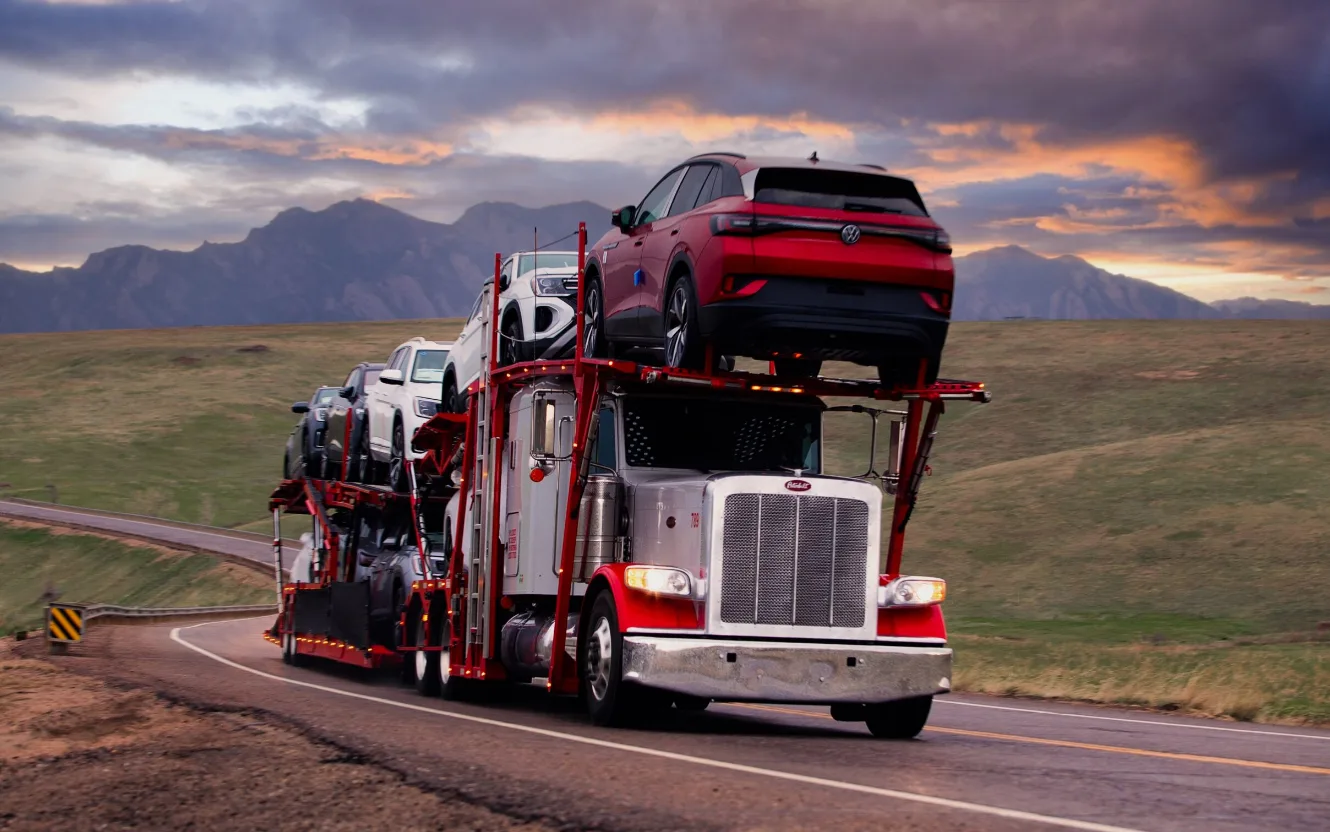
Your assigned driver will call or text 12-24 hours before arrival to lock in a pickup window, usually a 2-4 hour block. Before they show up, make sure there's a clear approach to your vehicle with no low branches, parked cars blocking access, or tight turns a 75-foot rig can't handle. If your street won't fit a full-size carrier, the driver will coordinate a nearby meeting point like a grocery store parking lot or a wide intersection.
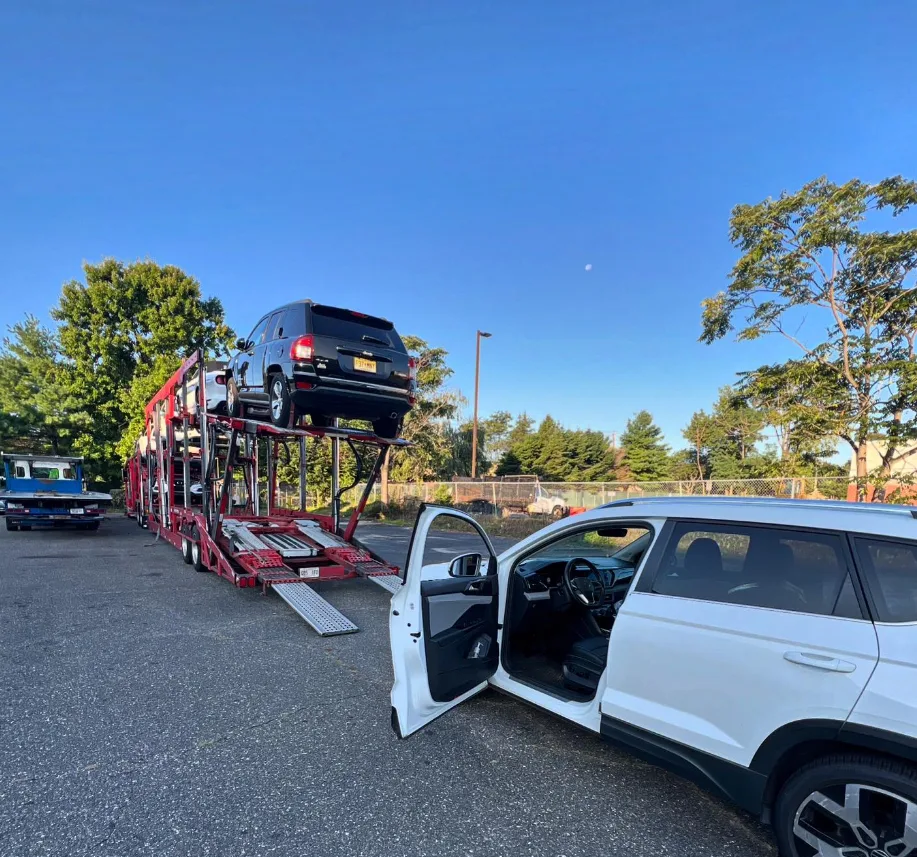
At pickup, the driver walks around your vehicle with a condition report called a Bill of Lading (BOL). They'll mark every dent, scratch, and scuff they see. Walk with them and speak up if you disagree with anything or notice something they missed. Once both of you sign that BOL, it becomes the legal baseline for your car's condition. Pro tip: snap your own photos of the car on the trailer with the truck visible in the shot. That kind of backup documentation has settled more than a few disputes over the years.
Delivery follows the same inspection routine in reverse. Compare the car against your pickup photos and the BOL before you sign anything. If you spot new damage, note it on the paperwork right there on the spot and photograph it immediately. Inoperable Vehicle Transport needs a winch or forklift to load, so if your car doesn't run, steer, or brake, let us know when you book so we can assign the right equipment from the start.
How Car Shipping Insurance Works (And What It Won't Cover)
Federal law requires every licensed carrier to carry cargo liability insurance, and most policies sit between $750,000 and $1,000,000 per truck. That total gets divided across all vehicles on the trailer, so your individual per-vehicle coverage typically ranges from $100,000 to $300,000. Before we dispatch any carrier for your shipment, we verify their active insurance certificate through FMCSA's SAFER system.
That coverage kicks in for damage that happens while your car is physically on the trailer: collisions, hail, flying debris, theft at a truck stop, you name it. What it won't cover is pre-existing damage (which is why those pickup photos matter so much), personal property left inside the car, or mechanical failures unrelated to transport. Shipping a $65,000 Model Y? Standard carrier insurance has you covered with room to spare. Moving a $250,000 Porsche 911 GT3 RS? That's where supplemental gap coverage becomes a smart investment.
If something does go wrong, the claims process hinges entirely on documentation. You'll need your signed BOL from pickup, your photos, the delivery inspection notes, and repair estimates from a certified body shop. We help our customers through the claims process because we've seen how frustrating it gets when carriers drag their feet. Having clean paperwork from day one is what separates a paid claim from a denied one.
7 Red Flags That Scream "Don't Book With This Company"
If a company quotes you $400 for a coast-to-coast shipment when everyone else is quoting $1,100-$1,300, that's not a deal. That's a bait-and-switch waiting to happen. Lowball brokers lock you in with a cheap price, then call back a week later saying the rate "went up" or tack on fuel surcharges, gate fees, and insurance add-ons that weren't in the original quote. We get calls every week from people trying to escape contracts with companies like this.
Before you hand anyone your credit card number, ask for their USDOT and MC numbers. Then go to FMCSA.dot.gov and punch those numbers in yourself. If the company isn't registered, or if their authority shows "Not Authorized," walk away immediately. Operating without federal licensing is illegal, and their insurance won't hold up if something goes wrong during transit. National Auto Transport is fully USDOT and FMCSA registered, and we'll hand you those numbers before you even ask.
The other giant red flag is a company that demands full payment before your car is picked up. Industry standard is a small deposit ($150-$250) to reserve your spot on the dispatch board, with the remaining balance paid directly to the driver in cash or certified funds at delivery. Our team operates on that same pay-at-delivery model because it keeps the carrier accountable for getting your vehicle there safely and on time.
Shipping Tips for Students, Military Families, and Snowbirds
College move-in and move-out weeks are the worst time to book car transport if you're watching your budget. Every parent in the country is trying to get their kid's car to campus during the same 10-day window, and that surge pushes prices up 25-40%. Our advice: book at least 3 weeks ahead of orientation week. If your student's schedule allows it, shipping a week before or after the rush can save $150-$300 easily.
Military PCS moves follow a similar pattern. Summer is peak season because that's when most permanent change of station orders hit. Your transportation office may reimburse part of the cost, but reimbursement rates don't always keep up with peak-season pricing. Shipping from Greensboro to bases in Texas or California is one of our most requested military corridors, and booking early is the biggest money-saver we can recommend.
Snowbirds create their own supply crunch on I-75 and I-95 every October and again every April. If you're heading from the Northeast to Florida for the winter, expect rates to be 15-25% higher during those migration months. Shipping two vehicles from the same address to the same destination? We offer multi-car discounts of $75-$150 off the second car. Both vehicles need to share the same pickup and drop-off zones, though. A car going from Phoenix to Denver and a car going from Tulsa to Miami are two separate shipments on completely different routes.
Open vs Enclosed: A Quick Comparison
| Category | Open Carrier | Enclosed Carrier |
|---|---|---|
| Typical Cost (1,000 mi) | $550-$900 | $1,100-$1,700 |
| Weather Shielding | Exposed to elements | Fully shielded walls and roof |
| Cars Per Truck | 7-10 vehicles | 2-6 vehicles |
| Transit Window | 5-10 days | 6-12 days |
| Ideal For | Sedans, SUVs, trucks, daily drivers | Exotics, classics, high-value vehicles |
| Per-Vehicle Insurance | $100K-$300K | $100K-$300K |
| Carrier Availability | Widespread, fast dispatch | Fewer rigs, longer wait |
Get three quotes, not one. If two companies quote $950-$1,050 and the third says $600, that third quote isn't a bargain. It's a company that plans to collect your deposit and then renegotiate the price once your car is already on their dispatch board. We've picked up the pieces for hundreds of customers who learned this the hard way.
What to Remember From This Guide
First-Time Shipper FAQ
Straight answers to the questions our Phoenix team hears most from new customers.