Door-to-Door vs Terminal Shipping: Which Method Actually Saves Money?
Most customers assume terminal shipping is the budget-friendly pick, but our Phoenix dispatch team has watched that "savings" vanish on hundreds of bookings. Between fuel, storage fees, and lost work hours, the cheaper option on paper isn't always cheaper in practice. We'll walk through both methods with real numbers so you can make the right call.
Ship Your Car Today
Get a quote or talk to our team right now

How Door-to-Door and Terminal Shipping Actually Work
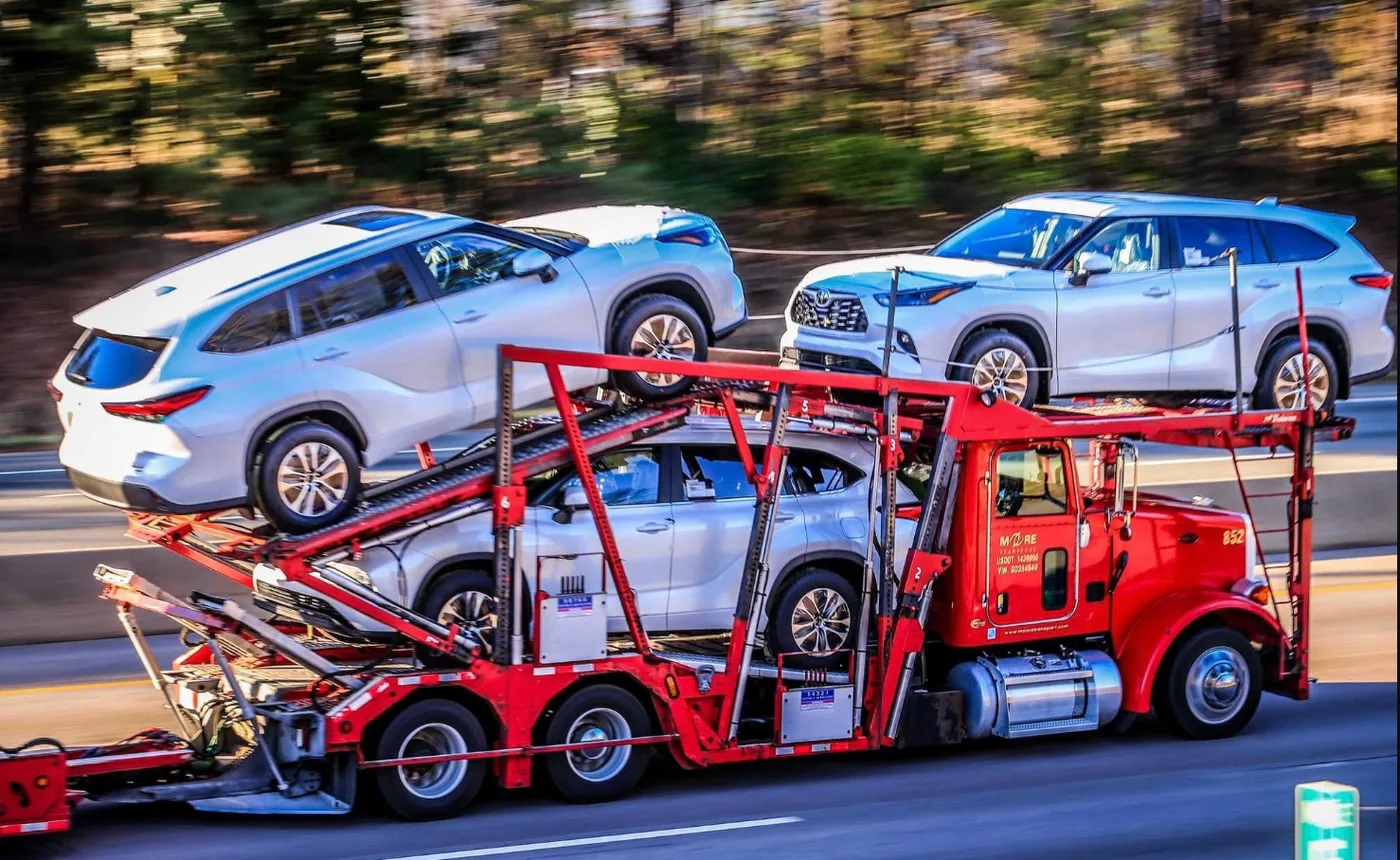
With door-to-door service, the carrier drives to your location, loads your vehicle, and delivers it to the address you provide at the other end, or the closest spot a 75-foot rig can safely reach. Terminal-to-terminal means you bring your car to a shipping yard, leave it there, and retrieve it from a different yard near your destination.
One detail that surprises a lot of first-time shippers: "door-to-door" doesn't guarantee your literal front door. If you live on a cul-de-sac, a steep hillside road, or behind a low-clearance gate, the driver will ask you to meet at the nearest wide street. Roughly 12% to 18% of our door-to-door bookings end up with a meeting point a block or two away.
The real difference boils down to scheduling freedom. Door-to-door shipping lets you coordinate pickup and delivery windows directly with the driver. Terminal shipping locks you into facility hours, which are usually weekdays from 8 a.m. to 5 p.m. No evenings. No Sundays.
What's the Actual Price Gap Between the Two Methods?
Door-to-door runs $50 to $175 more than terminal on the same route. For a 1,200-mile move that quotes $950 terminal-to-terminal, door-to-door would land around $1,025 to $1,125. That gap narrows on shorter routes and widens slightly on cross-country hauls.
The catch is that terminal "savings" often cost more once you add up the extras. A customer shipping from Tulsa last quarter picked terminal to save $80, then burned $95 in gas driving round trips to Oklahoma City terminals on both ends, plus missed a half-day of work each time. The net "savings" was negative $40.
Terminal yards sit in industrial corridors near highway interchanges, not downtown. Plan on 30 to 90 minutes of driving each direction, plus 20 to 45 minutes of wait time once you arrive. Those hours add up fast, especially when you're making the trip twice.
Situations Where Terminal Shipping Is the Smarter Pick
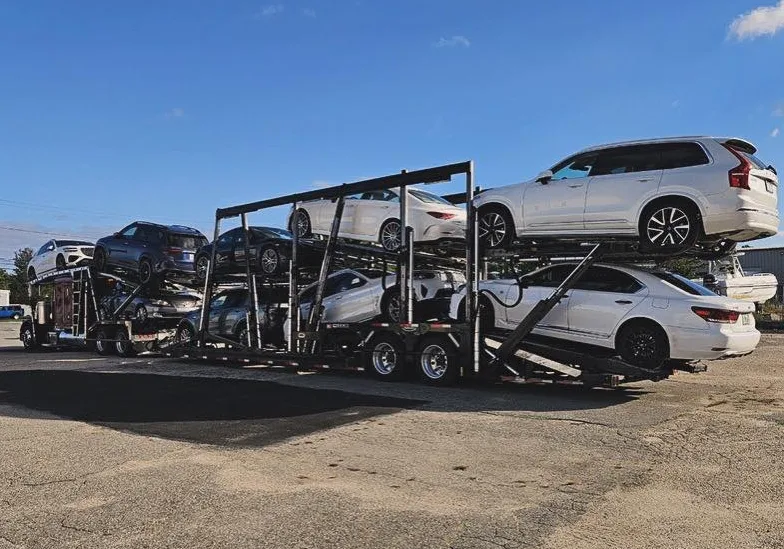
Terminal works best in specific scenarios, not as a blanket money-saver. If you're moving a fleet of three or more cars for a corporate relocation, a terminal yard handles the staging and sequencing more cleanly than scheduling separate door pickups across town.
It also makes sense when your address genuinely can't accommodate a hauler. Weight-restricted bridges, unpaved mountain roads, and HOAs that ban commercial rigs are all legitimate reasons. Seasoned drivers can usually tell you within 30 seconds of seeing your address whether they can reach your door or not.
There's a middle-ground option worth knowing about: you can pick terminal for one end and door-to-door for the other. If drop-off at a nearby yard is easy but you need delivery right to your new place, mixing the two services keeps costs down while putting convenience where it matters most.
The Surprise Headaches That Come With Terminal Yards
Terminals run on strict business hours. If your car rolls in Thursday night, you're waiting until Friday morning. Arrives Friday after 5 p.m.? Enjoy the weekend without your vehicle. We've watched customers book an extra hotel night because their car landed at the yard 90 minutes after closing.
Storage charges are the silent budget killer. Most yards give you 1 to 3 free calendar days after arrival, then charge $30 to $55 per day. One customer chose terminal to save $110 on the transport quote, then racked up $195 in storage because a family emergency kept them away for four days past the grace window.
Inspecting your car at a terminal is another pain point. You're standing in a packed gravel lot with fluorescent overhead lights and yard staff nudging you to hurry up. With door-to-door, the driver hands the car off in your driveway where you can take your time, use natural light, and photograph every panel without pressure.
Does Door-to-Door Actually Deliver on the Convenience Promise?
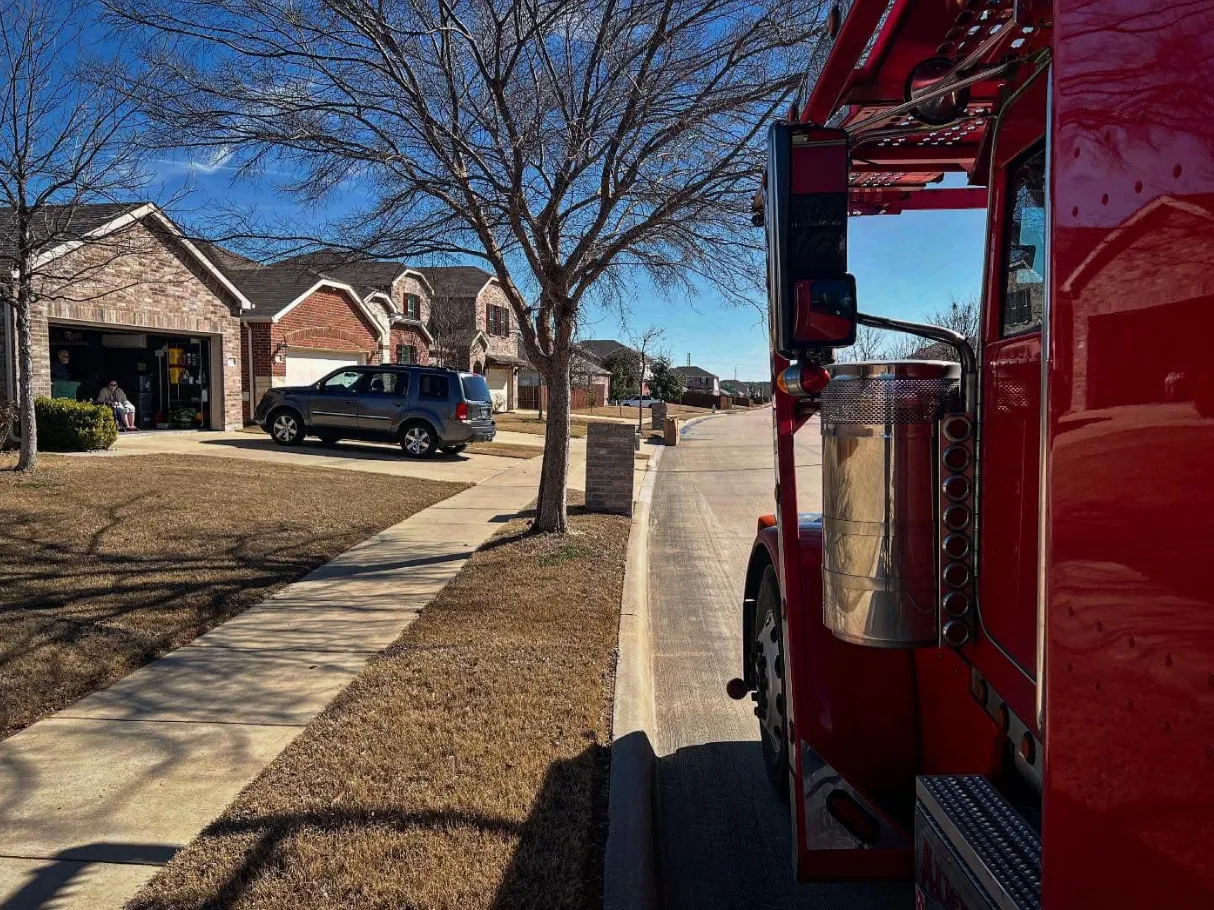
It does, with one caveat: you still need schedule flexibility. Drivers usually call 2 to 4 hours before they arrive, and the overall pickup window can span 4 to 8 hours. If you work from home or can step away on short notice, that's a non-issue. If you're locked into a rigid 9-to-5 on-site, you'll need someone at the address who can handle the handoff.
Where door-to-door really earns its money is at delivery. Your car shows up at your new address. You inspect it right there, note any issues on the spot, and you're done. No round trip to an industrial park, no storage-fee clock ticking, and no scrambling to fit a pickup into business hours.
There's another angle most people miss: door-to-door is often faster end to end. Vehicles at terminal yards can sit 24 to 72 hours waiting for the next truck with open slots. A door-to-door driver picks you up when they've got space on their current route, which can be same-day or next-morning during peak months.
Matching the Right Method to Your Vehicle Type
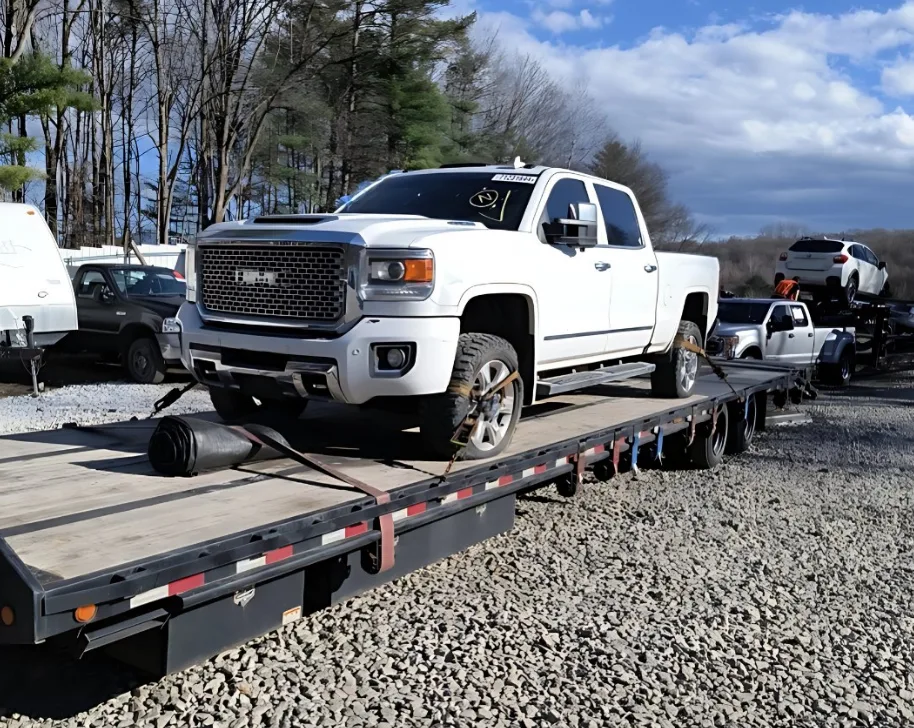
Standard sedans, crossovers, and pickups can go either way without problems, so the decision really comes down to your budget and schedule. Once you move into specialty vehicles, though, the choice gets a lot clearer.
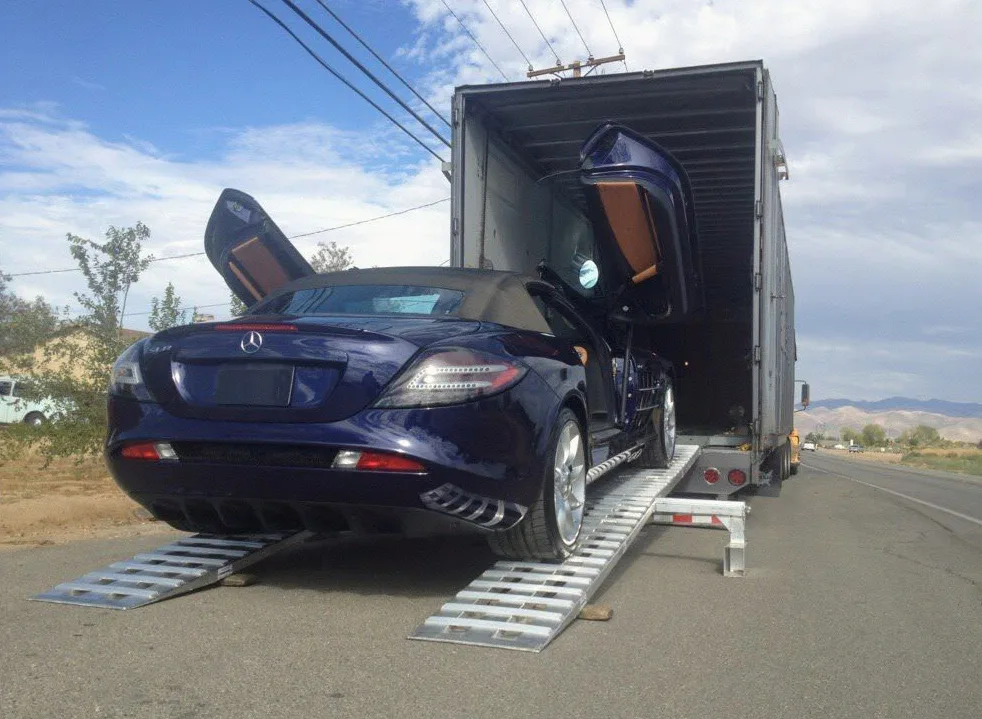
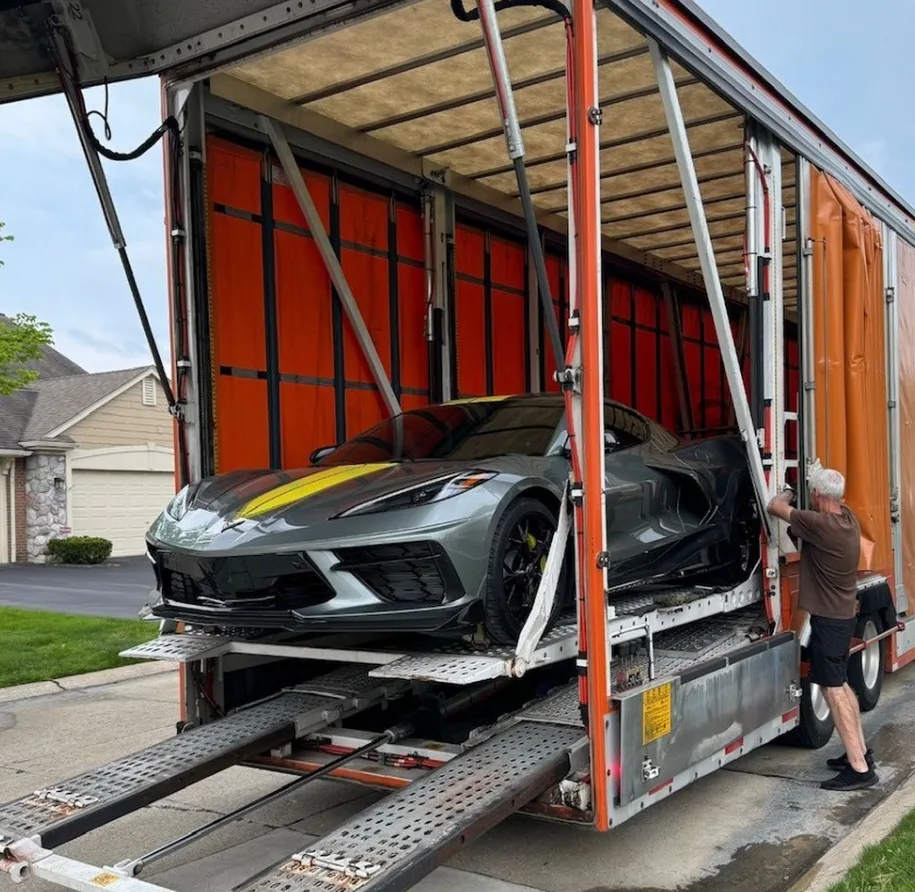
Classic cars, luxury rides, and anything booked on an enclosed trailer should go door-to-door. Terminal yards offer basic security at best, and leaving a restored 1969 Camaro parked in an open gravel lot overnight isn't worth the risk. SUV & truck shipping is more forgiving on either method because those vehicles handle lot conditions and tight maneuvers better than low-slung sports cars.
Inoperable vehicles create a real headache with terminal shipping. If your car doesn't start, you can't drive it to the yard yourself. You'd need a tow, which adds $75 to $150 to the bill. And not every terminal has the forklift or winch gear to shuffle non-running cars around. Door-to-door sidesteps all of that because the carrier brings the loading equipment to you.
How the Time of Year Changes the Door-to-Door vs Terminal Equation
Winter weather stacks the deck against terminal shipping. Ice-covered yard surfaces, shortened facility hours on storm days, and slower processing times mean longer waits. We've seen customers sit an extra 5 to 7 days during February snowstorms because the terminal couldn't safely load or unload vehicles.
Peak moving season from May through September creates a different bottleneck. Terminal lots fill up with cars, and processing backlogs stretch to 48 hours. Meanwhile, the door-to-door premium shrinks during summer because carrier volume is high and competition for loads keeps pricing tight. That makes door-to-door an even better value from June to August.
Snowbird season, October through November heading south and March through April heading north, strongly favors door-to-door. Many snowbird customers are retirees who don't want to navigate unfamiliar industrial districts in cities like Phoenix or Fort Lauderdale. The extra $75 to $125 for door-to-door is well worth skipping that hassle.
The Questions to Answer Before You Pick a Method
Start with a schedule reality check. Can you carve out two half-days to drive to terminals on both ends? Are you comfortable navigating industrial zones you've never visited? And how much does a thorough, unhurried vehicle inspection matter to you at delivery?
If you're leaning terminal, get the exact facility addresses first and map the drive. Some terminals marketed as "near" a city are actually 40 to 50 minutes outside the metro. Ask about storage fees, how many free grace days you get, and what the after-hours policy looks like in case you can't retrieve your car during the workday.
For door-to-door, be upfront about your street. Can a 75-foot hauler fit down your road? Is there room to park without blocking neighbors? Tight turns, low branches, or steep grades can all force a nearby meeting point. Knowing that in advance avoids day-of surprises. If you're still on the fence, contact us and we'll give you a straight recommendation based on your exact addresses.
Door-to-Door vs Terminal Shipping at a Glance
| Category | Door-to-Door | Terminal-to-Terminal |
|---|---|---|
| Price Premium | $50-$175 above base | Base rate |
| Ease of Use | High, pickup at your address | Low, two round trips to yards |
| Your Time Spent | 2-4 hours total | 5-9 hours driving + waiting |
| Scheduling | Coordinate directly with driver | Weekday business hours only |
| Storage Risk | Zero | $30-$55/day past grace window |
| Lot Security | Brief loading only | Exposed in yard for days |
| Inspection Quality | Your driveway, natural light | Busy lot, limited time |
| Ideal For | Most individual shipments | Fleet moves, tight budgets |
Before choosing terminal to save $80 to $120, add up what you'll spend on gas, tolls, lost work hours, and possible storage fees. Our dispatch team has seen that "savings" flip negative on at least a third of terminal bookings.
Key Takeaways
Frequently Asked Questions
Quick answers about door-to-door and terminal shipping from our Phoenix logistics team.