Best Month to Ship a Car: Seasonal Pricing Calendar
The same sedan on the same route can cost 40% to 45% more in July than it does in February. Our Phoenix dispatch team tracks pricing patterns month by month, and the seasonal swings are consistent year after year. If your schedule has any flexibility at all, picking the right window can put $200 to $500 back in your pocket.
Ship Your Car Today
Get a quote or talk to our team right now

January Through March: The Lowest Rates of the Year
The first quarter of the year is where the deals live. Rates run 25% to 40% below what you'd pay during peak summer months. On a standard cross-country haul, that's the difference between $750 and $1,150.
The math is straightforward: fewer people relocate in winter, college campuses are in session, and the snowbird migration south already wrapped up in November. Carriers need cargo, and they'll price aggressively to fill empty spots on their trucks. The trade-off is that weather delays pop up more often on northern corridors through the Great Lakes and Rockies.
February sits right in the pricing sweet spot. Demand stays flat, but the worst of the January ice storms are usually behind us. We moved a 2021 Toyota Camry from Chicago to Phoenix last February for $710. The identical route and vehicle type quoted $1,080 the following June.
Why Summer Rates Hit Their Ceiling Every Year
May through September is a collision of demand forces. College students need cars at home for summer jobs, families relocate before the fall school year starts, and snowbirds who went south in October are heading back north. Every one of those groups is competing for the same pool of carriers. July is consistently the most expensive month on our books.
Rates climb 40% to 55% above winter levels during the hottest weeks. A route priced at $850 in February can land at $1,350 in mid-July. On top of the higher price, pickup windows stretch out because drivers are booked solid with back-to-back loads.
The Enclosed Auto Transport market swings even harder. Summer car shows, concours events, and collector auctions create fierce competition for the limited number of enclosed trailers on the road. We've watched enclosed quotes on the same corridor jump from $1,400 to $2,400 between January and July.
How Snowbird Migration Creates Hidden Rate Deals
Snowbird season generates some of the wildest price gaps in the industry. From October through December, almost everyone is shipping south to Florida, Arizona, and Texas. That means northbound loads on those same corridors become bargain-priced, sometimes 50% to 60% below the southbound rate.
Carriers call it the backhaul discount. A driver drops off 7 cars in Fort Lauderdale and needs to deadhead back to the Midwest anyway. They'll take a northbound load at near-cost pricing just to cover diesel on the return trip. If your timing lines up with that empty return leg, you save a fortune.
Here's a real number: last November, we moved a Honda Pilot from Fort Lauderdale to Detroit for $595. The same corridor heading south quoted $1,175 that same week. That's the advantage of understanding directional flow. Our team handling shipping in Montgomery watches the same pattern play out every fall with Gulf Coast-bound snowbird traffic.
How Weather Shapes Pricing and Transit Times All Year
Winter brings lower demand and lower prices, but weather delays are part of the deal. Routes through Colorado, Wyoming, and the northern plains can tack on 3 to 7 extra days during heavy storm weeks. Even with those delays, the cost savings of 25% to 40% still make winter shipping the better financial move for most people.
Spring is sneakier than winter when it comes to disruptions. Late-season blizzards in March, flash flooding in April, and tornado season across the Midwest corridor create unpredictable slowdowns. We've had carriers parked for 2 to 4 days waiting for I-44 and I-70 to reopen after spring storms.
Summer heat brings its own complications, particularly for Enclosed Auto Transport. Interior temps inside an enclosed trailer parked in Arizona or Nevada can reach 135 degrees Fahrenheit. Some carriers restrict enclosed runs through desert corridors to nighttime hours only, which can add a day to your delivery.
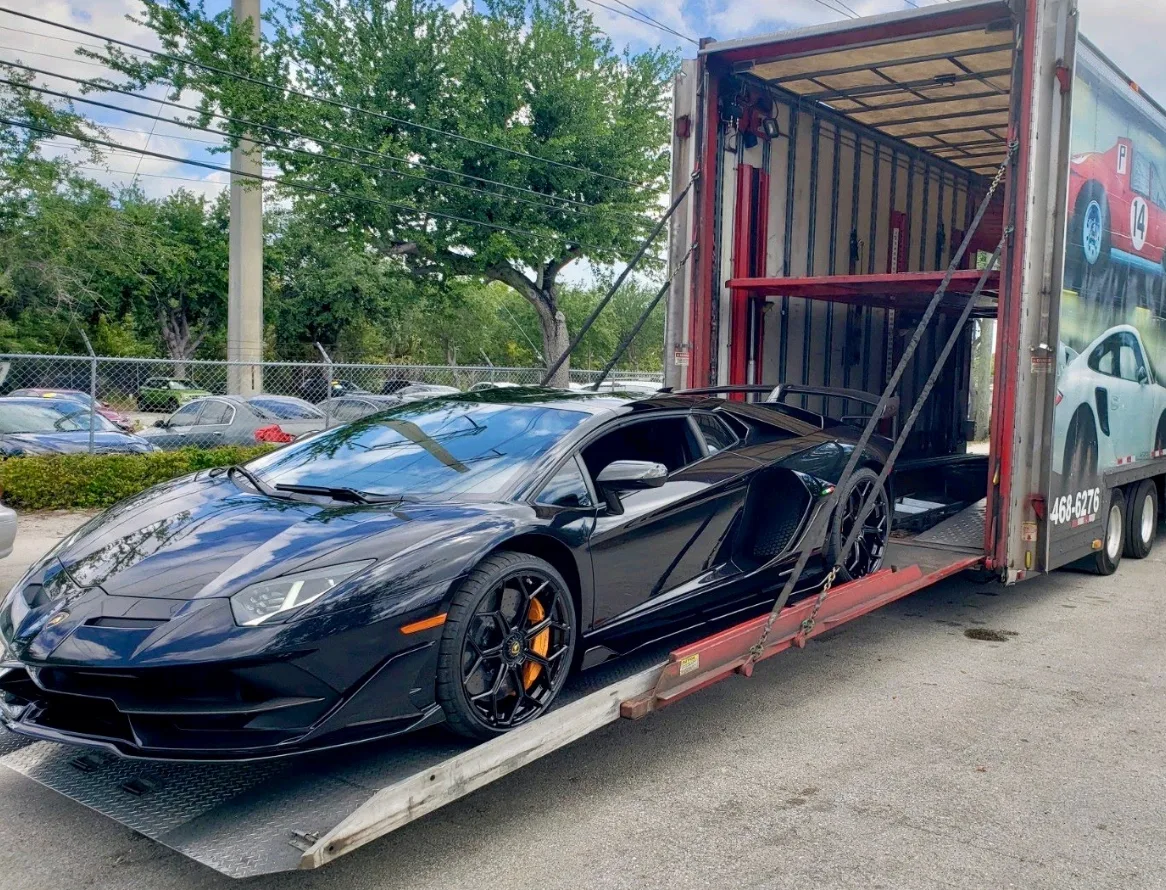
What Happens to Car Shipping During the Holidays
Thanksgiving through New Year's Day is essentially a blackout window. Most carriers park their rigs for 7 to 10 days, and the orders that do come in pile up into a massive backlog. If you need a car moved during this stretch, prepare for premium pricing and delays you can't predict.
The silver lining is the first two weeks of January. Carriers fire back up with empty trucks, demand is still at rock bottom, and everyone wants revenue after sitting idle through December. We've locked in some of our lowest annual rates during that January restart window.
The week between Christmas and New Year's is the single hardest window to ship in. We rarely even accept bookings for pickup during those seven days. The handful of carriers still running charge 50% to 80% premiums, and they won't commit to a pickup date because their own schedules are unpredictable.

When College Families Should Schedule Car Shipments
The college shipping calendar is predictable: late August into early September spikes as freshmen and transfers head to campus, then April and May surge again when everyone ships home for summer. Both windows push rates up 30% to 50% on routes between college towns and metro areas.
Families who plan ahead can sidestep those surges. Ship the car in mid-July before the August crush, or hold off until late September when the wave passes. The pricing difference on a typical college route like Phoenix to Ann Arbor or Dallas to Boston can be $275 to $475.
Winter break opens up an interesting angle. December shipping is pricey because of the holiday slowdown, but January return trips land at much lower rates. Students who fly home for the holidays and ship the car back to campus in early January catch moderate demand without the August stampede.

How Military PCS Moves Stack on Top of Summer Demand
PCS (Permanent Change of Station) season runs from May through September, with the biggest concentration of orders landing in June and July. That volume piles on top of the civilian summer rush, and routes connecting major installations like Fort Liberty, Joint Base Lewis-McChord, and Fort Huachuca see the tightest capacity all year.
Military families who can shift their PCS timing to the off-season save real money. A winter move can trim $350 to $550 off the transport bill compared to a July shipment. Our Military PCS Vehicle Shipping guide walks through the strategies service members use to work with their commands on timing.
Not every PCS order allows date flexibility, but when it does, the savings add up fast. Lower car shipping costs, cheaper household goods moves, and more available flights all stack in your favor. Plus, off-season pickups happen on tighter windows with fewer delays because carriers aren't juggling full summer loads.

Strategies to Score Lower Rates No Matter When You Ship
Most brokers won't lock a price more than 30 days out, but there are still ways to work the system. Getting your quote during a low-demand month gives you a realistic baseline for what the route should cost. If you book in January for a March pickup, you'll typically hold a rate closer to winter pricing than spring pricing.
Date flexibility is the single most effective tool for cutting costs. Offer carriers a 5- to 7-day pickup window instead of a single date, and you'll see quotes drop 15% to 25% even in peak months. Drivers want loads that fit naturally into their existing routes, and a flexible window makes your car an easy addition.
During the busiest months, look at Terminal-to-Terminal Shipping as a cost-control option. It runs $75 to $200 less than door-to-door and tends to have more predictable scheduling because the carrier doesn't have to navigate residential streets. The trade-off is driving to the yard yourself, but in peak season that savings can be worth the trip.
Seasonal Rate Calendar for Cross-Country Shipping
| Window | Typical Range | Demand | Weather Delays | Best Fit |
|---|---|---|---|---|
| Winter (Jan-Mar) | $650-$950 | Low | Moderate | Price-focused shippers |
| Spring (Apr-May) | $850-$1,150 | Rising | High (storms) | Balanced cost and weather |
| Summer (Jun-Aug) | $1,050-$1,450 | Peak | Low | Must-move-now situations |
| Fall (Sep-Nov) | $750-$1,050 | Moderate | Low | Backhaul bargain hunters |
| Holiday (Dec) | $950-$1,350 | Low (but few trucks) | High | Emergencies only |
If your schedule allows it, book a February or early March pickup. Even if you can't ship that early, pulling a quote during the low season gives you a true baseline so you'll recognize inflated pricing when summer comes around.
Key Takeaways
Frequently Asked Questions
Timing questions our Phoenix dispatch team answers for customers every day.