PCS Vehicle Shipping for Military Families: The Complete Playbook
The average active-duty family relocates every 2 to 3 years, and most of those moves involve shipping at least one vehicle. National Auto Transport has handled PCS vehicle shipments for service members across every branch, and we've put together this guide to walk you through costs, reimbursement rules, booking timelines, and the documentation your transportation office is going to ask for.
Ship Your Car Today
Get a quote or talk to our team right now

Why Military Vehicle Shipping Isn't Like a Regular Car Transport Job
PCS vehicle shipping comes with a layer of complexity that civilian moves don't have. There are reimbursement calculations, branch-specific paperwork requirements, port scheduling for OCONUS assignments, and report dates that don't move regardless of what's happening with your car.
The upside is that a portion of your shipping cost may be covered by the government, but only if the documentation is airtight and you follow your branch's approval process to the letter. Service members who plan their vehicle shipment at the same time they start their PCS checklist consistently pay less and deal with fewer surprises than those who wait until the last two weeks.
Here's a detail that catches a lot of first-time PCS movers off guard: when your new duty station is more than 600 miles away, vehicle shipping almost always qualifies for at least partial reimbursement because it's cheaper than the government's mileage rate plus lodging along the route. Our military auto shipping service generates the documentation your transportation office requires so you're not scrambling to assemble receipts after the fact.
What PCS Vehicle Shipping Actually Costs in 2026
Pricing varies by distance, but here are real numbers: a shorter run like Fort Liberty to Naval Station Norfolk typically costs $700 to $900. A cross-country haul from Camp Pendleton to Fort Stewart runs $1,500 to $1,900. The average PCS vehicle shipment across all branches lands around $1,200.
Three factors drive the price: mileage, time of year, and carrier type. Shipping a Hyundai Tucson from Joint Base Lewis-McChord to MacDill AFB in February might run $1,350. That same route in June, when every family on base is PCSing at the same time, can spike to $1,800 or higher because carrier capacity is stretched thin.
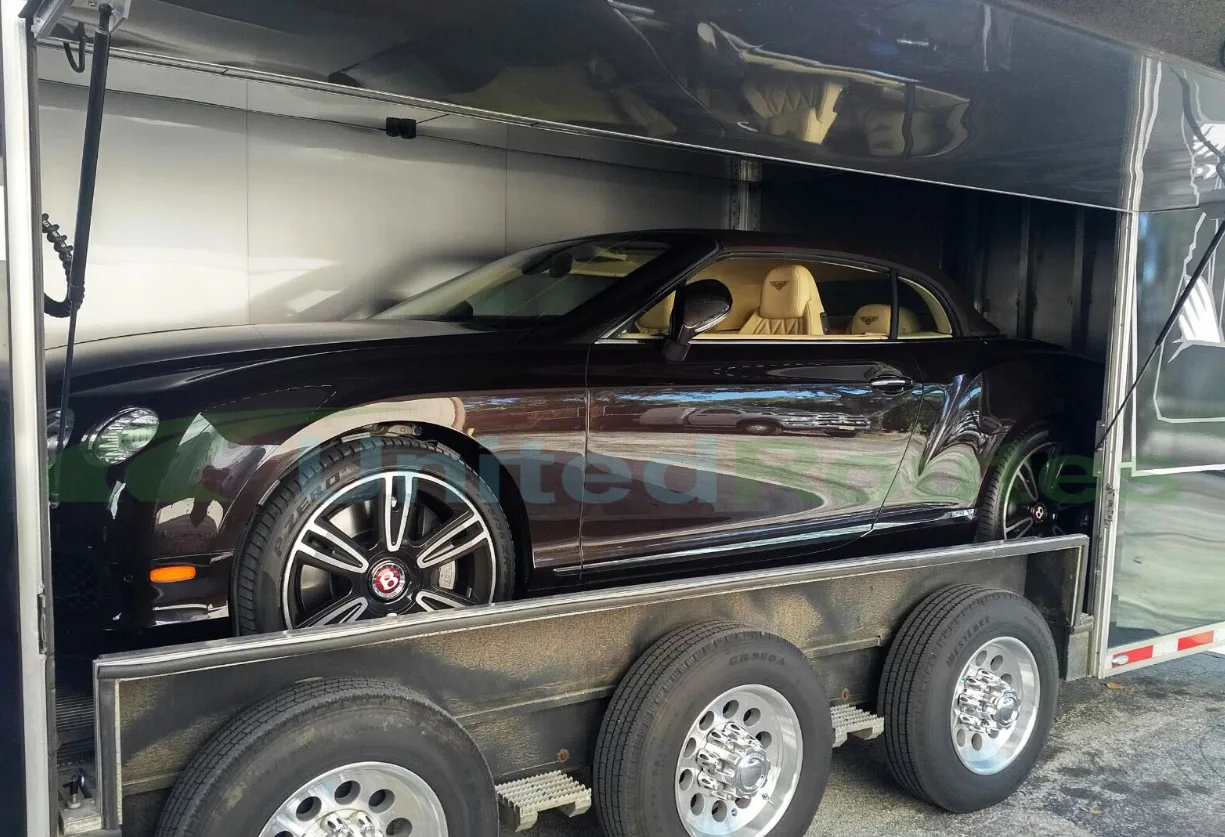
Open carrier transport handles the bulk of military vehicle shipments and costs 30% to 40% less than enclosed. Enclosed only makes sense if you're moving a high-value truck or a motorcycle that needs weather protection. One thing to budget for: your transportation office reimburses at government rates, and during peak PCS season those government rates are often $200 to $400 below what carriers are actually charging on the open market.
Which Shipping Costs Your Branch Will Actually Cover
The military will reimburse vehicle transport when shipping is more cost-effective than driving. Your transportation office runs the math by comparing the carrier's fee against the federal mileage rate (currently $0.67 per mile) plus estimated lodging and per diem if you were to drive the route yourself.
Costs that typically qualify for reimbursement include the base transport fee, mandatory insurance coverage, and standard documentation charges. What won't get covered? Expedited shipping premiums, optional enclosed transport upgrades (unless it's for military equipment or POV storage requirements), and any amount exceeding your branch's maximum allowable rate.
This is where a lot of service members get surprised: reimbursement caps vary by branch and update annually. The Army's current per-mile rate for CONUS vehicle shipping is around $0.24. On a 2,000-mile haul, that maxes out at roughly $480 in reimbursement even though the actual carrier charge might be $1,300. Always verify current rates and approval thresholds with your transportation office before you book anything.

When to Book Your PCS Vehicle Shipment
Start the process 4 to 6 weeks before your report date. During peak PCS season, which runs from May through September, push that window to 6 to 8 weeks. Families who wait until the final 10 days routinely pay 30% to 40% more because they're competing with every other last-minute PCS move on the same corridor.
Here's the reality of the military moving calendar: roughly 65% to 70% of all PCS relocations happen in that May to September window. Carrier capacity tightens fast, rates climb, and popular routes like Fort Liberty to Joint Base Lewis-McChord can have a 2-week wait for an available truck.
The best move is to get a free quote the moment you receive PCS orders. Even if your exact dates haven't been nailed down, having a quote and a tentative booking in the system means you've got a carrier lined up. Reputable companies will work with you on scheduling adjustments once your dates firm up.
The Documentation You Need for Shipping and Reimbursement
Your carrier needs three things at pickup: a copy of your PCS orders, current vehicle registration, and proof of insurance. If you're leaving any personal items inside the car (most carriers allow up to 100 pounds), declare and list them on the Bill of Lading.
For the reimbursement claim, keep a paper trail of everything: the original shipping quote, the signed transport contract, your proof of payment (credit card statement or bank receipt), and the delivery receipt with condition notes. Your transportation office specifically wants to see that you used a USDOT and FMCSA licensed carrier, which is one reason why working with a properly licensed company like National Auto Transport matters for your filing.
Here's a step most finance clerks won't proactively mention: take your own photos of the vehicle before and after transport. If anything gets damaged, you'll need visual evidence for both the carrier's cargo insurance claim and your military reimbursement claim. We provide detailed inspection reports at pickup and delivery, but your own timestamped photos create an independent record that strengthens any filing.
Overseas PCS Assignments: Getting Your Vehicle to the Port on Time
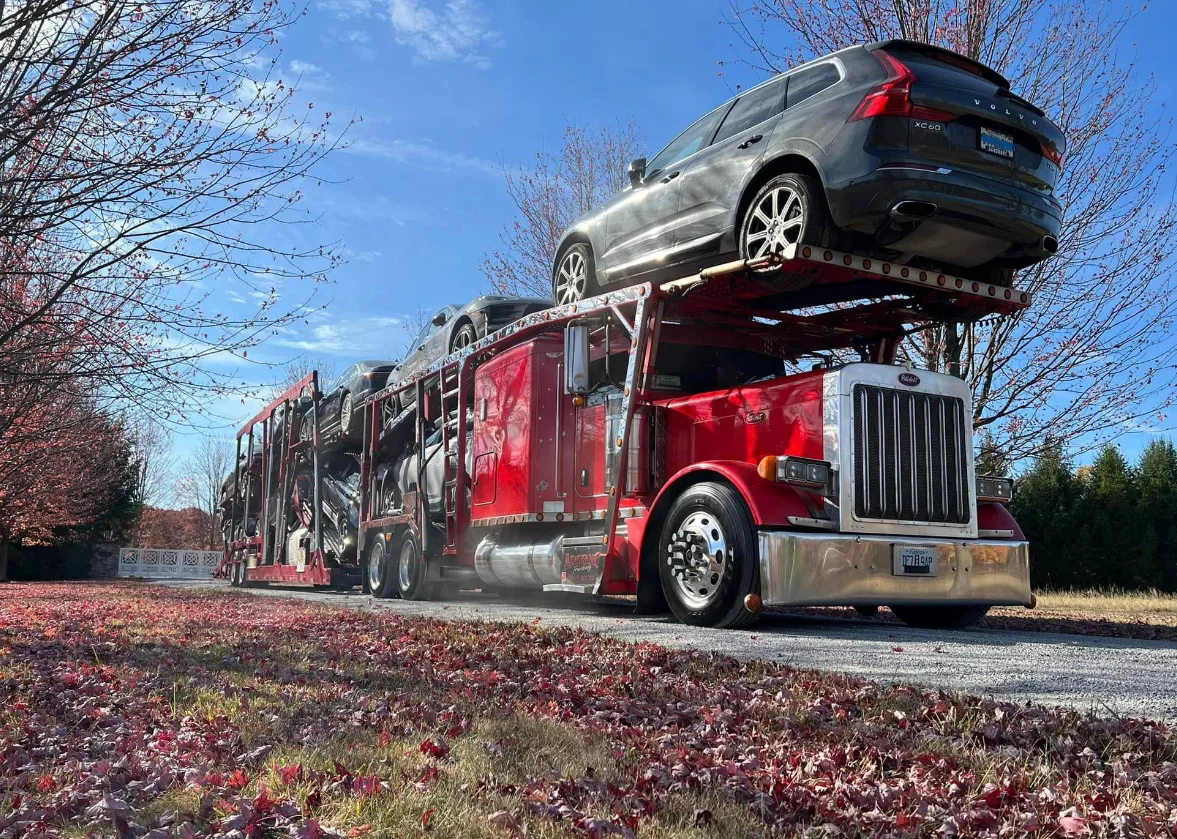
OCONUS assignments add a major layer of coordination because your vehicle doesn't go directly to the overseas base. You ship it domestically to a military vehicle processing center at a port of embarkation like Baltimore, Jacksonville, or Long Beach, and then the military's own system handles the ocean crossing.
The timeline is where things get tight. Your car typically needs to arrive at the port 7 to 14 days before the vessel sailing date, and those sailing dates are fixed. Miss your port window by even a day and your vehicle could sit in storage for weeks or months waiting for the next available transport slot.
Shipping to Long Beach for Pacific theater assignments requires particularly careful coordination because of port congestion and limited VPC processing windows. We work with your transportation office to back-plan the domestic shipping leg so your car arrives at the port with enough buffer for processing and inspection.
Mistakes That Cost Military Families Money and Time
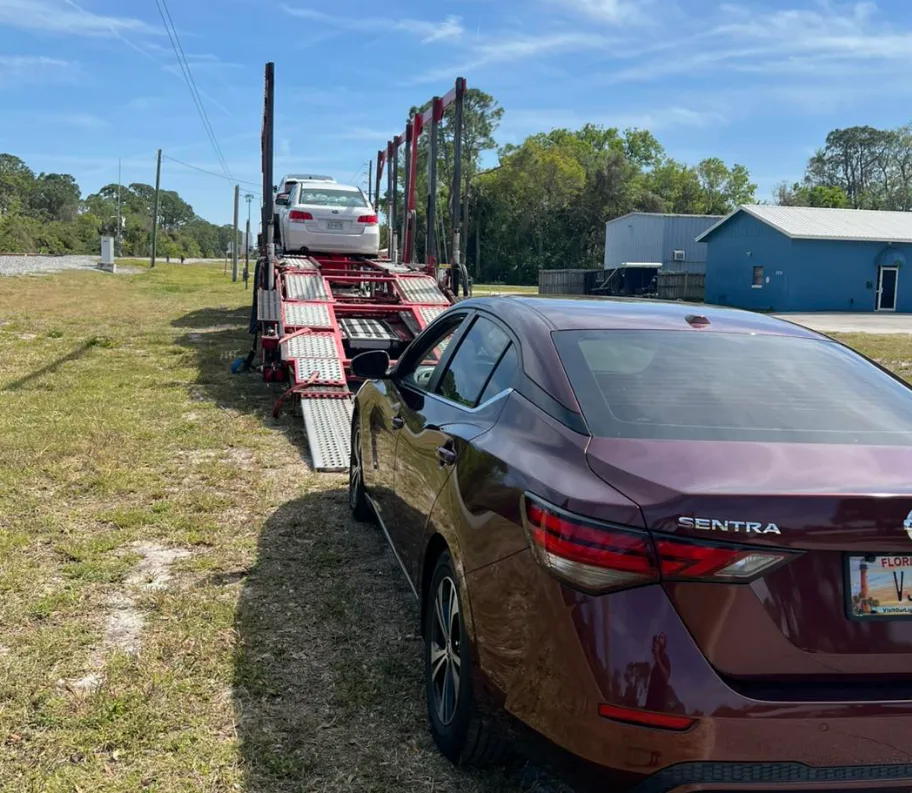
The number one mistake we see is waiting to arrange shipping until after arriving at the new duty station. At that point, the family has already driven one car and now needs the second vehicle shipped on short notice at a premium rate. Booking both vehicles at the same time, before you leave, is almost always cheaper and simpler.
The second mistake is assuming every branch handles reimbursement the same way. Navy policies aren't identical to Army policies. What an E-7 at one installation gets approved doesn't automatically apply to an O-4 at another. Your transportation office is the authority on current reimbursement limits, required quotes, and advance approval thresholds for your specific situation.
Third, some service members don't mention that their vehicle has mechanical issues. A car with a dead battery or a failing transmission costs 25% to 40% more to ship because the carrier needs winching equipment. If you don't disclose this at booking, the driver shows up unprepared, the pickup gets canceled, and the rebooking happens at a higher rate that may not be reimbursable.

Picking a Transport Company That Actually Understands Military Moves
Look for three things before you book: active USDOT and FMCSA registration, cargo insurance of at least $250,000 per vehicle, and demonstrated experience handling PCS shipments. A company that's worked military moves before knows the documentation requirements, understands port timing for OCONUS assignments, and won't need you to explain how a report date works.
Walk away from any company that demands a large upfront deposit, quotes a price that's dramatically lower than three other bids, or can't produce their USDOT number when asked. These are the same red flags you'd see in any auto transport scam, but military families are particularly targeted because the moving timeline creates pressure to book fast.
National Auto Transport has been handling military PCS shipments since we opened and we understand the pressure that comes with orders. Our team knows what your transportation office needs on the paperwork side and how to schedule the domestic leg so it lines up with your report date or port window. We carry contingent cargo insurance up to $250,000 per vehicle, which exceeds what most branches require for reimbursement documentation.
PCS Vehicle Shipping Reimbursement by Service Branch
| Service Branch | Approximate Per-Mile Cap | Documentation Needed | Pre-Approval Threshold |
|---|---|---|---|
| Army | ~$0.24 per mile | PCS orders, 3 competing quotes | Required above $500 |
| Navy | ~$0.26 per mile | PCS orders, paid receipt | Required above $750 |
| Air Force | ~$0.25 per mile | PCS orders, signed contract | Required above $600 |
| Marine Corps | ~$0.24 per mile | PCS orders, 2 competing quotes | Required above $500 |
| Coast Guard | ~$0.27 per mile | PCS orders, paid receipt | Required above $800 |
Government reimbursement rates are calculated off a formula, not off what carriers actually charge during peak season. On a summer PCS move, you might pay $1,500 out of pocket but only get $1,000 back from your transportation office. Build that $300 to $500 gap into your PCS budget so it doesn't catch you off guard at the finance window.
What to Remember
Military PCS Vehicle Shipping FAQs
Answers to the most common questions we get from active-duty service members and military families.