Dealer Auto Transport: Bulk Rates, Auction Pickups, and Fleet Logistics
U.S. franchised dealers sold over 15.5 million new vehicles last year, and independent lots moved another 37 million used units. Every one of those cars had to get from point A to the lot. Here's what volume shipping actually costs, how auction pickups work, and where most dealers leave money on the table.
Ship Your Car Today
Get a quote or talk to our team right now

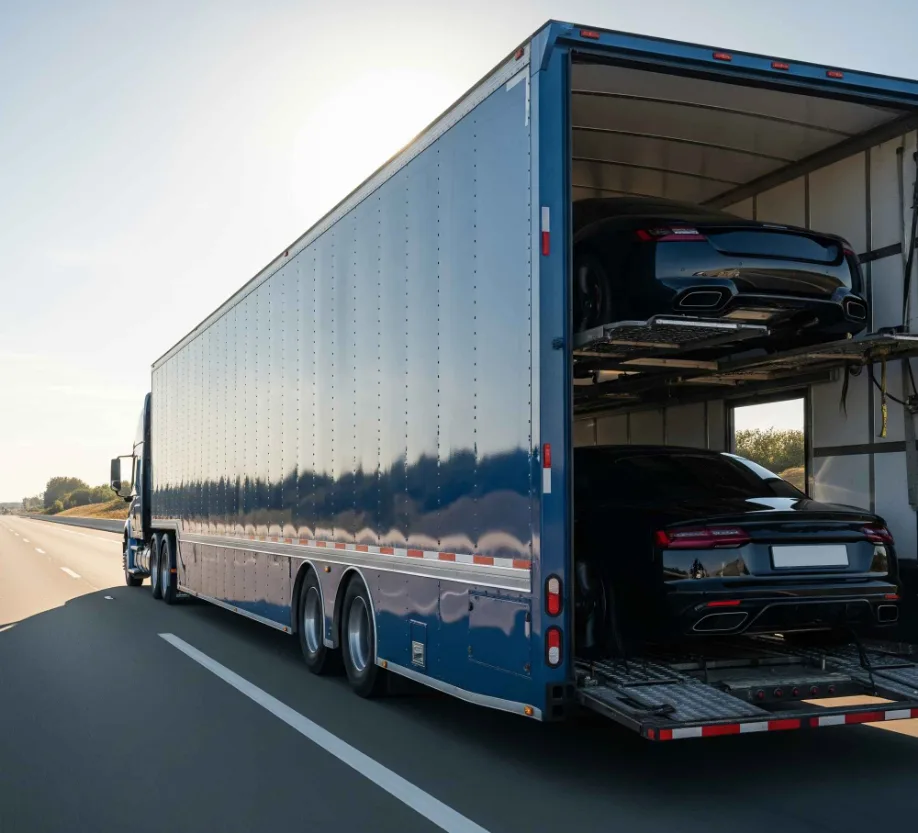
Why Consumer-Grade Shipping Doesn't Work for Dealerships
A retail customer ships one car, one time, and calls it done. A dealership moves 10, 20, or 50 vehicles a month across multiple states with arrival dates tied to sales events, customer delivery promises, and lot rotation schedules. That's a completely different operational problem.
Dealers need coordinated pickup windows that align with auction close dates, carrier scheduling that batches vehicles headed to the same region, and account-level communication rather than one-off customer service calls. National Auto Transport has moved thousands of dealer units, and the operations that run smoothly all share one trait: they treat transport as an extension of their sales pipeline, not an afterthought.
Working with a dedicated dealer auto transport partner reduces per-unit shipping costs, tightens delivery windows, and keeps inventory turning faster. When cars sit in transit limbo, they aren't on your lot making money. Every day a vehicle spends on a carrier instead of your showroom floor is a day of lost floor plan interest and missed selling opportunity.
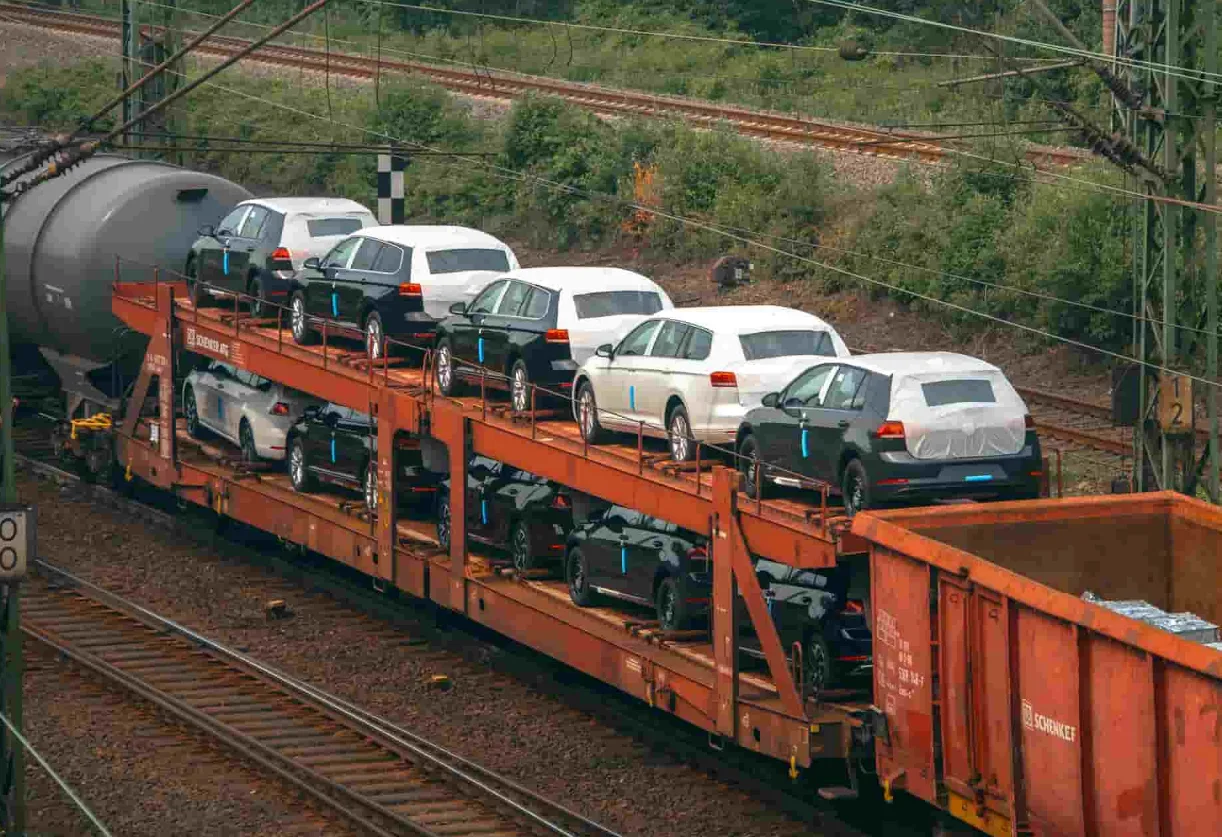
What Dealers Are Actually Shipping and How It Breaks Down
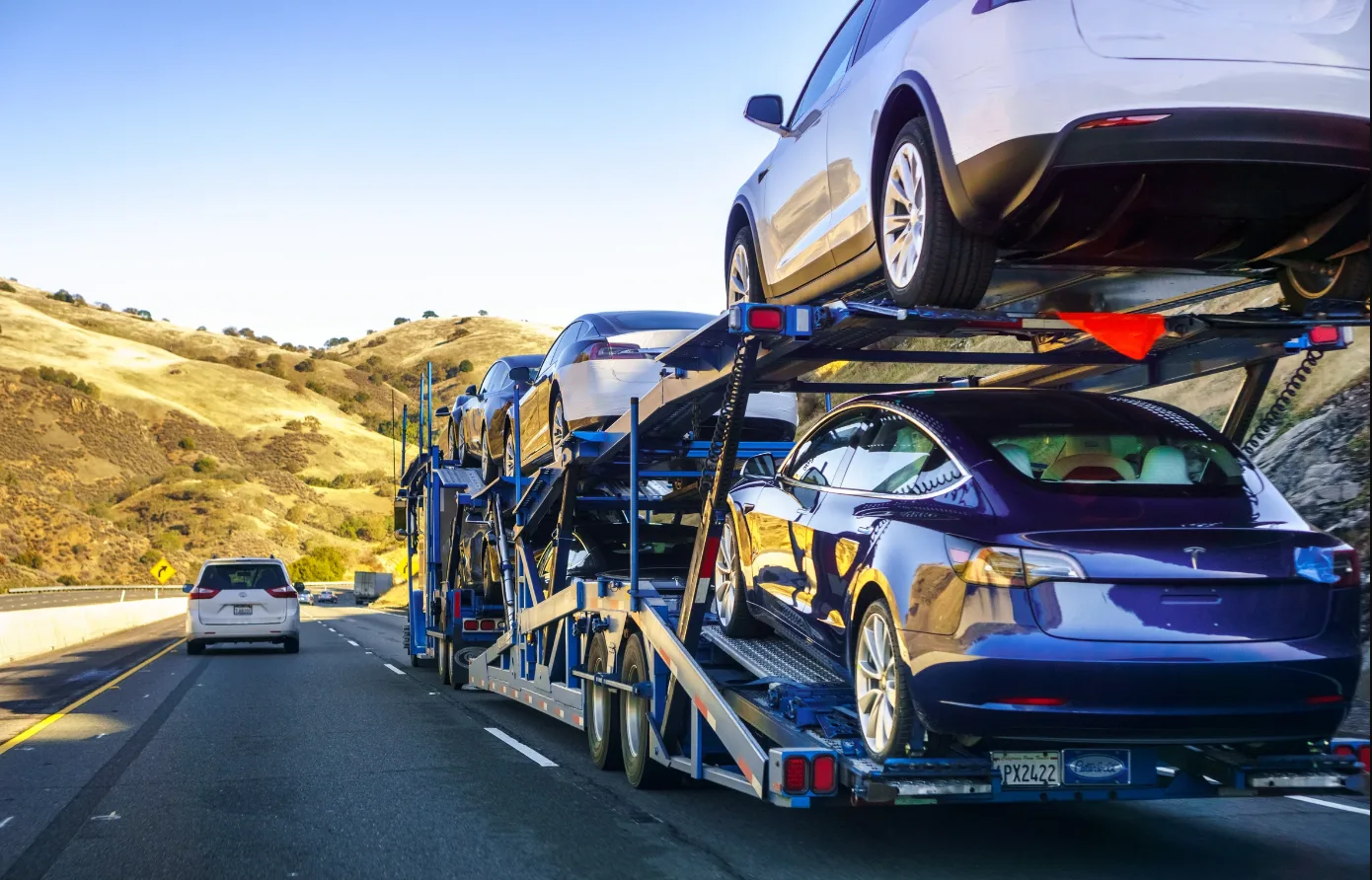
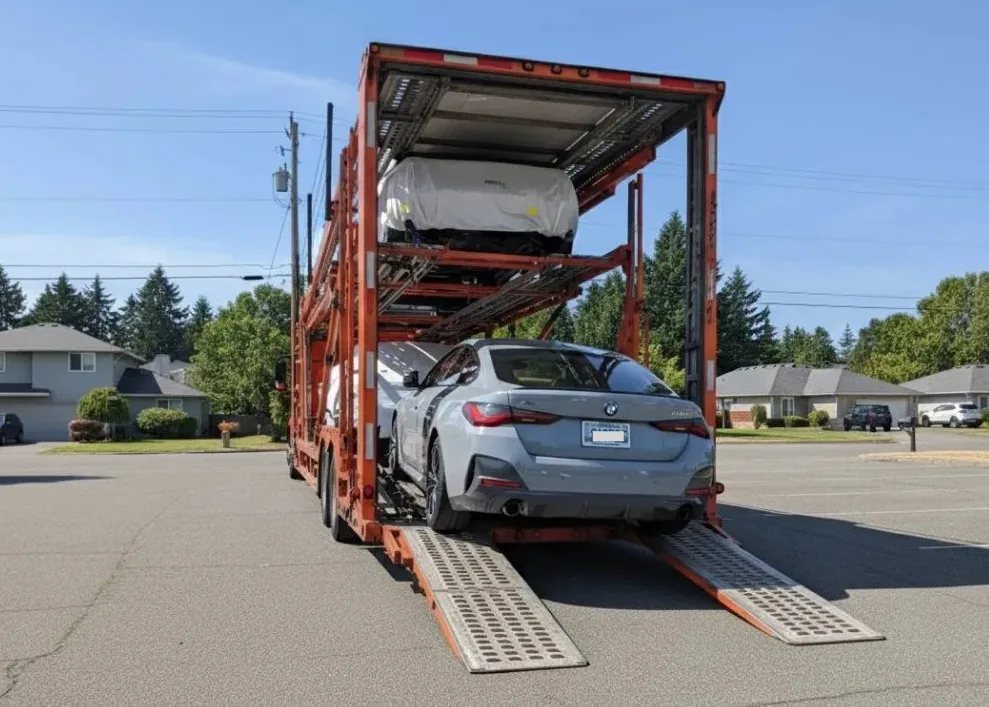
Trade-ins and wholesale units bound for auction houses make up the largest share of dealer transport volume. These are cars that need to move fast and cheap on open carriers holding 8-10 vehicles per load. Next up is inter-lot inventory transfers, where a dealer group shifts stock between locations to match local demand.
High-line and specialty vehicles require a different approach. A new Mercedes-AMG or a consignment Corvette doesn't ride on an open hauler next to a fleet of Nissan Sentras. These ship enclosed, and the premium is justified. We recently moved a 992 Porsche Turbo S from a Scottsdale dealer to their San Diego storefront for $2,650 on an enclosed trailer. Compared to the risk of cosmetic damage on a $230,000 car, that's an easy call.
Multi-vehicle shipping is where dealers see the biggest savings. Batching 6-8 cars going to the same region onto one carrier cuts the per-unit cost by 30-40% versus booking each car individually. One dispatch, one Bill of Lading, one delivery window.
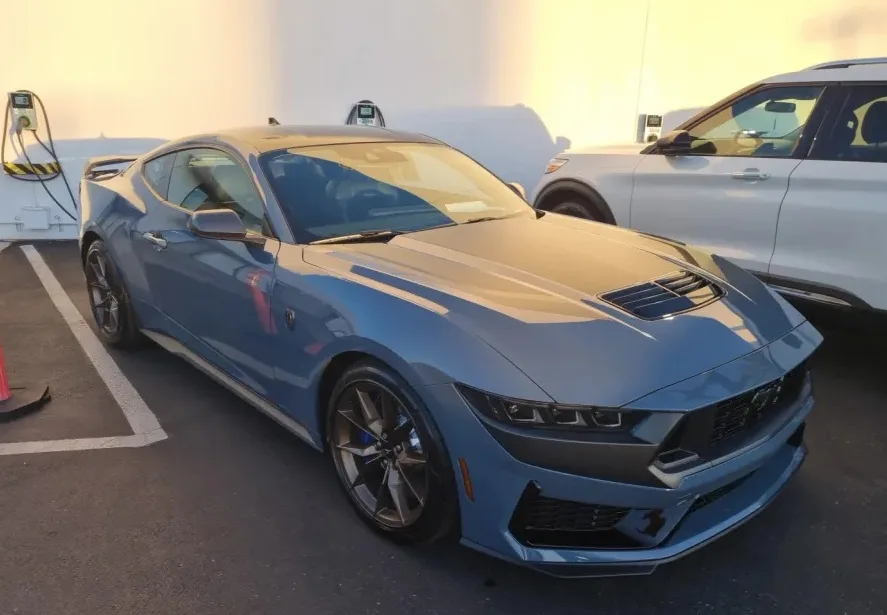
Per-Unit Costs and Where Volume Discounts Kick In
A single-vehicle dealer shipment costs $600-$1,400 depending on distance and carrier type. But dealers consistently moving 15+ units per month unlock volume tiers that can bring the per-car cost down to $475-$850. The more predictable your shipping volume, the better the rate structure we can build for you.
Corridor density drives pricing just as much as mileage. Phoenix to Los Angeles runs about $490-$550 per vehicle because carriers service that lane every single day. Phoenix to Bozeman, Montana? Closer to $1,050-$1,200 because carriers need to build a load going that direction and the frequency is much lower.
Expedited shipping adds 30-50% to the base rate but pays for itself when inventory needs to hit your lot by a specific date. A Chevrolet dealer in Mesa called us needing 8 Traverses delivered before a President's Day weekend sale. The expedited premium ran $2,800 above standard rates. They sold all 8 that weekend and netted over $14,000 in gross above transport costs.
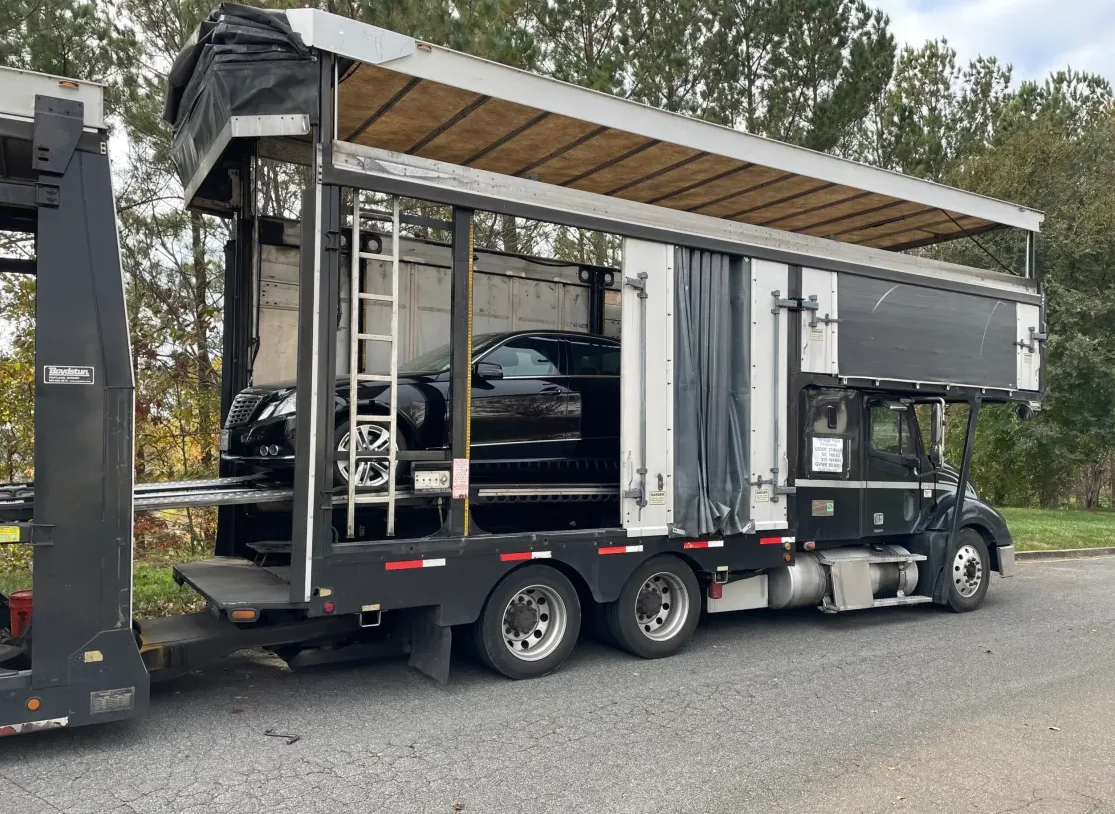
When to Use Open Haulers and When Enclosed Is Worth the Premium
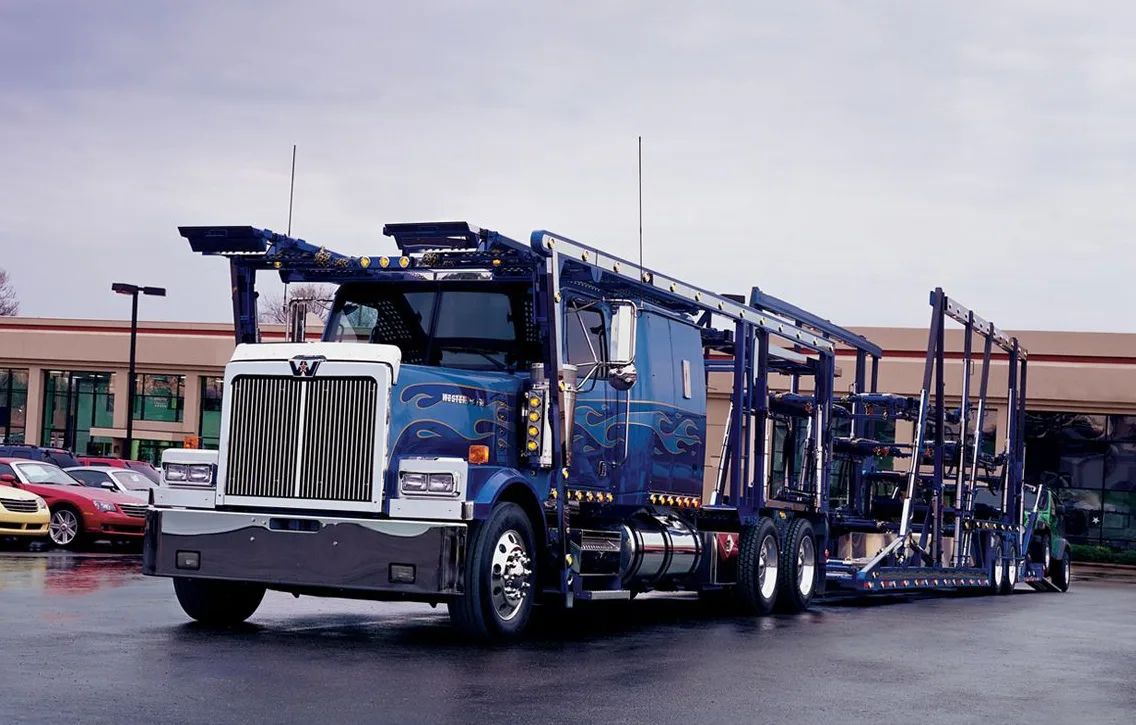
Open carriers handle about 85-90% of all dealer shipments. They're the workhorses of the industry, moving trade-ins, off-lease returns, auction purchases, and standard inventory under $50,000 efficiently and affordably. The damage claim rate on open transport is well under 1%, so the risk profile is extremely low for everyday inventory.
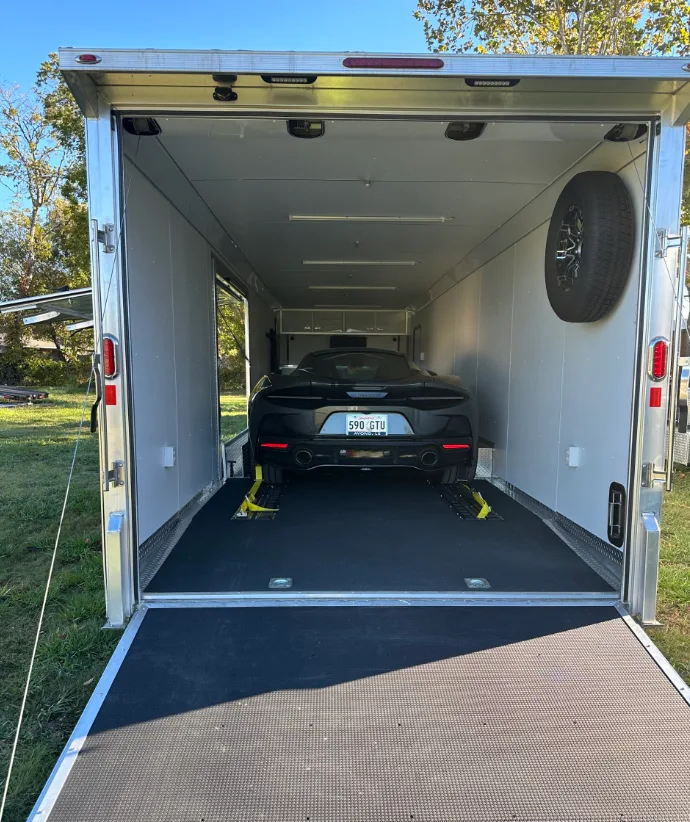
Enclosed transport costs 55-75% more per unit but eliminates exposure to road debris, weather, and UV. Dealers use it for flagship inventory: AMG models, M cars, certified pre-owned Porsches, and anything with a sticker above $70,000. One GM dealer we work with automatically routes every Corvette and Escalade-V through enclosed. The $700-$900 premium per vehicle is a rounding error on a $95,000 unit.
Some dealers run a hybrid strategy on the same corridor. Eight standard units go on an open hauler while two high-line cars ride enclosed, both coordinated to arrive on the same day. It keeps logistics simple and costs contained while protecting the vehicles that actually need the extra coverage.
How Auction Pickups Work at Manheim, ADESA, and IAA
Auction transport operates on a different clock than regular dealer shipping. You win the vehicle on a Tuesday, and the auction facility gives you 3-5 business days to arrange pickup before storage fees start accruing. That window is tight, and missing it can cost $25-$50 per day in lot charges.
Our drivers carry active credentials at Manheim, ADESA (now OPENLANE), IAA, and Copart locations across the country. They know the gate procedures, the title release process, and the lot layouts. That eliminates the delays that happen when an unfamiliar carrier shows up and doesn't have the right paperwork or security clearance.
Auction vehicle shipping also means dealing with inoperable inventory. Roughly 20-25% of auction purchases don't start, have salvage titles, or need mechanical attention before they can roll onto a trailer. Our carrier network includes rigs with winch equipment and forklift access for vehicles that can't be driven on and off under their own power.
Documentation and Insurance for Multi-Vehicle Dealer Shipments
Your dealer license streamlines most of the regulatory paperwork that slows down consumer shipments. That said, each vehicle still needs a title or MCO (manufacturer's certificate of origin), the physical key, and a completed condition report noting pre-existing damage. We handle interstate transport permits and DMV notifications on our end.
For dealers shipping in volume, we set up a master shipping agreement that covers all vehicles under one contract rather than generating individual paperwork for each unit. One agreement covers insurance terms, pickup/delivery protocols, and payment terms for 10, 20, or 50 vehicles at a time. It cuts administrative overhead substantially.
Insurance coordination is the part that trips up new dealer accounts. Our transport services include up to $250,000 in cargo coverage per vehicle, but your dealership's garage keeper policy may already serve as primary coverage during transit. We'll work directly with your insurance agent to identify overlaps and close any gaps without doubling up on premiums.
Three Ways Dealers Lower Their Per-Unit Transport Spend
Batch by destination instead of shipping one-offs. If you have three cars heading to the Dallas-Fort Worth area this week and two more next week, consolidate them on a single carrier run. A Toyota dealer in Tempe switched from ad hoc dispatching to a weekly batching schedule and dropped per-unit transport costs by 28% in the first quarter.
Time your non-urgent shipments for off-peak months. June through August is the busiest window in auto transport because consumer relocations and snowbird returns pile on top of dealer traffic. Rates run 20-30% higher during that stretch. If you can schedule wholesale and inter-lot transfers during February, March, or October, you'll pay significantly less per unit.
Use a single broker with a centralized dashboard rather than calling three different carriers for three different routes. Our dealer portal tracks every active shipment, pushes automated delivery updates to your team and your customers, and consolidates invoicing into one monthly statement. That alone saves hours of phone-tag and email chains per week.
What Separates a Good Dealer Transport Partner from a Bad One
Start with the basics: active USDOT number, active FMCSA broker authority, and verifiable cargo insurance. There are plenty of unlicensed operations posing as legitimate brokers. Verify credentials at safer.fmcsa.dot.gov before you hand over a dime or a set of keys.
Network size directly correlates with pickup speed and rate competitiveness. National Auto Transport works with a nationwide network of vetted carriers, which means we can dispatch on high-volume corridors within 48 hours and offer competitive pricing even on low-frequency routes. A small broker with a handful of carrier relationships can't match that flexibility.
Dedicated dealer account management is the piece that most brokers skip. Your lot manager doesn't have time to navigate a generic 1-800 customer service line. Our dealer clients get a named account rep with a direct phone number. No phone trees, no hold music, no explaining your operation to a different person every time you call.
Dealer Shipping Options: Per-Unit Costs and Transit Windows
| Transport Type | Cost Range | Timeline | Best For |
|---|---|---|---|
| Open Carrier (Single Unit) | $600-$1,400 | 5-10 days | One-off trade-ins, customer buys |
| Open Carrier (Volume 10+) | $475-$950 | 3-7 days | Lot-to-lot transfers, batch moves |
| Enclosed Trailer | $950-$2,400 | 5-14 days | $70k+ inventory, AMG/M/RS models |
| Expedited Open | $850-$2,000 | 1-4 days | Sale events, customer promises |
| Auction Pickup | $575-$1,350 | 3-7 days | Manheim, ADESA, IAA, Copart |
Dealers who stick with one transport partner and ship consistently every month get better per-unit rates than those who shop every load across five brokers. Predictable volume earns you priority dispatch, dedicated account management, and billing terms that free up cash flow.
What Dealers Should Remember
Common Questions from Dealership Clients
Straight answers from the National Auto Transport dealer services team.