Portland to Los Angeles Auto Transport
Our carriers cover the 960 miles from Portland to Los Angeles in 3-5 days, rolling south on I-5 through Oregon and California's Central Valley. It's a straight-shot corridor that our trucks run constantly.
Ship Your Car Today
Get a quote or talk to our team right now

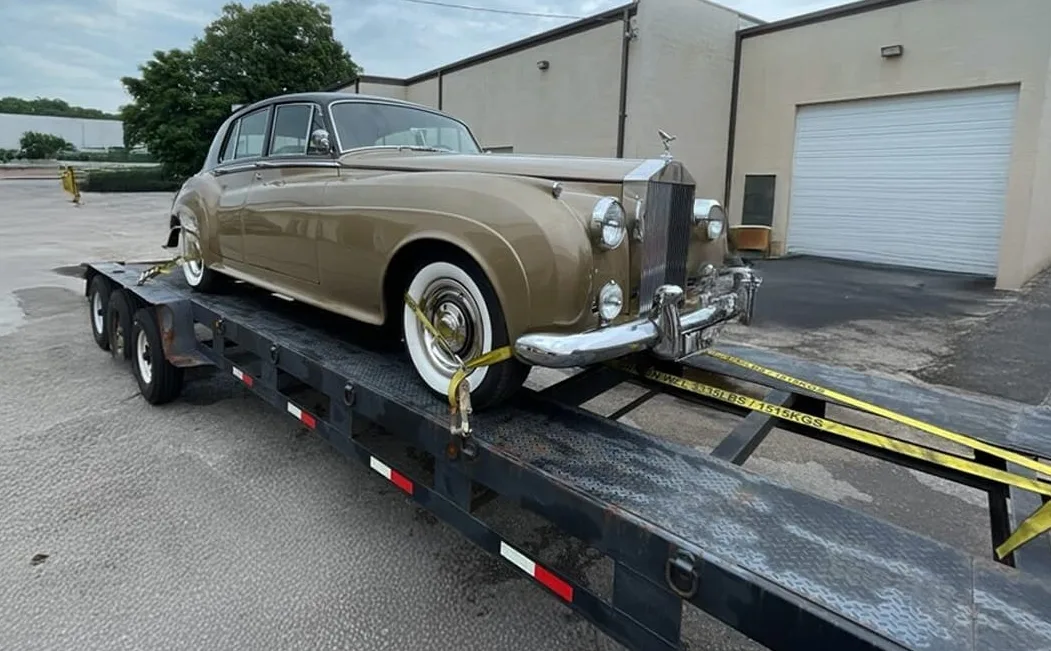
What Sets the Portland to LA Corridor Apart
After shipping over 15,000 vehicles since we opened our doors, the Portland to Los Angeles lane is honestly one of our favorites. It's predictable. Carriers know it cold because it's pure I-5 from start to finish. There's no confusing city routing until you reach LA, no tricky mountain passes beyond the Siskiyous, and truck stops are plentiful the whole way down.
What really makes this route work is the steady two-way traffic. We're not just sending cars south from Portland. There's a constant flow of vehicles moving north from LA too. That means our carriers aren't driving back empty, which keeps pricing fair for everyone. During peak season (March through October), transit times often tighten up by 2-3 days because there are simply more trucks running the lane.
Something most brokers won't mention: the I-5 corridor through California's Central Valley is a major logistics hub where carriers refuel and swap drivers. Stockton and Fresno are the big stops. If your car sits still for a while during tracking, it's usually happening there because the driver is rotating shifts or the carrier is picking up another vehicle to fill out the load.
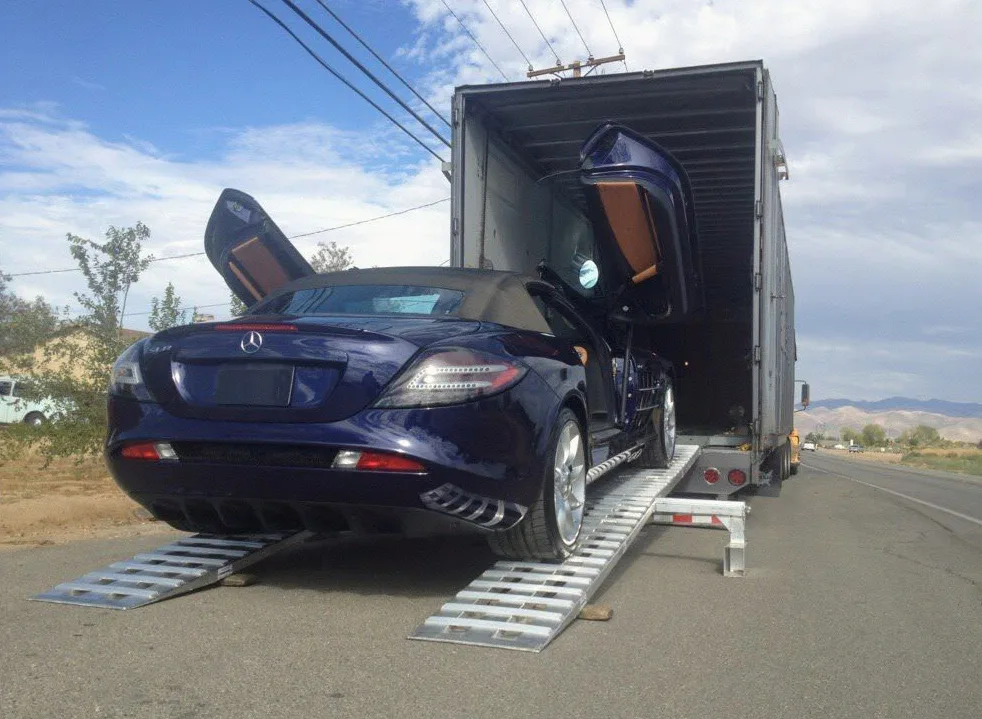
When to Book for the Best Price and Speed
Timing makes a bigger difference on this route than most people expect. Summer (June through August) is peak season with higher demand, but carrier availability also ramps up. You'll pay premium rates, though transit times are often quicker because trucks are running this lane nonstop to keep up with vacation relocations and early snowbird moves.
Winter shipping (November through February) gets tricky in the Siskiyou Mountains between Oregon and California. Chain requirements and temporary I-5 closures during heavy snow have delayed carriers 12-24 hours in the past. The upside is that winter rates typically run 15-20% below summer pricing, and once the truck clears the mountains, the Central Valley is wide open.
Spring (March through May) is the sweet spot for this corridor. The weather is improving, rates haven't climbed to summer levels yet, and there are plenty of carriers available. We shipped a 2022 Tesla Model 3 from Portland last April. Picked up on Tuesday, delivered in Pasadena Thursday morning. That's about the best turnaround you'll see on a 960-mile haul.
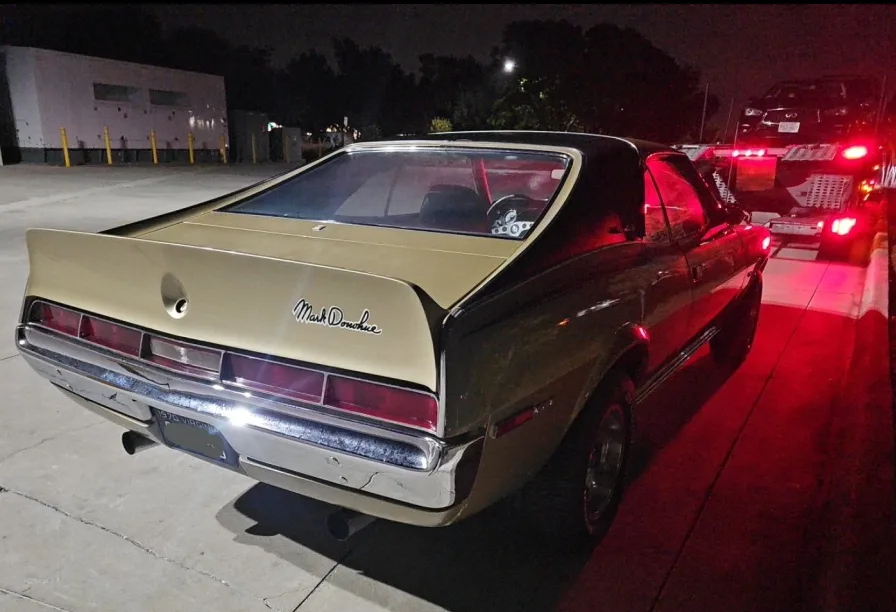
Open or Enclosed: Which Makes Sense for Your Car?
About 85% of our Portland to LA customers choose open carrier transport. It's affordable, dependable, and the I-5 corridor is forgiving weather-wise for most of the year. Your car goes onto a standard hauler carrying 7-10 vehicles. It's exposed to the elements, sure, but past Eugene the climate dries out and it's mostly clean highway miles.
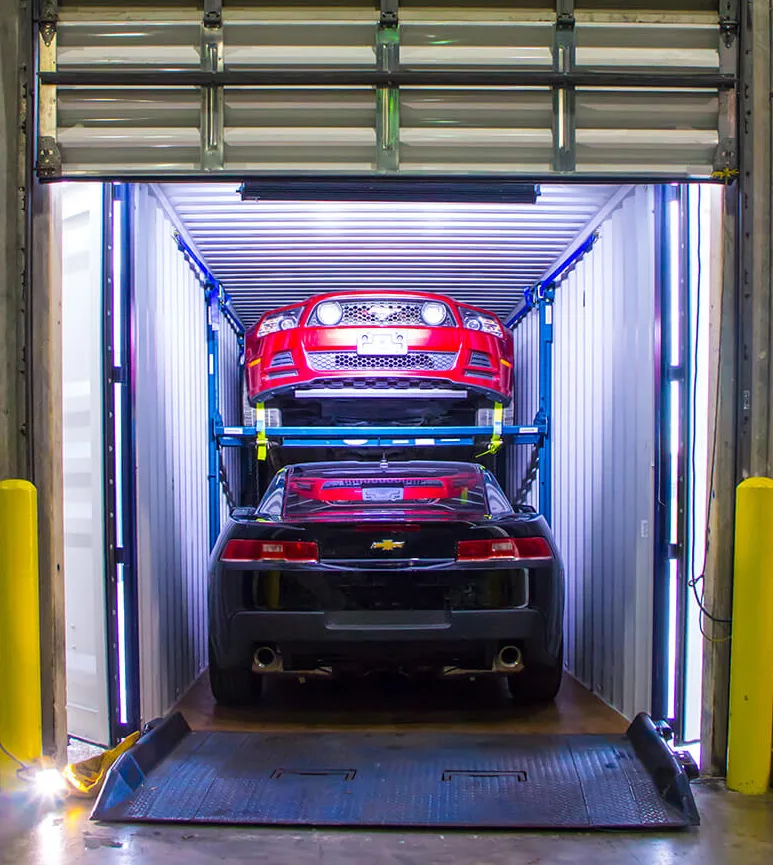
Enclosed transport is the recommendation for anything valued over $50,000 or any collector-grade vehicle. Enclosed trailers hold fewer cars (2-6 typically), which costs more to operate, but you get total protection from debris, weather, and wandering eyes at rest stops. We moved a 1967 Mustang Fastback from Portland to Beverly Hills recently in an enclosed trailer. The customer paid the premium because that car was worth more than some people's houses.
The simple version: if you're shipping a daily driver sedan, SUV, or truck in good shape, open transport handles the job without a problem. For luxury cars, classics, or anything with custom work, pay the extra for enclosed. We've never had a customer regret going enclosed, but we've had a few who wished they'd upgraded after spotting road salt residue or a rock chip.
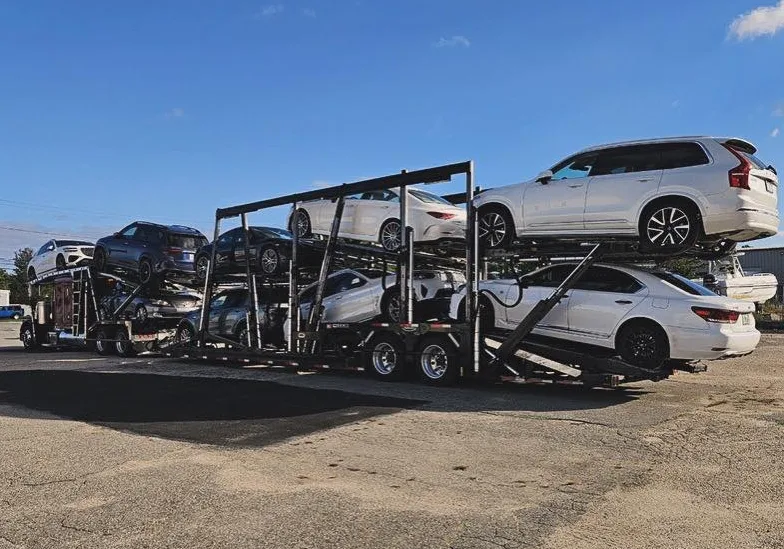
Door-to-Door or Terminal: What Works in LA?
Most Portland customers want door-to-door delivery, and we don't blame them. Who wants to drive across LA to grab their car from a lot? That said, LA delivery can get complicated. Narrow streets in Hollywood Hills, apartment buildings in Santa Monica with no truck access, and downtown high-rises with parking rules sometimes force carriers to use a nearby meeting point regardless.
When we say door-to-door, we mean as close to your address as legally and physically possible. A loaded car carrier stretches 75 feet and needs room to turn. In a typical LA neighborhood with street parking and decent access, we'll deliver right to your door. If the truck can't safely maneuver at your location, the driver will call and suggest meeting at a nearby shopping center or wide street, usually within a couple of miles.
Terminal pickup saves $50-100 and works if you don't mind making the trip. LA has a handful of auto transport terminals, but unless you're shipping to a business address or you know LA traffic well, the door-to-door premium is worth it. One customer last year saved $75 going terminal, then spent $60 on Uber rides and burned three hours of his day getting to the lot. The savings weren't really savings.
How Your Shipment Unfolds Day by Day
Here's the play-by-play after your car gets loaded in Portland. Day 1: the driver picks up anywhere from downtown to the suburbs. Most residential areas work fine, though tight spots might mean meeting on a nearby main street. The driver walks around the car, takes photos, and you both sign the Bill of Lading. After that, they're on I-5 South within a few hours.
Days 2 and 3 are all highway. The carrier pushes through Oregon (Salem, Eugene, Grants Pass), crosses into California, and works down through Redding and Sacramento. Federal rules require rest breaks every 11 hours, so the driver typically stops overnight somewhere in the Central Valley. Stockton and Fresno are the usual spots. If your tracking shows the car sitting still for 10-12 hours, that's just mandatory rest time. Nothing's wrong.
Delivery day (usually around day 3-5) kicks off early. LA traffic is punishing, so most carriers try to arrive before 7 AM or after 7 PM to miss the worst of it. Your driver calls 2-4 hours out to lock in the delivery time and location. You'll compare the car to the original condition report, sign the paperwork, and that's it. A cash tip for the driver ($20-50) is a nice gesture but not expected.
How Your Shipment Works
Request a Quote
Call (602) 860-6894 or fill out the online form. We'll build a price based on your specific vehicle, pickup and delivery addresses, and whether you want open or enclosed.
Confirm Your Booking
Once you're happy with the quote, we assign a licensed carrier to your shipment. There's no payment until delivery and we don't ask for deposits or upfront fees.
Portland Pickup
Your carrier reaches out 24-48 hours ahead to lock in the exact pickup time and spot. The driver walks around the car, documents its condition, and hands you the Bill of Lading.
LA Delivery
After 3-5 days on I-5 South, your driver calls 2-4 hours before arriving in LA. You'll do a final inspection, handle the paperwork, and settle payment right at delivery.
Portland to LA Rates by Vehicle
| Vehicle | Open Carrier | Enclosed | Transit |
|---|---|---|---|
| Sedan / Compact | $750-$950 | $1,200-$1,500 | 3-5 days |
| SUV / Crossover | $825-$1,050 | $1,350-$1,650 | 3-5 days |
| Pickup Truck | $875-$1,125 | $1,400-$1,750 | 3-5 days |
| Luxury / Exotic | N/A | $1,600-$2,200 | 3-5 days |
| Motorcycle | $450-$650 | $750-$950 | 3-5 days |
| Inoperable Vehicle | $200+ surcharge | $1,500+ | Add 1-2 days |
Carriers often pick up additional vehicles in Sacramento or Stockton to fill their trailers before hitting LA. This can add 4-6 hours to transit time but doesn't cost you extra - it's just how the logistics work on high-volume routes like this one.
Portland to LA Shipping FAQs
Straight answers to the questions we hear most about this I-5 corridor.