Ship Your Car from Miami to Chicago
Moving a vehicle 1,380 miles from Miami to Chicago? We run this I-75 corridor through Florida, Georgia, Tennessee, Kentucky, and into Illinois every week. Most deliveries finish in 4-6 days, and it's one of the busiest lanes in our network.
Ship Your Car Today
Get a quote or talk to our team right now

Why We Know This Route Better Than Anyone
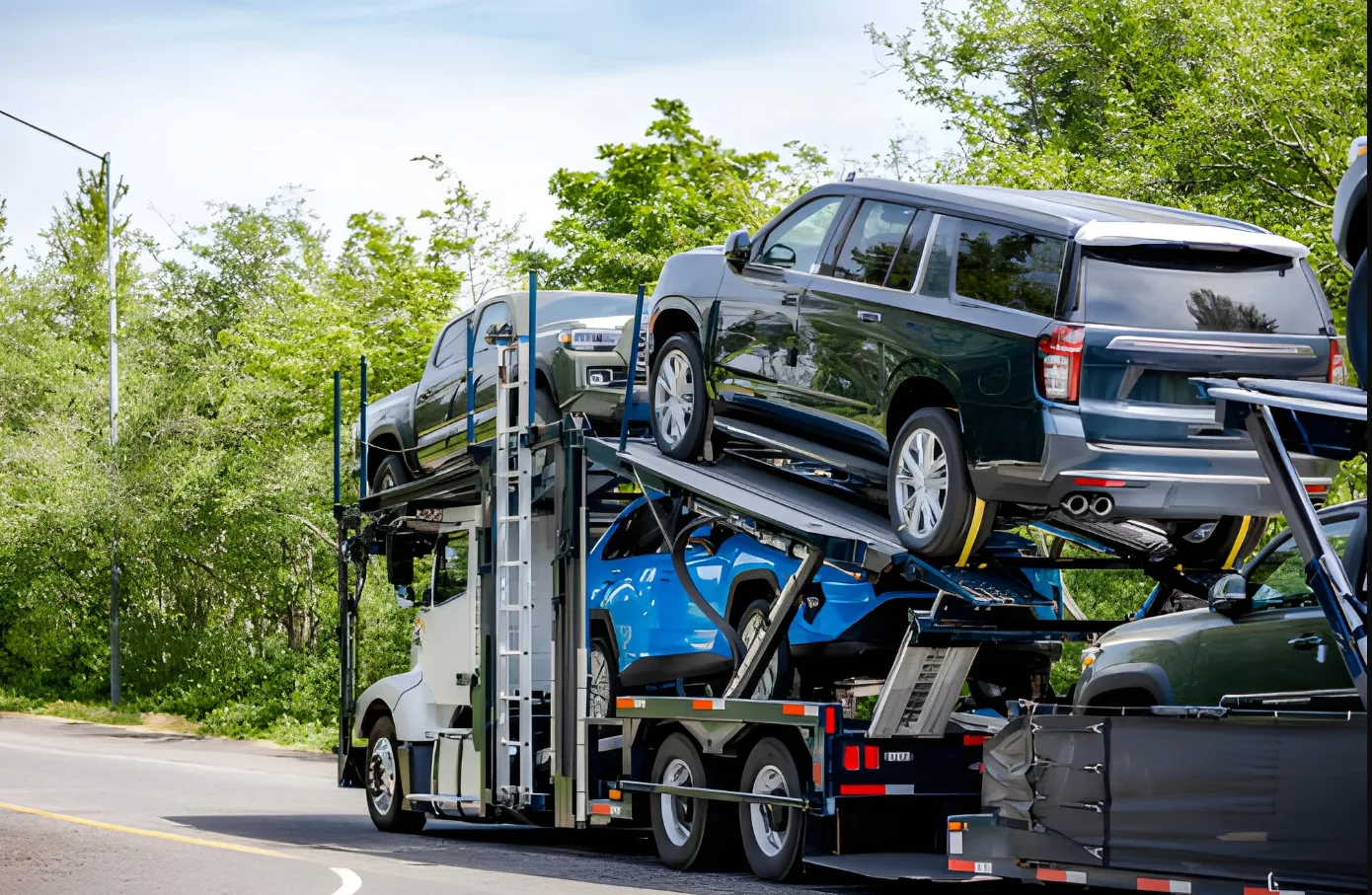
Since we opened in 2018, we've moved over 15,000 vehicles, and the Miami-to-Chicago lane is the backbone of our business. Carriers follow I-75 for almost the entire 1,380 miles, and they know this stretch like their own driveway. There are no mountain passes, no desert crossings, just well-maintained interstate connecting major cities the whole way.
What keeps this corridor so dependable is the sheer number of carriers running it. We work with 47 different transport companies that travel this lane on a weekly basis. That gives you faster pickups, sharper pricing, and backup options if anything goes sideways. Most Miami pickups happen within 1-2 days of booking, which is much quicker than what you'll see on less-traveled routes.
The seasonal rhythm is predictable, too. From October through March, there's a flood of vehicles heading south as snowbirds and retirees escape the Midwest cold. April through September flips the direction. Families relocate for work, college students head back north, and folks who gave Florida a shot decide Chicago deep dish is worth the winter. We adjust pricing to match those patterns.
Cities and Highways Along the Way
Your car starts in Miami and gets on I-75 north almost right away. The carrier rolls through Fort Lauderdale, then cuts through the Everglades before reaching Tampa, where the real interstate cruising begins and the big haulers pick up speed.
North of Tampa, it's a straight shot through Gainesville and into Georgia. Atlanta is the big waypoint on this route, a massive logistics hub where carriers commonly stop to fuel up, swap drivers, or shuffle cargo. Past Atlanta, the truck pushes through the Macon area, up toward Knoxville in Tennessee, then into Kentucky through the Lexington and Louisville corridor.
From Kentucky, carriers pick their path. Some stay on I-75 and link up with I-264 through Louisville, while others hop on I-64 west. The final leg into Chicago usually comes via I-65 north or I-57, depending on where in the metro your car is going. Total drive time for a carrier is roughly 20-22 hours, spread across 4-6 days with required rest breaks and other stops along the way.
How Time of Year Shapes Your Shipping Cost
Something a lot of brokers skip over is that this route has two very different pricing seasons. November through February delivers our lowest northbound prices because carriers are loaded down with southbound snowbird traffic. Basic supply and demand: tons of cars flowing to Florida means empty spots heading north, which can push rates down 15-25%.
Summer flips the whole equation. June through August, families relocate, college students head north, and corporate transfers hit their peak. Northbound demand spikes, carrier spots fill up, and prices climb. We're talking 20-30% higher than winter rates during the busiest summer weeks.
The shoulder months of March through May and September through October tend to be the sweet spot. You'll find decent carrier availability, fair pricing, and fewer weather headaches. If your timeline is flexible, those windows give you the best overall value. Hurricane season (June through November) can complicate things on the Florida end, but we've got backup plans and up to $250,000 in per-vehicle insurance coverage.

Open or Enclosed: Which One Fits Your Vehicle?
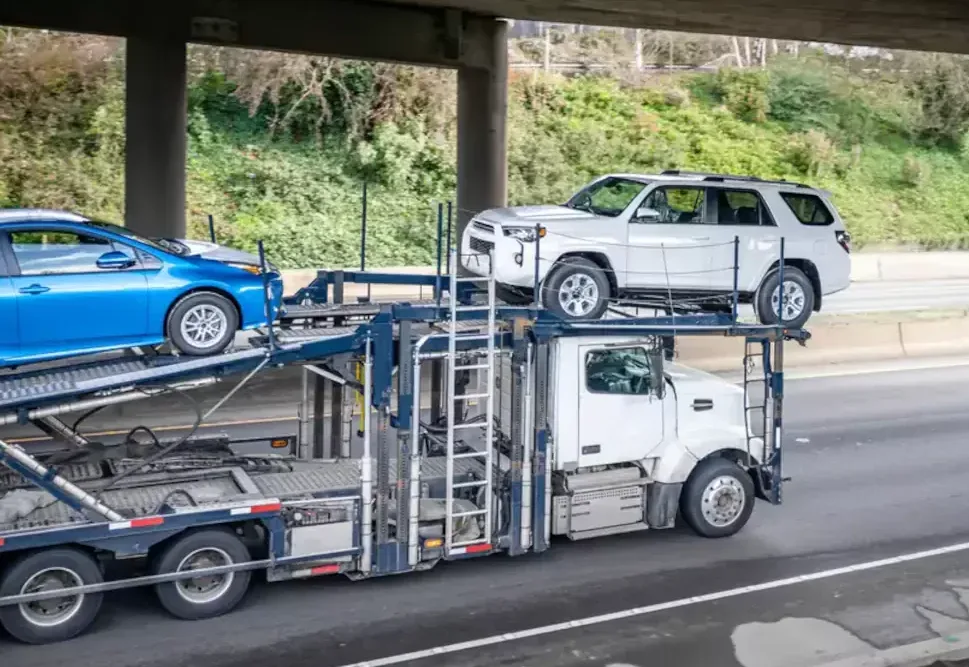
Roughly 85% of the cars we move from Miami to Chicago ride on open carriers. It's affordable, reliable, and exactly right for daily drivers, family vehicles, and standard cars. Your vehicle shares a two-level trailer with 8-10 others, covered by the carrier's commercial insurance plus our additional protection.
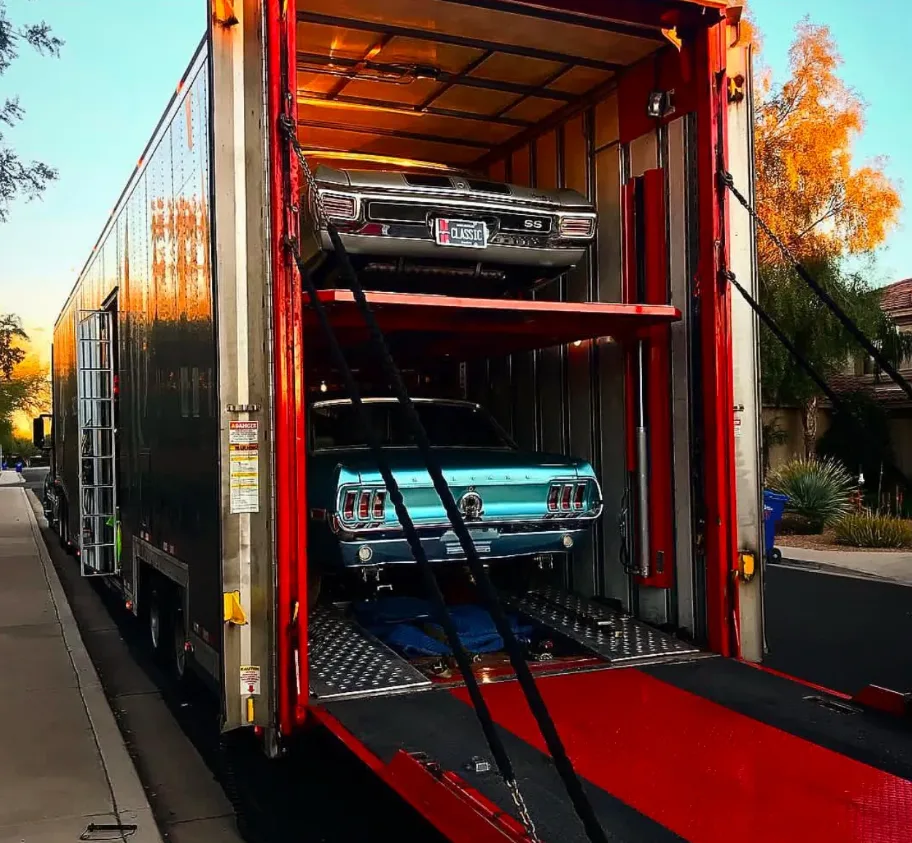
Enclosed transport is the call for high-value rides. Miami is loaded with exotics like Lamborghinis, Ferraris, and custom builds, and Chicago's collector community is serious about their cars. Enclosed trailers hold just 2-6 vehicles, fully shielded from weather, road grit, and prying eyes. If your car is worth over $75,000 or can't be replaced, enclosed is the way to go.
Our rule of thumb is pretty simple: everyday car under $50K? Go open. Luxury ride, classic, or something you'd lose sleep over if it picked up a rock chip? Go enclosed. The gap on this lane is typically $600-800 extra for enclosed, and that's a small price for protecting a six-figure vehicle. We've hauled everything from rust-bucket projects to million-dollar Ferraris on this corridor.
Door-to-Door or Terminal: What Works Better?
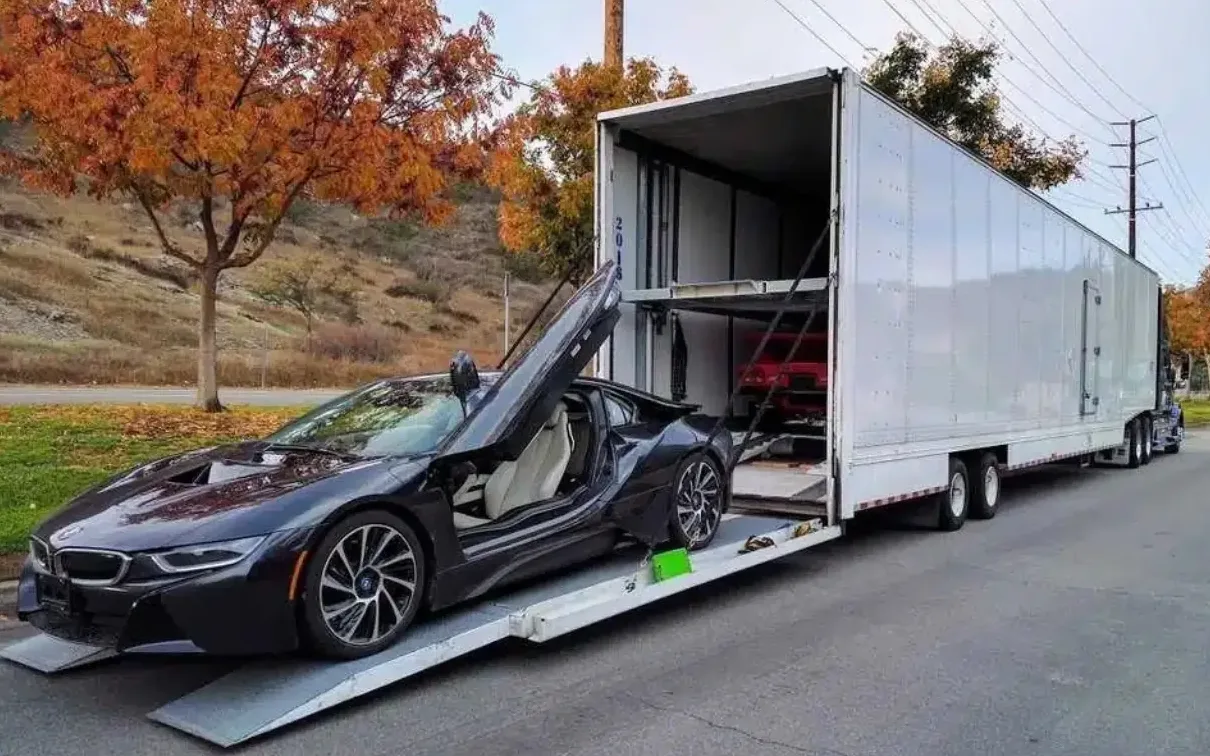
Door-to-door service is a great fit on this lane because carrier access is strong in both metros. Most residential streets in Miami-Dade, Broward, and Palm Beach counties are reachable by transport trucks, and the same goes for neighborhoods across Cook County and the Chicago suburbs.
Terminal-to-terminal can shave $100-200 off your bill, but for most people the convenience of door-to-door wins out. Miami terminals sit in industrial pockets like Hialeah or Doral, which aren't exactly a quick trip from South Beach or Coral Gables. On the Chicago side, terminals tend to cluster on the south and west sides, meaning extra driving and scheduling on both ends.
The one situation where terminal makes the most sense is if your neighborhood has really tight streets, low-hanging branches, or truck restrictions. We run a quick address check during booking and will tell you upfront if your location could be tricky. After doing this since 2018, we've gotten pretty good at spotting access problems before they cause headaches.
How the Process Works
Get Your Price
Call (602) 860-6894 or fill out the online form. Give us your pickup and delivery addresses, vehicle info, and preferred dates. Your quote stays locked in for 14 days.
Confirm and Schedule
Reserve your spot (deposits start at $0 with approved credit) and we'll pair you with a carrier within 1-3 business days. You'll get the driver's contact info and tracking details before pickup.
Miami Pickup
Your carrier calls 24 hours ahead. Walk around the vehicle together, note any existing marks, clear out personal belongings, and hand over the keys.
Chicago Delivery
Follow your shipment through carrier updates as it heads north. When it arrives in Chicago, do a final inspection and pay the remaining balance to the driver.
Miami to Chicago Costs by Vehicle
| Vehicle | Open Carrier | Enclosed | Transit |
|---|---|---|---|
| Sedan / Compact | $795-$1,185 | $1,395-$1,895 | 4-6 days |
| SUV / Crossover | $845-$1,285 | $1,495-$1,995 | 4-6 days |
| Pickup Truck | $885-$1,325 | $1,545-$2,095 | 4-6 days |
| Luxury / Exotic | N/A | $1,795-$2,695 | 4-6 days |
| Motorcycle | $595-$895 | $795-$1,195 | 4-6 days |
| Inoperable Vehicle | $995+ surcharge | $1,695+ | Add 1-2 days |
Try to schedule your Miami pickup for Tuesday through Thursday. Mondays can drag because carriers are still getting positioned after the weekend. Friday pickups carry the risk of weekend delays if anything goes wrong. Mid-week departures give you the strongest carrier availability and the most predictable pickup windows.
Miami to Chicago Shipping FAQs
What our customers ask most often about this long-haul corridor.