State-by-State Car Shipping Rules: Registration, Emissions, and Carrier Permits
Shipping a car from Arizona to New York means complying with federal DOT rules and two completely different sets of state regulations. California demands CARB-compliant emissions paperwork. Florida wants title documentation in a very specific format. Here's a breakdown of what actually matters by state so you don't get blindsided after your car arrives.
Ship Your Car Today
Get a quote or talk to our team right now

Why Every State Has Its Own Set of Vehicle Shipping Rules
Vehicle regulation in the United States is split between federal authority and individual state authority. The federal government sets baseline carrier safety, insurance, and hours-of-service requirements through the FMCSA. Everything else, from emissions standards to registration timelines to title transfer procedures, is up to each state's legislature and DMV.
That split creates a patchwork that directly affects car shipping logistics. California enforces the toughest emissions standards in the country through its Air Resources Board (CARB). Texas puts heavy emphasis on carrier weight permits and commercial vehicle inspections at state border checkpoints. New York layers its own DOT permit system on top of federal USDOT requirements.
On the other end of the spectrum, states like Montana, Wyoming, and South Dakota have minimal vehicle inspection mandates and straightforward registration processes. When we're routing vehicles on Open Carrier Transport runs, we map out every state the trailer will pass through to account for compliance checkpoints, weigh stations, and potential permitting delays.
California, New York, and Florida: The Three Toughest States for Incoming Vehicles
California is the clear leader in regulatory complexity. Every vehicle being registered for the first time must pass a CARB emissions check, and California's standards exceed federal EPA thresholds. Diesel trucks and modified vehicles face the highest scrutiny. If your car doesn't carry a California-compliant emissions label or lacks a valid smog certificate, you'll need to get it tested and potentially modified before the state will issue plates.
New York runs a 21-point safety inspection that covers the frame, suspension, brakes, steering, tires, lights, windshield, exhaust, and emissions system. Vehicles that fail can't be legally registered until repairs are made and the car passes a recheck. Hawaii adds its own twist with mandatory agricultural inspections on every vehicle arriving by ship to prevent invasive species from reaching the islands.
Florida trips people up with its title documentation requirements. The state's DMV is notoriously particular about lien releases, out-of-state title formats, and VIN verification. A customer shipping from Austin to Miami recently had to push pickup back three days because the title paperwork didn't match Florida's format requirements. Getting it right before you ship saves you a trip to the DMV and a lot of frustration.
The Federal Rules That Apply to Every Single Shipment
Before state rules even enter the picture, every auto transport company operating in the U.S. must comply with FMCSA regulations. That means carrying an active USDOT number, maintaining minimum liability and cargo insurance thresholds, and adhering to federal Hours of Service rules that cap how many hours a driver can operate per day and per week.
Federal law also mandates the Bill of Lading (BOL) on every vehicle shipment. This document records every pre-existing scratch, dent, and blemish on your car at the time of pickup. It's the legal baseline that protects both you and the carrier if a damage claim is filed. The driver is required by law to complete this inspection, not just as a best practice.
On the insurance front, the FMCSA requires carriers to hold at minimum $750,000 in liability coverage. National Auto Transport's carrier partners carry cargo insurance covering up to $250,000 per individual vehicle. The DOT also audits carriers on driver log compliance, trailer maintenance schedules, and drug/alcohol testing programs. If a carrier falls out of compliance, the FMCSA can revoke their operating authority entirely.
How State Title and Registration Timelines Change Your Planning
Registration complexity ranges from almost effortless (Delaware, Montana, South Dakota) to genuinely time-consuming (California, New York, Massachusetts). The difference comes down to whether the destination state requires inspections, emissions testing, or specific title formats before they'll issue new plates.
Most states give new residents 30-60 days after establishing residency to register an out-of-state vehicle. Texas sets its window at 30 days. Arizona gives you 15 days. Florida has one of the shortest timelines in the country: 10 days after you take a job or register to vote. Miss these deadlines and you're looking at late fees, fines, or the inability to renew your license until the vehicle is registered.
Our advice is always the same: look up the destination state's DMV requirements before you book the shipment, not after the car arrives. If you're headed to California, start the CARB compliance process at least 2-3 weeks early. If the destination state requires a safety inspection, make sure the car will pass before you spend money moving it 1,500 miles. Our team has guided thousands of Classic Car Shipping customers through state registration hurdles because older vehicles face stricter scrutiny in certain states.
State Weight Caps, Height Limits, and Trailer Length Restrictions
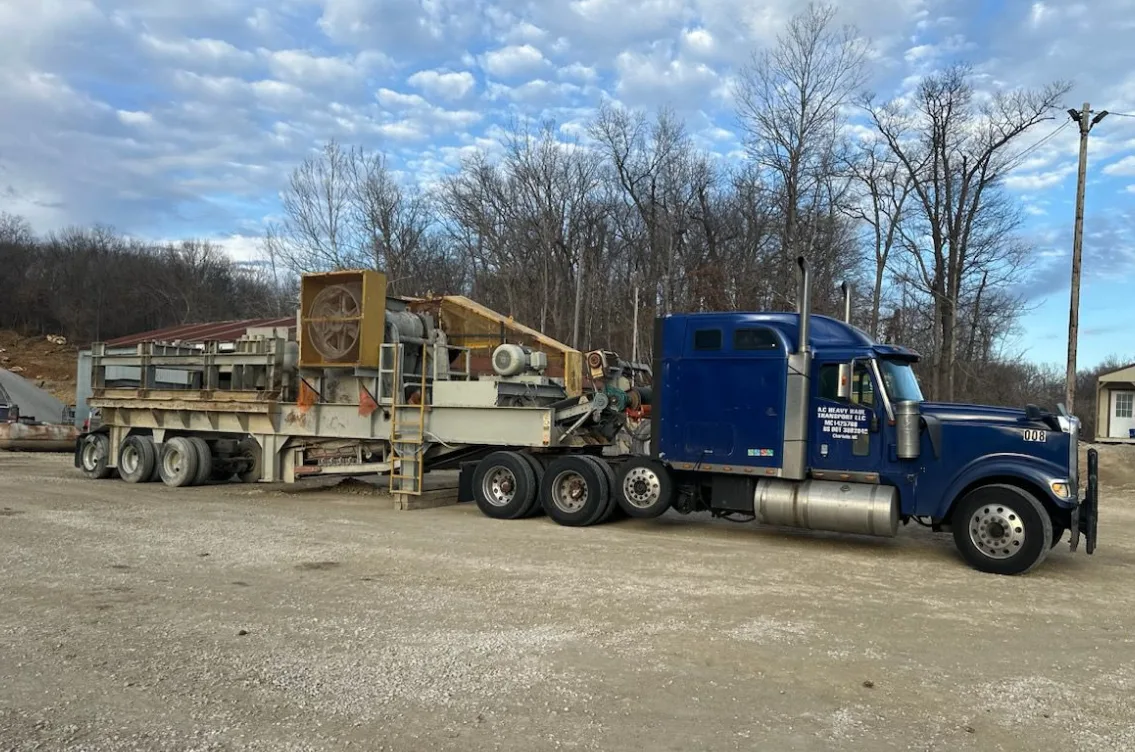
The federal gross vehicle weight limit on interstate highways is 80,000 lbs, and most states stick to that number. Texas is the notable outlier, allowing up to 84,000 lbs on state highways and issuing overweight permits for loads up to 125,000 lbs on designated routes. California enforces the 80,000-lb cap strictly and adds bridge-specific weight postings on secondary roads.
Height clearance is where enclosed carriers run into the most trouble. The national standard is 13'6", but older bridges and overpasses in Pennsylvania, New York, and parts of New England sit lower. We've rerouted enclosed trailers through alternate states specifically to avoid posted clearances of 12'8" and 13'0" on legacy infrastructure in the Northeast.
Trailer length maximums vary too. Some states cap total combination length at 65 feet, while others permit up to 75 feet. That directly determines how many vehicles fit on a single load and ripples into per-unit pricing. When we're mapping routes for customers shipping from Henderson or Las Vegas to East Coast destinations, we plot every state's weight, height, and length restrictions before dispatch to prevent mid-route rerouting or fines.
States That Demand Extra Paperwork from Carriers and Owners
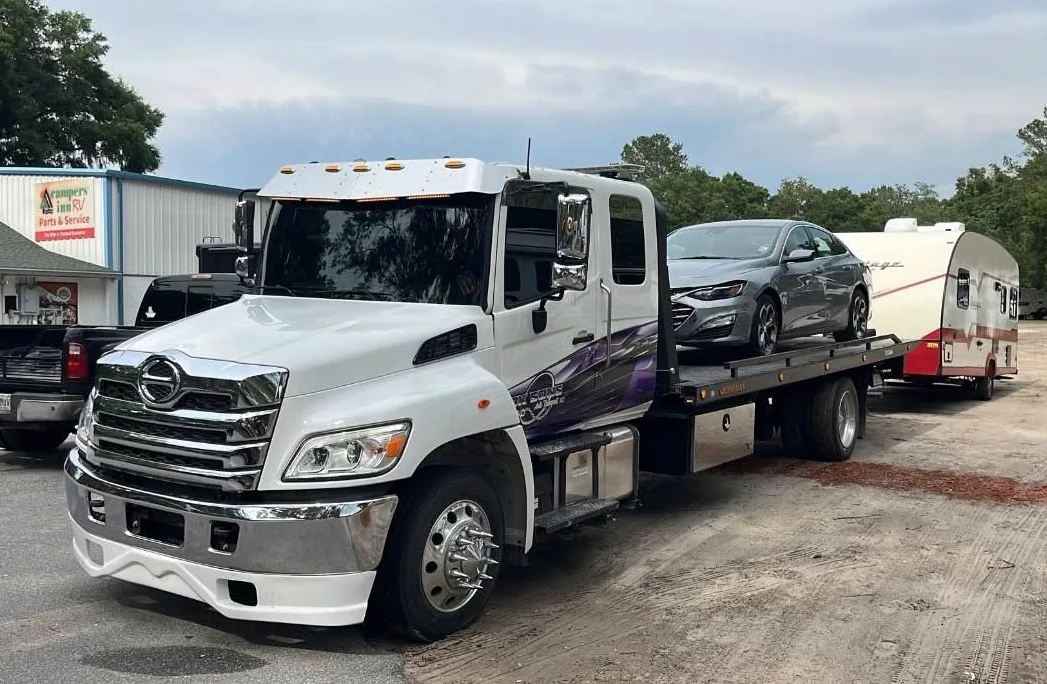
New York layers its own NYS DOT registration number requirement on top of the federal USDOT system. Carriers operating in New York without this state-specific credential face fines starting at $2,500 and can be pulled over, cited, and ordered to stop hauling until the permit is obtained. It's enforced aggressively at weigh stations and during roadside inspections.
California's CARB compliance rules extend beyond personal vehicle emissions. Diesel-powered carrier rigs themselves must meet California Truck and Bus Regulation standards or face citations. For the vehicles being shipped, any car that's going to be registered in California for the first time needs a valid smog check certificate. Modified vehicles and out-of-state diesels face the tightest scrutiny.
Texas applies some of the most detailed permitting requirements in the country for oversized and overweight loads. Lifted trucks, duallies, and heavy equipment on trailers that exceed standard dimensions need state-issued permits that can take 2-5 business days to process. Alaska is a special case entirely. Vehicles shipped by barge or ferry require customs-like documentation, agricultural inspections, and chain-of-custody paperwork despite being domestic moves.
How Regulatory Complexity Adds to Your Shipping Bill and Timeline
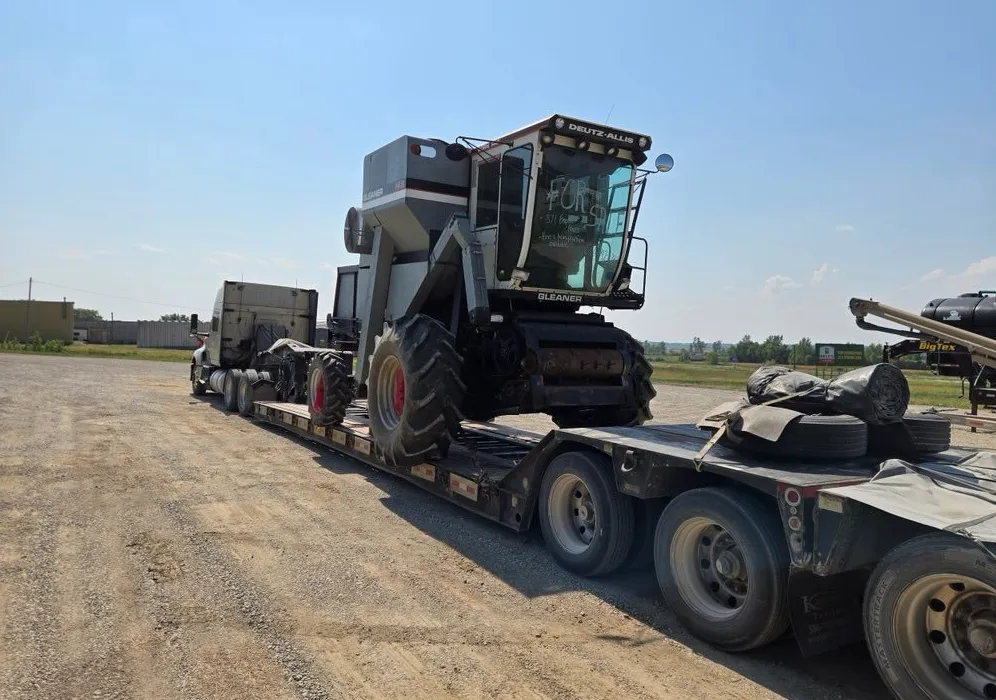
Routes that pass through or deliver to high-regulation states like California and New York carry a 10-15% cost premium compared to routes between less regulated states. Carriers bake compliance costs, potential inspection delays, and the risk of fines into their rate calculations for these corridors.
Timing is the other variable that regulations affect. Permit processing for oversized loads through Texas can add 2-5 business days. California commercial vehicle inspections can hold up delivery by a full day during busy weeks at inspection stations. Weigh station queues on I-81 through Virginia and I-85 through Georgia slow transit by 1-2 hours per stop during peak enforcement periods.
Working with carriers who run these routes regularly eliminates most surprises. Our network partners know which states enforce aggressively, which weigh stations are most backed up, and where to expect inspection checkpoints. We build those variables into every quote upfront. Customers using our Snowbird Car Shipping service between Michigan and Florida, for example, get timelines that already account for compliance stops along I-75 through Georgia and Florida's border checkpoints.
How to Prepare for Your Destination State's Specific Rules
Start at least 30 days before your scheduled ship date. Go to the destination state's DMV website and look up their out-of-state vehicle registration checklist. The information is usually buried under layers of bureaucratic language, so calling the DMV directly with your VIN and vehicle year/make/model gets you the clearest answer fastest.
Collect everything you'll need in advance: your current title with all lien information properly documented, an active registration, and proof of insurance that meets the destination state's minimum coverage requirements. California vehicles need a smog certificate from a CARB-approved testing station. New York-bound vehicles need to be in condition to pass a 21-point safety inspection. Massachusetts requires a sticker from a licensed inspection station within 7 days of registration.
Working with a broker that understands these state-level nuances saves real time. When you request a quote from National Auto Transport, we walk through the destination state's requirements with you and flag anything that could cause a delay or extra cost. Proper planning on the front end prevents the headaches that come from showing up at a DMV office with incomplete paperwork after your car has already been delivered.
Registration Rules and Difficulty by State
| State | Registration Timeline | Special Requirements | Difficulty Level |
|---|---|---|---|
| California | 20 days after residency | CARB smog check, emissions label verification | Very High |
| Texas | 30 days after residency | State safety inspection, carrier weight permits | High |
| Florida | 10 days after employment or voter registration | Exact title format, VIN verification at DMV | High |
| New York | 30 days after residency | 21-point safety inspection, NYS DOT carrier permit | High |
| Arizona | 15 days after residency | Emissions test in Maricopa and Pima counties | Medium |
| Montana | 60 days after residency | No inspection required, simple title transfer | Low |
| Delaware | 60 days after residency | Straightforward process, no emissions test | Low |
| Nevada | 30 days after residency | Smog check in Washoe and Clark counties only | Medium |
Look up your destination state's registration and inspection requirements at least 30 days before shipping. California's CARB emissions process alone can take 2-3 weeks for out-of-state vehicles, and showing up without the right paperwork means your car sits unregistered while you scramble to get compliant.
What to Remember About State Shipping Rules
Common Questions About State Car Shipping Rules
Answers from the National Auto Transport compliance team in Phoenix, AZ.