Snowbird Car Shipping Costs and Timing: FL, AZ, and Top Winter Routes
Roughly 3.5 million Americans migrate to Sun Belt states every winter, and a good portion of them ship a vehicle rather than put 2,000+ miles on it. Here's how pricing works on the most popular snowbird corridors, when you should book to avoid overpaying, and what the process looks like from pickup to delivery.
Ship Your Car Today
Get a quote or talk to our team right now

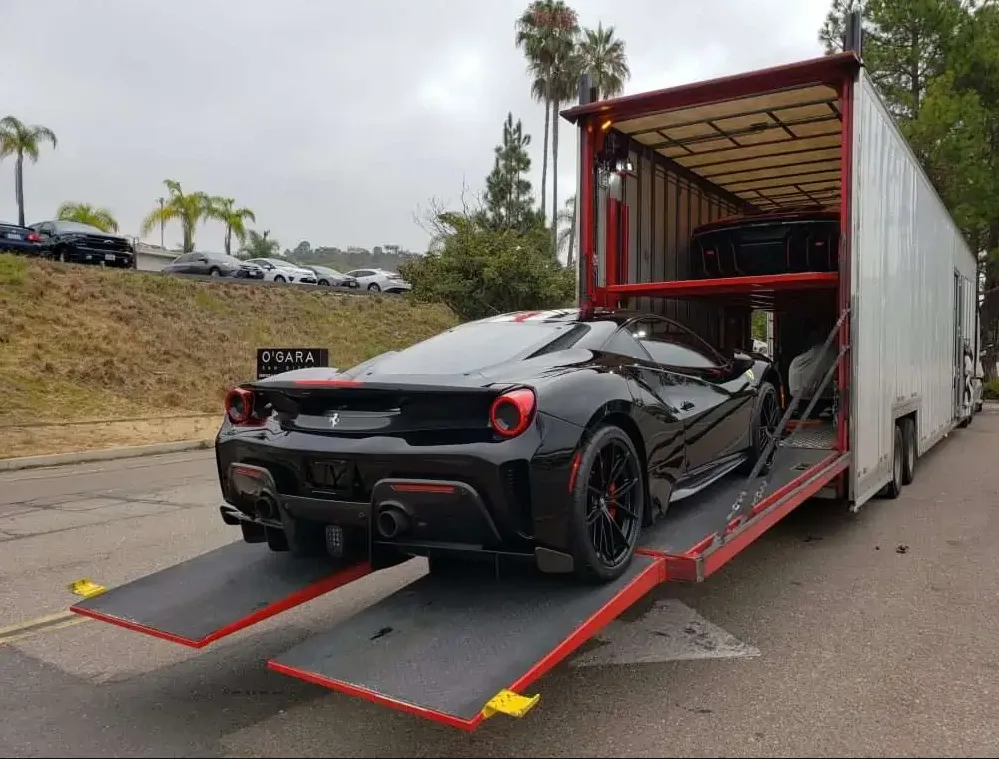
Why Snowbirds Ship Their Cars Instead of Driving Them South
Snowbird auto shipping is the seasonal transport of vehicles from northern states down to winter residences in Florida, Arizona, Texas, and the Carolinas, then back again in spring. The corridors are predictable: Michigan to Naples, Illinois to Scottsdale, New York to Fort Lauderdale, Ohio to Tampa.
Between mid-October and early December, our booking volume on Phoenix-bound routes jumps over 300% compared to summer. Florida corridors see an even sharper spike, particularly on the I-75 and I-95 arteries. It's the single busiest stretch of the year in auto transport.
The financial case is straightforward. A one-way flight from Boston to Fort Lauderdale costs $175-$300. Shipping the car runs $900-$1,250 on an open carrier. Compare that to driving 1,500 miles: two days behind the wheel, $200+ in gas, $150-$250 in hotel rooms, plus meals and the mileage wear on your vehicle. Shipping typically comes out equal to or cheaper than driving, and you get those days back.
Where you land on pricing depends almost entirely on when you pull the trigger. Book at the right time and you'll pay standard rates. Wait too long and you're looking at a 20-30% premium just because every carrier on the route is full.
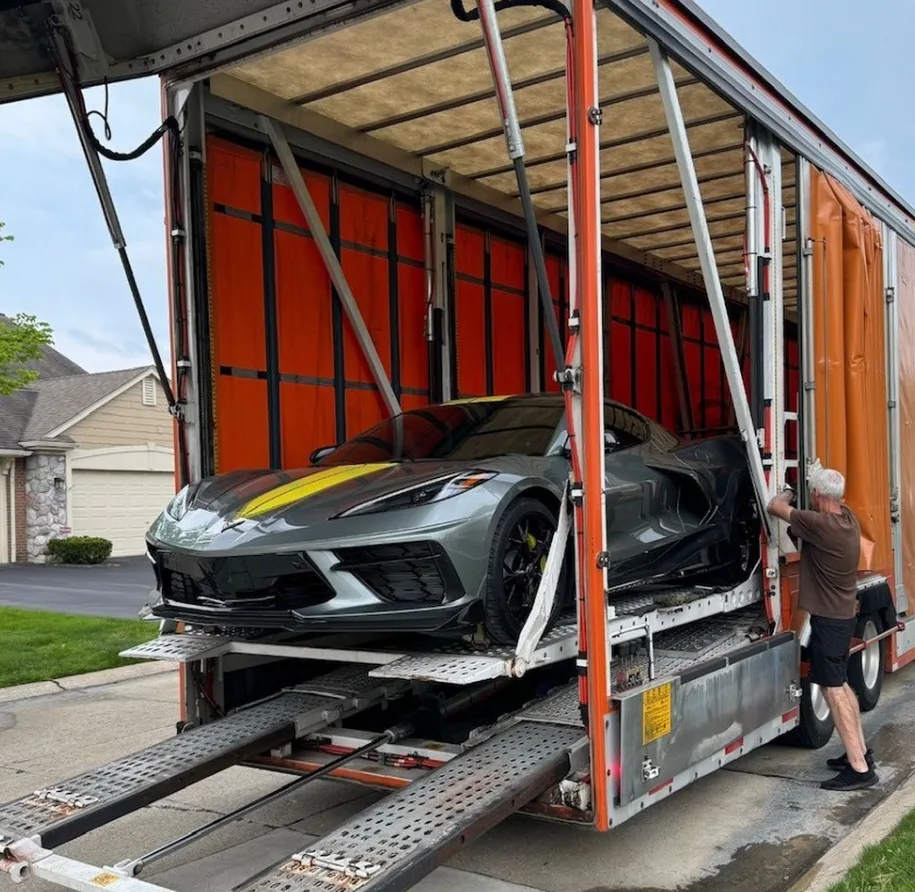
When to Book for the Best Rates and Fastest Pickup
For southbound moves, the ideal booking window falls between mid-September and October 31st. Carriers are starting to fill up on snowbird routes but haven't hit full saturation yet. Rates during this stretch run 15-22% lower than what you'll pay in November.
November 1st through December 20th is when things get expensive. We had a customer from the Twin Cities ship a Lexus RX to Scottsdale in late November last year and paid $1,620. That same route would have been $1,150 had he locked it in by October 10th. A $470 difference just for waiting five weeks.
Northbound return trips follow a slightly different curve. March through mid-April is the value window because carriers need to reposition trucks back to northern markets and will offer lower rates to fill those return loads. By late April, college graduation shipments start stacking up and rates climb again.
Weather is the other variable that trips people up. Interstate closures on I-80 through Nebraska and Wyoming, ice events on I-40 through the Texas Panhandle, and nor'easters along I-95 can all stall shipments for 1-3 days. Carriers prefer shoulder-season routes because the roads are cleaner and more predictable.

What You'll Pay on the Most Popular Snowbird Corridors
Rates depend on the corridor, the time of year, and whether you go open or enclosed. Here's what we're seeing on current bookings: Chicago to Naples averages $950-$1,300 on an open hauler, Detroit to Phoenix runs $1,000-$1,350, and the Boston to Fort Lauderdale corridor sits at $900-$1,250. These are off-peak numbers; add 20-30% for November and December bookings.
Open carriers handle the overwhelming majority of snowbird moves. Classic Car Shipping clients and folks with newer luxury sedans often opt for enclosed, which tacks on $350-$650 to whatever the open rate would be.
Corridor density plays a huge role in pricing. The I-75 route from metro Detroit, Cleveland, and Cincinnati down to Tampa, Naples, and Fort Lauderdale is the single busiest snowbird artery in the country. Competition among carriers is fierce, which keeps rates competitive. Midwest-to-Arizona routes along I-40 and I-17 carry 10-15% higher pricing because fewer carriers service that corridor regularly.
One thing seasoned snowbirds know: northbound return trips in March and April are often $100-$250 cheaper than the fall southbound leg. Carriers need to deadhead trucks back to northern hubs, so they'll discount rates to fill those return loads rather than run half-empty.
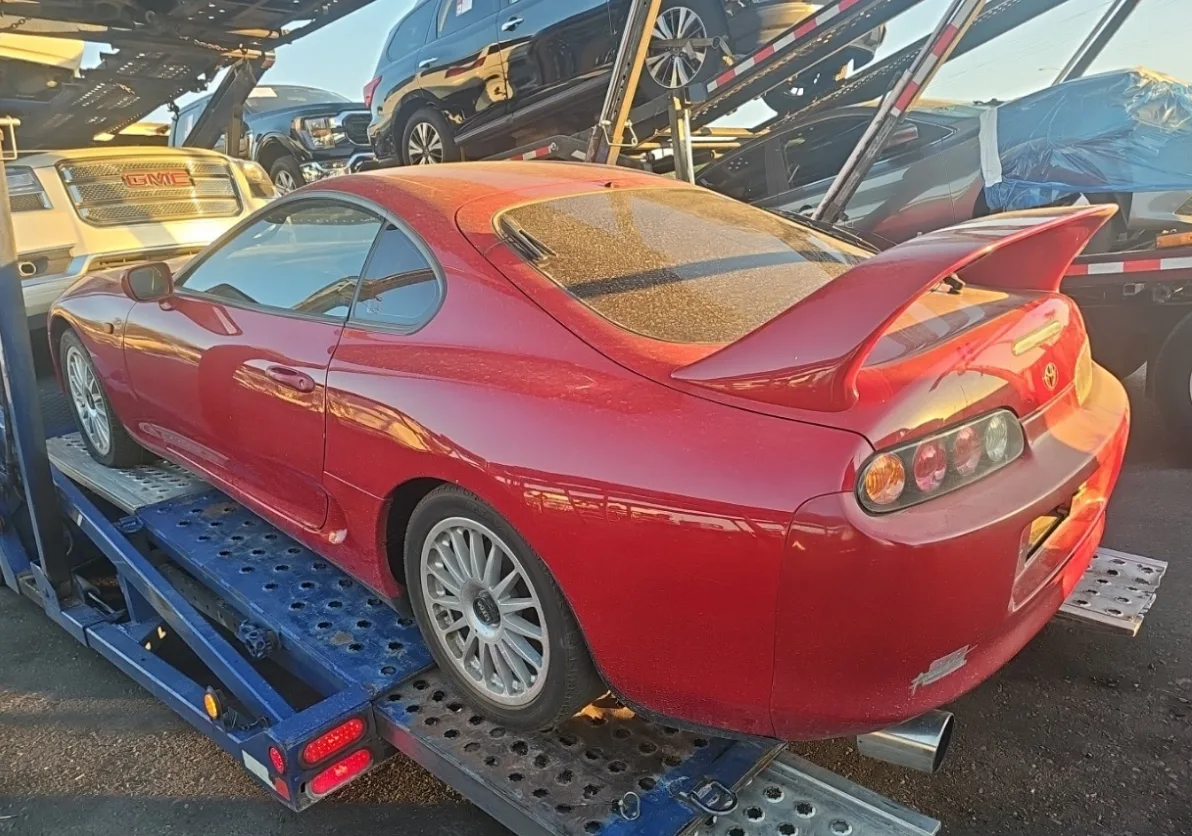
The Busiest Snowbird Routes and Where Your Car Fits In
The I-75 corridor is king. Michigan, Ohio, Indiana, and Kentucky to Florida destinations like Tampa, Fort Myers, Naples, and the Southeast coast represent roughly a third of all snowbird auto shipments in the United States. It's a straight-line interstate run with strong carrier traffic year-round.
Arizona pulls from a broader geography. Chicago to Phoenix via I-55 and I-40, Minneapolis to Scottsdale through I-35 and I-40, and Denver to Tucson via I-25 and I-10. The Colorado-to-Arizona corridor has grown noticeably over the past three years as more Front Range retirees discover southern Arizona winters.
Texas snowbird routes are scattered but consistent. Oklahoma and Kansas families head to San Antonio, Austin, and the Rio Grande Valley towns of McAllen and Harlingen. Upper Midwest retirees also target the Valley, creating a long-haul corridor from Wisconsin and Minnesota straight down I-35.
West Coast snowbirds follow a different pattern entirely. Washingtonians and Oregonians head to Palm Springs, San Diego, or Tucson. Northern California retirees migrate to Palm Desert and the Coachella Valley. The volumes are smaller than Florida and Arizona, but the routes are well-serviced because carriers run Pacific Coast lanes year-round.
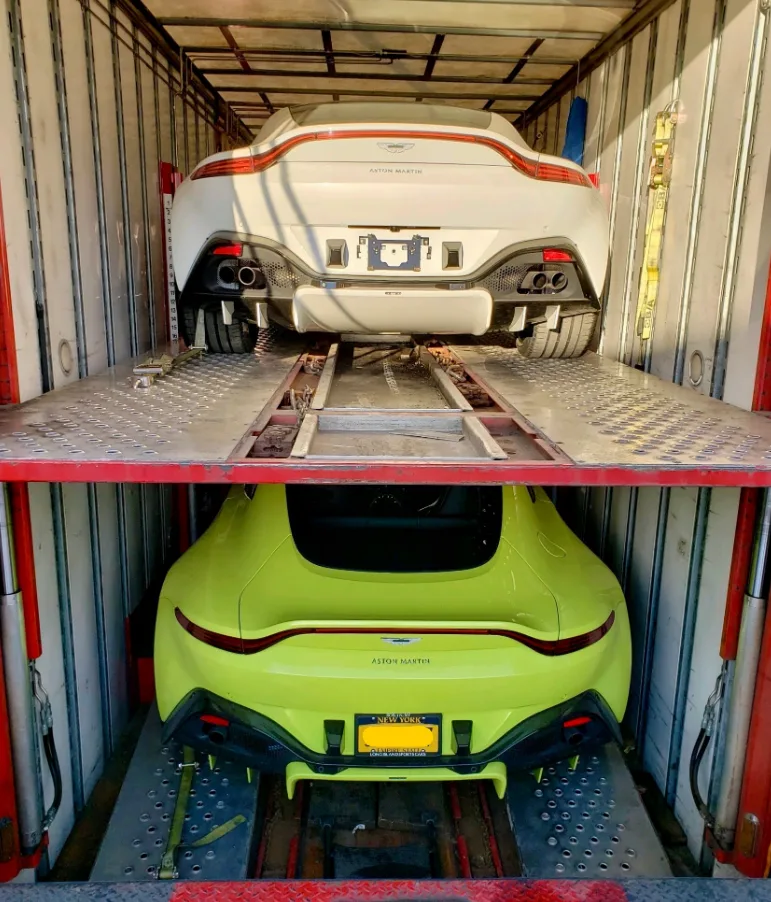
What November Through December Actually Looks Like for Shipping
Peak snowbird months are the most stressful window in auto transport. Carrier capacity gets absorbed fast, pickup windows expand from the normal 3-5 days to 7-14 days, and prices reflect the demand squeeze. If you haven't booked by late October, you're competing with every other snowbird in the Midwest for the same trailer spots.
Winter weather compounds the challenge. I-80 through Wyoming and Nebraska shuts down multiple times each season. I-40 across the Texas Panhandle gets ice events in November and December. I-70 through Kansas has its own set of winter storm closures. Carriers pad their schedules to account for this, which stretches overall transit times by 2-4 days on average.
Staying in the loop matters more during this stretch than any other time of year. We push status updates every 48 hours, and our dispatch team is available by phone seven days a week. Many snowbirds are coordinating flights, property management handoffs, and rental car returns all within the same window, so delays cascade fast if nobody is communicating.
The spring return season (March through mid-April) is noticeably smoother. Roads are clear, demand spreads across a wider timeframe, and most snowbirds aren't in a rush to head back north. That flexibility works in your favor on pricing and pickup scheduling.
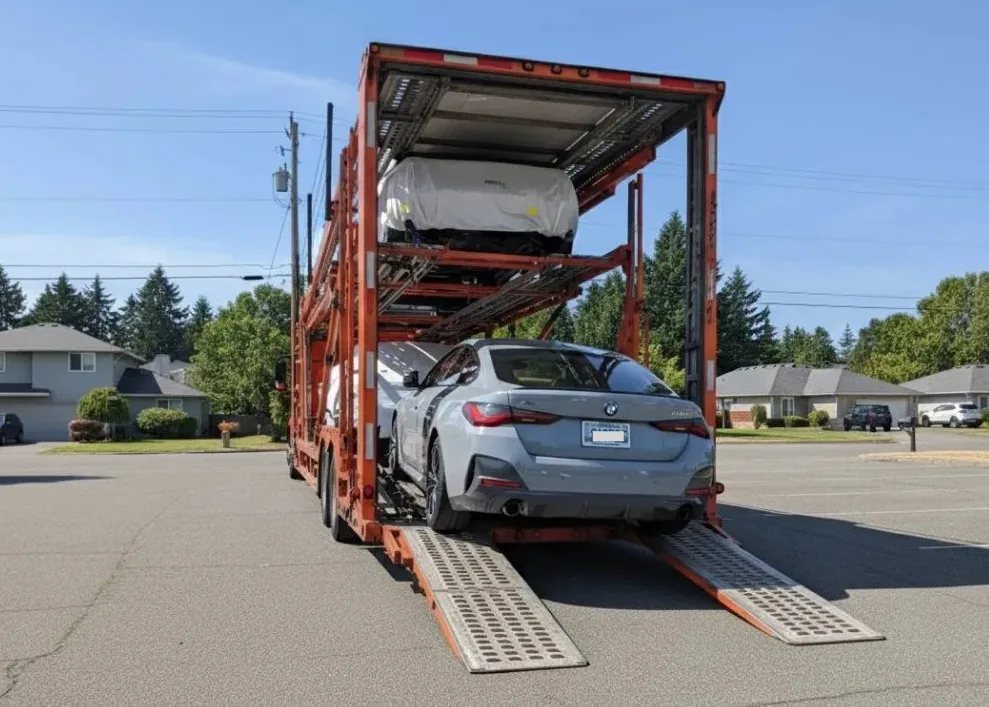
Getting Your Vehicle Ready Before the Carrier Arrives
Clear out the interior completely. Golf clubs, jackets, garage door openers, toll transponders, anything that isn't bolted down needs to come out. During peak season, the driver isn't going to wait 20 minutes while you empty the back seat. Have the car cleaned out and ready to roll.
Keep the fuel tank between an eighth and a quarter full. Less fuel means less weight on the trailer and a smaller fire risk during transport. Check the battery terminals for corrosion and make sure the connections are snug. Long-distance snowbird routes put more strain on starting systems, and a dead battery at the delivery end creates a hassle for everyone.
Walk around the car with your phone and photograph all four sides, the roof, the interior, the dashboard showing the mileage, and any existing dings or scratches. During busy weeks, the driver's inspection at pickup moves quickly. Your own photo record gives you backup proof if there's ever a question about pre-existing vs. transit damage.
If the car has been sitting at your northern home all summer, give it a once-over before shipping day. Tire pressure drops over months of sitting, fluid levels change, and critters love nesting under hoods. Dealer Auto Transport clients do this as a matter of routine, and it prevents avoidable headaches in transit.

Shipping vs. Driving: Running the Numbers Side by Side
A one-way flight from Minneapolis to Phoenix books for $180-$325 most of the year. Pair that with $1,050-$1,350 for open car transport and your total is $1,230-$1,675. You're at your winter home the same day you leave, and the car arrives a week or so later without a single extra mile on the odometer.
Now price out the drive. Chicago to Naples is 1,347 miles. At current fuel prices, gas alone runs $190-$260. Two nights of hotels add $280-$360. Meals, tolls, and the inevitable wear on tires, brakes, and engine components push total out-of-pocket to $550-$750. And that doesn't assign any dollar value to the 20+ hours you'll spend in the driver's seat.
Time is the part most people underestimate. Two to three days driving each way is 4-6 days of your winter that evaporate behind a windshield. For retirees who spend five months in Arizona or Florida, those days add up across years of making the trip.
A smaller group of snowbirds buy a second vehicle at their winter destination through Auction Vehicle Shipping or private sales. That eliminates the annual transport cost, but you're now carrying insurance, registration, and maintenance on two cars year-round. It only pencils out if you're spending four or more months at your winter address.

What to Look for in a Snowbird Shipping Company
Active USDOT and FMCSA broker authority is the first filter. If a company can't provide those numbers on demand, they aren't legally operating. National Auto Transport carries full licensing and insures every shipment up to $250,000 per vehicle, which covers virtually any car a seasonal migrant would need moved.
Seasonal route experience matters more than general industry experience. Snowbird logistics are different from standard auto transport. Knowing which carriers consistently run the Michigan-to-Florida corridor, understanding how weather patterns affect the Midwest-to-Arizona route, and having dispatch contacts who prioritize seasonal loads are things that take years to build. We've run snowbird routes every fall and spring since we started the company.
Communication quality is the difference between a smooth experience and a stressful one. During peak months, you need proactive updates rather than having to chase down your broker for information. We push status notifications every 48 hours and keep our phone lines staffed seven days a week. Some companies collect a deposit and then go quiet until the car shows up.
Confirm that the carrier's cargo insurance covers the full replacement value of your vehicle. Most snowbirds are transporting newer sedans and SUVs in the $25,000-$65,000 range. Ask what the broker's contingent liability covers on top of the carrier's policy. That secondary layer matters if something goes wrong and the carrier's insurer pushes back on a claim.
Current Rates on Top Snowbird Corridors
| Route | Open Carrier | Enclosed Carrier | Peak Season Premium |
|---|---|---|---|
| Chicago to Naples, FL | $950-$1,300 | $1,350-$1,750 | +$200-$375 |
| Detroit to Phoenix, AZ | $1,000-$1,350 | $1,400-$1,850 | +$250-$425 |
| Minneapolis to Scottsdale, AZ | $1,050-$1,400 | $1,450-$1,950 | +$275-$450 |
| Boston to Fort Lauderdale, FL | $900-$1,250 | $1,250-$1,700 | +$200-$350 |
| Cleveland to Tampa, FL | $850-$1,150 | $1,200-$1,600 | +$175-$300 |
Booking your southbound move by October 31st typically saves $200-$470 compared to waiting until November. Pickup windows also tighten from 7-14 days down to 3-5 days when you book earlier. If you already know your travel dates, there's no upside to waiting.
Snowbird Shipping at a Glance
Common Questions About Seasonal Car Shipping
Answers from the National Auto Transport team in Phoenix, AZ.