Moving Across the Country? Here's How to Ship Your Car the Smart Way
Cross-country moves are stressful enough without trying to figure out car logistics on the fly. We've coordinated vehicle shipping for over 12,000 relocations out of our Phoenix office, and the customers who plan their car shipment 2-3 weeks in advance consistently pay $250-$500 less than the ones who call us the week before their moving truck arrives. This guide walks you through the whole process so you can skip the scramble.
Ship Your Car Today
Get a quote or talk to our team right now

Why Most Cross-Country Movers Are Better Off Shipping
Once your move crosses the 1,000-mile mark, shipping your car almost always makes more financial sense than driving it. The full cost of a cross-country drive (gas, hotels, meals, vehicle wear, lost work time) typically runs $1,700-$2,400 for a single person. Cross Country Car Shipping for the same distance costs $1,100-$1,850 on open transport.
Beyond the dollar savings, there's the sanity factor. You're already juggling a moving company, a new lease or mortgage, address changes, utility transfers, and a thousand other details. Adding a 4-5 day solo road trip to that pile doesn't simplify anything. Most of our relocation customers tell us that shipping the car and flying to their new city was the single best decision they made during the entire move.
The exception is short-distance relocations under 600 miles or situations where you're driving with family and can split costs. Phoenix to Albuquerque? Drive. Phoenix to Boston? Ship the car, fly yourself, and start unpacking while your vehicle rides on a trailer behind you.
Real Cross-Country Shipping Costs From This Month's Quotes
Pricing fluctuates based on distance, season, and how popular your corridor is, but here are numbers pulled straight from our recent dispatch records. Phoenix to New York (open transport): $1,150-$1,400. Phoenix to Seattle: $850-$1,050. Phoenix to Miami: $1,000-$1,300. Regional moves like Dallas to Nashville or Denver to Salt Lake City: $550-$800.
Enclosed transport adds roughly $450-$700 to any of those routes. Summer months (June through August) push prices up 25-35% across the board because demand outstrips carrier availability. If your move timeline has any flexibility at all, shipping in February, March, or November can save you $200-$450 on a coast-to-coast route.
Route popularity is the cost variable most people overlook. Major interstate corridors like I-10 (Phoenix to Jacksonville), I-40 (Albuquerque to Nashville), and I-95 (the entire East Coast) stay competitively priced because carriers run those lanes daily. Ship from Phoenix to a small town 60 miles off the nearest interstate, and you'll pay a $75-$150 rural access premium because the driver has to detour off their standard route.
When to Book Your Car Shipment (and When It Costs You More)
The sweet spot is 2-3 weeks before your target pickup date. That gives our dispatch team enough time to post your order on the carrier board, find a truck running your corridor, and lock in a competitive rate. Booking 4 weeks out works too, but carriers rarely commit more than a month in advance because their schedules shift constantly.
Booking with less than 7 days of lead time is where it gets expensive. Rush orders require us to pull a carrier off their planned route or pay a premium to get your load prioritized. That urgency surcharge runs 25-40% above standard pricing. We get it, sometimes moves happen fast. But if you've already signed a lease and know your move-in date, there's no reason to wait.
If your relocation timeline has any wiggle room, avoid May through August. That's peak moving season, and every family, college student, and military member in the country is competing for the same carrier space. Expedited Car Shipping demand spikes hardest during those months. Sliding your car shipment to early April or late September can save you $250-$500 on the exact same route.
Choosing Between Open and Enclosed for a Cross-Country Move
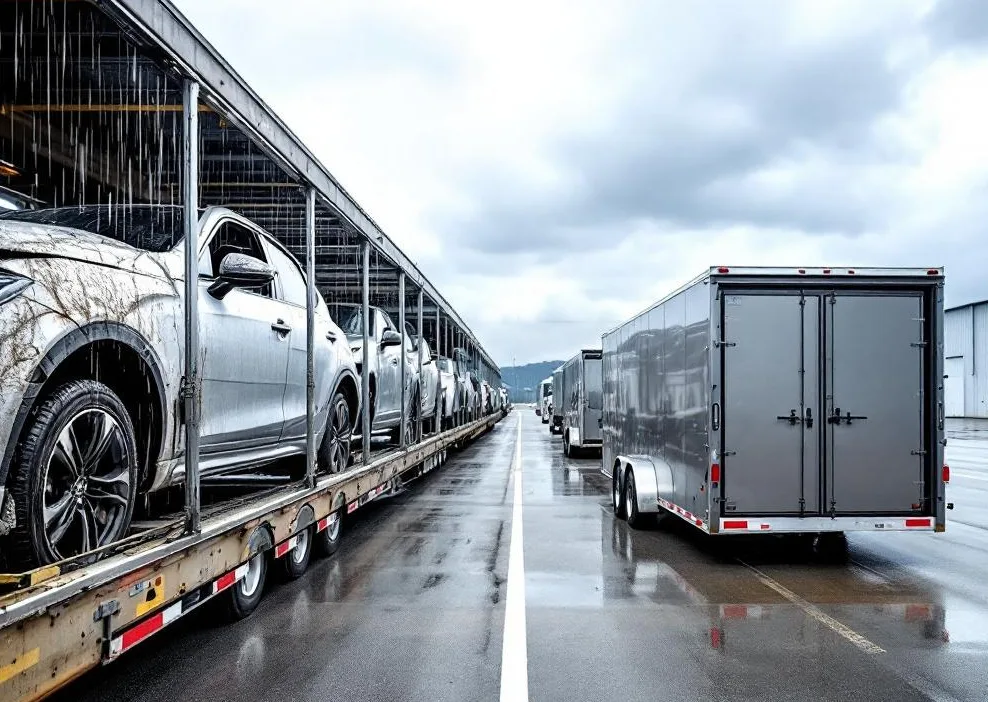
Open transport handles the vast majority of relocation shipments. Your car sits on a standard multi-deck trailer, the same equipment used to deliver brand-new vehicles from the factory. It's exposed to the same rain, dust, and road spray you'd experience driving the car yourself, with full insurance coverage up to $250,000 per vehicle.
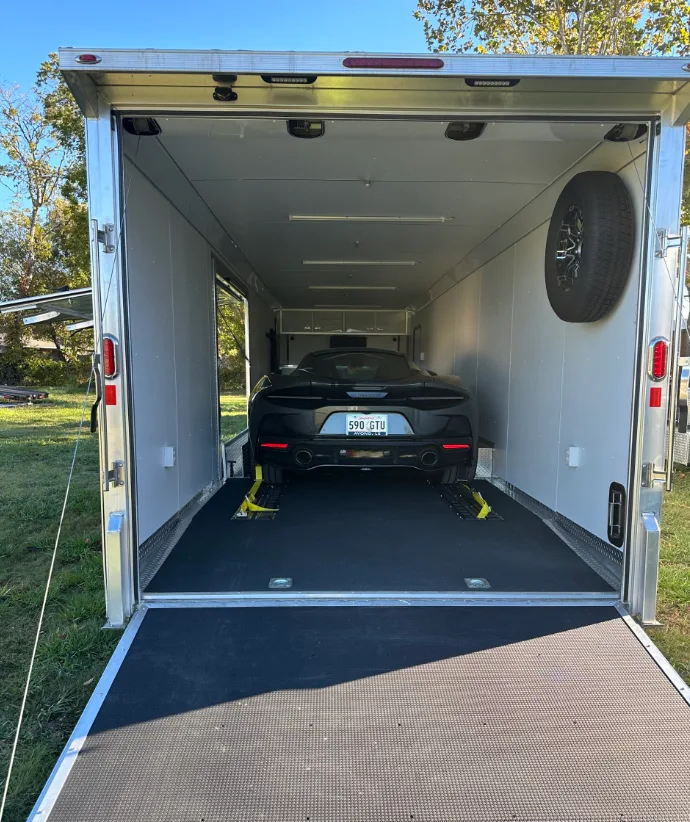
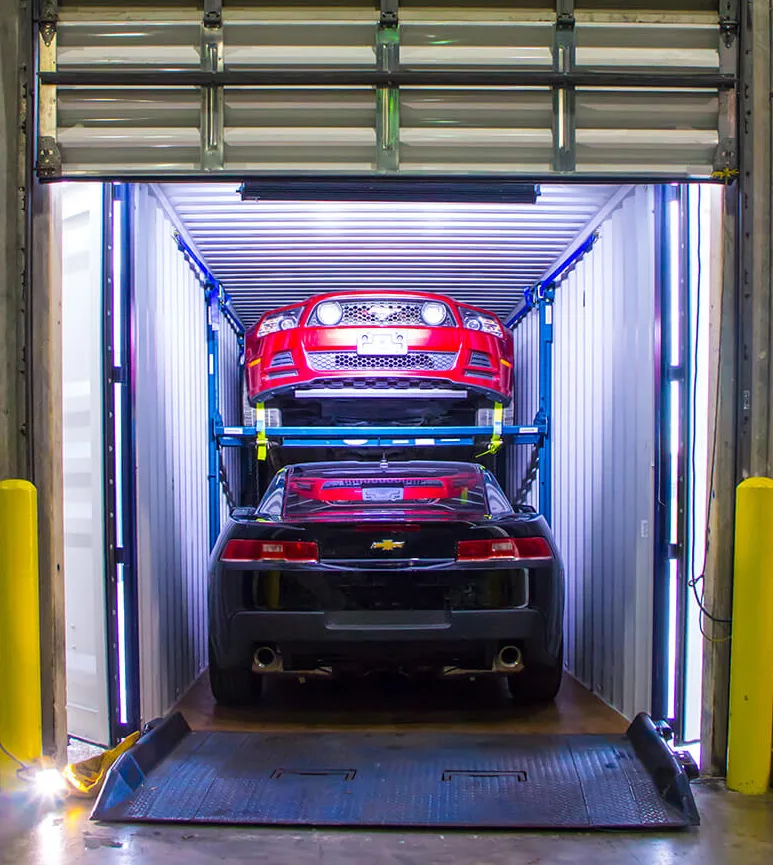
Enclosed makes sense in two scenarios: your car is worth more than $70,000, or it's a collector piece that can't be replaced at any price. Enclosed trailers have hard sides and a roof, blocking road debris and weather entirely. The trade-off is $450-$700 more per shipment and slightly longer transit because enclosed rigs run fewer routes and make fewer trips per month.
For a relocation, the practical question is: would you hesitate to drive this car 2,500 miles on the highway? If the answer is no (it's a 2020 Camry, a used Highlander, or any standard daily driver), open transport does the job just fine. If the answer is yes (it's a pristine 1969 Camaro SS or a new Porsche Cayenne Turbo), that hesitation tells you enclosed is worth the investment.
The Vehicle Prep Checklist Every Mover Should Follow
Give the car a thorough wash so the driver can see every existing scratch and ding during the pickup inspection. Then walk around the entire vehicle yourself, photographing each panel, bumper, wheel, and glass surface from multiple angles. Email the photos to yourself so they're timestamped and backed up. This step takes 20 minutes and it's the most important thing you can do to protect yourself during the process.
Clear out everything that isn't bolted down: phone chargers, parking garage remotes, EZ-Pass transponders, gym bags, and anything in the trunk you planned to "just leave in there." Carrier insurance covers the vehicle, not personal property. We've also seen toll transponders racking up charges as the truck rolls through toll plazas in other states, so pull those off the windshield.
Fill the gas tank to about a quarter, check that your tires hold pressure, confirm the battery is charged, and test your brake lights. If your car has a sensitive aftermarket alarm, disable it or tape deactivation instructions to the steering wheel. Leaking fluids? Get them fixed before pickup or at minimum tell us about them so the carrier doesn't refuse the load. A car that's dripping oil on the trailer creates problems for every vehicle parked below it.
Realistic Delivery Windows for Cross-Country Moves
Full coast-to-coast shipping (2,500+ miles) takes 7-12 days from pickup to delivery. Mid-range moves of 1,000-1,500 miles run 5-8 days. Regional relocations under 1,000 miles land in the 3-5 day range. Those windows account for carrier dispatch time, road transit, and the driver's other stops along the route.
Weather is the most common delay factor. Winter ice storms routinely close I-70 through Colorado, I-80 through Wyoming, and I-90 through Montana. Summer hurricanes can shut down Gulf Coast corridors for days. Federal hours-of-service regulations also cap how many hours a driver can operate per day, so a 2,800-mile trip requires mandatory rest stops that add time regardless of road conditions.
One thing that surprises first-time shippers: your car isn't the only vehicle on the truck. A carrier driving from New York to Los Angeles might pick up 3 cars in the Northeast, 2 in the Midwest, and deliver along the way. Your Phoenix-bound car could sit in Albuquerque for a few hours while the driver drops off another vehicle. That's standard logistics, not a delay. Build a 2-day buffer into your plans and you'll never be caught short.
The 3 Costliest Mistakes Cross-Country Movers Make
Procrastination is number one, and it's not even close. We field multiple calls every week from people whose moving truck arrives in 3 days and they haven't arranged car shipping yet. At that point, their only option is expedited service at a 30-40% premium. The irony is that 15 minutes of planning 2 weeks earlier would have saved them $300-$500. Set your car shipment up the same day you confirm your moving company.
Chasing the lowest quote is mistake number two. A broker who quotes you $650 for a coast-to-coast move when everyone else is quoting $1,100-$1,400 isn't offering a deal. They're either planning to renegotiate after collecting your deposit or they've set the price so low that no carrier will actually accept the load. We've taken over shipments from customers who booked with these outfits and watched their car sit unassigned for 2-3 weeks while the original broker made excuses.
Skipping the fine print is the third big one. Some contracts hide surcharges for apartment pickups, oversized vehicles, rural delivery locations, or fuel price adjustments. When we quote a price at National Auto Transport, that number is all-inclusive. No "fuel surcharge" tacked on at the last minute, no "residential access fee" that wasn't in the original estimate. Ask every company you're considering to confirm their quote is final before you commit.

What to Expect When Your Car Arrives at Your New Address
The driver will call you 12-24 hours before arrival with a delivery window, typically a 2-4 hour block. If your new neighborhood has narrow streets, low-hanging branches, or tight turns that a 75-foot truck can't navigate, the driver will coordinate a nearby meeting point. Communicate any street access concerns to us when you book so there are no surprises on delivery day.
When the truck arrives, walk the entire vehicle with the driver and compare it against your pickup photos and the Bill of Lading from loading day. Check every panel, bumper, wheel, and window. Test that the car starts, shifts into gear, and the lights work. If you spot new damage, mark it on the BOL before you sign. Once you sign a clean delivery receipt, filing a damage claim becomes significantly harder.
Have your balance payment ready in cash, cashier's check, or money order. Personal checks aren't accepted by most carriers. If you can't be there yourself, designate someone 18 or older with a valid photo ID and written authorization to receive the vehicle, inspect it, and sign the paperwork on your behalf. Let us know the name of your designee when you book so the driver has it on file.
Cross-Country Move: Open vs Enclosed at a Glance
| Detail | Open Carrier | Enclosed Carrier |
|---|---|---|
| Coast-to-Coast Price | $1,100-$1,850 | $1,550-$2,500 |
| Delivery Window | 7-12 days | 10-14 days |
| Weather Shielding | Exposed (same as highway driving) | Full walls and roof protection |
| Best For | Sedans, SUVs, trucks, daily drivers | Vehicles over $70K, classics, exotics |
| How Often Trucks Run | Daily on major corridors | 2-4 departures per week |
| Per-Vehicle Insurance | $100K-$300K | $100K-$300K |
| Vehicles Per Truck | 7-10 | 2-6 |
Book your car shipment the same week you confirm your moving company or lease. Two to three weeks of lead time consistently saves our customers $250-$500 compared to last-minute orders. If you can also stay flexible on the pickup date by 3-5 days, you'll get matched with a carrier faster and at a better rate.
Cross-Country Move Shipping Essentials
Cross-Country Relocation Shipping FAQ
The questions our Phoenix team hears most from customers coordinating a long-distance move.