Luxury and Exotic Car Shipping: What You Need to Know Before Booking
A Porsche 911 GT3 or a Lamborghini Huracan isn't something you toss on the nearest open car hauler and hope for the best. At National Auto Transport, we've coordinated thousands of enclosed luxury shipments out of our Phoenix office, and we can tell you from experience that the gap between standard car shipping and proper exotic transport is massive. Here's what separates the two.
Ship Your Car Today
Get a quote or talk to our team right now

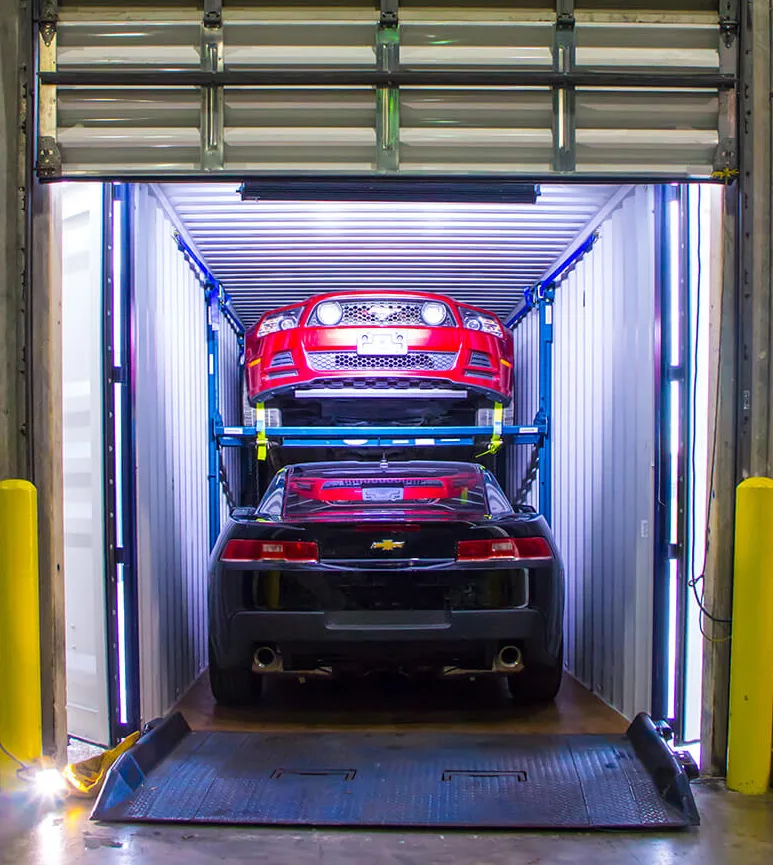
Why Exotic Transport Isn't Just "Regular Shipping with a Higher Price Tag"
Shipping a $200,000 vehicle requires different equipment, different protocols, and different drivers than hauling a daily commuter sedan. It's not comparable at all, even though plenty of budget transport companies will tell you otherwise.
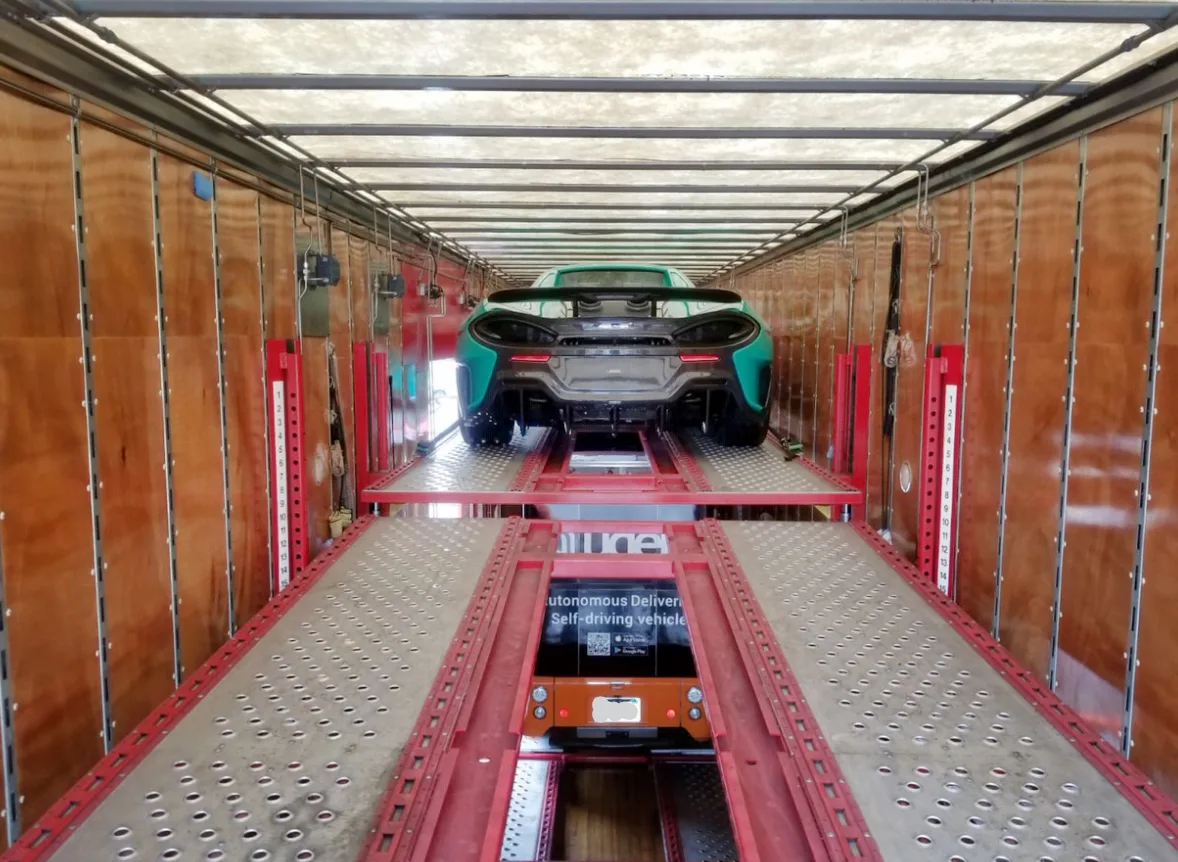
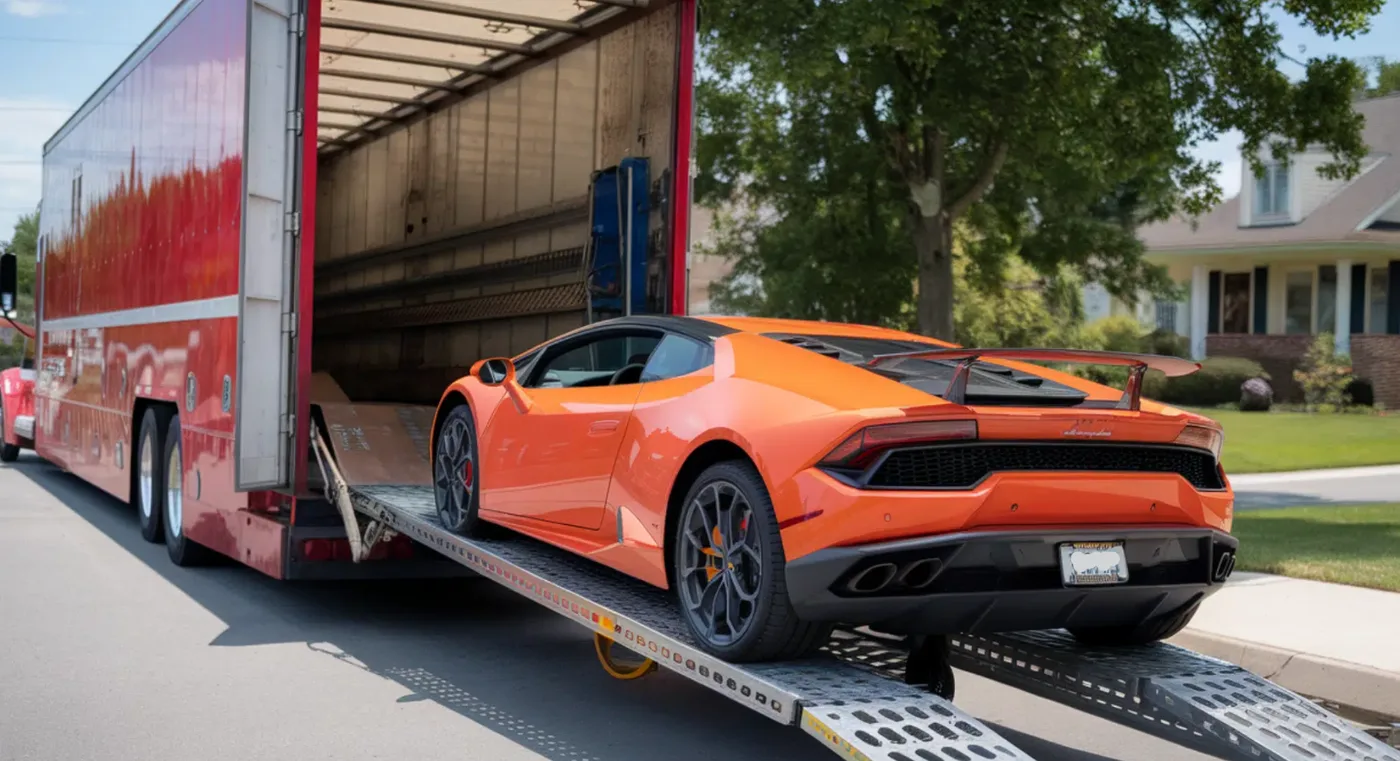
The biggest difference starts with the trailer itself. Enclosed carriers block every piece of road debris, every raindrop, and every UV ray. But the loading system matters just as much. Most open carrier ramps sit 8 to 10 inches off the ground, and a Lamborghini Huracan has just 5.9 inches of clearance. Try driving that onto a standard ramp and you'll hear the front splitter crack before the front wheels are on the deck.
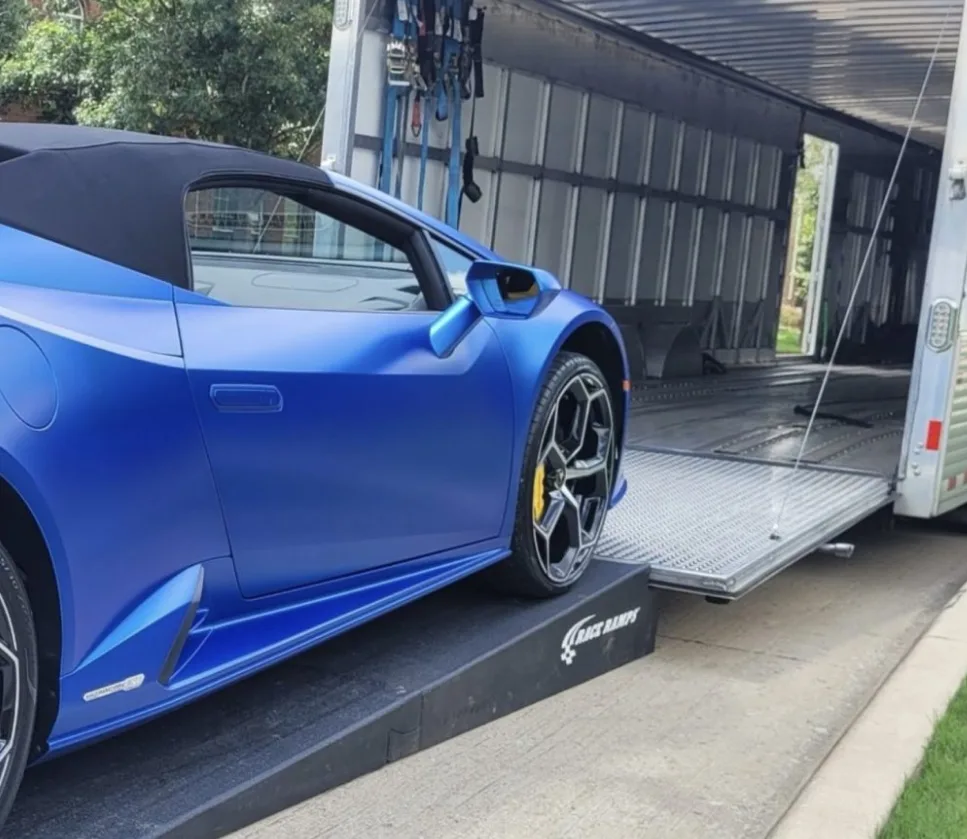
That's why we dispatch hydraulic lift-gate trailers for anything with less than 6 inches of ground clearance. The platform drops flush to the pavement and raises the car level onto the deck. A Ferrari 488 GTB, a McLaren 720S, a lowered Audi R8, none of them can safely load on standard equipment without risking damage to front splitters, side skirts, or diffusers.
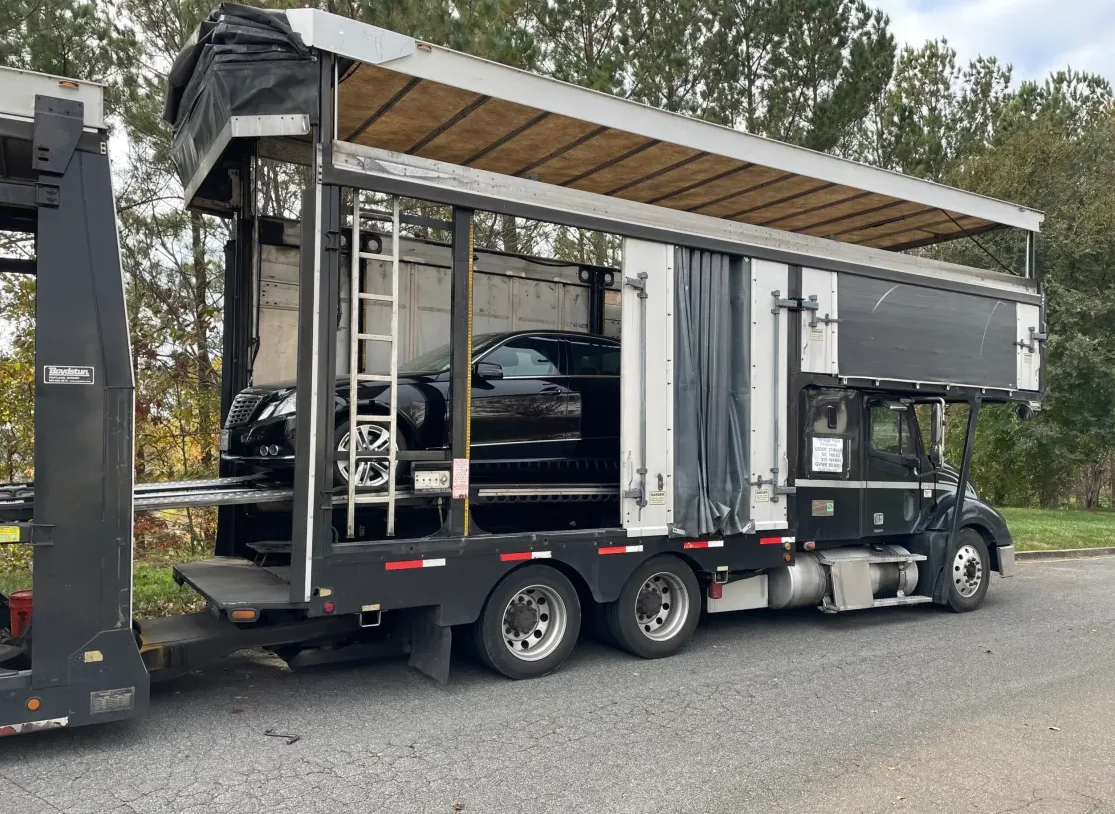
Open Carrier for an Exotic? Here's Why That's a Bad Idea
If your vehicle is worth $75,000 or more, open transport isn't an option worth considering. Full stop. We've talked to too many owners who tried to save $700 on an open carrier and ended up with gravel chips, brake dust staining, or a hail dent that cost $4,000 to repair at the body shop.
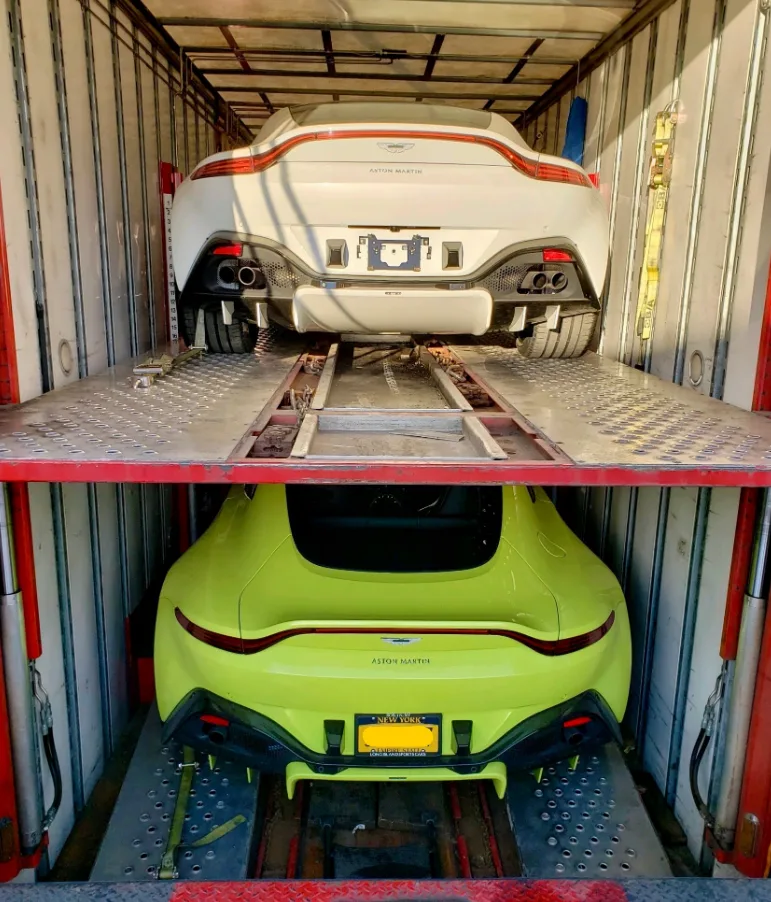
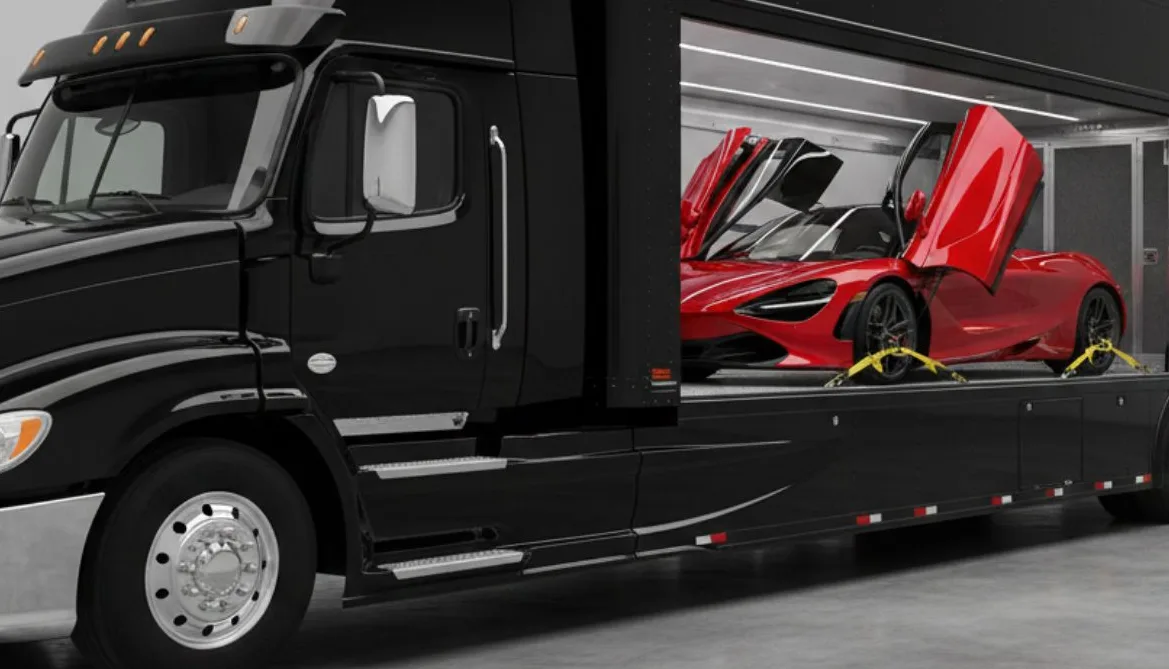
Enclosed trailers provide full weather shielding, but the benefits go further than keeping rain off the paint. Your car rides behind locked walls, invisible to the public at every fuel stop and rest area. Some enclosed rigs even offer climate control to protect leather interiors from temperature swings during summer runs through the Mojave or winter hauls across the Rockies.
The price gap between open and enclosed on a cross-country haul is roughly $800 to $1,500. On a car worth $150,000 or more, that premium is a rounding error compared to what a single damage event would cost. Our door-to-door car shipping includes enclosed transport as the default for every luxury and exotic vehicle we move.
What Luxury Car Shipping Actually Costs in 2026
Plan to spend 40% to 80% more than standard auto transport pricing. You're paying for enclosed hard-side trailers, higher insurance limits, hydraulic loading gear, and drivers who've been hauling six-figure cars long enough to know what they're doing.
Distance sets the baseline, but vehicle specs and market timing move the needle too. A stock Mercedes-AMG GT is less complex to load than a widebody Nissan GT-R with an aftermarket aero kit and 3.5 inches of ground clearance. Snowbird season (October through December heading south, March through May heading north) creates a demand spike that pushes rates up 15% to 25%.
Here's what recent shipments through our office looked like: a 2024 Audi R8 from Miami to Portland ran $2,250, a 2023 Mercedes-AMG GT from New York to Phoenix came in at $1,950, and a 2024 Porsche Taycan from Chicago to Scottsdale cost $1,700. Mid-engine exotics from Ferrari, McLaren, or Lamborghini typically add another 15% to 25% on top of those base figures because of the specialized loading they require.
The Insurance Problem Most Exotic Car Owners Don't See Coming
Standard carrier cargo insurance caps out between $100,000 and $250,000 per vehicle. That's adequate for a loaded BMW X5, but it won't come close to replacing a $400,000 Lamborghini Aventador or a $280,000 Ferrari 296 GTB. And most carriers won't volunteer this gap in coverage. You have to ask.
National Auto Transport carries contingent cargo coverage up to $250,000 per vehicle, but for anything appraised above that number, you'll need a supplemental policy. Call your personal insurer and ask point blank whether your auto policy extends to third-party transport situations. Many don't. If you're making payments on a financed exotic, GAP coverage becomes critical because standard policies only cover depreciated value, not the loan balance.
Before the carrier shows up, walk the entire car with your phone and shoot 60 to 100 photos from every angle. Get close-ups of every trim panel edge, every wheel face, every bumper corner. A video walkaround is even better. We had a customer recover $14,000 on a transport damage claim last year specifically because they had timestamped photos taken 30 minutes before loading.
Getting Your Exotic Ready for the Trailer
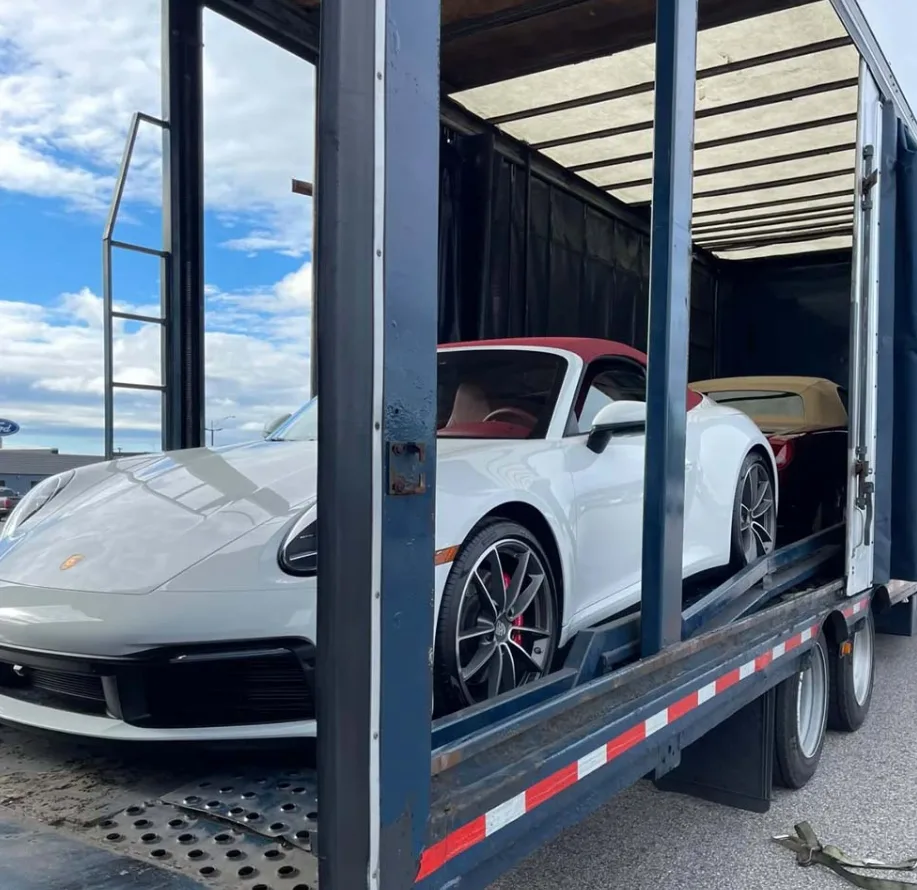
Don't wait until the night before pickup. Start prepping at least a week out. Clear the cabin of every personal item, pull off detachable aero pieces like aftermarket splitters or carbon fiber spoiler extensions, and leave specific handling notes for any custom modifications. If your car has a removable hardtop, it either needs to be secured or shipped separately.
Drop the fuel to a quarter tank or less. A full tank adds 90 to 130 pounds of dead weight and creates a fire risk during loading. Turn off aftermarket alarms and anti-theft immobilizers that could trip during transit and drain the battery flat. We've received EVs, including Teslas and Porsche Taycans, with completely dead packs because the owner forgot about phantom battery drain over a 10-day haul.
Inflate all four tires to the manufacturer's spec and make sure the 12-volt battery is fully charged. Soft tires shift under strap tension and make loading unpredictable, and a dead battery turns unloading into a winch job. If your car runs air suspension, write down the correct ride height setting and tape the note to the windshield. The driver needs to know whether your McLaren should be in raised mode or normal stance during transport.
The Right Questions to Ask Before Trusting Anyone with Your Exotic
Start with equipment specifics: "Do your carriers have hydraulic lift gates? What's the deck clearance on the trailer? Can you send me photos of the enclosed rig that'll be hauling my car?" If the answers are vague, keep looking.
Make-specific experience matters more than people think. Moving a Ferrari with a front-axle lift system is a different process than loading a widebody Corvette Z06. Ask how many vehicles like yours they've transported in the past 12 months, and ask for client references on those loads. A company that's actually done the work can give you names.
Drill into the pickup and delivery logistics. How much advance notice will the driver give before arriving? Do they do a full walk-around inspection with you at both ends? Can they deliver directly to a show venue, a private garage, or a dealership service bay? These are the details that separate a professional exotic hauler from a generic car shipping company that wants to collect a deposit. Our team handles luxury logistics every day because the small details are where things go wrong.
How Long Enclosed Exotic Transport Actually Takes
Enclosed shipments run 25% to 40% longer than open carrier loads. There are simply fewer enclosed trailers on the road, and each one carries fewer vehicles. Plan for 7 to 12 business days on a cross-country route and 3 to 6 days for regional hauls under 1,000 miles.
Weather creates bigger delays for enclosed loads because responsible drivers won't risk hauling a trailer full of high-value cars through an ice storm in the Rockies or a hailstorm on I-35 through Oklahoma. A winter weather event can add 2 to 4 days to your delivery window, and that's just reality.
If your timeline is non-negotiable, expedited service is available at a premium. We've moved a Bentley Continental GT from Scottsdale to Miami in 4 days for a client who needed it at an auction. Expedited enclosed runs typically cost $600 to $1,400 more than standard service, but when a show date or a buyer closing is on the line, the speed is worth every dollar.
Red Flags That Should Make You Walk Away
If someone quotes $950 to ship your Porsche 911 Turbo S enclosed from New York to Los Angeles, that's not a deal. That's a setup. They'll either upcharge you after the contract is signed, assign it to an uninsured carrier running an open rig, or cancel a week before pickup because the price doesn't actually work.
Pay attention to the questions they ask during the booking call. A company that doesn't inquire about ground clearance, aftermarket modifications, or ride height settings doesn't understand exotic transport. Those details determine which trailer and which carrier can safely handle your car. If they're not asking, they're planning to figure it out after they've collected your deposit.
Also be wary of any broker who won't tell you which carrier will be moving your vehicle. Before your car loads onto a truck, you should know the carrier's name, their USDOT number, their insurance limits, and how many exotics they've hauled before. "We'll find somebody" isn't a plan. It's a gamble with a six-figure car. Every carrier in our network has documented exotic transport experience and verified insurance.
Enclosed vs. Open Transport: What It Means for Your Exotic
| Factor | Enclosed Transport | Open Transport |
|---|---|---|
| Element Exposure | Zero: walls, roof, sealed doors | Full exposure to rain, hail, gravel |
| Theft and Privacy | Locked behind solid walls, not visible | On display at every stop and on the highway |
| Cross-Country Price | $1,400 to $3,000+ | $650 to $1,500 |
| Transit Duration | 7 to 12 business days | 5 to 9 business days |
| Cars Per Load | 2 to 6 vehicles | 7 to 10 vehicles |
| Loading System | Hydraulic lift gate for low-clearance cars | Fixed-height ramps, scraping risk under 6 inches |
| Ideal For | Any vehicle valued above $75,000 | Commuter cars and standard models under $50,000 |
Don't just accept an insurance certificate at face value. Ask for the carrier's USDOT number, then call the insurance company listed on the cert to confirm the policy is active and covers the stated amount. We've encountered forged certificates in this industry, and discovering the fraud after damage has already occurred is a financial nightmare.
What to Remember
Luxury and Exotic Car Shipping FAQs
Answers to the questions we hear most from exotic and high-value vehicle owners.