Shipping a Car That Won't Start: What You Need to Know
Roughly 1 in 7 vehicles we ship through National Auto Transport can't drive onto the trailer under their own power. Blown head gasket, dead transmission, seized brakes, missing wheels. We've loaded them all. This guide covers the real costs, the equipment involved, and how to avoid the most common problems that derail non-running pickups.
Ship Your Car Today
Get a quote or talk to our team right now

What Counts as "Non-Running" in the Transport Industry?
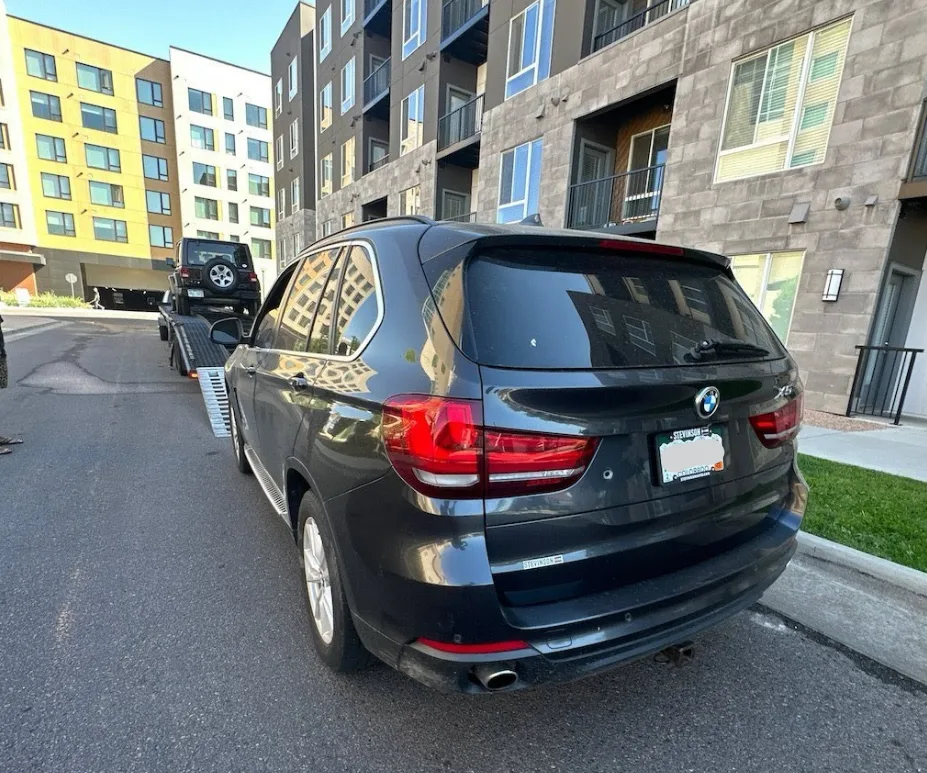
In auto transport, a non-running vehicle is anything that can't drive forward and backward under its own power. That includes cars with dead batteries, seized engines, busted transmissions, locked-up brakes, or missing tires.
Here's where it gets confusing for a lot of people. Your car might fire right up and idle perfectly, but if the transmission won't engage or the brakes are frozen solid, every carrier is going to classify it as inoperable. The engine running doesn't matter if the car can't move.
The simplest test is this: can the vehicle drive itself onto the trailer ramp? If not, you're paying the non-running surcharge and the carrier needs winching equipment on hand at pickup.
The Real Cost of Shipping an Inoperable Vehicle
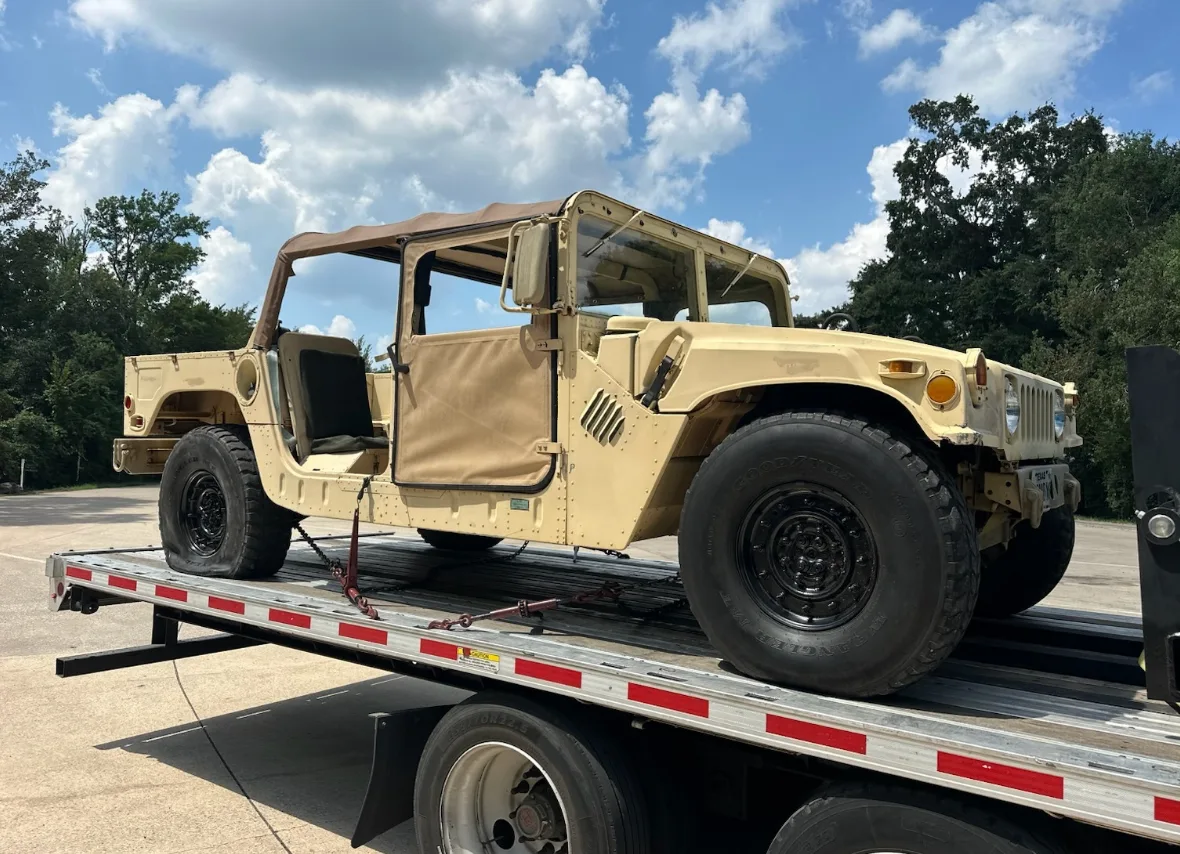
Expect to pay 20% to 40% above standard transport rates when your car can't roll onto the trailer. In dollar terms, that's an additional $200 to $450 stacked on top of your base quote. A shipment that would normally cost $850 for a running sedan will run $1,050 to $1,300 for the same car in non-running condition.
The surcharge covers real costs. The carrier needs winch cable, wheel dollies, and sometimes a portable forklift. Loading a non-runner takes 30 to 45 minutes of hands-on work compared to the 5 minutes it takes to drive a running car up the ramp. That labor and equipment time gets passed along in the pricing.
Distance affects the surcharge amount too. A 500-mile haul might only tack on $150 to $275. Cross-country runs from Phoenix to the East Coast can add $400 to $550 to your final bill.
Will an Open Carrier Haul a Non-Running Car?
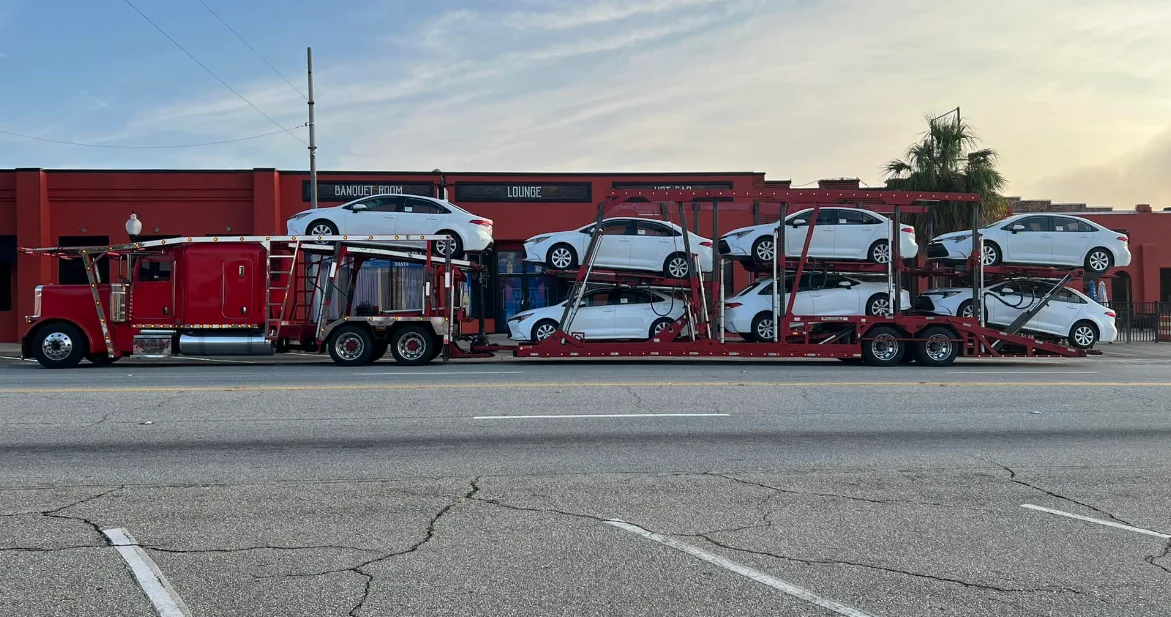
Yes. The majority of open carriers are equipped to handle inoperable vehicles. Standard car hauler trucks carry winch systems rated for 10,000 pounds or more, which is plenty of pull to drag a mid-size sedan or SUV up the ramp and into position on the deck.
The limiting factor isn't equipment. It's willingness. Some owner-operators pass on non-running loads because of the extra time and effort involved. That means your carrier pool is smaller, and it can add 2 to 4 extra days to your pickup window while we find a driver who's set up and willing to take the job.
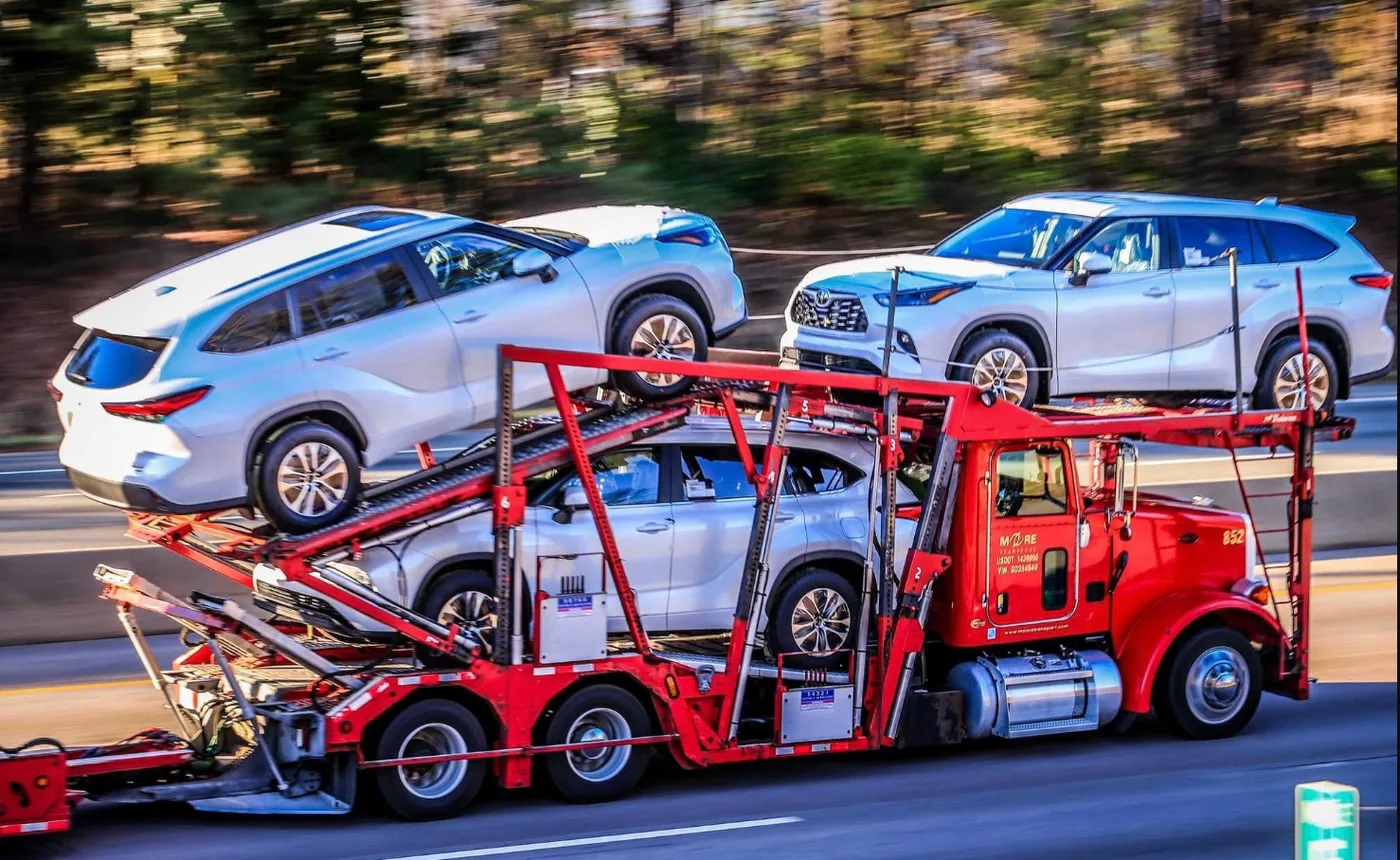
For Multi-Vehicle Shipping orders, we frequently combine running and non-running cars on the same trailer. The non-runners get winched onto the lower deck first, and then the operable vehicles drive on above them.
When Does a Non-Runner Need Enclosed Transport?
If the vehicle is worth $30,000 or more, even in its current condition, enclosed transport is the smart call. This applies to classics mid-restoration, high-mileage luxury cars heading to a specialty shop, and project vehicles with irreplaceable body panels or original paint.
Enclosed carriers tend to have better winching setups and more experienced operators who are accustomed to loading delicate, non-driveable vehicles with care. A half-restored '68 Chevelle with fresh primer and no engine is going to get gentler treatment from an enclosed driver who handles collector cars every week.
The price bump is real though. Enclosed non-running transport typically costs $1,500 to $3,000 depending on mileage and the specific equipment needed. For our Luxury & Exotic Car Transport customers, the additional cost is a small price for the protection it provides.
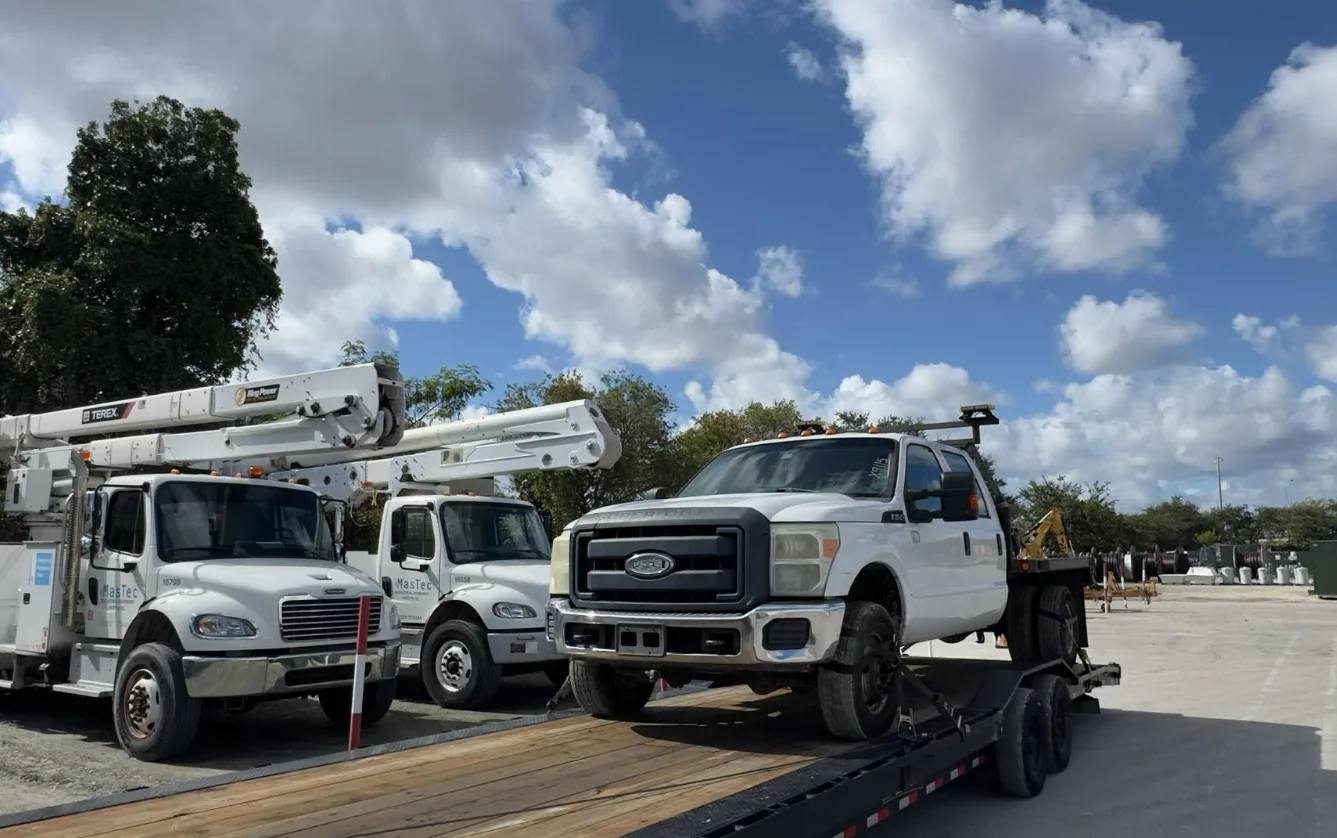
Preparing an Inoperable Vehicle for the Carrier
Check whether the wheels roll freely and the steering turns. Even though the engine is dead, the car still needs to track straight while being winched up the ramp. If the brakes are locked up or the steering column is seized, tell us during booking so we can dispatch a carrier with the right equipment.
Photograph every inch of the vehicle before the driver arrives. Non-running cars almost always have pre-existing damage, and you need a clear visual record to separate what was already there from anything that happens during transit. Shoot every body panel, the interior, the undercarriage if accessible, and close-ups of any dents, rust, or missing trim.
Strip out all personal belongings and any aftermarket accessories you want to keep. Speakers, GPS units, custom floor mats, toolboxes in the trunk. Carrier insurance doesn't cover personal property, and non-running vehicles get significantly more physical handling during loading and unloading than driveable ones.
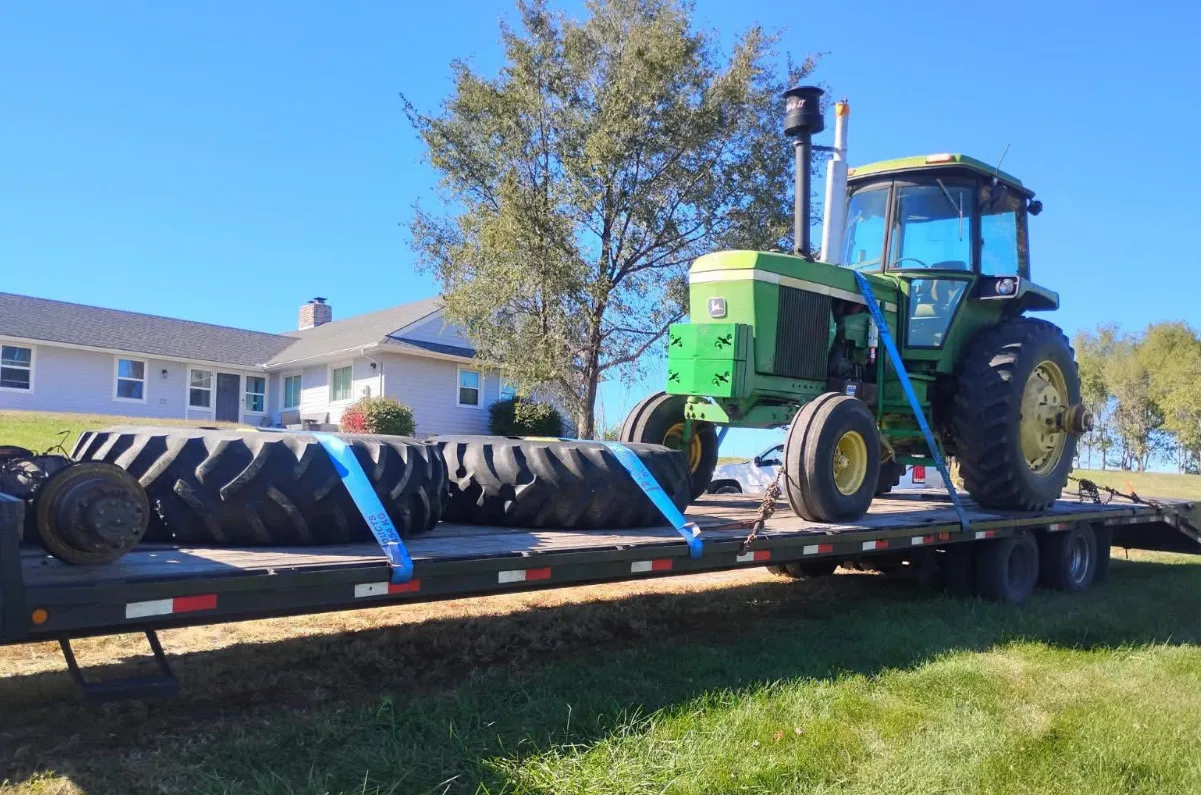
Equipment Carriers Use to Load Non-Running Vehicles
Every car hauler carries a winch, but non-runners often require additional tools. Wheel dollies slide under tires to let a vehicle roll when the brakes are frozen. Tire skates handle cars with flat or completely missing tires by cradling the rim on a rolling platform.
Some drivers carry portable jump packs. If the only issue is a dead battery, a quick jump can get the car running long enough to drive it onto the trailer under its own power. That's far easier and cheaper than a full winch operation. Always mention during booking if it's strictly a battery issue because it can save you $150 to $300.
For badly damaged vehicles like wreck recoveries or flood cars, the carrier may need a forklift or a tow truck assist at the pickup location. This adds $200 to $500 to the job, but for vehicles that physically can't roll, it's sometimes the only safe option.
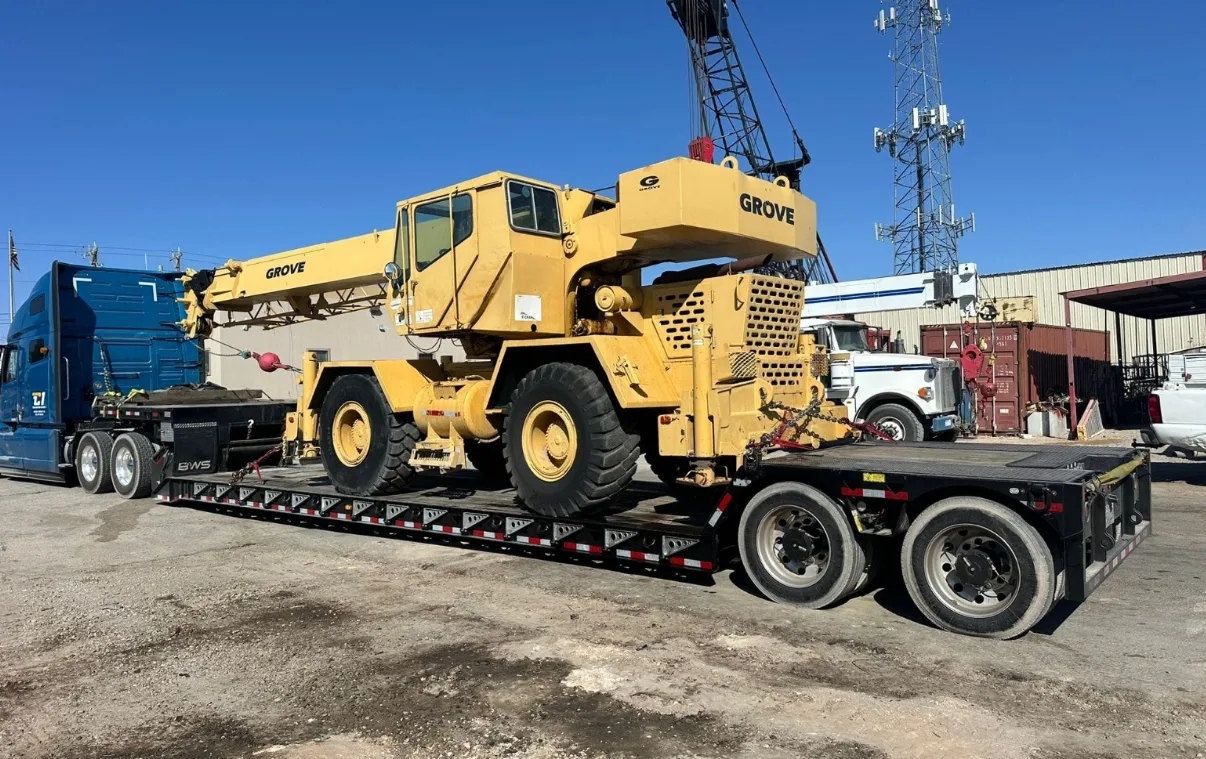
How Long the Pickup Process Takes for a Non-Runner
Block out 45 minutes to an hour. A standard running vehicle loads in 10 to 15 minutes, but a non-runner requires the driver to assess the situation, rig the winch cable, position dollies or skates if needed, and slowly pull the car up the ramp without causing additional damage.
A lot of experienced drivers request morning appointments for non-running pickups. Better visibility, cooler temperatures, and no end-of-day time pressure mean a safer, more careful loading process. If your schedule is flexible, offering a morning window can speed up carrier assignment.
Weather is a bigger factor for non-runners than driveable cars. Wet ramps and winch cables create a hazard, and snow or ice can push a pickup back a full day. We keep an eye on local forecasts for every non-running load and will call you ahead of time if conditions are going to cause a delay.
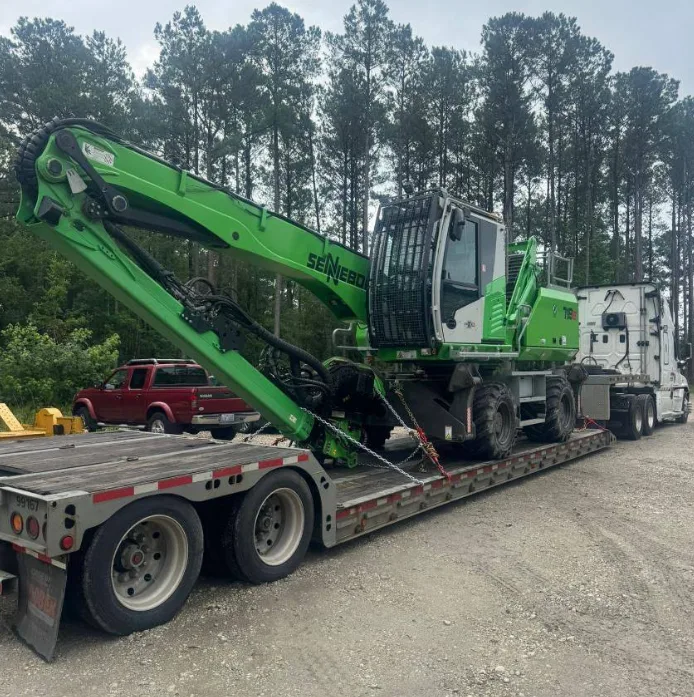
The Problems That Derail Non-Running Pickups (and How to Prevent Them)
The single most common problem we see is customers not disclosing the vehicle's condition until the driver shows up. The carrier arrives expecting a running car, discovers it won't move, and either has to leave and come back with a winch setup or cancel the pickup entirely. That's a wasted trip for the driver and a multi-day delay for you.
The second biggest issue is understating the severity. "It just needs a jump" turns into a car with a locked transmission and two flat tires. The driver isn't prepared, and now you're looking at a rescheduled pickup and possibly a higher fee. Be completely transparent about every mechanical issue when you call for a quote.
The fix is straightforward: work with a broker who asks the right questions before dispatch. At National Auto Transport, we walk through a detailed condition checklist on every non-running booking so the carrier knows exactly what they're walking into on pickup day.
Running vs. Non-Running Transport: Price Comparison
| Shipping Scenario | Running Vehicle | Non-Running Vehicle | Inoperable Surcharge |
|---|---|---|---|
| Open Carrier, 500 Miles | $650 to $850 | $850 to $1,150 | +$200 to $300 |
| Open Carrier, 1,500 Miles | $1,050 to $1,350 | $1,350 to $1,800 | +$300 to $450 |
| Enclosed, 500 Miles | $950 to $1,250 | $1,250 to $1,650 | +$300 to $400 |
| Enclosed, 1,500 Miles | $1,550 to $2,100 | $2,100 to $2,700 | +$550 to $600 |
If the only problem is a dead battery and everything else works fine, make sure to say that when you book. A lot of carriers carry portable jump packs and can get the car started on site, which means they can load it as a running vehicle and skip the inoperable surcharge entirely. That one detail can save you $200 to $400.
What to Remember
Non-Running Vehicle Shipping FAQs
The most common questions we get about shipping inoperable vehicles.