Shipping a Classic Car Safely: What Every Collector Should Know
A restored '69 Camaro or a numbers-matching '57 Chevy isn't just a vehicle. It's a five- or six-figure investment that can't be replaced off a dealer lot. National Auto Transport has moved thousands of classic and collector cars across the country, and we put together this guide so you know exactly what's involved before you hand over the keys.
Ship Your Car Today
Get a quote or talk to our team right now

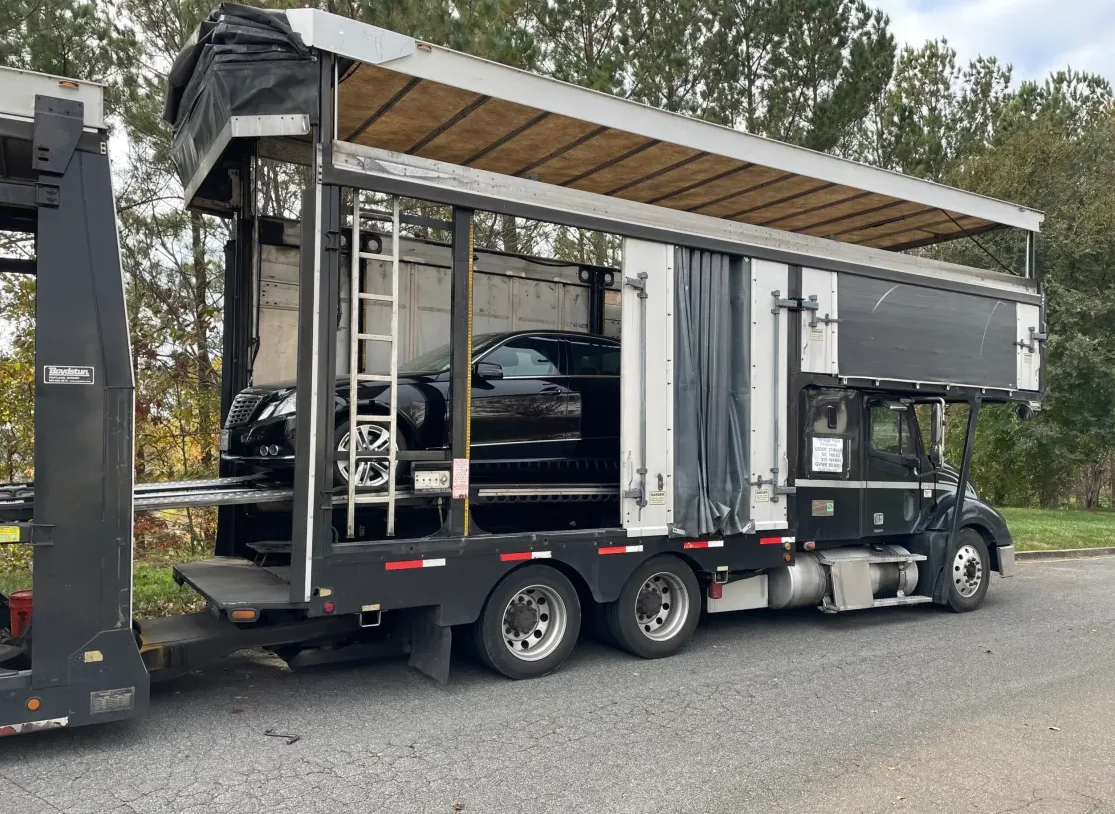
Why Classics Can't Ride on a Standard Open Carrier
Open carriers work fine for daily drivers, but they're a bad match for collector vehicles. Road gravel kicked up by an 18-wheeler at highway speed can chip original lacquer paint, and a single chip on a '66 GTO's factory finish can knock $1,500 to $3,000 off the car's appraised value overnight.
Beyond paint, classics carry vulnerabilities that newer vehicles don't. Many sit lower than modern cars, which means standard carrier ramps can scrape undercarriages. Aging weatherstripping and window seals weren't built for sustained 70 mph winds over 2,000 miles. And older brake and clutch hydraulics can lose pressure when a car sits at an angle for days on a tilted carrier deck.
The cost difference between open and enclosed is typically $500 to $900 on a cross-country haul. On a car worth $30,000 or more, that's cheap insurance. We steer every collector vehicle owner toward Classic Car Shipping with enclosed transport, and we won't quote open carrier for anything irreplaceable.
What You'll Actually Pay to Ship a Collector Car
Enclosed classic car transport generally falls between $1.30 and $2.20 per mile, with most companies enforcing a minimum charge around $1,200 regardless of distance. A coast-to-coast move like Phoenix to Philadelphia typically lands in the $2,900 to $4,500 range depending on your car's dimensions and the time of year.
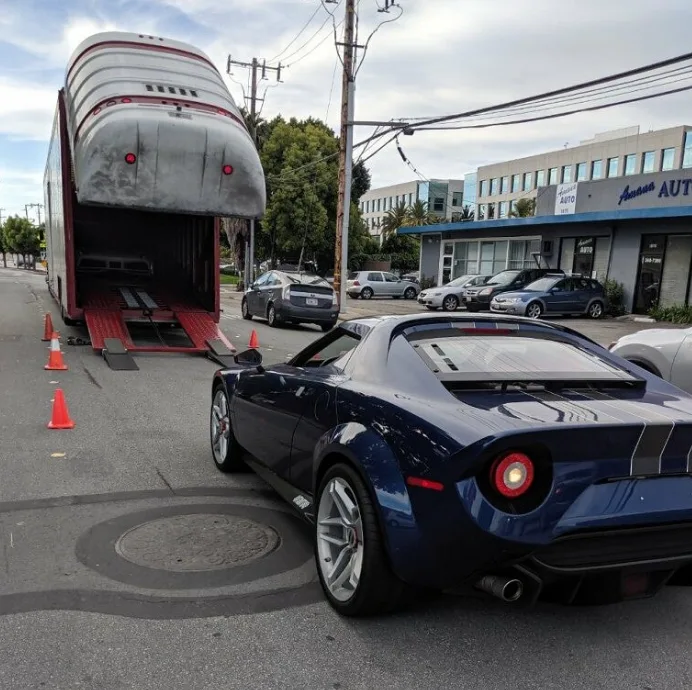
Mileage is only part of the equation. Vehicles that need hydraulic lift-gate loading because they sit low to the ground, or wide-body cars that exceed 80 inches, require specialized trailer slots and cost more. Climate-controlled units for leather interiors or wood-dash cars add another premium on top.
Seasonality is a big factor. Car show season from May through September drives up enclosed trailer demand, and you can expect rates to climb 20% to 35% over winter pricing. Snowbird season creates its own spike too. We've quoted the same Scottsdale-to-Detroit run at $1,900 in October and $2,800 in January because every enclosed rig is heading south.
Enclosed Trailers vs. Open Carriers: What's the Real Difference?
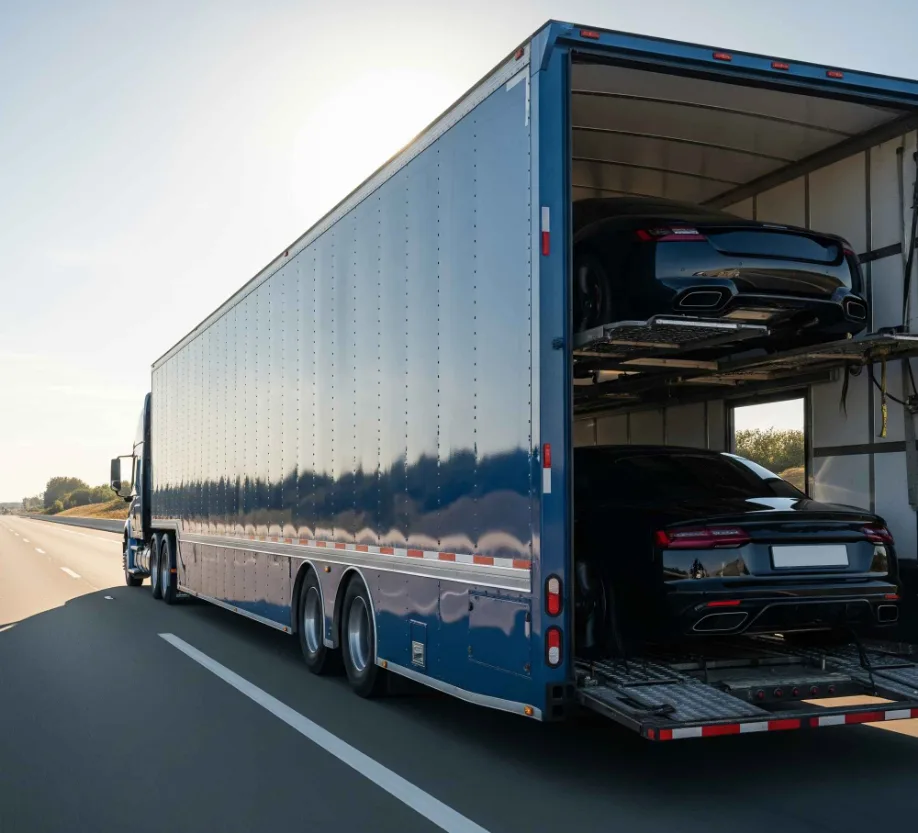
An enclosed trailer wraps your classic in solid walls and a roof, blocking every piece of road debris, every raindrop, and every set of eyes at a rest stop. An open carrier leaves your car sitting on an exposed deck for the entire trip. For a collector vehicle, there's really only one correct answer.
Enclosed rigs hold 2 to 6 vehicles compared to 7 to 10 on open decks. Fewer cars per load means pickup windows can be longer, sometimes 5 to 10 days versus 2 to 4 for open. But the trade-off is total protection from road salt, hail, dust storms, and UV exposure.
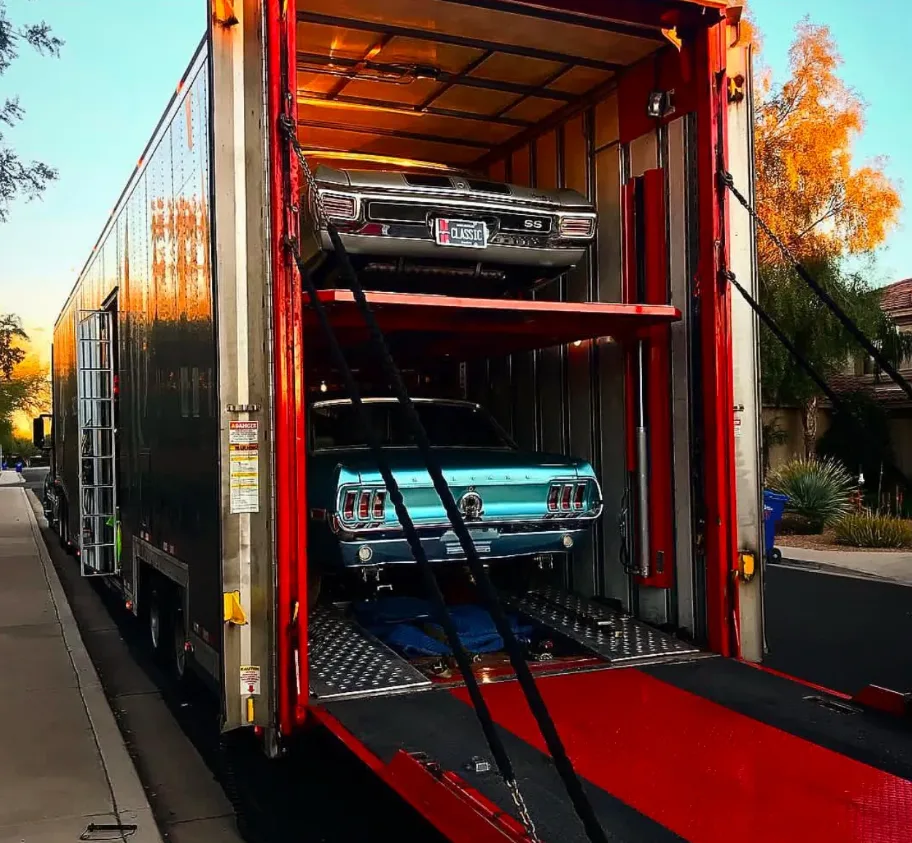
Not every enclosed trailer is the same, though. Hydraulic lift gates let low-slung cars load without scraping. Climate control systems keep interior temps stable for leather seats and wood dashboards during summer desert runs. And soft-tie wheel straps with padded brackets replace the metal chains that can chip paint or scratch wheels on cheaper rigs.
Prepping Your Classic for the Truck: Step by Step
Start with documentation. Walk around the car and photograph it from every angle. Get close-ups of every existing scratch, dent, paint bubble, and trim piece. We're talking 40 to 60 images minimum. This photo record is your proof of condition at pickup, and it's settled more disputes than any contract clause ever written.
Keep the fuel tank at a quarter or less. A full tank adds over 100 pounds of unnecessary weight and creates a fire risk during transit. Pull out any loose items: spare parts rattling in the trunk, detachable radios, aftermarket floor mats, and anything sitting on the seats or dash.
For hauls lasting more than a week, disconnect the negative battery terminal. Older electrical systems are notorious for parasitic drain, and a dead battery is the least of your worries if a short circuit develops. Also check your tire pressure and inflate to spec. Underinflated tires deform under strap tension and can damage bead seats or crack older alloy rims.
Insurance for Classic Car Shipping: What's Covered and What Isn't
National Auto Transport carries contingent cargo coverage up to $250,000 per vehicle, which handles the vast majority of classics on the road today. But if your car appraises above that number, you'll need supplemental coverage through a collector-specific insurer. One thing we tell people every week: your regular State Farm or Geico auto policy almost certainly does not cover transport damage.
Our coverage protects against transport-related damage, theft while on the trailer, fire, and weather events during the haul. It won't cover mechanical breakdowns, pre-existing conditions, or damage caused by improper prep on the owner's end, like leaving a convertible top unlatched.
If you own a six-figure classic, get an agreed-value policy from Hagerty or Grundy before you schedule pickup. Back it up with a professional appraisal dated within the last 12 months. Some of our clients hire independent vehicle inspectors to be present at both loading and unloading. It runs $250 to $450 per inspection, but it creates an airtight condition record that no adjuster can argue with.
Realistic Timelines for Enclosed Classic Car Shipping
Enclosed carriers run on a different clock than open rigs. There are fewer enclosed trailers on the road, so carrier assignment can take 5 to 10 days compared to 1 to 4 for open transport. Once loaded, transit runs 1 to 3 days longer because enclosed drivers make fewer stops and handle vehicles more carefully at each one.
On a cross-country classic shipment, plan for 8 to 14 days total from pickup to delivery. A run like Los Angeles to Charlotte might wrap in 10 days during a quiet month, but that same route can stretch past two weeks if you're shipping during Monterey Car Week or Barrett-Jackson auction season. We always build in 2 to 3 buffer days on classic loads because cutting corners on timing is how damage happens.
Route matters more than people think. The I-10 and I-40 corridors between the West Coast and the Southeast have the heaviest enclosed traffic, so those lanes fill fastest. Pickups in rural Vermont or western Montana can tack on 4 to 6 extra days just waiting for a qualified rig to reach you. If your schedule is tight, Expedited Car Shipping can cut transit by 30% to 50%, but expect to pay 40% to 65% more for that speed.
Questions to Ask Before You Trust Anyone with Your Classic
First question, every time: "What's your USDOT number?" Then go verify it on the FMCSA Safer database yourself. National Auto Transport is fully licensed and you can pull our safety record right now. Unlicensed operators are all over the classic car space, and they vanish the moment something goes wrong with your vehicle.
Next, ask about equipment specifics. How many vehicles does the enclosed trailer hold? Does it have a hydraulic lift gate or just ramps? Is there climate control? What kind of tie-down system do they use? A company that can't rattle off those details on the spot probably doesn't have direct access to the equipment they're selling you on.
Push for a defined pickup window. A 3 to 5 day range is reasonable for enclosed transport. If a company can only commit to "somewhere in the next two weeks," they're fishing for a carrier after you've already paid. Legitimate classic car shippers can give you a tighter commitment because they've got relationships with enclosed carrier operators.
Costly Mistakes Classic Car Owners Make When Shipping
Chasing the lowest price is the number one mistake we see. An enclosed cross-country haul that legitimately costs $3,200 from three different companies won't suddenly cost $1,400 from a fourth. That lowball quote is bait, and the switch comes after you've signed the contract and handed over a deposit.
Shipping with removable valuables still in or on the car is the second biggest error. That period-correct Blaupunkt radio, those Cragar S/S wheels, that NOS parts stash in the trunk. If it can be unbolted or lifted out, it's at risk. Transport insurance almost never covers theft of removable accessories, and we've heard too many stories from owners who learned that lesson the expensive way.
The third mistake is not inspecting the trailer before loading. A reputable carrier will invite you to walk the enclosed rig, check the tie-downs, and confirm the interior is clean and dry. If the driver is rushing through the loading process and discouraging you from looking around, that's a warning sign you shouldn't ignore.
Enclosed vs. Open Transport for Classic Vehicles
| Feature | Enclosed Transport | Open Transport |
|---|---|---|
| Weather Shielding | Full protection: walls, roof, sealed doors | Fully exposed to rain, hail, road spray |
| Theft and Visibility | Locked, no public line of sight | Visible from the road and at stops |
| Cars Per Trailer | 2 to 6 vehicles | 7 to 10 vehicles |
| Per-Mile Rate | $1.30 to $2.20 | $0.55 to $1.15 |
| Typical Transit | 8 to 14 days coast-to-coast | 5 to 9 days coast-to-coast |
| Best Fit | Collectors, show cars, vehicles over $25K | Commuter cars and newer dailys |
| Loading Options | Hydraulic lift gates for low vehicles | Drive-on ramps only |
| Damage Incident Rate | Less than 0.1% of shipments | Roughly 2% to 3% of shipments |
If a quote for enclosed classic car transport seems dramatically lower than every other bid you've received, that's not a deal. Enclosed trailers cost more to buy, maintain, and insure. The carriers who operate them charge accordingly. A price that's 40% below market usually means hidden fees, substandard equipment, or an operator who's going to cancel on you a week before pickup.
What to Remember
Classic Car Shipping FAQs
The most common questions we get from classic and collector car owners.