Ship It or Drive It? The Real Cost Comparison
Most people assume driving is cheaper because gas is "only" $300. But when you add up 3 nights of hotels, road food, 2,500 miles of wear on your tires and brakes, plus two days of lost income, that "cheap" drive from Phoenix to Atlanta actually totals $1,700-$2,200. Shipping the same car? $950-$1,250. We've done this math on over 50 routes, and the results aren't what most people expect.
Ship Your Car Today
Get a quote or talk to our team right now

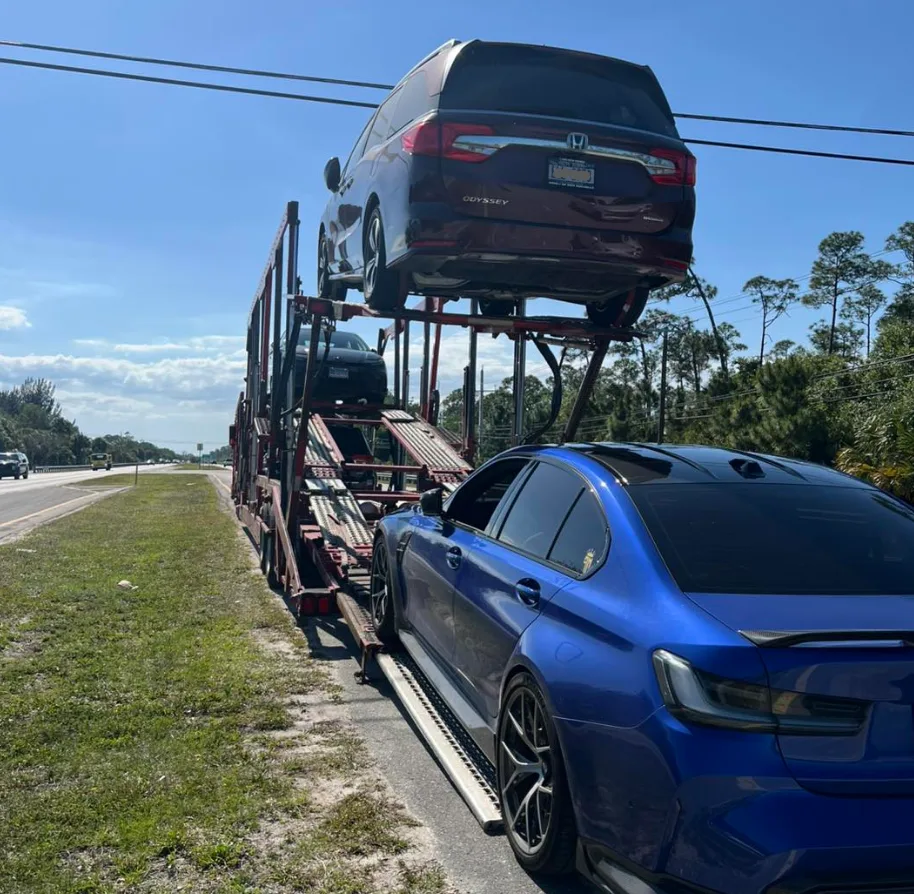
The True Price Tag of a Cross-Country Drive
People fixate on fuel cost because it's the only number they can calculate in advance. A 2,200-mile drive from Phoenix to New York in a sedan averaging 28 MPG burns about 79 gallons. At $3.50 per gallon, that's $276. Sounds manageable, right? The problem is that fuel makes up less than 20% of what the trip actually costs.
You'll need 3-4 nights in hotels. Even sticking to mid-range chains, you're looking at $120-$180 per night, so $360-$720 total. Three days of road meals for one person runs $40-$60 per day, another $120-$180. Tolls on I-10, I-40, and I-95 corridors add $50-$100 depending on your route choice. All of that is real money leaving your wallet.
Then there's the stuff nobody puts on paper. Your car depreciates $0.15-$0.28 per mile on a long haul, so a 2,200-mile trip shaves $330-$616 off your vehicle's value through tire wear, brake pad reduction, oil degradation, and odometer increase. And if you're salaried or self-employed, two days behind the wheel is two days you aren't earning. At $35/hour, that's $560 in opportunity cost. Add it all up and a "cheap" cross-country drive lands between $1,650 and $2,400.
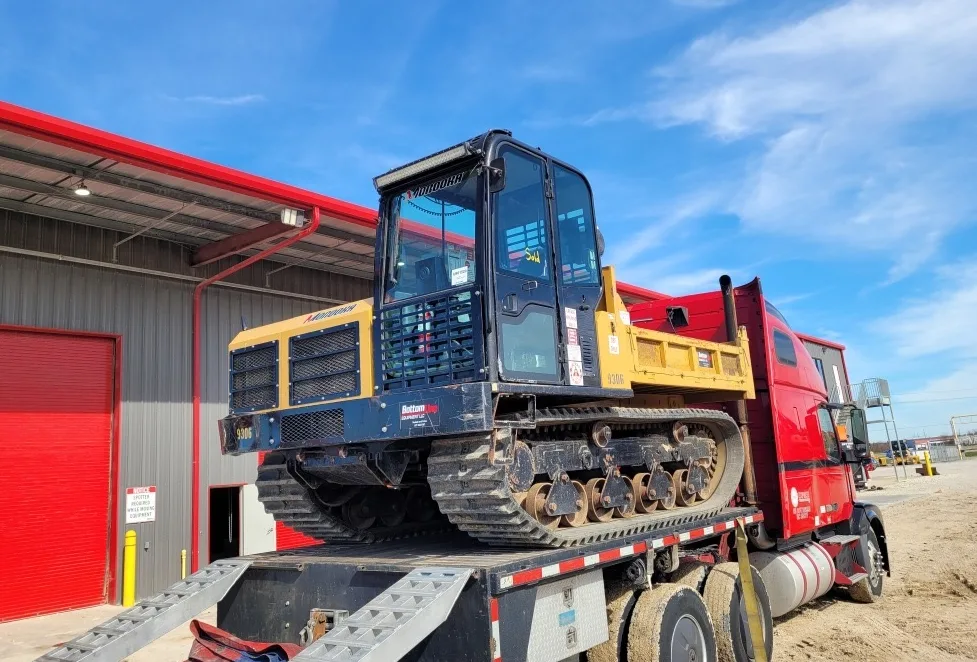
What Car Shipping Costs on Popular Routes
Open carrier transport averages $0.38-$0.65 per mile, and the per-mile rate drops as distance increases. A 900-mile shipment from Phoenix to Denver runs about $650-$800. A 1,500-mile haul from Phoenix to Dallas to Atlanta? Roughly $900-$1,100. Full coast-to-coast like Phoenix to Boston sits at $1,100-$1,450 on open transport. Those are 2026 rates from our actual booking system.
Season matters. Summer (June through August) and the snowbird windows (October-November, March-April) drive rates up 20-35% because every carrier on the road is booked. Ship the same Phoenix-to-Chicago route in February and you'll pay $750. Run it in July and the quote jumps to $1,050-$1,150. If your timeline is flexible, off-peak months save real money.
Enclosed auto transport adds 50-70% to the open rate, but here's the thing: if you own a $60,000 BMW or a classic Corvette, the $400-$600 enclosed premium is cheaper than the $500-$750 in depreciation you'd rack up driving 2,000 miles. For high-value vehicles, shipping isn't just convenient. It's the financially rational move.
Situations Where Driving Is the Smarter Call
If your trip is under 500-600 miles, driving almost always wins. Phoenix to San Diego (355 miles) costs about $45 in gas and takes 5 hours. Shipping that same car runs $400-$550. No amount of creative accounting makes shipping cheaper on a one-day drive like that.
Families traveling together tip the equation further toward driving. If three or four people are headed to the same destination, you're splitting gas and food costs while also packing the trunk with boxes and suitcases you'd otherwise need to ship separately. The car doubles as a moving van on shorter routes, which offsets a chunk of the driving expenses.
Free lodging along your route changes everything. If you've got a buddy in Albuquerque and a cousin in Oklahoma City, a Phoenix-to-Memphis drive drops from $1,200 (with hotels) to $500 (gas, food, and tolls only). We'll never tell you to ship when driving genuinely makes more sense for your situation. The goal is making the right call, not the one that puts more money in our pocket.

5 Driving Costs That Never Make It Into the Budget
Depreciation is the big one. According to AAA's 2025 driving cost study, the average sedan loses $0.21 per mile in value through mechanical wear and odometer increase. On a 2,500-mile cross-country trip, that's $525 your car is worth less when you arrive. Trucks and SUVs depreciate faster on highway miles, pushing that number closer to $625-$750.
Post-trip maintenance sneaks up on you 2-4 weeks later. Long highway drives accelerate oil breakdown, eat into brake pad life, and stress cooling systems. Many drivers end up with a $200-$400 service bill within a month of arriving. That oil change you could have pushed another 2,000 miles? It's due now.
The cost of your time might be the most expensive line item that never shows up on a receipt. Two full days behind the wheel at a $30/hour salary is $480 in lost earning potential. Even if you're using PTO, those are vacation days you won't get back. Factor in the physical toll of sitting in a car for 10+ hours a day, the stress of navigating unfamiliar highways, and the fatigue risk, and driving starts to look like a much bigger ask than "just a road trip."
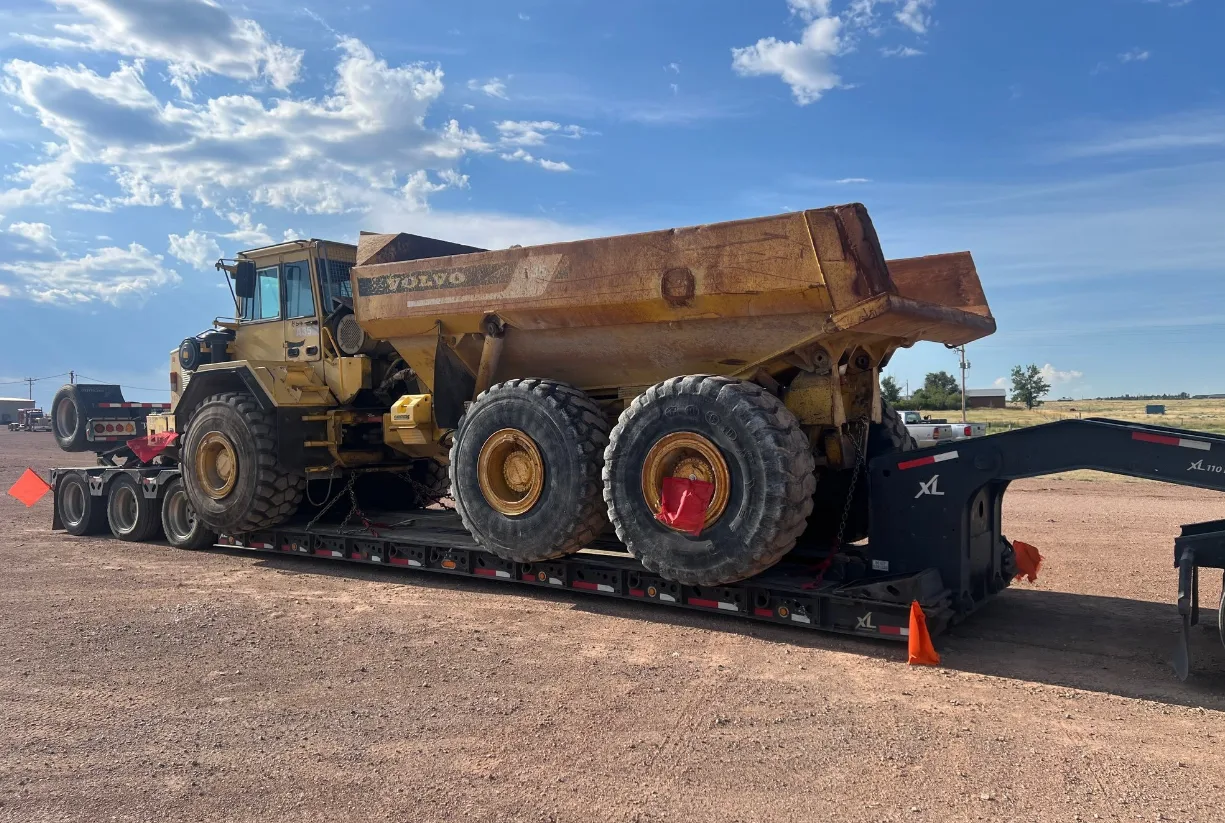
The Scenarios Where Shipping Saves You Hundreds
Any route over 1,000 miles tilts heavily toward shipping when you run an honest cost comparison. On a 2,000-mile move, open carrier transport costs $1,000-$1,350 all-in. Driving that same distance racks up $1,650-$2,400 when you include every real expense. That's a $300-$1,050 gap in shipping's favor, and it only widens on longer routes.
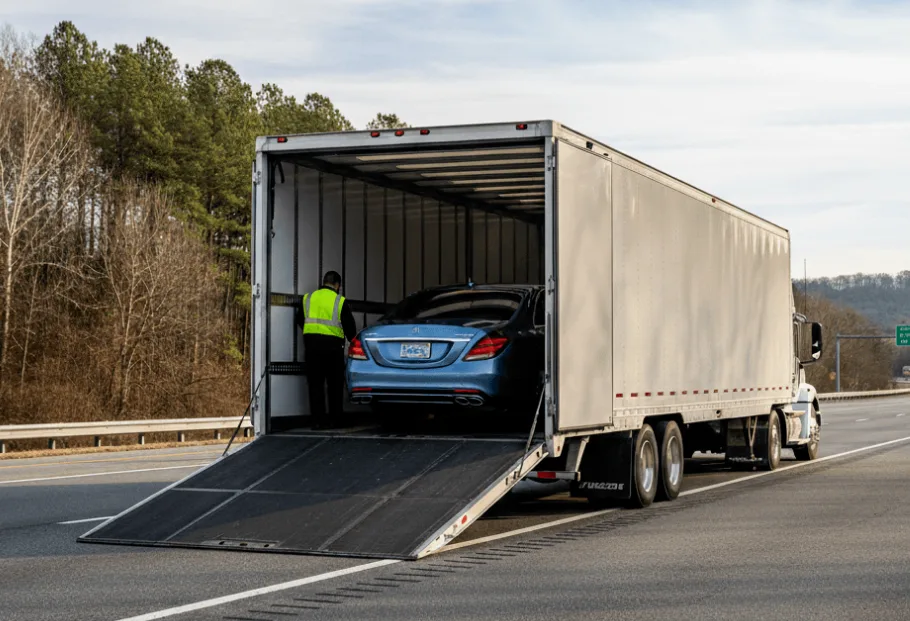
If your car is worth more than $45,000, the depreciation argument alone closes the case. Driving a 2022 BMW X5 from Phoenix to Charlotte puts 2,100 miles on the odometer and costs roughly $550 in mechanical depreciation. Enclosed shipping for that route runs $1,600-$2,000. When you subtract the depreciation you avoided, the effective shipping cost drops to $1,050-$1,450, and your car arrives with zero road miles, zero rock chips, and zero fatigue-induced fender benders on your driving record.
Corporate relocation departments figured this out years ago. Several of our business clients have told us they save $1,800-$3,500 per employee by shipping the car and flying the person. That math includes the shipping fee, a one-way plane ticket, and a rental car for the gap days. It's still cheaper than reimbursing mileage, hotels, meals, and two lost workdays.
How Time of Year Changes the Ship-vs-Drive Math
Summer inflates both sides of the equation, but it hits driving harder. Hotel chains jack rates 30-50% between Memorial Day and Labor Day. Gas prices typically climb 15-25 cents per gallon during peak travel season. A Phoenix-to-Miami drive that costs $1,700 in February can run $2,100-$2,400 in July purely from seasonal pricing on lodging and fuel.
Winter flips the script. Shipping rates drop 15-25% from November through February because demand falls off a cliff after snowbird season ends. Meanwhile, winter driving brings its own set of costs: tire chains or snow tires for mountain passes, emergency roadside kits, and the very real possibility of a weather delay that adds an unplanned hotel night or two. A blizzard closing I-70 through Colorado can turn a 3-day drive into a 5-day ordeal.
Expedited car shipping is worth mentioning here because it bridges the speed gap. If you need your car fast during peak season, expedited service delivers in 3-5 days for about 30-40% above standard rates. That's still cheaper and safer than white-knuckling a 2,500-mile drive in 2.5 days on 5 hours of sleep and three energy drinks.
Where the Numbers Cross: The Break-Even Distance
Based on our booking data and honest cost modeling, the tipping point sits around 800-1,000 miles for most people. Below 800 miles, driving is almost always cheaper unless you own a high-value vehicle. Above 1,000 miles, shipping wins roughly 75% of the time once you add up every line item, not just fuel.
Vehicle value can override distance entirely. If you're driving a car worth $50,000 or more, the depreciation per mile is steep enough that shipping makes sense even on a 500-mile route. We regularly ship luxury SUVs from Greensboro to Charlotte or Raleigh, just 250-350 miles, because the owners know that 350 miles of highway wear costs more in resale value than a $400 shipping fee.
Moving two vehicles amplifies everything. Driving two cars cross-country means recruiting a second driver, booking two hotel rooms, buying two tanks of gas at every stop, and doubling the accident risk. Shipping both vehicles together saves $75-$150 on the second car through multi-vehicle pricing, and it means only one person needs to fly to the destination instead of two people burning vacation days behind the wheel.

A Simple Formula to Compare Your Two Options
For the driving column, add up: (miles / your MPG x gas price) + (hotel nights x nightly rate) + (days on road x your daily food cost) + (miles x $0.15-$0.28 depreciation) + (driving hours x your hourly wage or value of time) + tolls + parking. For a 2,000-mile trip in a sedan, that formula usually spits out something between $1,500 and $2,300.
For the shipping column, get 2-3 quotes from licensed brokers and add your one-way flight (or bus/train ticket) to the destination. National Auto Transport quotes are all-inclusive: carrier fee, broker coordination, and cargo insurance bundled together. No surprise fuel surcharges or add-on fees after you book. A typical cross-country shipment plus a $150-$350 one-way flight totals $1,250-$1,800.
The line item most people skip is opportunity cost. If you're in the middle of a job transition, a home purchase, or a cross-country move with a thousand logistics to juggle, the 2-3 days you'd spend driving could be spent unpacking, starting your new job, or just not being exhausted and stressed. You can't put a dollar figure on sanity, but it belongs in the calculation.
Driving vs Shipping: Phoenix to New York (2,200 Miles)
| Line Item | Driving It Yourself | Shipping + Flying |
|---|---|---|
| Fuel / Transport Fee | $276 (gas at $3.50/gal) | $1,100-$1,350 |
| Hotels (3 nights) | $360-$540 | $0 |
| Food on the Road | $150-$180 | $0 |
| Depreciation + Maintenance | $330-$616 | $0 |
| Lost Wages (2 days at $35/hr) | $560 | $0 |
| One-Way Flight | $0 | $150-$300 |
| All-In Total | $1,676-$2,172 | $1,250-$1,650 |
| Your Time Spent | 3-4 full days | 20 min to book + 3 hr flight |
Under 800 miles? Probably drive. Over 1,000 miles? Probably ship. Between 800 and 1,000? Grab a free quote from us at (602) 860-6894 and run the full calculation, because the answer depends on your car's value, your income, and whether you have free places to stay along the way.
What the Numbers Tell Us
Shipping vs Driving FAQ
The cost comparison questions our Phoenix team fields most often.