Car Shipping Scams: 7 Tricks Fraudsters Use and How to Stop Them
Nearly one in four auto transport complaints at the Better Business Bureau involve companies that pocket deposits and ghost, or hold cars hostage for inflated fees. Our Phoenix office has helped hundreds of customers recover from these situations, and we've cataloged the playbook scammers follow. Below are the specific tactics they use and the steps that shut them down cold.
Ship Your Car Today
Get a quote or talk to our team right now

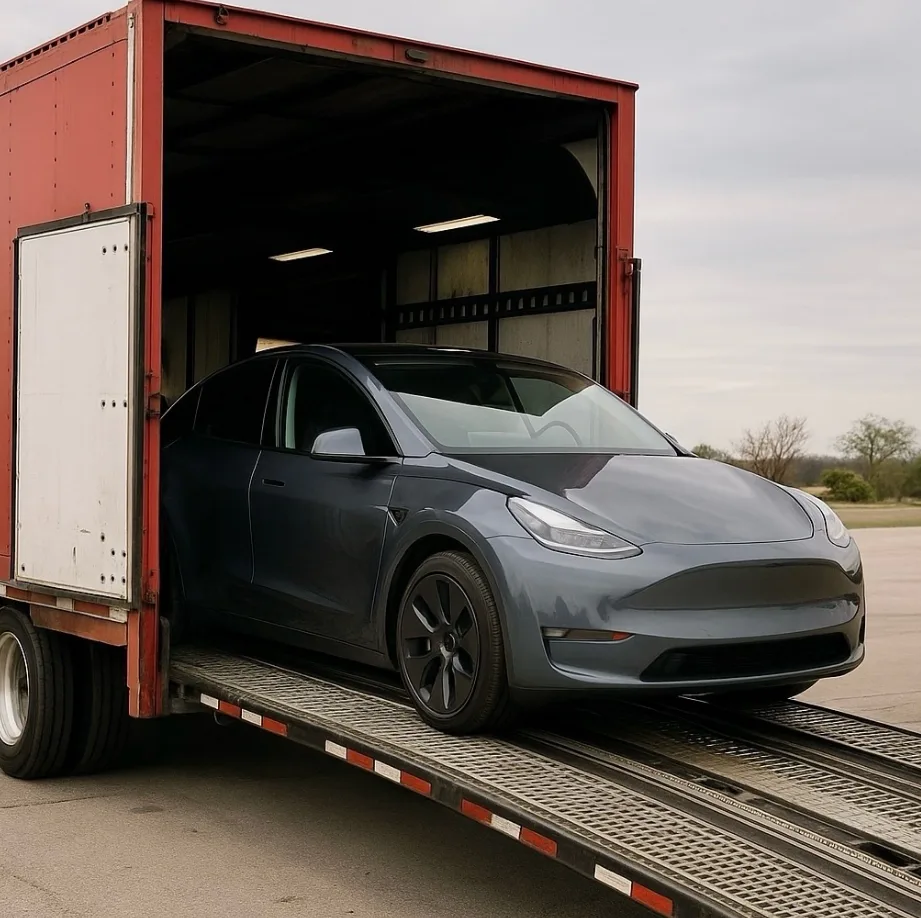
The Three Scams That Burn Car Shippers the Most
The deposit-and-vanish play is the most common. A company quotes you a below-market rate, collects $200 to $500 through a credit card or wire, and then stops answering calls. No truck ever shows up. No refund ever arrives.
Bait-and-switch pricing comes in right behind it. You agree to $850 for a Dallas to Orlando move, but when the driver pulls up, the bill is suddenly $1,350. They've already loaded your car, and you're cornered into paying because your move deadline is tomorrow.
Phantom broker operations are growing more polished every year. They build professional-looking websites, list stolen or fabricated USDOT numbers, and staff smooth phone reps. But they hold zero actual authority to arrange vehicle transport. They're just funneling deposits into accounts that disappear within weeks. We field calls about this all the time from customers who need expedited car shipping after their original "broker" ghosted them.
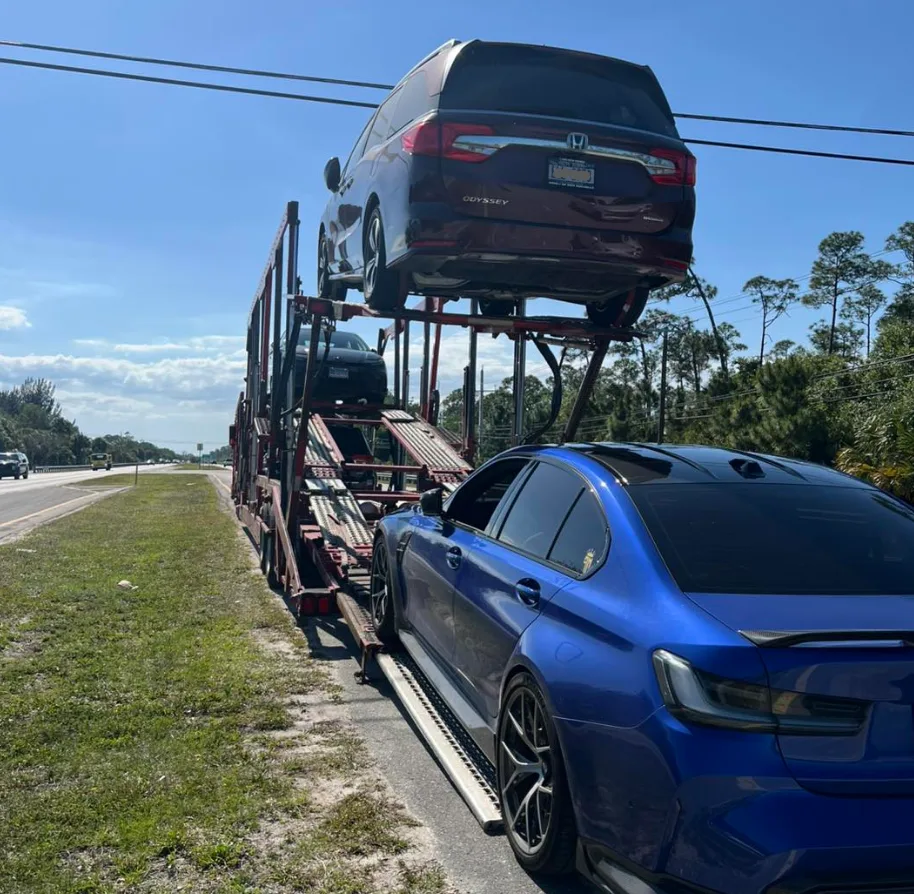
How to Identify a Fraudulent Transport Operation in Minutes
The clearest warning sign is a demand for full payment before pickup. Legitimate brokers collect a small deposit, typically $100 to $300, and you pay the carrier driver the balance at delivery. If someone wants 100% of the money wired before a truck is even assigned, that's your exit cue.
Run their USDOT and MC numbers through the FMCSA's SAFER database right away. Real companies post these numbers on their website and paperwork. Scammers either skip them entirely or paste in numbers that belong to a plumbing supply company in a different state. It takes about 30 seconds to verify.
Pay attention to phone consistency. Scam outfits rotate through burner numbers, and you'll talk to a different person every time you call. When you reach our team in Phoenix, you get the same coordinator who knows your vehicle, your route, and your timeline.
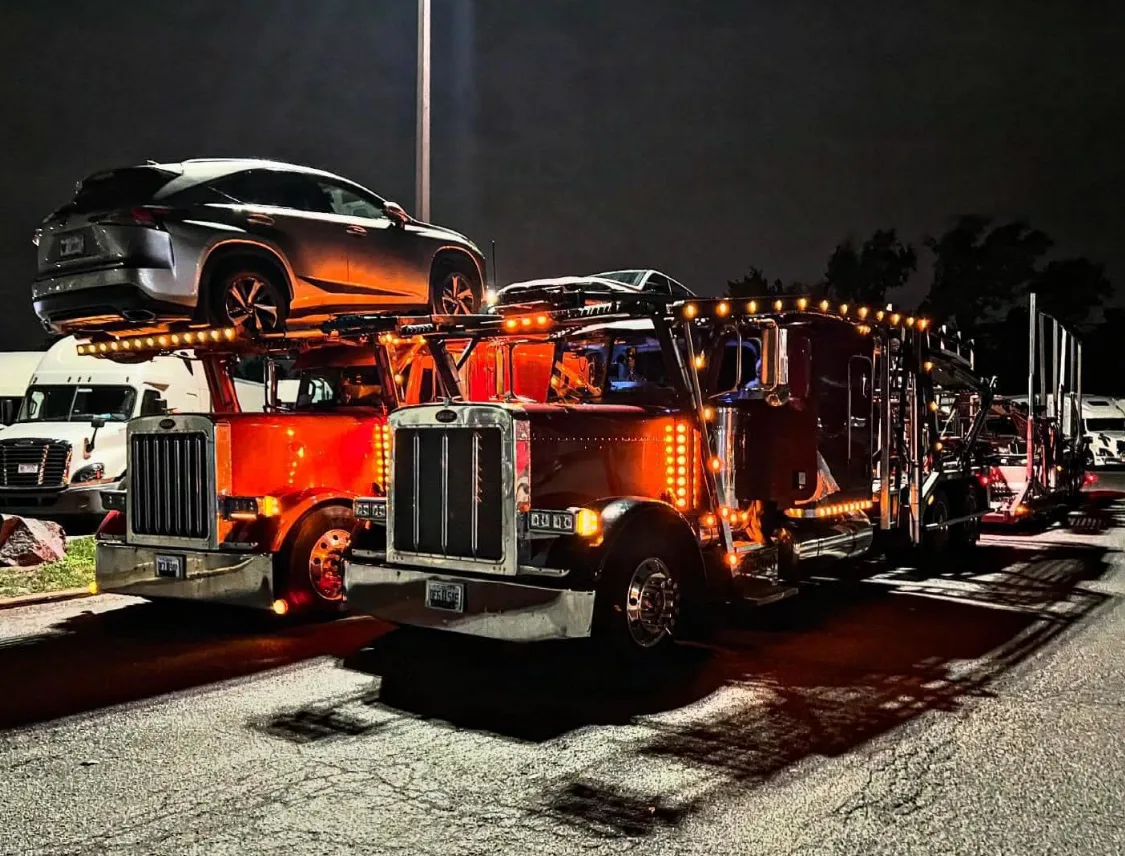
Why Bait-and-Switch Pricing Catches So Many People
The mechanics are simple: quote $250 to $400 below actual market rate, lock in the customer's commitment and moving timeline, then spring the real number when it's too late to start over. By that point, your lease is ending, the new job starts Monday, and rebooking feels impossible.
The way it plays out on delivery day is predictable. The driver shows up and tacks on "fuel surcharges," "route adjustment fees," or "insurance upgrade costs" that weren't in the original quote. Your car is on the truck, you're under pressure, and most people just pay to make it go away.
It works because nobody wants to scramble for a new carrier 36 hours before they need their car 2,000 miles away. That's exactly why we quote realistic ranges from the start. Our multi-vehicle shipping quotes reflect live market data, not artificially low numbers designed to bait you into a commitment.
What a Trustworthy Auto Transport Company Looks Like
Licensing and insurance come first. A legitimate operation hands over their USDOT and FMCSA registration numbers the moment you ask, not after three follow-up calls. We carry $250,000 per-vehicle cargo coverage because that's the standard a serious company holds.
Verify the physical address. Scam outfits list P.O. boxes, virtual office suites, or addresses that don't match any real building. Our Phoenix office at 1951 W Camelback Rd is a staffed location where our team answers calls, processes shipments, and coordinates dispatch every day of the week.
Transparent pricing with clear ranges is another sign. When someone asks us about enclosed auto transport from Phoenix to Boston, we quote $1,300 to $1,900 based on current carrier availability and fuel costs. We explain exactly what pushes the price toward one end or the other. Any company giving you a single fixed number without context is either guessing or setting you up.
What Legitimate Car Shipping Actually Costs Right Now
Open carrier rates for routes under 1,000 miles fall between $450 and $1,150. Cross-country moves run $850 to $1,550 depending on the exact origin and destination. Enclosed carriers add $300 to $650 on top of those open-transport figures.
Geography plays a huge role. Shipping from Atlanta to Houston sits on a high-volume corridor where carriers compete for loads, so prices stay near the bottom of the range. Moving from a small town in Wyoming to rural Maine? That's off-corridor routing, and it'll cost more because fewer trucks cover that lane.
Seasonal swings push rates 15% to 30% higher during peak windows. June through August is busy with relocations, and snowbird season in October through November and March through April adds another demand spike. Scammers exploit this gap by quoting January prices in July, then hitting you with "market adjustments" after you've committed.
Six Questions That Expose a Scammer on the First Call
Ask for their MC number and cargo insurance certificate. Write the numbers down and check them on the FMCSA SAFER database while you're still on the phone. If they stall, redirect, or say "we'll email that later," end the conversation.
Drill into the logistics. Where specifically will the driver meet you for pickup? How far in advance will they call? What forms of payment does the driver accept at delivery? Real companies have rehearsed answers to these questions because they run through the process every single day.
Ask how they vet the carriers in their network. We pre-screen every hauler for active insurance, FMCSA compliance, and a track record of clean deliveries. Scam operations stumble on this question because they don't actually dispatch trucks. They have no network, no logistics team, and no plan beyond collecting your deposit.
What to Do Right Now If You've Been Scammed
Freeze all payments and call your bank or credit card issuer to initiate a dispute. Credit card chargebacks for services not rendered have a high success rate, but most issuers require you to act within 60 to 120 days of the charge. The sooner you start, the better your odds of recovering the money.
File formal complaints with the FMCSA's consumer complaint division and your state attorney general's office. These filings create an official paper trail that helps regulators track repeat offenders and can support enforcement actions that shut bad actors down.
Save everything: confirmation emails, chat transcripts, payment receipts, screenshots of their website and social media pages. If you still need your car moved after the dust settles, we can usually arrange expedited shipping to get things back on track. It'll cost more than a standard booking, but at least you'll be dealing with a licensed, insured company this time.
Five Habits That Keep You Safe When Booking Transport
Cap your upfront payment at $100 to $300. That's the industry standard for a deposit. The rest goes to the carrier driver at delivery in cash, cashier's check, or money order. If a company pressures you for more than 20% of the total before a truck is dispatched, find someone else.
Demand a written contract before you agree to anything. It should spell out the exact pickup and delivery locations, a line-by-line price breakdown, the insurance coverage amount, and an estimated transit window. A verbal promise over the phone holds zero weight if your car never shows up.
Watch for pressure tactics. "This rate expires in one hour" and "We only have one truck left on that route" are lines straight from the scammer playbook. Companies with real reputations don't need artificial urgency. We've been shipping vehicles to cities like Waco and Tulsa for years, and our reviews do the selling for us.
Trustworthy Broker vs. Scam Operation
| Indicator | Legitimate Company | Scam Outfit |
|---|---|---|
| Upfront Payment | $100-$300 deposit (10-20%) | Full amount before pickup |
| USDOT/MC Registration | Posted openly, verifiable on SAFER | Missing, stolen, or fabricated |
| Quoted Rates | Market-rate ranges with explanations | Far below market to hook customers |
| Balance Payment | Cash or check to driver at delivery | All money to company before dispatch |
| Insurance Details | Certificate with $250K per vehicle | Vague claims or no documentation |
| Business Address | Staffed physical office | P.O. box or virtual suite |
| Booking Contract | Written with itemized details | Verbal only or boilerplate |
| Phone Consistency | Same coordinator each call | Different voice every time |
No honest auto transport company guarantees a specific pickup date down to the day. Real carriers operate with 1- to 5-day pickup windows because driver schedules, weather, and previous-stop delays are part of the job. If someone promises Tuesday at 2 p.m. guaranteed, they're selling you a fantasy.
Key Takeaways
Frequently Asked Questions
Scam-prevention questions we hear from customers calling our Phoenix office every week.